


French Bronze Louis XIV
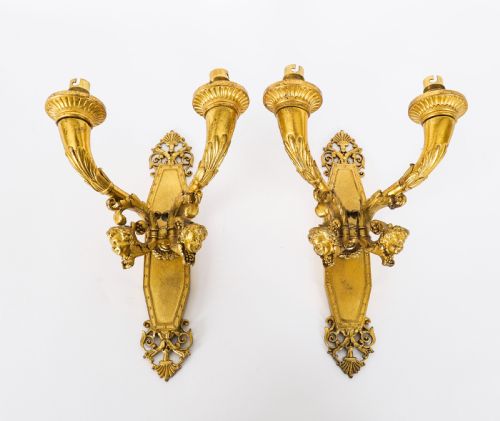
These french bronze louis xiv pieces bring heavy baroque ornament and classical symmetry into a room through rich gilt metal and dark woods.
French Bronze Louis XIV
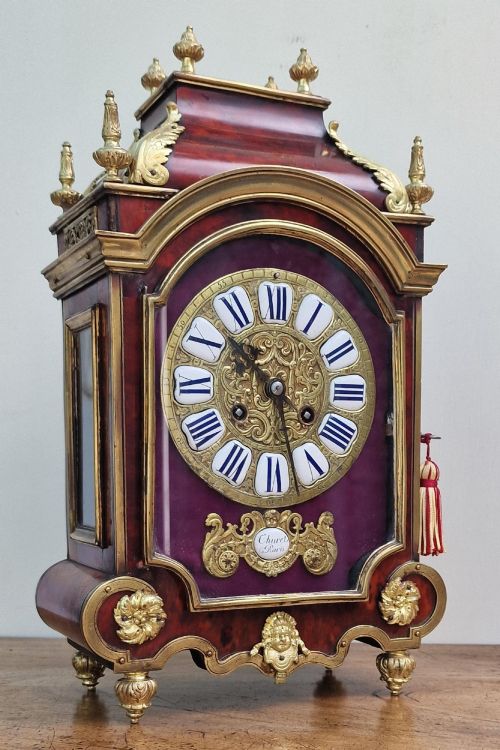
When you search for french bronze louis xiv, you encounter works that channel the grand court aesthetic through decorative objects like mantel clocks, wall lights, and centre tables. Most examples on this page date to the nineteenth century, reflecting a strong Victorian and Napoleon III appetite for revival styles.
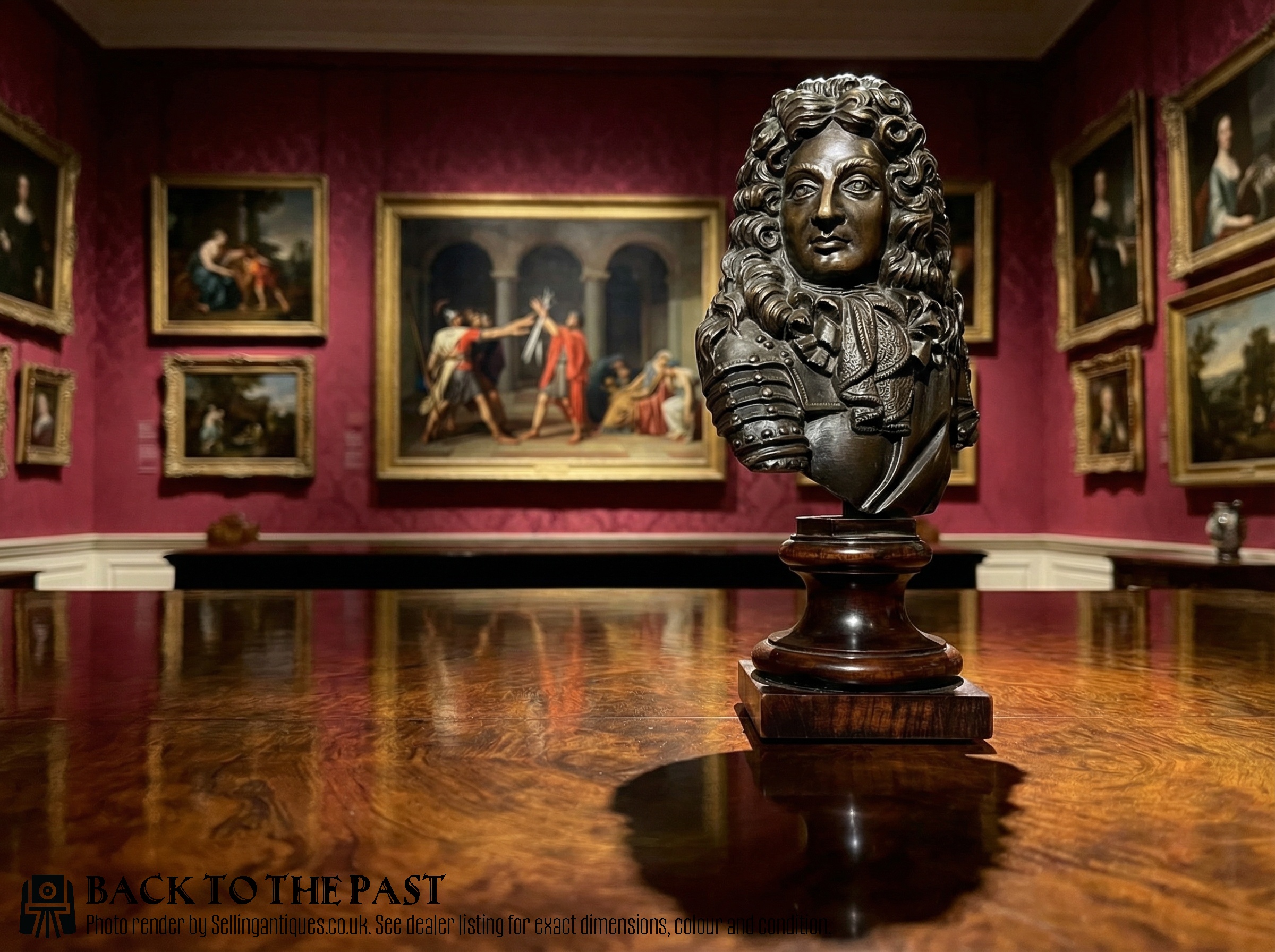
The assortment spans utilitarian fireplace accessories, jardinieres, and monumental bracket clocks alongside busts and chandeliers. You will frequently meet pieces executed in the Louis XIV style and Louis XIV revival, drawing heavily on French Baroque design vocabulary.
How they were made
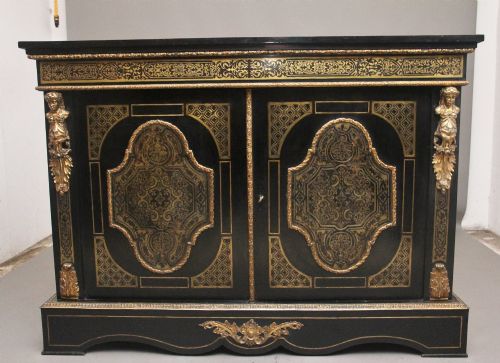
Maker workshops combined cast bronze, ormolu, and brass with ebonised wood to build complex surface contrasts. Many of the clock cases and cabinets incorporate intricate tortoiseshell and enamel details.
Casting and fire-gilding techniques created durable metallic finishes that maintained their brilliance over generations. Woodwork foundations were shaped into heavy brackets and cabinets, then mounted with elaborate cast metal scrolls and figures.
Some fire dogs were cast with such stern expressions they appear ready to judge your choice of firewood.
What varies in quality
The distinction between ordinary and superior pieces rests on the crispness of the bronze chasing and the depth of the ormolu gilding. Finer works display sharply defined facial expressions on figural chenets and precise symmetry in cast acanthus leaves.
Cabinetwork quality shows in the precision of the tortoiseshell and brass inlay on boulle clocks and side cabinets. Maker attribution, such as work associated with known Paris makers, elevates the standing of an individual piece.
Thuret Paris·Samuel Marti·Henri Dasson·Charles Hour
The French Bronze Louis XIV Glossary
- Ormolu
- Gilded bronze produced by applying a mercury-gold amalgam to a bronze base and heating it until the mercury vaporised. This technique created a durable, rich golden surface typical of luxury decorative arts.
- Chenets
- Andirons or fire dogs placed in pairs at the front of a hearth to support logs. In this category, they are cast in ormolu with elaborate Louis XIV ornamentation.
- Jardiniere
- An ornamental receptacle designed to hold plants or flowers. These items appear in ormolu to match other grand interior hardware.
- Bracket clock
- A portable clock designed to sit on a matching wall bracket or furniture surface. They frequently incorporate complex movements and architectural wooden cases.
French Bronze Louis XIV: Frequently Asked Questions
How do I identify a true period piece?
Review the construction methods, materials like tortoise shell and fire gilded bronze, and stylistic markers of the nineteenth century.
Compare the casting quality and maker signatures against recorded examples in archives.
Where should I place a bracket clock?
These clocks require a sturdy wall bracket or a dedicated heavy table to support their substantial ebonised wood and metal weight.
Keep them away from direct sunlight and damp environments to protect the delicate gilt surfaces.
What is the difference between ormolu and bronze?
Bronze is a copper and tin alloy used for casting sculptures, mounts, and structural elements.
Ormolu specifically refers to bronze that has received a gold mercury finish to produce a bright yellow-gold metallic appearance.
How do I care for ebonised wood?
Dust regularly with a dry, soft cloth and avoid chemical polishes that can degrade the dark finish.
Maintain stable room humidity to prevent the wood foundation from shifting and cracking the inlaid brass.