
French Bronze Light
When you select a french bronze light, you encounter chandeliers, wall sconces, and candelabra designed to illuminate interiors with traditional metalwork.
French Bronze Light
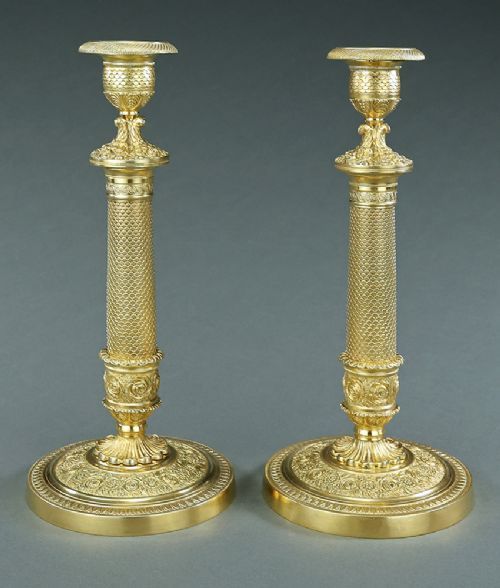
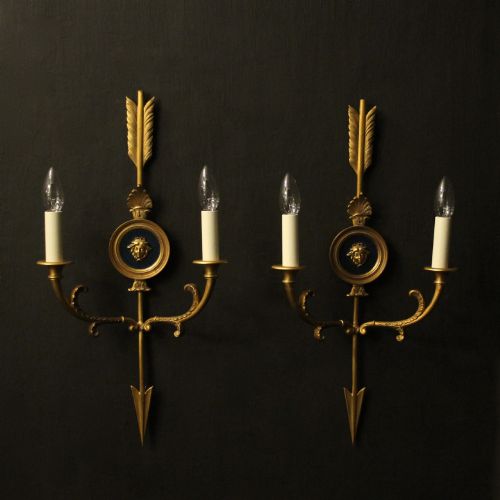
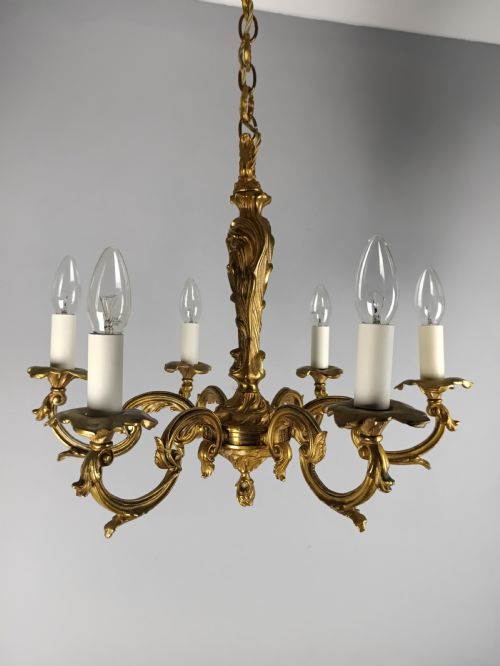
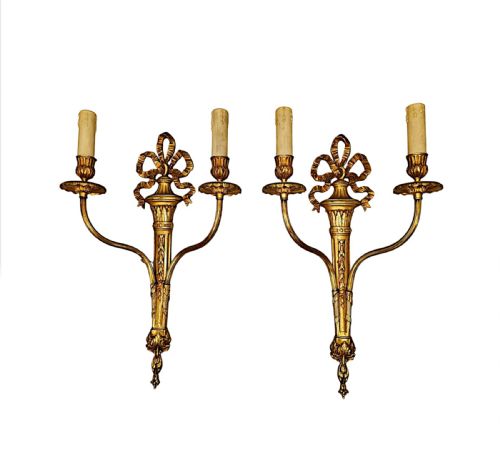
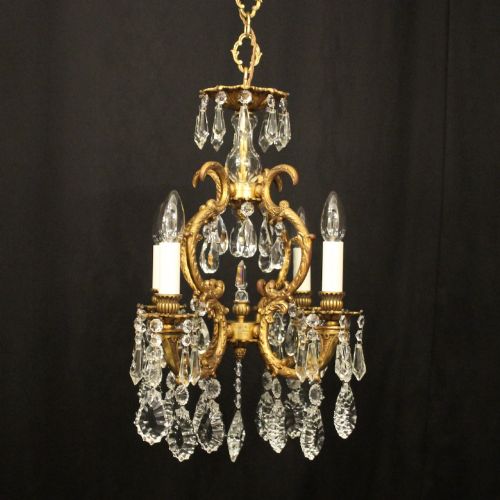
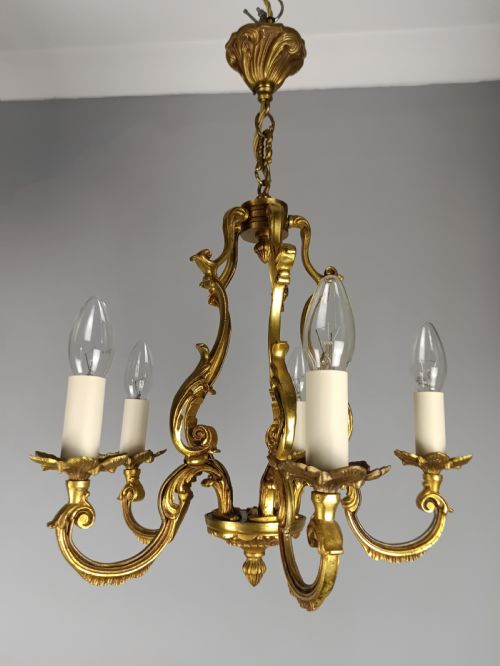
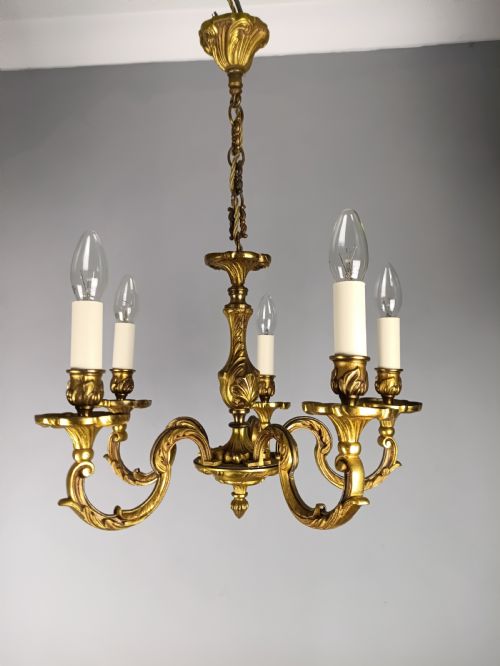
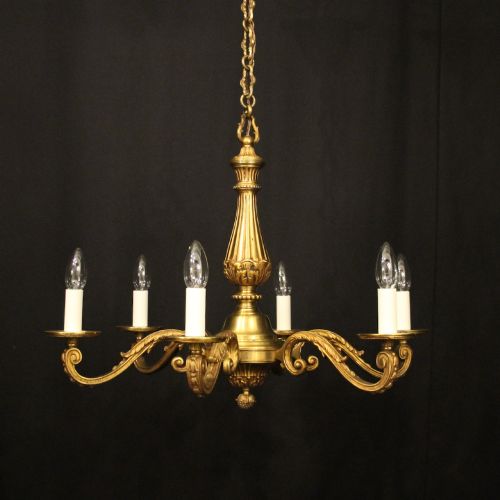
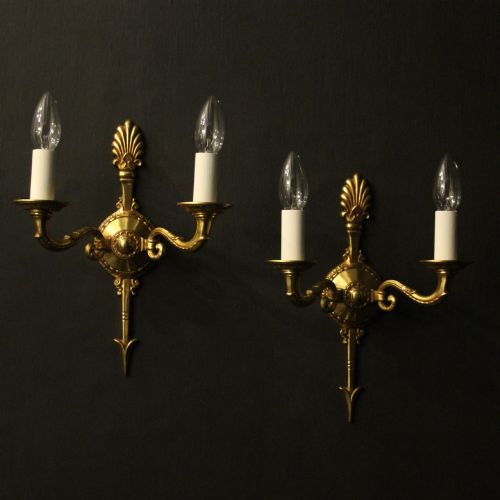
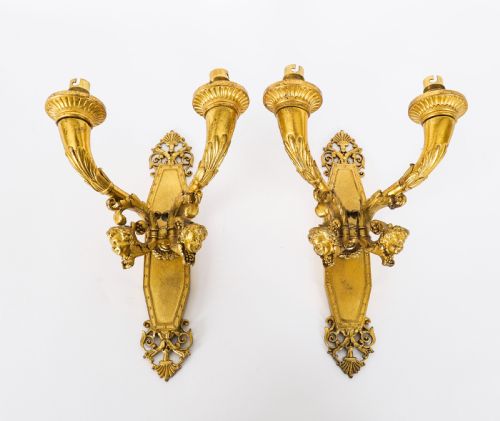
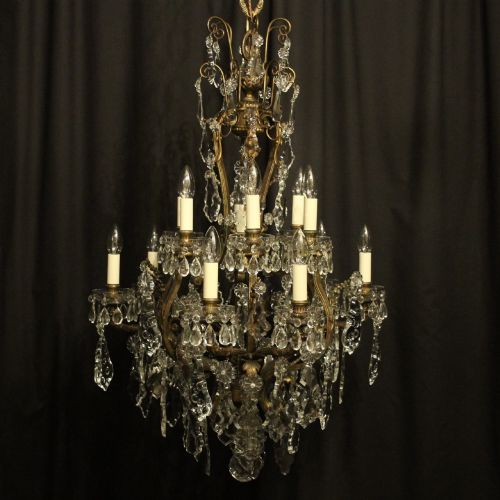
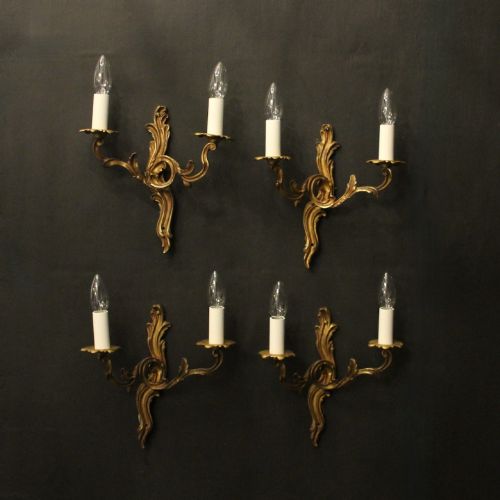
A french bronze light encompasses a wide variety of domestic metalwork designed for illumination, ranging from multi-armed ceiling chandeliers to wall-mounted sconces and heavy candelabra. The selection spans centuries of production, appearing in styles that draw on Louis XIV, Louis XV, Rococo, Empire, and Neoclassical vocabularies. On this page, buyers most frequently encounter 19th-century and early 20th-century pieces, particularly gilded bronze wall lights and multi-light chandeliers.
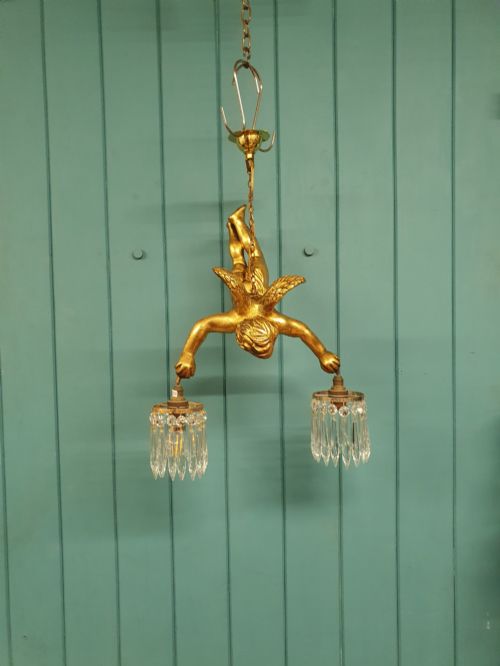
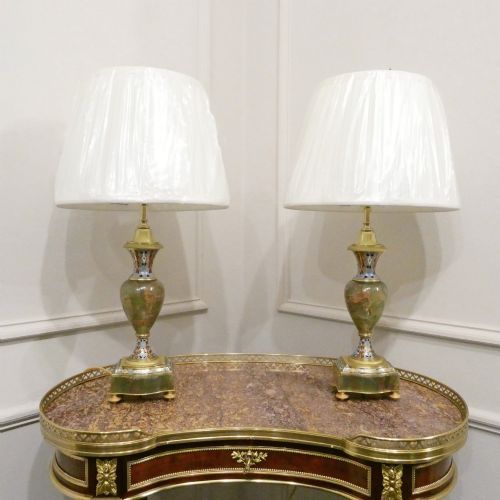
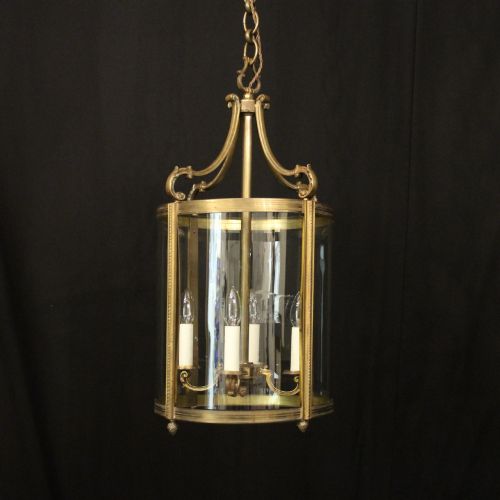
The functional forms reflect historical interiors, including hall lanterns designed for entryways, candelabra intended for mantelpieces, and table lamps adapted from earlier designs. Pieces often incorporate decorative motifs such as cherubs, floral garlands, ribbon twists, and classical urns. Whether sourced from the eighteenth century or produced during the revival periods of the late nineteenth and early twentieth centuries, these objects maintain traditional continental forms.
Materials and Technique
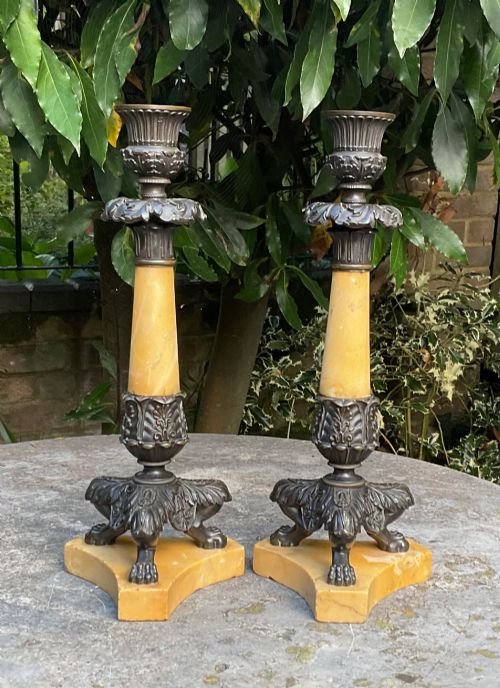
The construction of these pieces relies on cast bronze, often treated with surface gilding, ormolu, or patination to achieve varied tones. Many items combine metal structures with glass crystal drops, marble bases, or onyx inserts to enhance light reflection. Foundries utilised traditional sand-casting methods to form complex components, which were subsequently chased by hand to sharpen details.
Assembly involved joining individually cast branches, arms, and bobeches through mechanical fastenings or brazing. Chandeliers and wall lights frequently integrated rock crystal or moulded glass pendants suspended from wire pins. Surface finishes range from bright mercury gilding to warmer patinated bronze, depending on the period of manufacture.
Listings feature items dated from the 18th century through to the 1930s, spanning Regency, Rococo, and Neoclassical revivals.
Craftsmanship and Detail
The choice of secondary materials also separates categories, with heavy fire-gilded ormolu and clear, high-lead crystal pendants marking out the upper tier of production. Simpler brass or standard bronze pieces with plain surface treatments represent more utilitarian manufacturing. The structural integrity of multi-arm assemblies and the weight of the foundational casting determine the overall robustness of the piece.
Barbedienne·E Rousseau
The French Bronze Light Glossary
- Ormolu
- Gilded bronze, produced by applying a gold-mercury amalgam to a bronze base and heating it to drive off the mercury. This technique creates a durable, warm metallic surface found on many high-end fittings.
- Champleve
- An enamelling technique where troughs or cells are sunk into the surface of a metal object and filled with vitreous enamel before firing. It appears on decorative mounts and lamps alongside stone elements.
- Bobeche
- A small collar or disc fitted below the candle nozzle to catch dripping wax. In multi-arm chandeliers and candelabra, these components often feature matching cast decoration.
- Casting
- The process of pouring molten metal into a mould to form the primary shape of a lighting component. Hand-chasing typically follows this stage to refine the surface textures.
- Patination
- The natural or chemically induced surface coloration that develops on bronze over time. It provides a contrast to gilded highlights on period pieces.
French Bronze Light: Frequently Asked Questions
How do I clean a bronze light?
Dust surfaces gently with a soft brush to avoid disturbing the patination or delicate gilding. Avoid harsh chemical cleaners that strip historical finishes from the metal.
For crystal pendants, remove them carefully and wash them in warm soapy water before drying thoroughly. Reattach them using new wire pins if the original fastenings appear weakened.
Are these lights ready to install?
Many surviving fixtures require rewiring to meet current electrical standards before domestic installation. Check the interior channel and socket condition upon arrival.
Ceiling fixtures and wall lights generally need professional mounting to support their considerable weight safely. Ensure your installer uses appropriate fixings for the wall or ceiling substrate.
What is the difference between ormolu and gilt bronze?
Ormolu specifically denotes objects finished with mercury gilding, a traditional French technique common in the eighteenth and nineteenth centuries. The process produces a distinctive, deep golden lustre.
Gilt bronze is a broader term that includes any bronze object with a gold-coloured surface application. Modern or alternative electroplating methods also fall under this classification.
How do I date an antique chandelier?
Examine the mounting construction, screw threads, and casting seams for clues regarding manufacturing technology. Hand-cut threads and uneven components often point to earlier production periods.
Compare stylistic motifs against established design revivals like Louis XVI or Empire. Secondary materials such as cut glass style and marble type also help narrow the timeframe.