



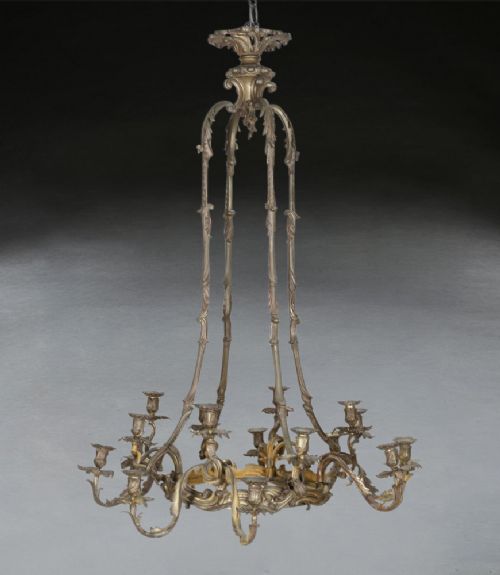

French Bronze Hall Pendant
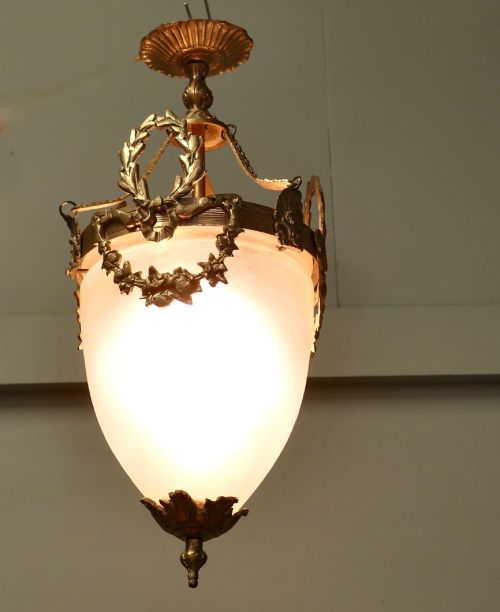
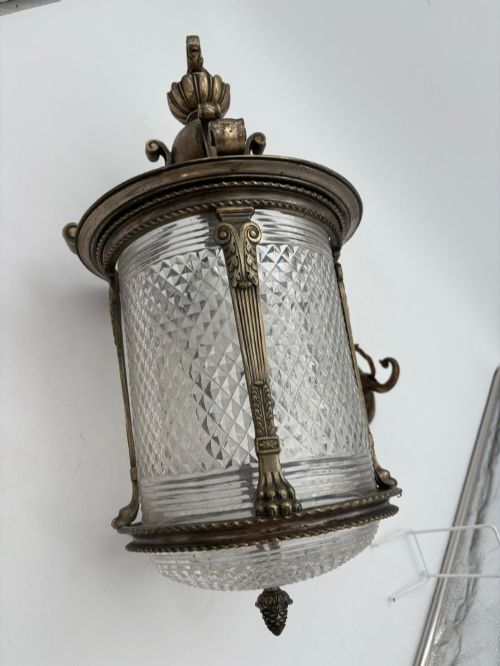
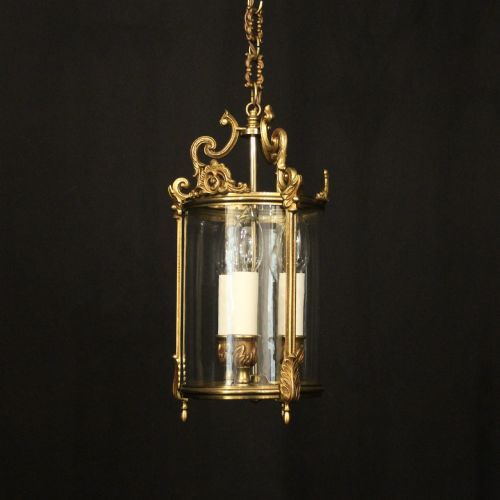
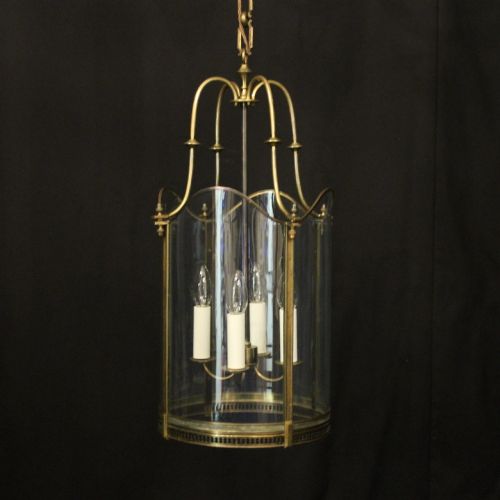
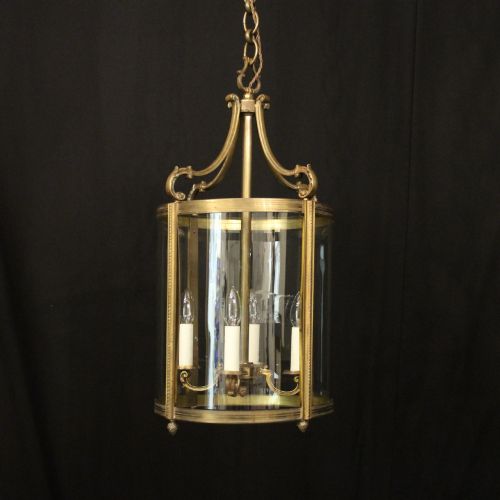
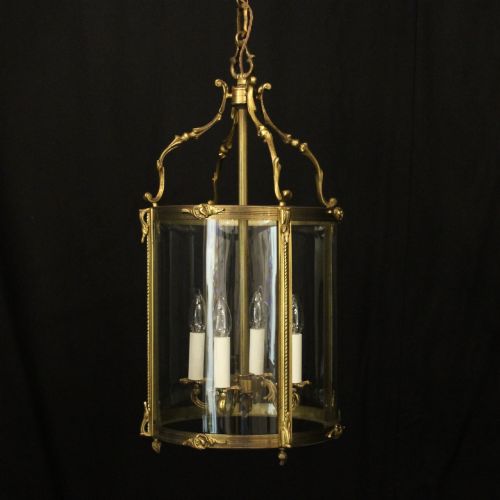
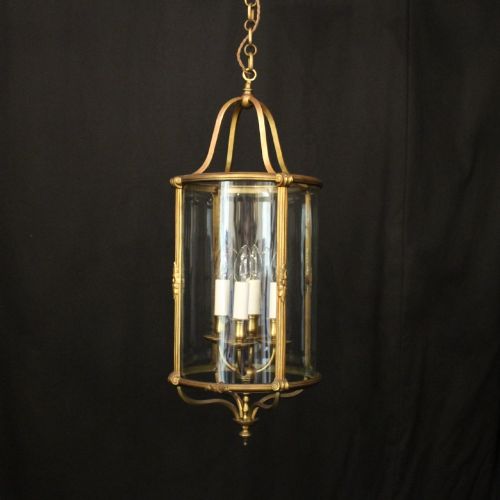
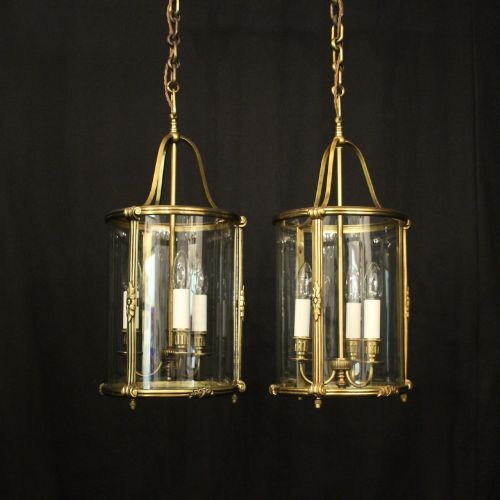
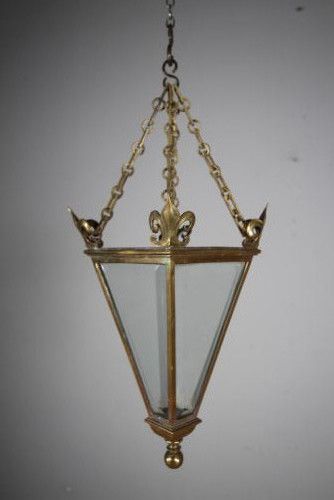
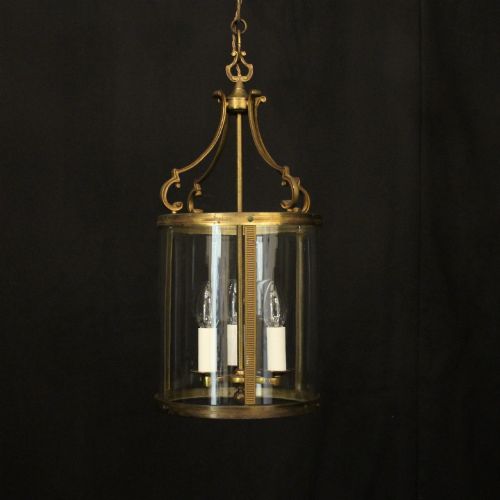
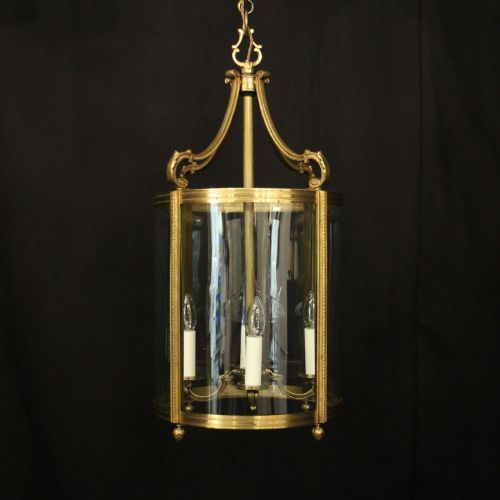
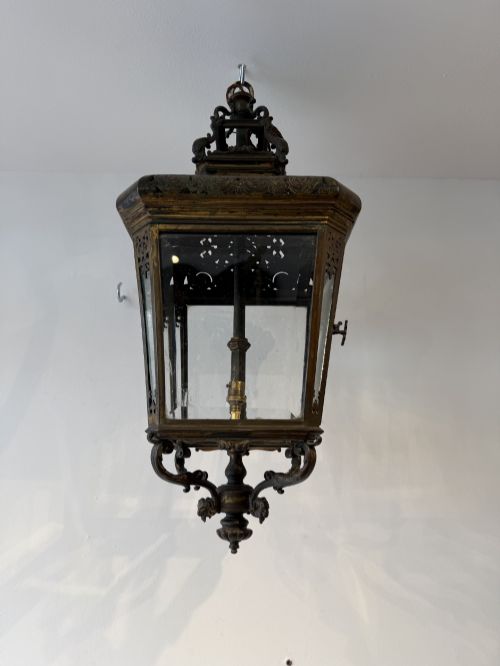
A french bronze hall pendant illuminates a narrow entrance with cast metalwork and glass panels.
French Bronze Hall Pendant
A french bronze hall pendant takes the form of an enclosed hanging lantern designed to illuminate entrance spaces, stairwells and corridors. These fixtures originate from various periods including the nineteenth century and the early decades of the twentieth century, aligning with Victorian, Edwardian and classical design movements.
The primary configurations on this page include hall lanterns, hanging lanterns and pendant lights fitted with multiple internal lights. Makers constructed these fixtures to hang securely from ceilings, casting light outward through glass panels held within metal frames.
Design vocabulary draws heavily on French Chateau, Neoclassical, Rococo and Louis XVI styles, incorporating decorative elements that reflect historic palace interiors. Many examples utilise convex or bevelled glass to diffuse illumination across entryways.
Distinctions in quality and execution
Quality in a french bronze hall pendant rests upon the crispness of the metal casting and the complexity of its decorative ornamentation. Finer examples display deeply chased foliate details, substantial metal weight and precise joinery across the frame.
The selection and treatment of the glass panels further differentiate the pieces, with bevelled or heavily cut panes demonstrating superior craftsmanship over plain flat alternatives. Additionally, original surface gilding or silvering preserved in sound condition elevates the execution of the piece.
French Bronze Hall Pendant Retail Price Guide 2026
Typical asking prices for french bronze hall pendant among the pieces listed under this phrase on Sellingantiques today, from the lower quarter to the upper quarter. They describe what is for sale here now, not the wider market.
Several lanterns on this page are explicitly styled after the grand illumination hardware once hung inside the Palace of Versailles.
Perry and Co
The French Bronze Hall Pendant Glossary
- Ormolu
- Gilded bronze produced by applying a mercury and gold amalgam to a bronze base, creating a rich golden surface finish. This technique was widely utilised in French decorative arts during the eighteenth and nineteenth centuries.
- Convex glass
- Curved glass panels shaped to project outward from the metal frame, softening the interior light and widening the optical spread. This form frequently appears on revival hall lanterns.
- Bevelled glass
- Glass panes featuring an angled edge ground along the perimeter to catch and refract light. This treatment adds a layer of formal refinement to the lantern design.
- Opaline glass
- A milky, translucent white glass used to diffuse illumination evenly without harsh glare. It appeared frequently in Victorian and Edwardian lighting configurations.
French Bronze Hall Pendant: Frequently Asked Questions
Where should I hang a french bronze hall pendant?
These fixtures suit entrance halls, high ceilings, stairwells and narrow corridors where overhead illumination is required. Their enclosed design protects the internal components from dust while directing light outward.
Ensure the hanging height allows adequate clearance beneath the lowest point of the pendant, particularly in spaces with standard ceiling heights.
How do I identify the period of a lantern?
Dating relies on examining the casting techniques, the style of the metalwork and the characteristics of the glass panels. Pieces reflecting Louis XVI or Rococo revival styles often date from the nineteenth century or the early decades of the twentieth century.
Makers' stamps, mounting fixings and screw types provide additional physical clues to establish the approximate era of manufacture.
Are these lanterns suitable for modern electrical systems?
Most antique lanterns are adapted to accept standard modern wiring and contemporary candle-style bulbs during restoration. It is advisable to have a qualified electrician inspect the internal lampholders and connections prior to installation.
Original multi-light clusters can typically accommodate sufficient wattage for functional hallway lighting.
What glass types are common on these pendants?
Common glass configurations include flat clear panes, bevelled edges, heavy cut glass and convex panels that bulge outward from the frame. Some examples utilise opaline glass to create a softer, diffused glow.
The choice of glass significantly alters how the internal bulbs cast shadows across surrounding walls.