

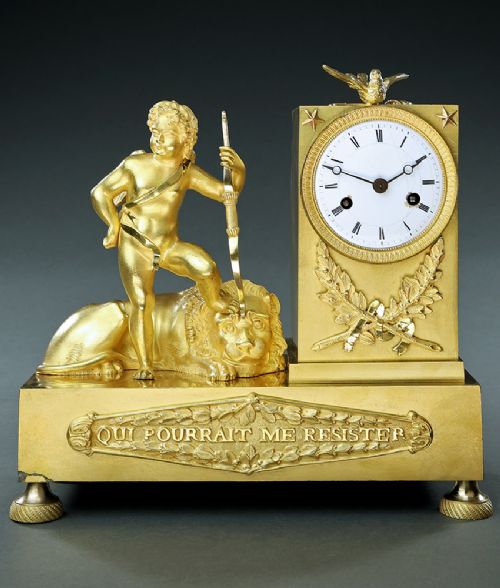


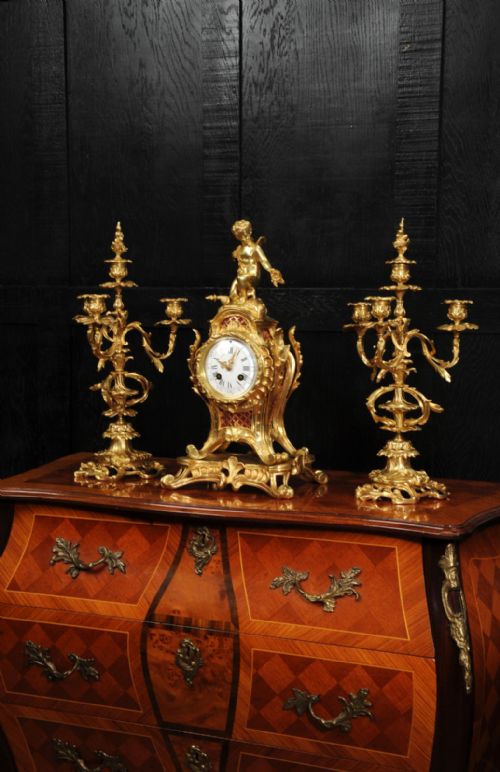


French Bronze Cupid
These french bronze cupid pieces capture classical mythology in cast metal, bringing 19th-century sculptural elegance and decorative presence to a room.
French Bronze Cupid
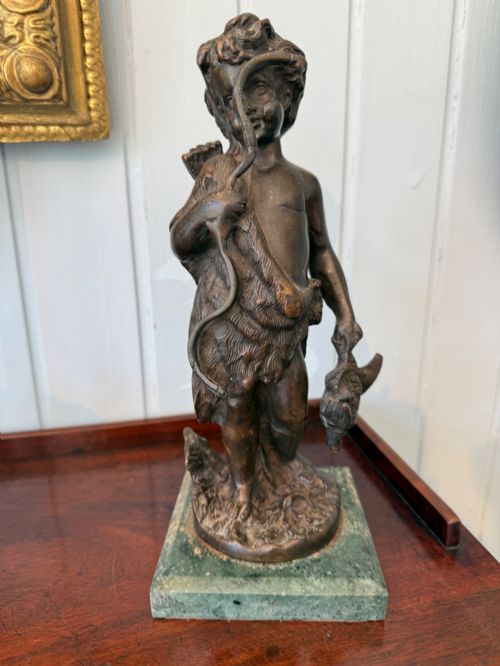
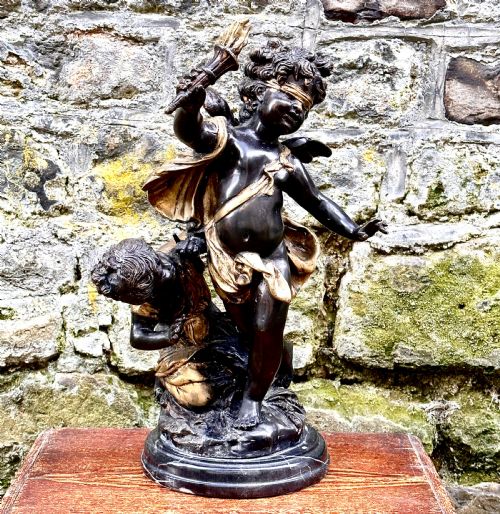
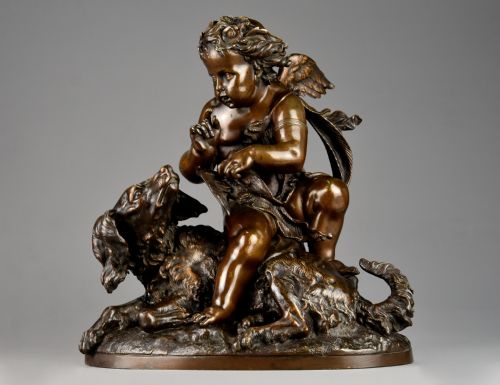
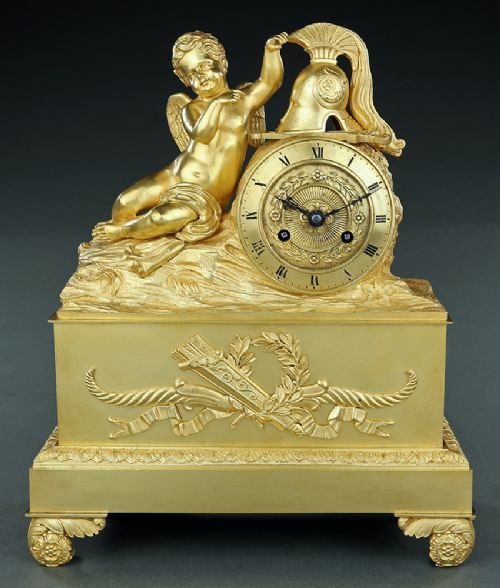
When you search for french bronze cupid, you encounter a range of nineteenth-century decorative metalwork depicting the winged classical deity of love. These pieces appear as standalone sculptures, monumental mantel clocks, and desk accessories.
The selections span figures with bows, putti with spaniels, and clock sets featuring neoclassical or rococo motifs. The nineteenth century yields the majority of these examples, encompassing various decades from the eighteen-fifties onward.
You also discover figures paired with other mythological subjects like Psyche, or seated upon bases of marble and wood. The diversity of forms ranges from miniature mantel clocks to large gallery statues.
Materials and Construction
Foundries utilised bronze, patinated bronze, and gilt ormolu to cast these figures, frequently mounting the metalwork onto red marble, white marble, or inlaid wood bases. The application of fire gilding or dark patination created the contrasting surfaces characteristic of nineteenth-century french metalwork.
Many sculptures bear the signatures of known artists and were produced by established Parisian foundries using traditional sand-casting methods. Clock mechanisms often incorporate silk suspension or chain fusee movements housed within the bronze cases.
French Bronze Cupid Retail Price Guide 2026
Typical asking prices for french bronze cupid among the pieces listed under this phrase on Sellingantiques today, from the lower quarter to the upper quarter. They describe what is for sale here now, not the wider market.
Listings feature 19th-century French bronzes, mantel clocks, and candlesticks incorporating marble, brass, and enamel.
Factors of Quality
The integration of the figure with its base and the presence of original gilding or patination elevate the standing of a piece. Signed works by noted sculptors demonstrate a higher degree of sculptural definition than anonymous studio productions.
Louis Auguste Moreau·Aug. Moreau·Ferrand·Clodion·Perigal and Duterrau·Vauthier·Thiebu Founders Paris
The French Bronze Cupid Glossary
- Ormolu
- Gilt bronze produced by applying a mixture of gold and mercury to a bronze base. This technique creates a rich golden finish seen on nineteenth-century clock cases and mounts.
- Putto
- A plump, winged infant figure frequently depicted in classical art. These cherubic motifs appear across many of the sculptural groups and clock garnitures.
- Patinated Bronze
- Bronze treated with chemical solutions to produce a darkened or coloured surface tone. This treatment highlights the contours of the cast figure.
- Silk Suspension
- A clock movement mechanism where the pendulum hangs from a silk thread rather than a steel spring. This method is common in mid-nineteenth-century timepieces.
- Grand Tour
- A cultural journey of Europe undertaken by wealthy young men in the eighteenth and nineteenth centuries. Souvenirs from these travels included small bronze classical figures.
French Bronze Cupid: Frequently Asked Questions
What periods do these pieces date from?
The majority of these objects originate from the nineteenth century, with specific examples recorded across the eighteen-fifties, sixties, seventies, eighties, and nineties. Some items date from around eighteen hundred, reflecting earlier neoclassical tastes.
Craftsmen and foundries active during the French Second Empire and Restoration periods produced many of the clocks and decorative sculptures found in this category.
How were french bronze cupid clocks used?
These timepieces served as functional mantel ornaments in nineteenth-century drawing rooms and libraries, combining timekeeping with classical sculpture. The clock movements told the time while the surrounding bronze figures presented allegorical themes such as love conquering all.
Clock sets frequently included matching candlesticks or side ornaments to create a balanced decorative arrangement on a fireplace mantel or console table.
How do I identify a signed bronze figure?
Signatures of artists or founders are typically cast directly into the bronze base or inscribed near the lower edge of the sculpture. Names such as Moreau or Ferrand appear on the metal surface alongside foundry stamps.
Examining the base of the sculpture often reveals these foundry marks or artist inscriptions, which provide context regarding the origin and production of the piece.
What materials accompany the bronze in these works?
Bronze and ormolu frequently combine with natural stones such as red marble and white marble to form substantial bases and clock housings. Inlaid wood and enamel dials also appear within clock sets and desk accessories.
These mixed-media constructions provide stability and contrast, setting off the dark patinated or bright gilt surfaces of the figures.