



French Bronze Chenets
French bronze chenets are heavy hearth furnishings that anchor a fireplace with metalwork and gilt, which is why collectors seek them to finish period rooms.
French Bronze Chenets
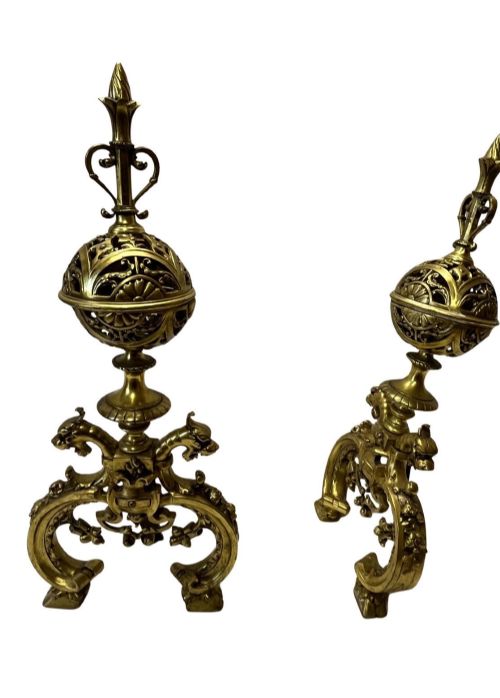
When you search for french bronze chenets, you encounter heavy hearth furniture designed to hold logs above the hearth floor. The selection on this page centres on pairs of fireplace accessories that appear under various designations including andirons, fire dogs and fire tool rests. These pieces date from the eighteenth century through the nineteenth century, encompassing Regency and Victorian periods.
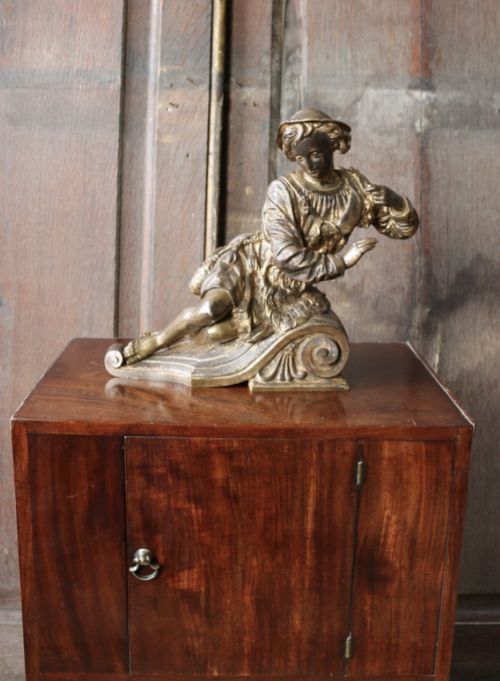
The prevailing forms on this page draw heavily upon French Rococo, Louis XV, Louis XIV and Neoclassical styles. You meet pairs featuring figural statuettes, cherubs, rampant lions and scrollwork mounts alongside adjustable fender forms. Most examples combine heavy cast metal bodies with decorative uprights intended for formal drawing room hearths.
Makers and workshops produced these items to sit at the front of the hearth floor, often accompanied by matching fenders or grates. The designs range from simple cast iron or brass frames to elaborate multi-part constructions in ormolu and patinated bronze. Each pair reflects the prevailing taste for French chateau interiors across different decades of manufacture.
Standards of execution
The preservation of the original mercury or fire gilt surface dictates much of the visual appeal. Examples that retain deep, even ormolu without extensive rubbing or modern paint touch-ups command greater interest. Furthermore, the complexity of the design, such as multi-figure compositions or fully articulated statuary, distinguishes high-end commission work from standard production items.
French Bronze Chenets Retail Price Guide 2026
Typical asking prices for french bronze chenets among the pieces listed under this phrase on Sellingantiques today, from the lower quarter to the upper quarter. They describe what is for sale here now, not the wider market.
Materials recorded across the inventory include bronze, ormolu, gilt bronze, iron, patinated bronze, cast brass, cast iron and gilt brass.
The French Bronze Chenets Glossary
- Chenet
- The traditional French term for an andiron or fire dog used to support logs in an open fireplace. These ornamental metal supports sit at the front of the hearth.
- Ormolu
- Gilt bronze produced by applying a finely ground mercury and gold amalgam to a bronze object and heating it to drive off the mercury. This technique creates a durable, warm golden finish characteristic of French decorative arts.
- Patinated bronze
- Bronze that has been chemically treated to alter its surface colour, usually producing dark brown, green or black tones. This contrasts with the bright reflective quality of gilt sections.
- Andiron
- A horizontal iron bar supported on legs with a decorative vertical front, used in pairs to hold firewood. They appear frequently under names such as fire dogs and chenets.
- Fender
- A low metal guard placed around the hearth to contain sparks and ash. Some listings include adjustable fender forms that link directly to the chenets.
French Bronze Chenets: Frequently Asked Questions
What is the difference between chenets and andirons?
Chenets are the French equivalent of andirons, serving the same functional purpose of holding logs above the hearth floor.
In marketplace listings, the terms are often used interchangeably, though items described as chenets frequently exhibit more decorative French styling.
How do I date a pair of chenets?
Dating relies on stylistic clues such as the asymmetrical scrollwork of Rococo revival pieces or the formal symmetry of Neoclassical and Empire designs.
Material composition, casting quality and the type of finish also help place a pair within the eighteenth or nineteenth century.
Can these be used in a working fireplace?
Many pairs are robustly constructed from cast iron and bronze, making them suitable for supporting wood fires in active hearths.
However, delicate ormolu surfaces and fire gilding require careful placement to avoid heat damage or soot accumulation.
Why do some chenets include adjustable bars?
Adjustable components allowed nineteenth-century homeowners to fit the fireplace accessories to varying hearth widths and coal grates.
This mechanical flexibility ensures the decorative fronts align properly with fenders and fire baskets.