

French Bronze Ceiling Light
When you search for a french bronze ceiling light, you are looking at substantial metalwork designed to illuminate historic rooms from above.
French Bronze Ceiling Light
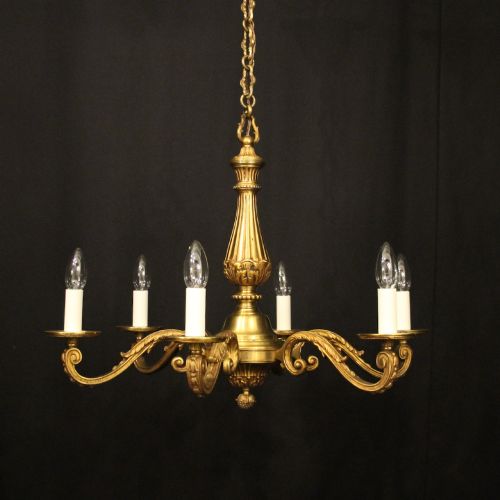
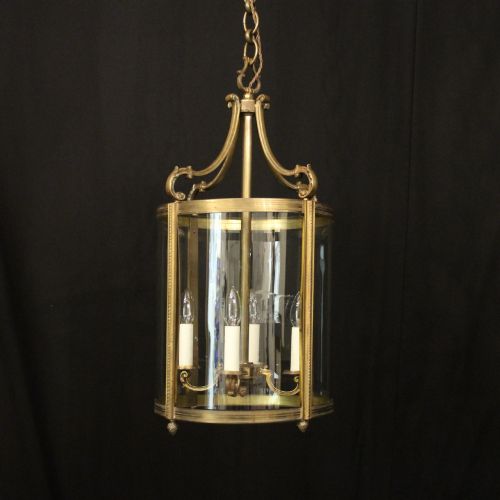
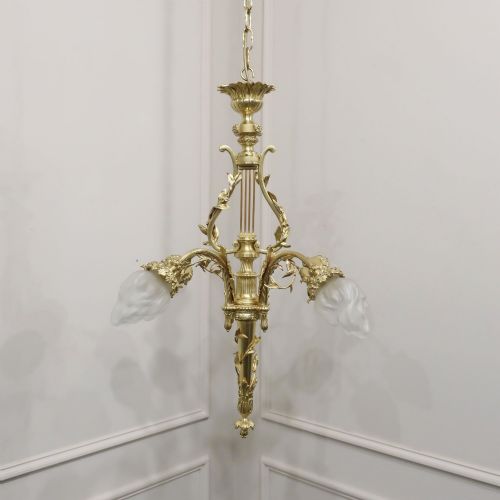
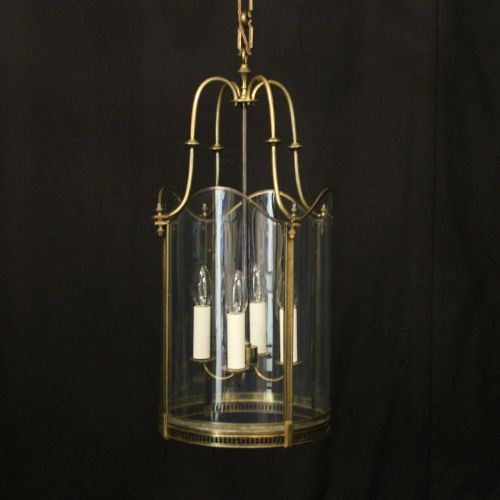
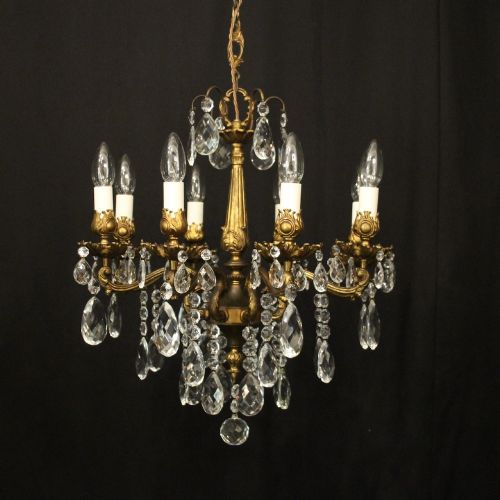
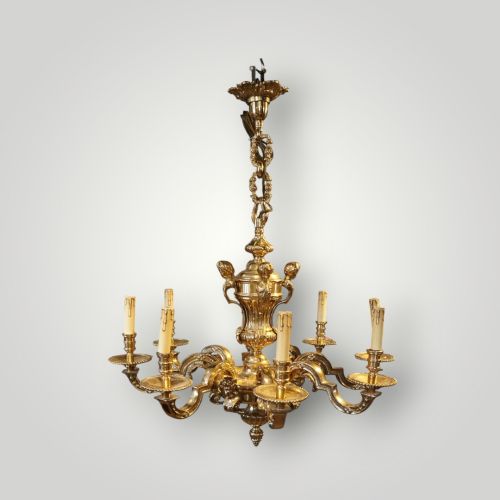
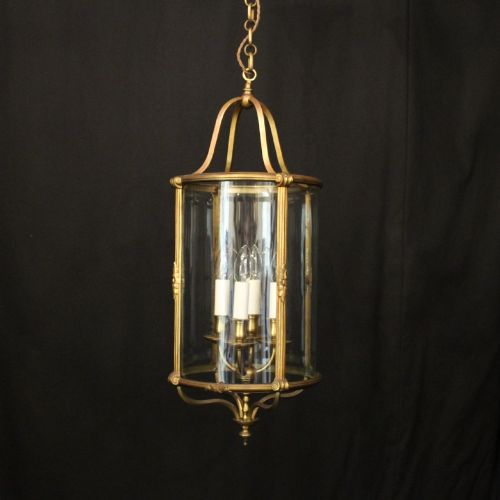
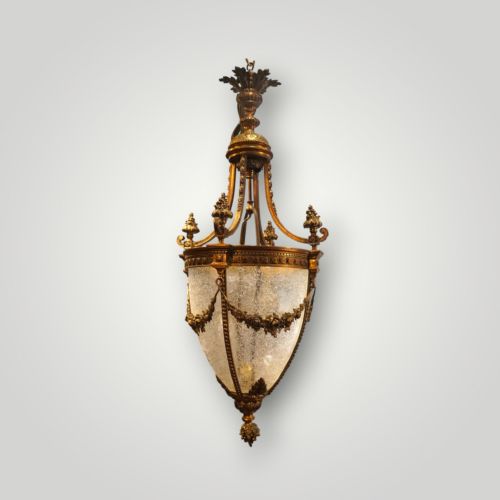
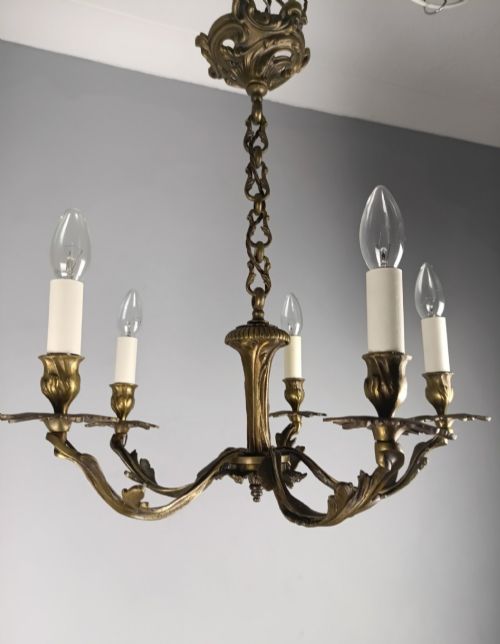
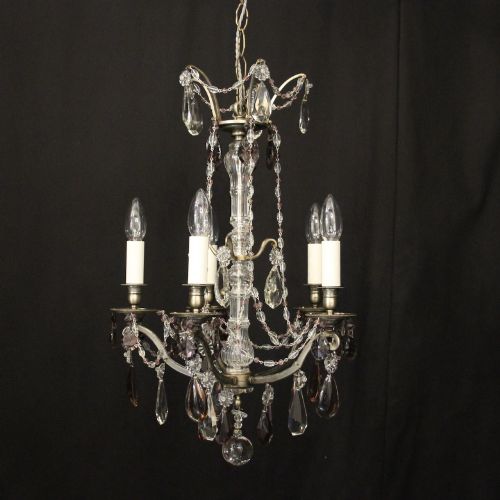
A french bronze ceiling light typically takes the form of a chandelier, a hall lantern, or a hanging pendant designed for domestic interiors. These fixtures emerge from periods spanning the nineteenth century through the early decades of the twentieth century, reflecting classical and revival aesthetics.
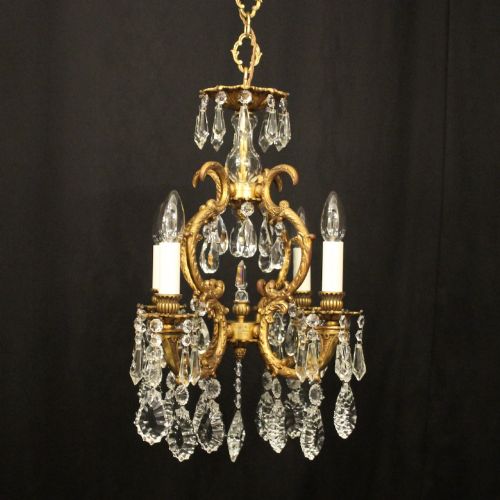
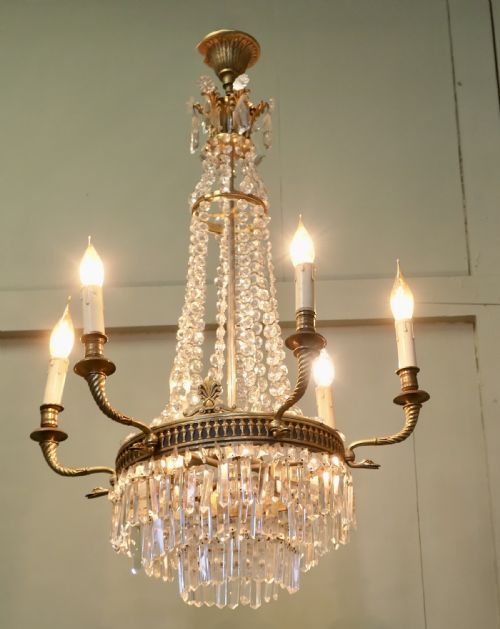
The objects seen here range from multi-armed chandeliers adorned with crystal drops to enclosed convex lanterns and gilt sconces. Pieces often align with stylistic categories such as Louis Revival, Empire, Neoclassical, and Rococo.
Makers and designers worked within distinct regional traditions, predominantly French, utilising bronze, gilt bronze, brass, and glass to create functional illumination that doubled as decorative focal points.
How they were made
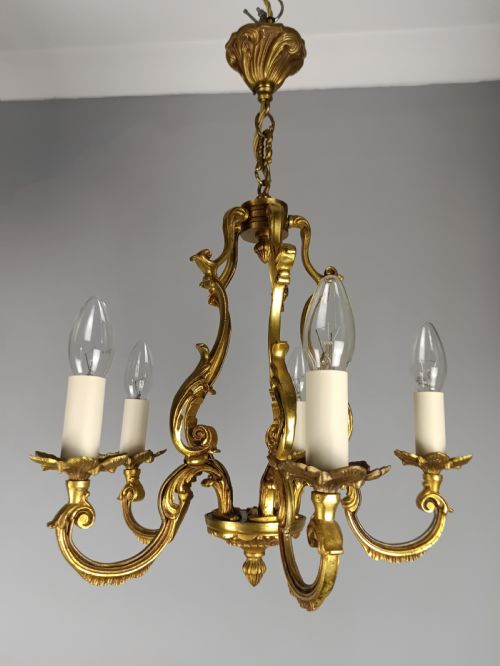
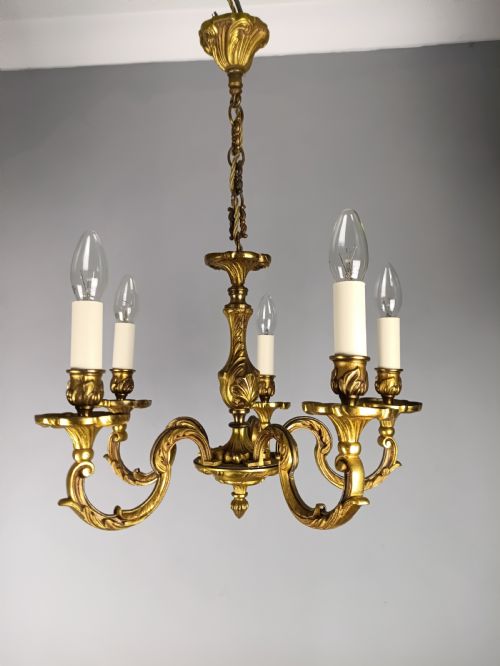
The primary construction of these fixtures relies on cast bronze or brass, shaped into arms, frames, and decorative mounts. Metal surfaces are frequently gilded or silver-gilt, adding reflective quality to the bronze body.
Many lights incorporate cut glass and crystal drops, arranged in tent and waterfall configurations or suspended as individual spikes and icicles. Alabaster and specialised glass shades also appear, paired with metalwork through fitted fixings.
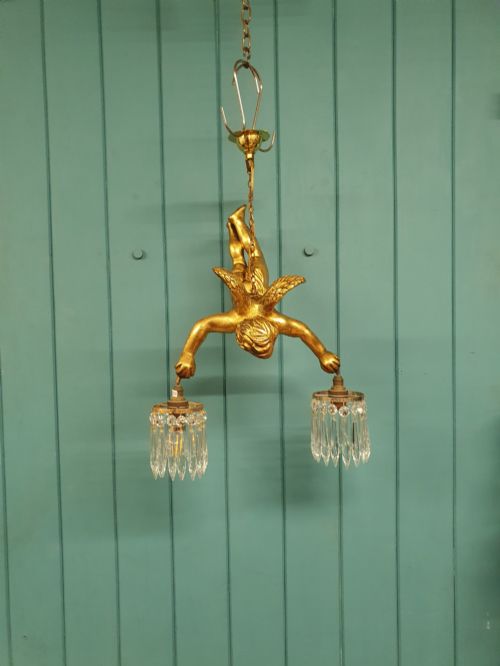
Flying cherubs and plump putti frequently dangle from the arms of these chandeliers, supervising the room from above.
What varies in quality
Quality in these lighting fixtures reveals itself in the crispness of the metal casting and the depth of the chasing on the bronze surface. Finer examples display sharply defined ornament, such as naturalistic leaf decoration or figural putti, rather than softened contours.
The grade of the associated glass and crystal components differentiates the production standards. High-tier pieces employ heavy, hand-cut crystal drops with clean facets that refract light distinctly compared to simpler moulded glass.
G.E.C
The French Bronze Ceiling Light Glossary
- Chandelier
- A branched ceiling-mounted lighting fixture designed to hold multiple light sources. These often incorporate cascading crystal drops and decorative arms.
- Gilt Bronze
- Bronze metal coated with a thin layer of gold, historically applied through fire-gilding or electroplating. This finish prevents tarnishing and provides a bright golden appearance.
- Hall Lantern
- An enclosed hanging light fixture, frequently convex in shape, designed for entryways and corridors. They combine metal frames with glass panels.
- Tent and Waterfall
- A configuration of crystal drops where strings form a tent shape above and a cascading waterfall effect below. This style creates dense light refraction.
- Plafonnier
- A ceiling-mounted light fixture that sits flush or very close to the ceiling surface rather than hanging on a suspension chain.
French Bronze Ceiling Light: Frequently Asked Questions
How do I hang a heavy antique chandelier safely?
Hanging a heavy fixture requires securing the primary weight directly to the ceiling joist using an appropriate steel hook or bracket rather than relying on plaster alone.
Consulting a qualified electrician ensures the wiring supports the electrical load of multiple candle arms safely.
What is the difference between bronze and gilt brass?
Bronze is a durable copper alloy that forms a dark natural patina over time if left unsealed. Gilt brass uses a brighter yellow base metal treated with a gold-coloured surface coating.
Both materials were utilised extensively in French lighting to achieve different surface textures and visual weights.
Were these lights originally electrified?
Most surviving fixtures from the nineteenth and early twentieth centuries were adapted from gas or candle power to electricity during their working lives. Original wiring is rarely intact on older pieces.
Rewiring is standard practice to meet contemporary safety standards while preserving the historic metalwork.
How do I identify a Louis Revival piece?
Louis Revival lighting borrows decorative motifs from the reigns of Louis XV and Louis XVI, such as scrolling foliage, asymmetrical curves, and neoclassical urns. These pieces were often produced later in the nineteenth century.
Examining the casting style and metal composition helps distinguish nineteenth-century interpretations from eighteenth-century originals.