
Vintage Crystal Ceiling Light
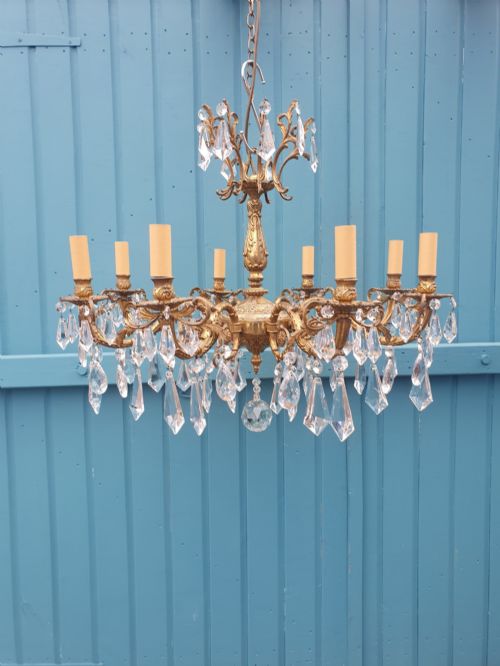
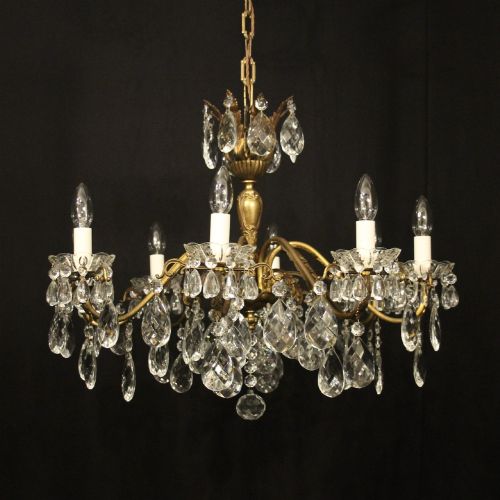
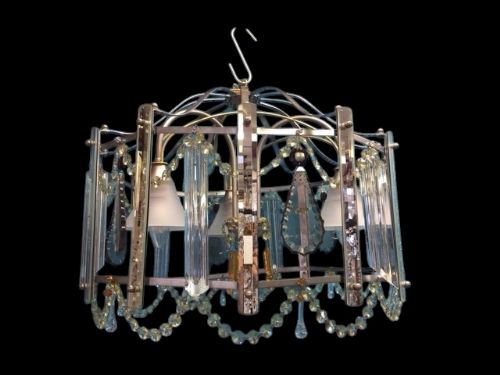
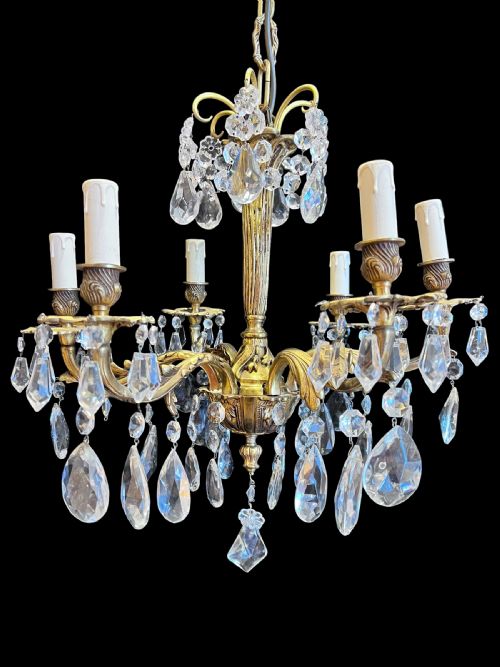
A vintage crystal ceiling light brings dramatic illumination and refractive sparkle to a room, drawing the eye upward with historic presence.
Vintage Crystal Ceiling Light
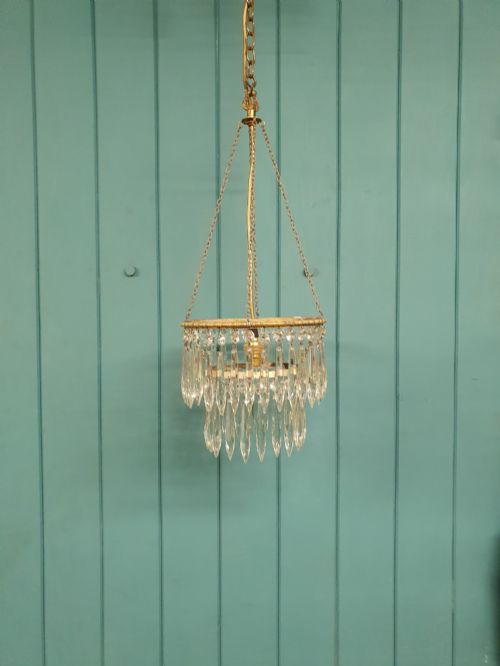
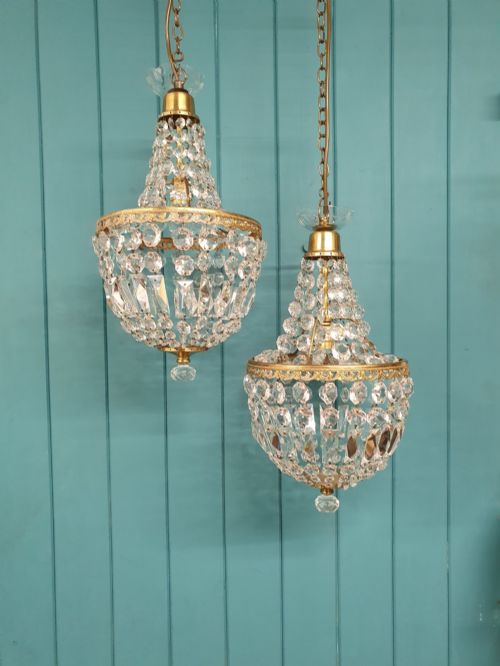
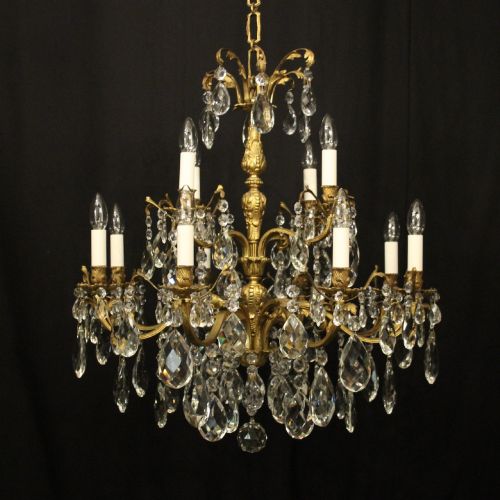
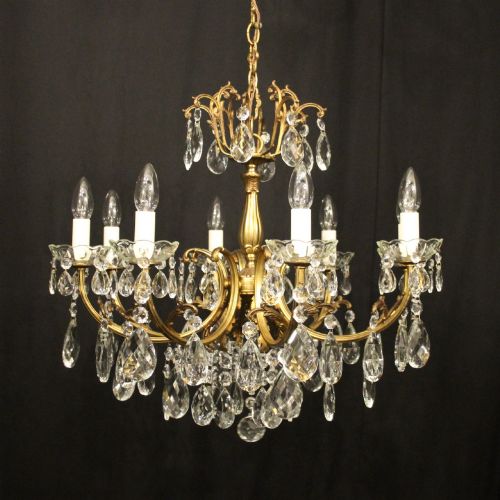
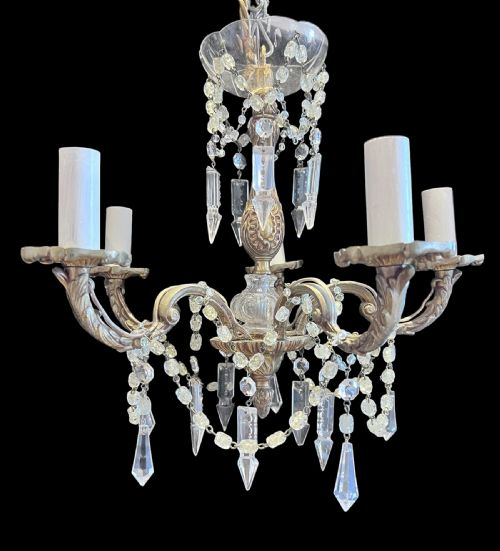
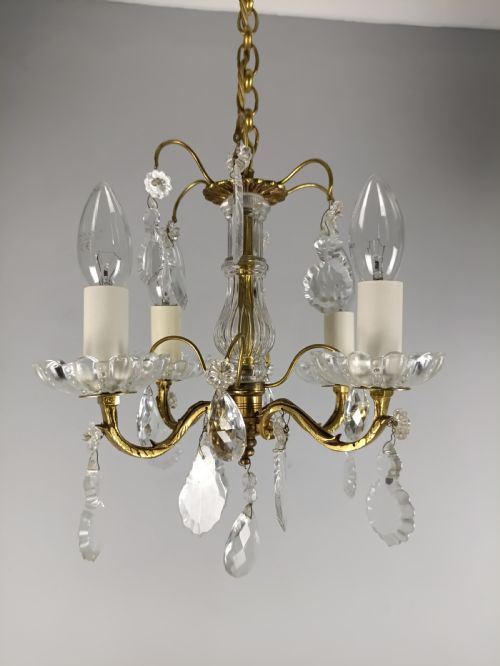
A vintage crystal ceiling light brings together historic illumination and hanging glass work across periods from the nineteenth century into the twentieth. These pieces arrive in forms ranging from compact domes and plafonniers to multi-armed chandeliers styled after French Empire, Louis Revival, and Italian Florentine traditions.
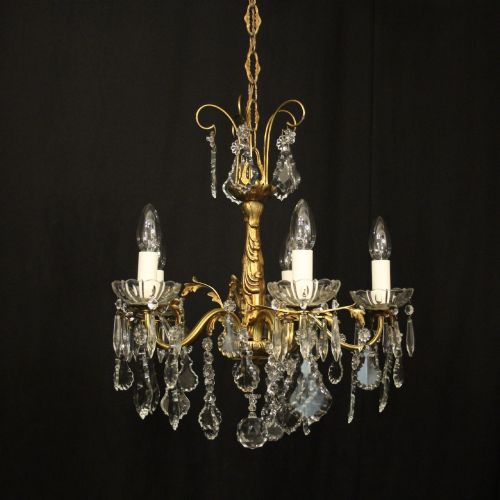
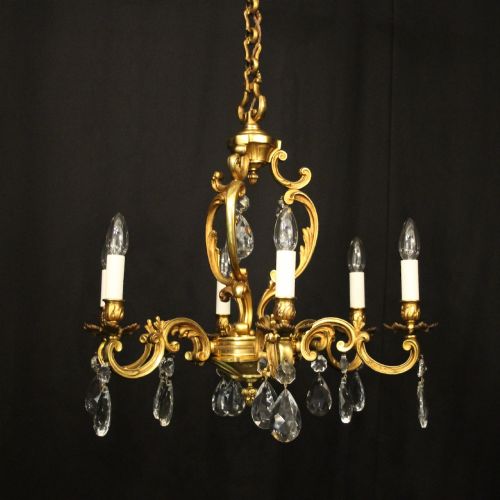
Buyers seeking this phrase encounter brass, bronze, and gilt metal frames hung with cut glass, crystal lustres, and prism drops. The selections span Edwardian hallway fittings up to large ballroom chandeliers holding numerous lights.
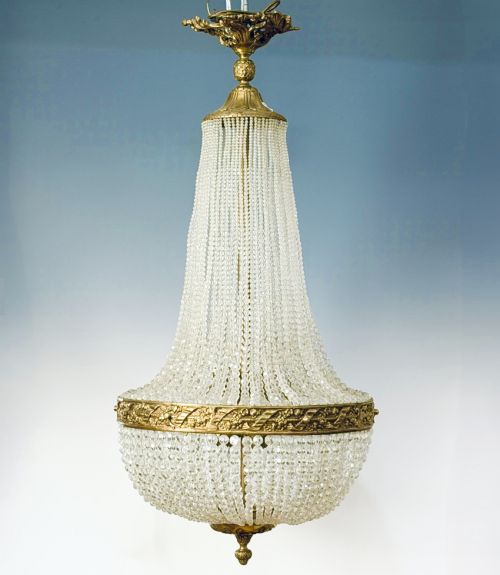
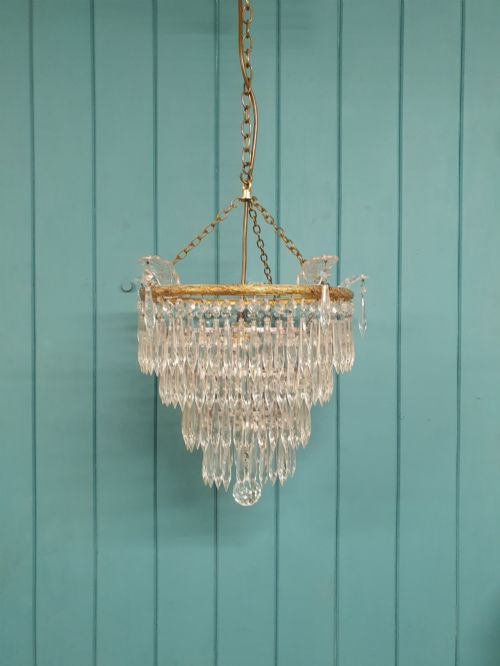
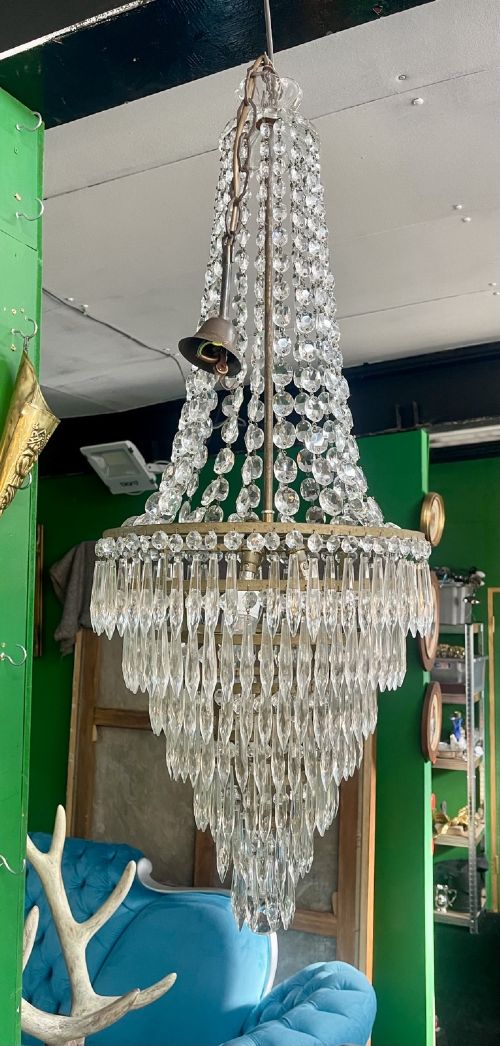
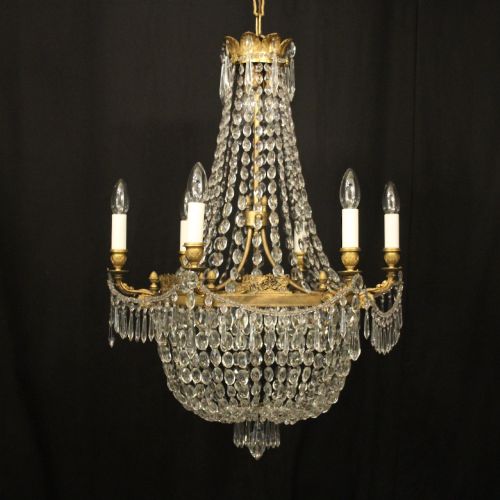
French and Italian designs dominate the selection, often incorporating decorative elements such as cherubs, porcelain flowers, and elaborate tent and waterfall configurations. Smaller ceiling lights sit flat against the plaster, while grander multi-tier examples demand substantial ceiling height.
How they were made
Makers constructed the structural framework of these ceiling lights using cast brass, gilded bronze, spelter, and silver-plated metals. These sturdy skeletons support the weight of numerous glass arms and heavy pendant arrangements.
The decorative hanging elements rely on cut glass and crystal, shaped into prisms, beads, coffin drops, and lustres. Artisans wired these individual glass components to the metal frames using small brass pins and wire loops.
Listings feature pieces from the 19th Century, Edwardian period, 1900, 1910, 1920, and 1930.
What varies in quality
The standard of metalwork and the precision of the glass cutting determine the distinction between ordinary and exceptional examples. Superior frames show crisp casting detail in elements like gilt bronze mounts and cherub figures.
The clarity and weight of the crystal components dictate how effectively the light refracts across the room. Richly cut prisms and complete matching lustres elevate the visual harmony of the entire piece.
The Vintage Crystal Ceiling Light Glossary
- Lustre
- A cut glass pendant hung from a chandelier to reflect and multiply the light. Lustres swing gently from the arms and crown of the fixture.
- Tent and waterfall
- A chandelier configuration where strings of crystal beads form an upper tent shape above a cascading lower tier of prisms. This arrangement creates a dense curtain of sparkling glass.
- Spike chandelier
- A fixture design featuring upward-pointing glass or metal spikes surrounding the central stem. These pieces often date from the early twentieth century.
- Coffin prism
- A long, flat-faced glass drop shaped like a coffin, commonly hung from Edwardian and later fixtures. They catch the light with broad, clean flashes.
Vintage Crystal Ceiling Light: Frequently Asked Questions
How do I hang a heavy antique chandelier safely?
Suspension requires fixing directly into ceiling joists or installing a heavy-duty steel hook capable of holding the combined weight of the metal frame and glass components.
Electrical wiring must connect through a suitable ceiling rose, and professional installation ensures the fixture hangs securely at the correct height for the room.
What is the difference between a plafonnier and a chandelier?
A plafonnier mounts directly against the ceiling surface as a dome or bowl, making it suitable for rooms with lower ceiling heights.
By contrast, a chandelier suspends downward on a chain or stem with multiple arms and hanging crystal drops, requiring more vertical space.
How do I clean the crystal on an old ceiling light?
Cleaning involves washing individual glass drops in warm water with a mild detergent while the pieces remain attached or after careful removal.
Using a soft cloth prevents scratching the historic glass and preserves the bright refractive quality of the cut surfaces.
What periods do these vintage ceiling lights come from?
The available lighting spans the Edwardian era, the 1910s, 1920s, and 1930s, alongside nineteenth-century examples.
Stylistic influences from French Empire, Louis Revival, and Italian Florentine periods shape the decorative details across these decades.