


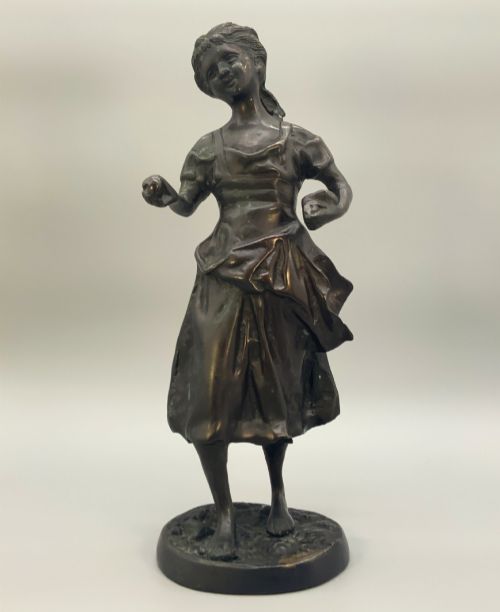
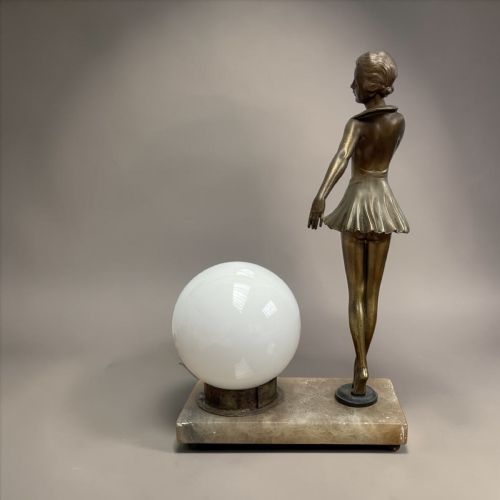
French Bronze Art Sculpture
French bronze art sculpture captures the elegance of nineteenth-century foundry work and twentieth-century modernism, offering enduring decorative focus for interiors.
French Bronze Art Sculpture
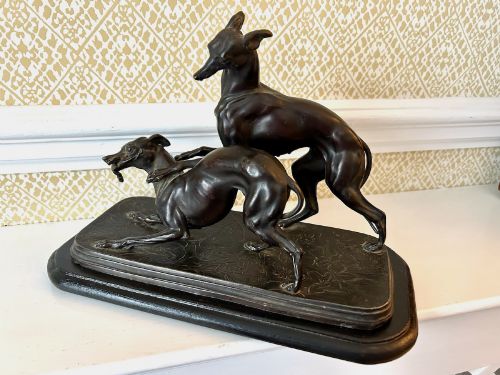
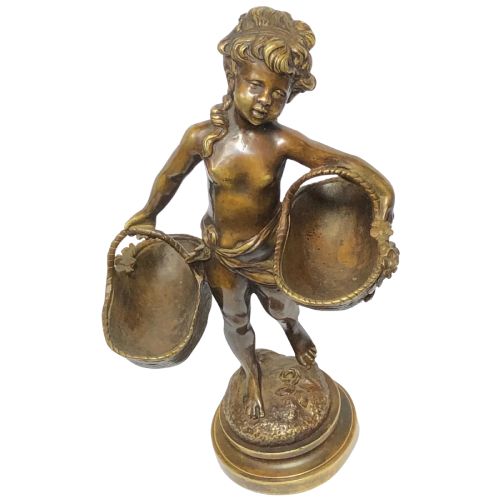
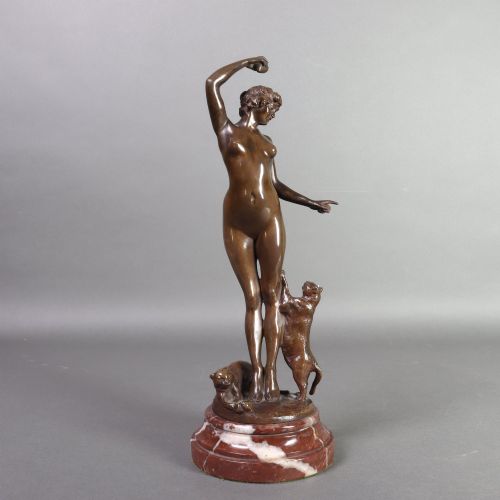
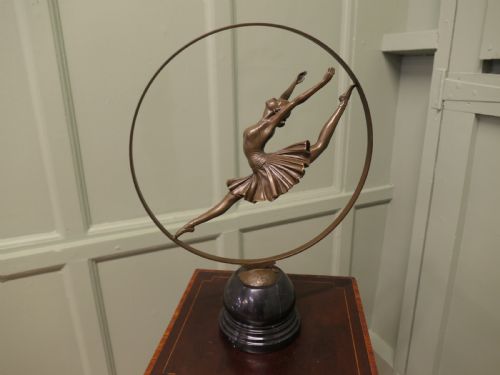
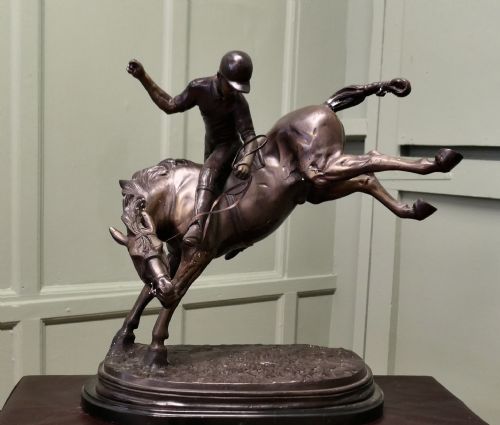
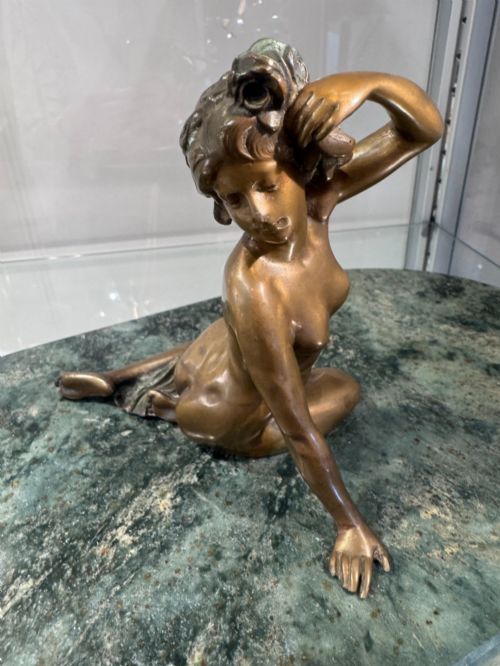
When hunting for a French bronze art sculpture, buyers encounter a wide spectrum of figurative and decorative forms spanning the nineteenth and twentieth centuries. These works range from classical mythological figures and nineteenth-century realist studies to sinuous Art Nouveau maidens and streamlined Art Deco dancers and animals.
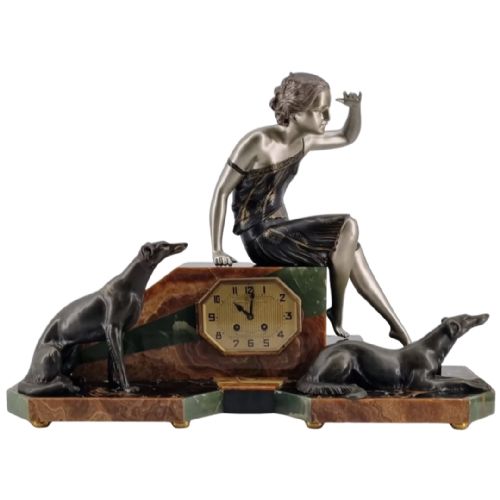
The objects themselves vary widely in scale and utility, appearing as standalone gallery statues, monumental floor figures, mantel clocks, and functional items such as inkwells and table lamps. Many pieces are mounted directly onto contrasting plinths made of marble, onyx, or slate.
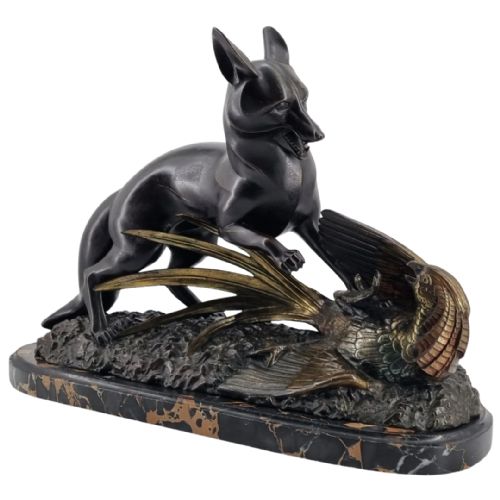
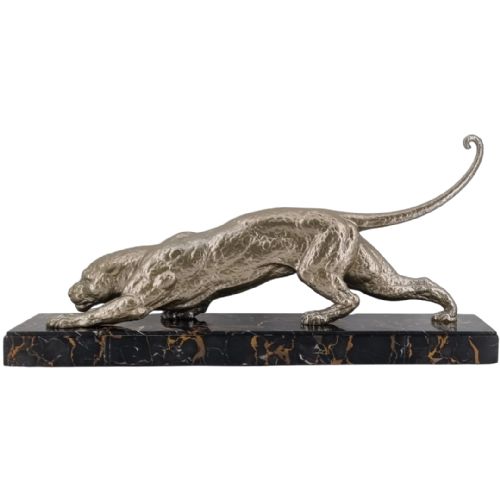
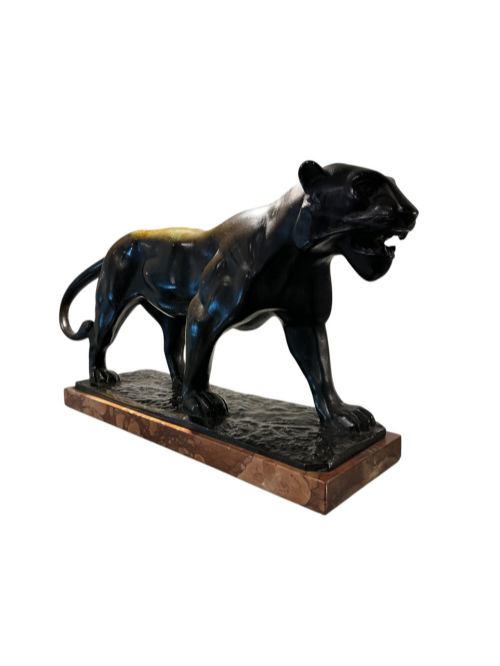
Art Deco panther and bird studies share space with graceful Art Nouveau busts and figures produced across the Belle Epoque. The material record also includes alternative metallic compositions such as spelter and silvered bronze alongside standard cast bronze.
How They Were Made
Foundries utilised traditional lost-wax casting and sand-casting methods to achieve precise detail in metal figures, which were subsequently hand-finished with chisels and files. Surfaces received patination through chemical treatments or cold-painted pigments to produce varied tones, while others were treated with gold gilding or silvering.
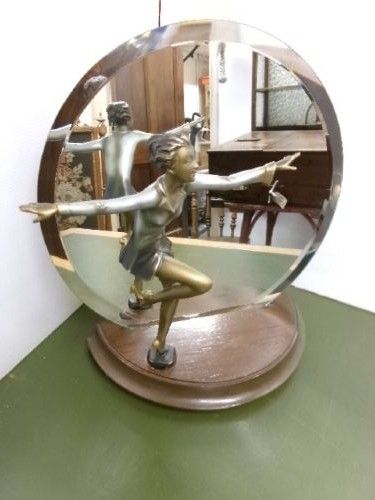
Many figures incorporate natural stone bases, utilising heavy materials like marble or onyx to anchor the metallic compositions securely. Glass elements and wooden components also appear alongside metal in decorative lamp bases and mixed-media groups.
Listings feature works spanning from the nineteenth century through the Art Nouveau, Belle Epoque, and Art Deco periods.
What Varies in Quality
Quality in these castings is primarily determined by the crispness of the chasing and the depth of the hand-finishing after the metal leaves the mould. Superior examples retain sharp facial expressions, distinct drapery folds, and clean feather or fur texturing without soft edges or visible seam lines.
The choice of base material and the harmony between the metal figure and its marble or onyx plinth heavily influence the overall standard of the piece. Well-executed patination and original cold-painted surfaces that remain vibrant and intact distinguish higher-tier workshop output from simpler commercial castings.
Pierre le Faguays·Moreau Family·Emmanuel Villanis·Emile Carlier·Alexandre Ouline·Mathurin Moreau·Demetre Chiparus·Henri Godet·Jules Dalou·Georges Van Der Straeten·Julien Lorieux·Georges-Charles Coudray·Sibylle May·Irénée Rochard·André Vincent Becquerel·Edouard Drouot
The French Bronze Art Sculpture Glossary
- Patinated Bronze
- Bronze treated with chemical solutions to produce a specific surface colour or aged tone. This protective and decorative layer defines the visual mood of the sculpture.
- Spelter
- A zinc alloy frequently utilised as a less expensive alternative to bronze during the nineteenth and twentieth centuries. It is often painted or bronze-finished to mimic true metalwork.
- Lost-Wax Casting
- A manufacturing process where a wax model is melted out of a mould to create a cavity for molten metal. It permits intricate undercut details and unique sculptural forms.
- Ormolu
- Finely ground high-carat gold mercury-gilded onto a bronze base. This technique produces a rich golden sheen characteristic of decorative French metalwork.
French Bronze Art Sculpture: Frequently Asked Questions
How do I identify a spelter figure from bronze?
Spelter is significantly lighter than bronze and often reveals a greyish or silvery metal underneath worn areas of surface paint. True bronze possesses a heavier weight and a warm reddish or golden undertone where the metal is exposed.
Foundry marks and chiselling detail also help distinguish genuine cast bronze from mass-produced alloy alternatives. The crispness of the tooling provides a reliable indicator of the material composition.
What is cold painted bronze?
Cold painted bronze refers to sculptures decorated with unfired oil or enamel paints applied directly to the metal surface. This technique was widely utilised to bring vibrant polychrome colour to dancers, birds, and Orientalist figures.
Because the paint is not baked on at high temperatures, these surfaces require careful handling to prevent flaking. Surviving original paintwork significantly enhances the character of the piece.
Why are marble bases used on these sculptures?
Marble, onyx, and slate bases provide necessary physical stability and weight to balance cantilevered figures like leaping panthers or dancing women. Different geological varieties, including green Verde marble and dark Portoro, were selected to complement the metal patination.
These stone plinths also served an aesthetic purpose, lifting the artwork visually from the furniture surface. The integration of stone and metal became a hallmark of twentieth-century decorative design.
How can I tell Art Nouveau from Art Deco pieces?
Art Nouveau works feature organic, flowing lines inspired by natural forms such as whipping plant tendrils, unfolding flower petals, and sweeping hair. The subjects are frequently mythological figures, draped maidens, and elegant portraits.
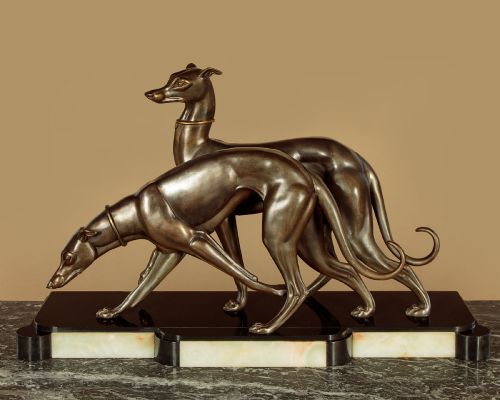
Art Deco sculptures display streamlined, geometric forms with stylised figures, sharp angles, and modern subjects like athletes and sleek panthers. The transition reflects a shift from sinuous floral curves to industrial modernity.