
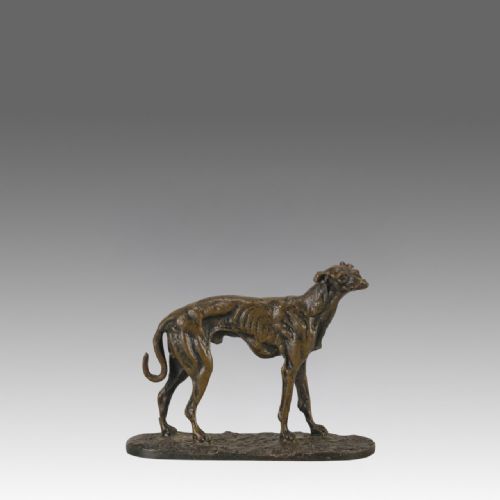
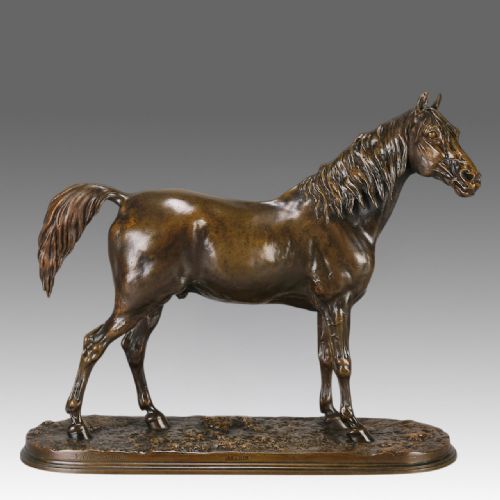


French Bronze Animal Statue
When you search for a french bronze animal statue, you enter the muscular and observant world of nineteenth-century and twentieth-century animalier sculpture.
French Bronze Animal Statue
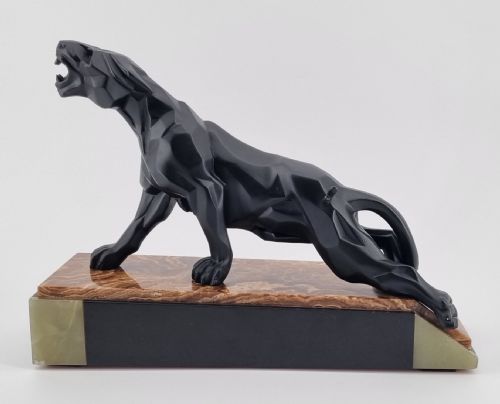
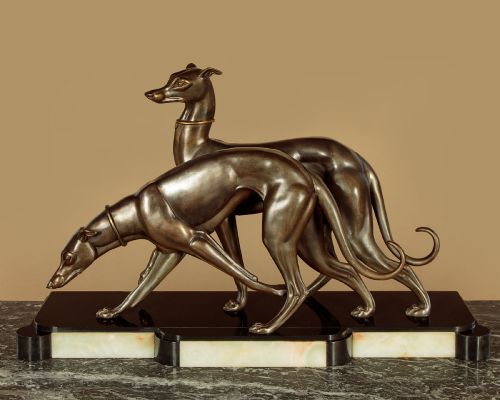
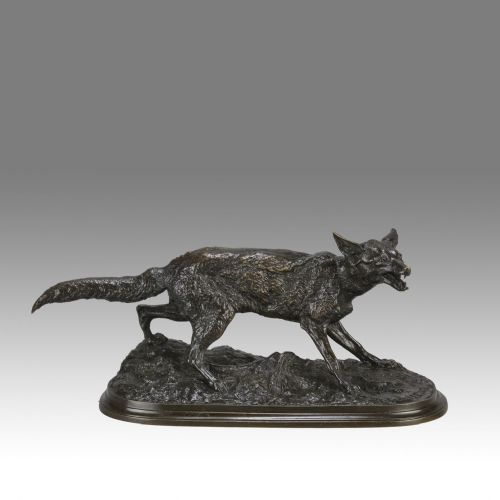
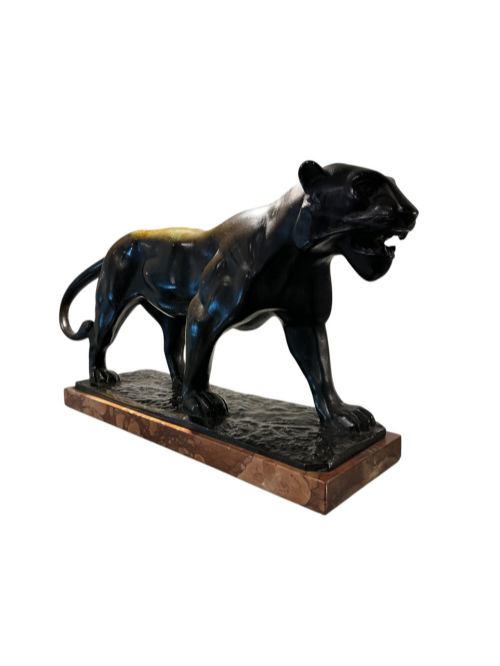
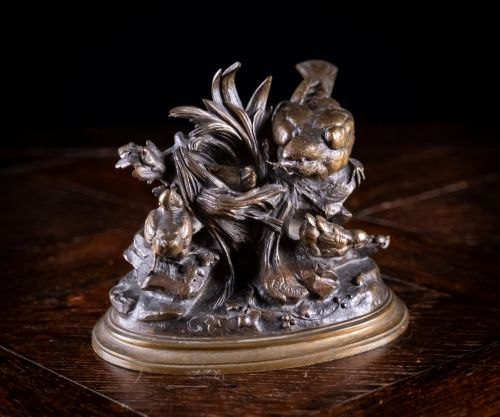
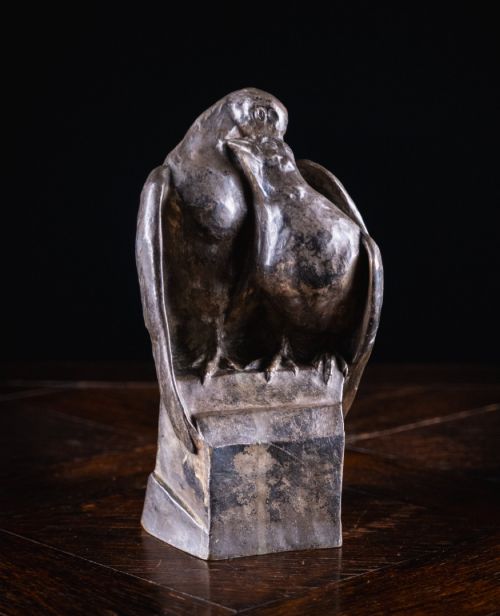
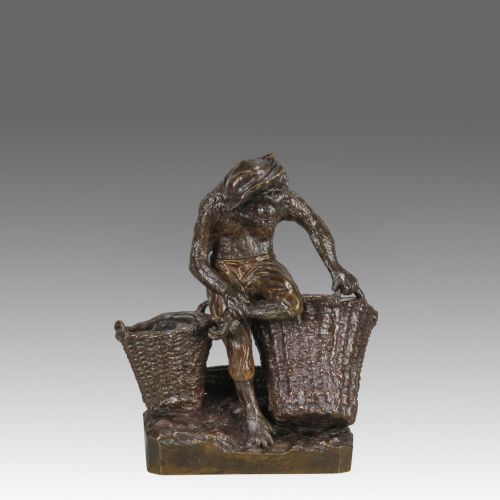
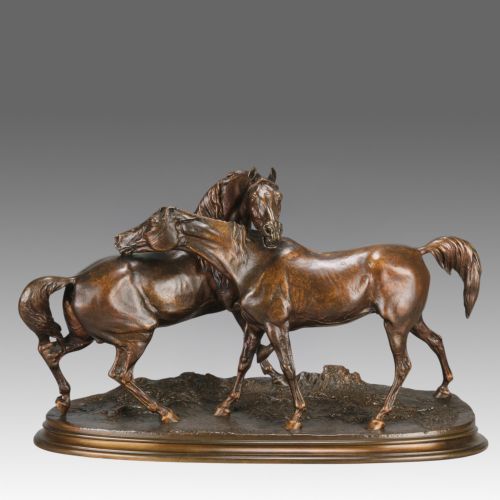
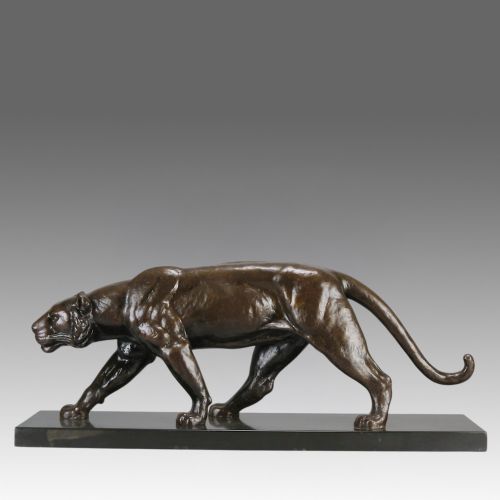
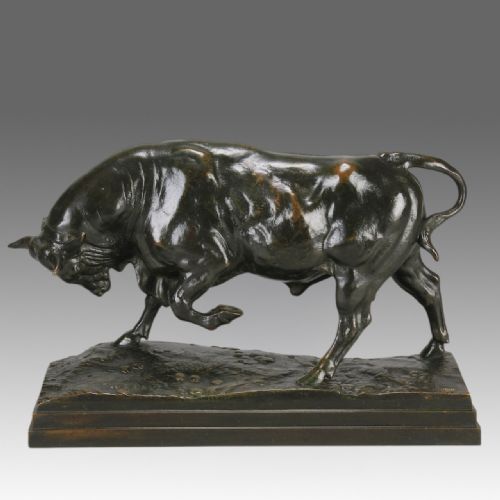
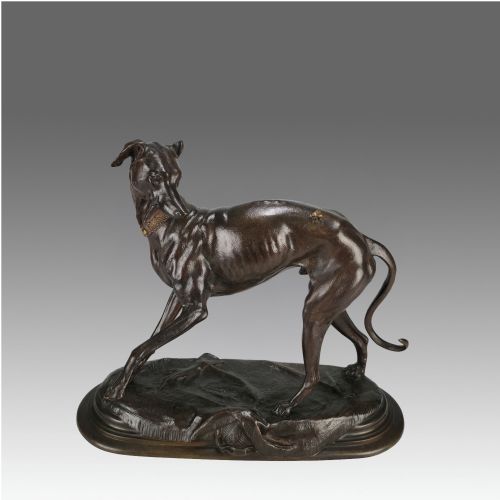
A french bronze animal statue captures birds, big cats, dogs and farm animals in motion or repose, reflecting an intense nineteenth-century interest in naturalism. The typical form encountered here is the cabinet bronze, a solid sculptural casting designed for domestic display on a mantelpiece, desk or bookcase.
The tradition spans from mid-nineteenth-century romantic realism to early-twentieth-century art deco abstraction, recording creatures with anatomical precision. Alongside traditional hunting dogs and charging bulls, pieces take the shape of bookends, paperweights and decorative table sculptures.
How they were made
Sculptors utilised the lost-wax method or sand-casting techniques to capture intricate fur, muscle and feather detail in molten metal. The primary material is cast bronze, frequently enhanced with patinated, gilt or ormolu finishes to create depth and shadow.
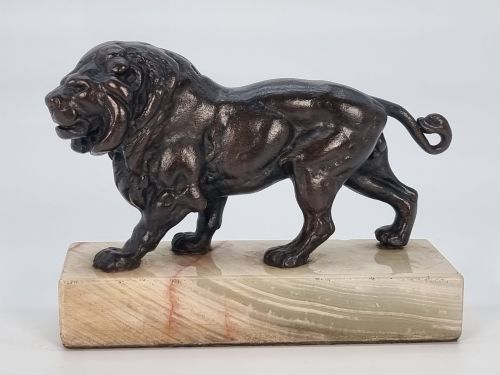
Many sculptures are mounted directly onto heavy stone supports such as marble or onyx bases, providing stability and a contrasting geometric plinth for the organic forms above.
The selection spans from the mid nineteenth century through the art deco period of the 1920s and 1930s.
What varies in quality
The distinction between tiers rests upon the crispness of the chase work, where a skilled metalworker hand-chisels the raw cast to define fur, claws and facial expressions. Superior examples retain subtle gradations in the chemical patina and display lifelike weight distribution in the animal's posture.
Lesser castings often appear static, with blurred surface textures and a uniform, flat coloration that lacks the organic vitality seen in pieces by accomplished animalier masters.
P J Mêne·Christophe Fratin·Alexandre Ouline·Antoine Louis Barye·Alfred Barye·Prosper Lecourtier·Alfred Dubucand·Delabrierre·Victor Peter·Louis Riche·Isadore Bonheur·Paul-Édouard Delabrièrre·Clovis Masson·Auguste Nicholas Cain·Jules Moigniez
The French Bronze Animal Statue Glossary
- Animalier
- A nineteenth-century artistic movement dedicated to the realistic portrayal of animals, particularly wild beasts and domestic hounds.
- Patina
- The surface coloration and chemical sheen developed naturally over time or applied intentionally to bronze during finishing.
- Spelter
- A zinc-based alloy commonly utilised as a less expensive alternative to bronze during the art deco period.
- Ormolu
- Finely ground high-carat gold applied to a bronze base using a mercury amalgamation technique, creating a rich golden surface.
French Bronze Animal Statue: Frequently Asked Questions
What is an animalier sculpture?
An animalier sculpture is a realistic artwork depicting animals, which gained immense popularity in France during the nineteenth century through the work of specialised bronze artists.
These pieces focus on the raw power, movement, and natural anatomy of creatures ranging from domestic hounds to wild lions.
How do I spot spelter instead of bronze?
Spelter is a softer, lighter zinc-based alloy that was frequently used for decorative figures during the art deco period, whereas bronze is heavier and more durable.
Examining the underside or areas of wear will often reveal a greyish metal beneath the surface finish if the piece is spelter rather than bronze.
Why are some figures mounted on marble?
Many nineteenth and twentieth-century animal figures are mounted on marble or onyx bases to provide visual contrast and physical stability to the heavy metal casting.
These stone plinths also served to elevate the artwork and protect fine wooden furniture surfaces from the metal base.
How should I clean a bronze animal statue?
Bronze statues require minimal intervention and should only be dusted gently with a soft, dry cloth to preserve the historical surface layer.
Applying harsh chemical cleaners or polishes will strip away the patination, permanently altering the colour and destroying the antique value.