

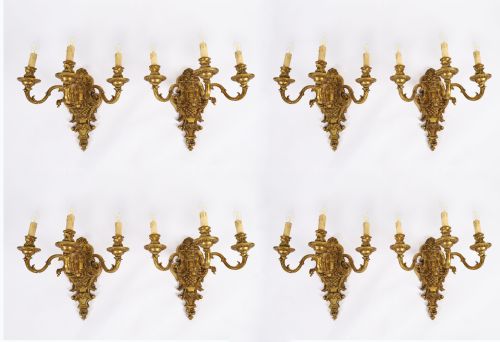


French Brass Wall Brackets
French brass wall brackets bring functional illumination and decorative presence to interiors, spanning ornate Rococo designs to restrained Louis XVI styles.
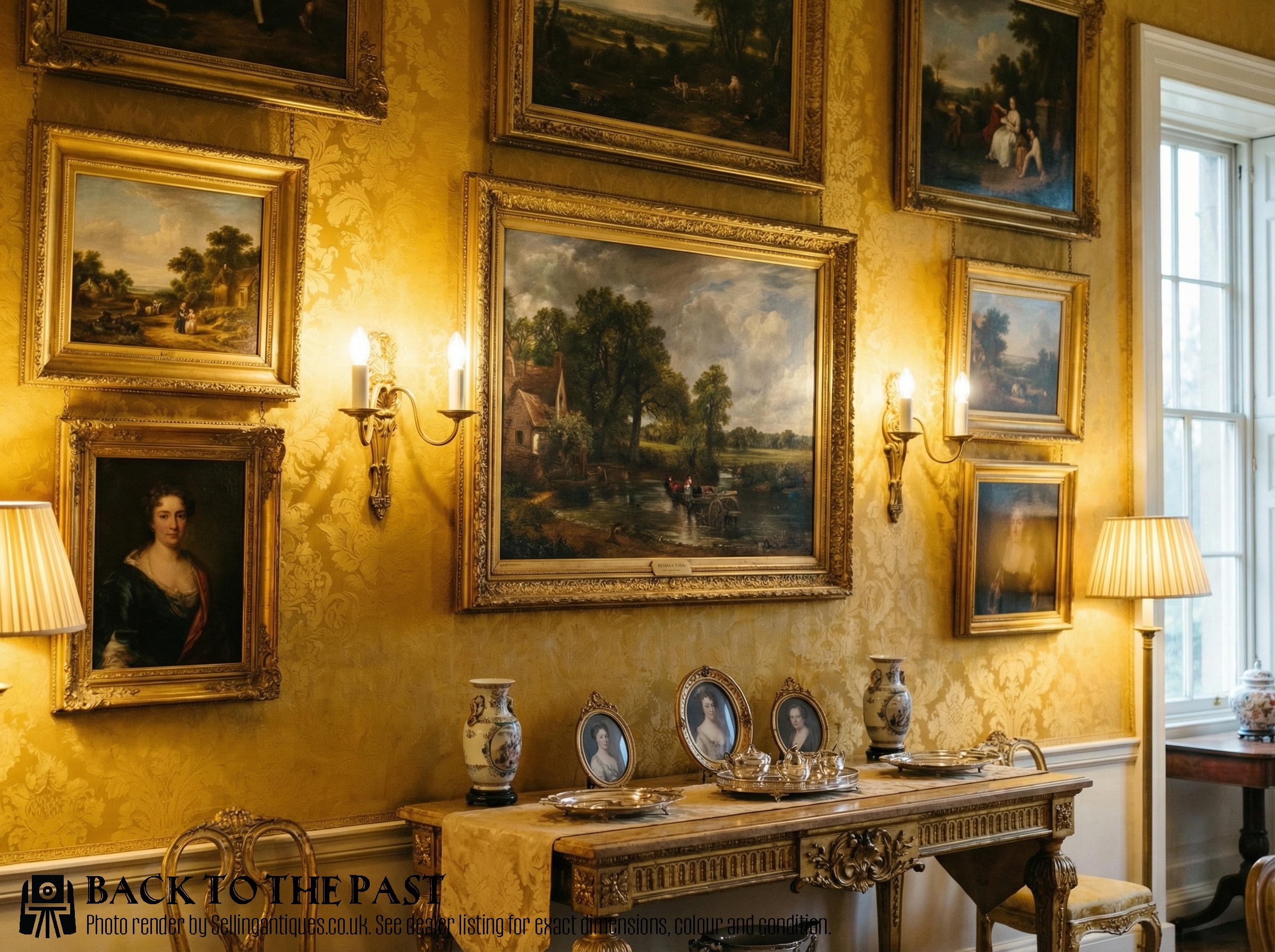
French Brass Wall Brackets
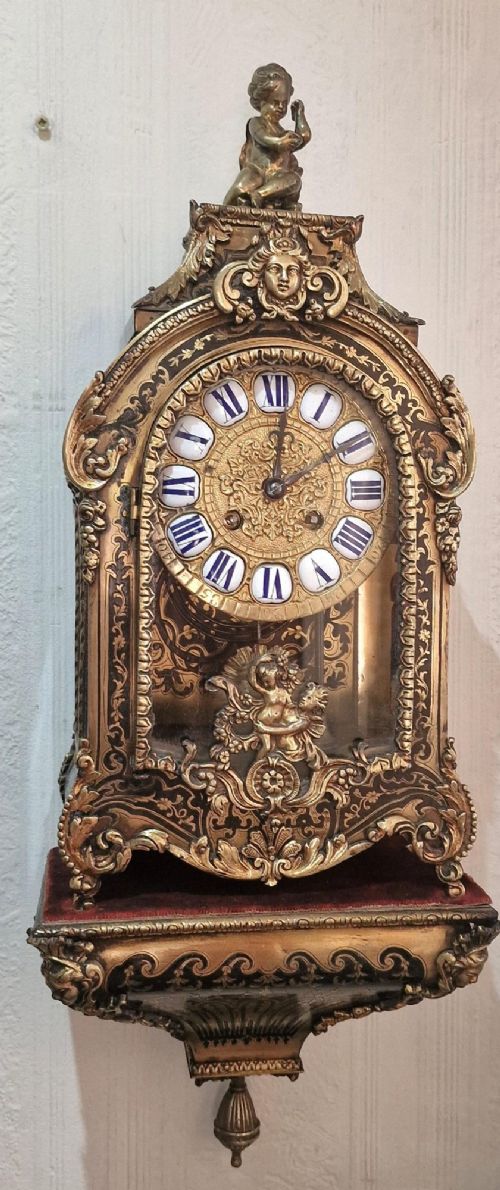
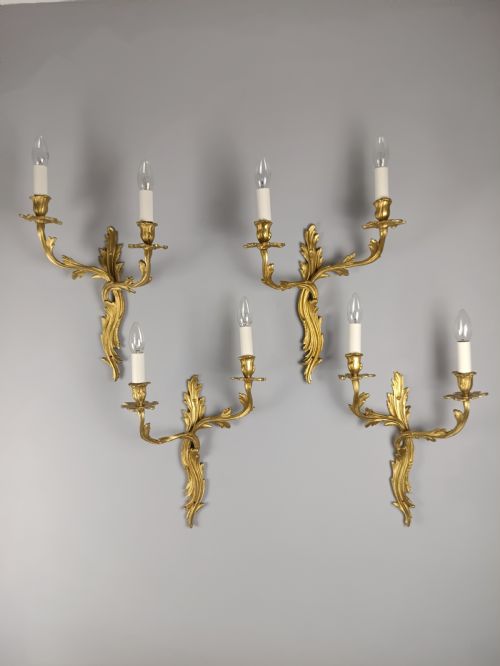
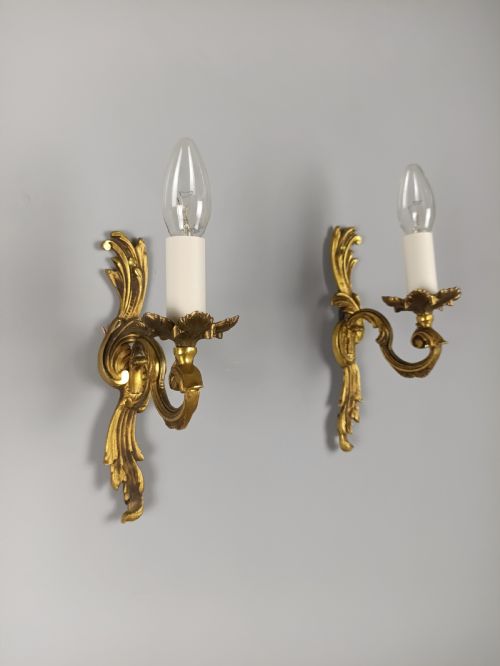
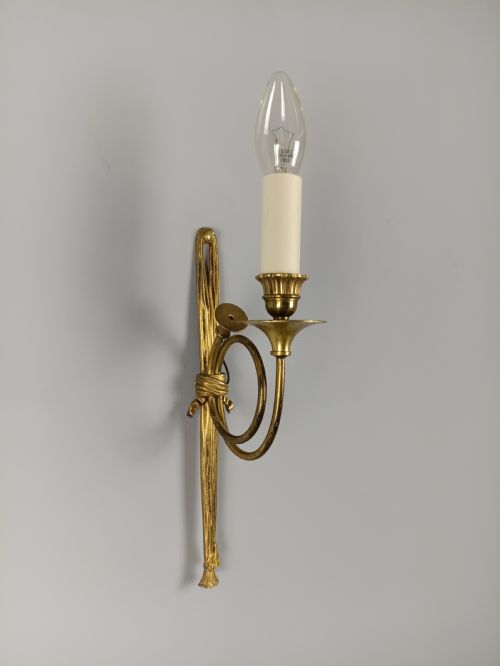
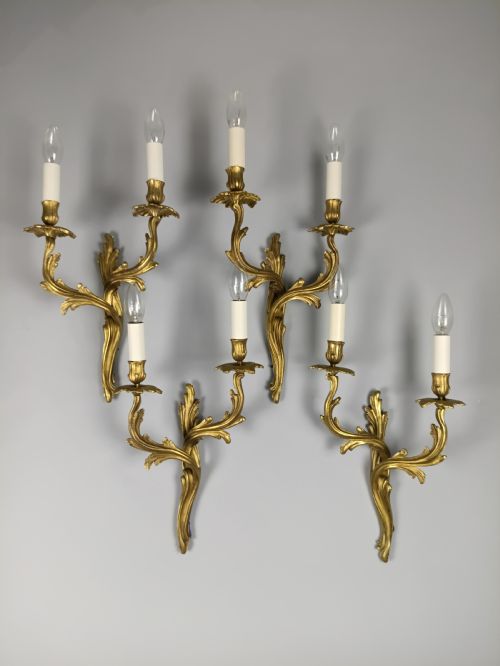
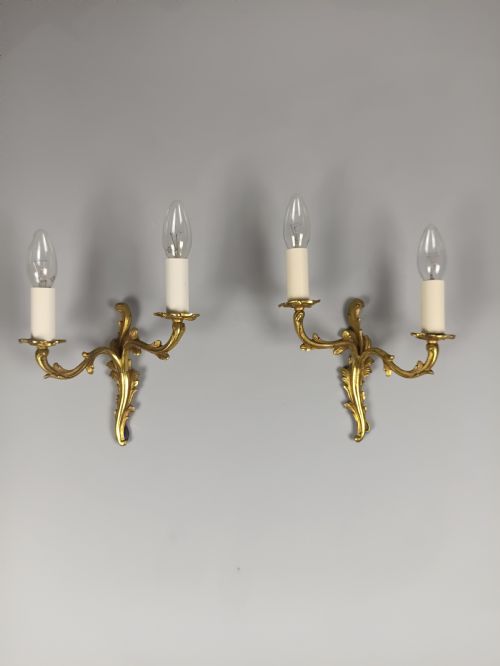
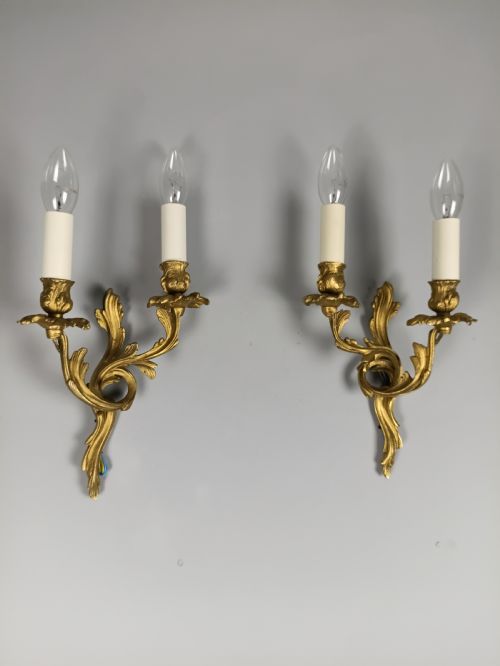
When you search for french brass wall brackets, you encounter items designed to mount directly onto interior walls for lighting and display purposes. These pieces encompass twin arm wall lights, single arm sconces, and occasionally clock brackets paired with mantel pieces.
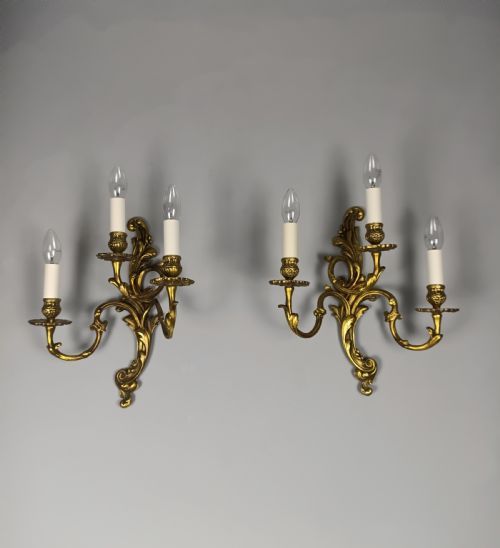
The selections on this page concentrate heavily on twentieth century examples from the nineteen twenties and thirties, alongside late nineteenth century items. Common forms include multi armed sconces wired for electricity alongside traditional candle brackets.
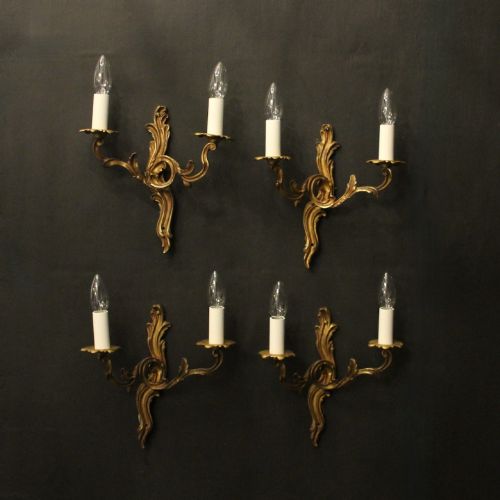
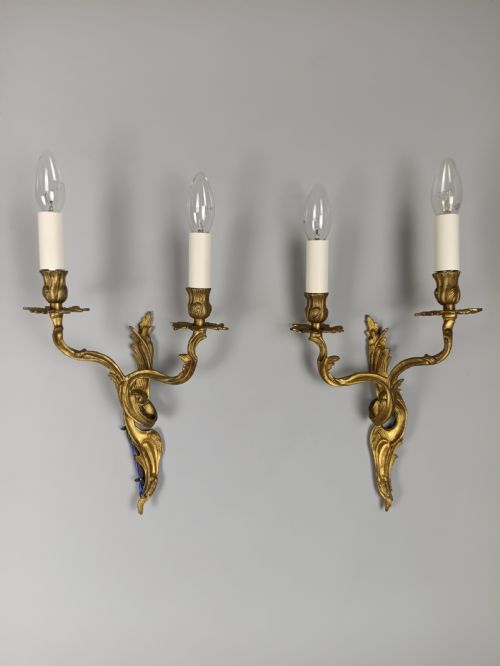
Originating predominantly from French workshops, these fixtures channel stylistic revivals ranging from exuberant Rococo flourishes to symmetrical Neoclassical restraint. Buyers frequently select sets of four or pairs to achieve balanced illumination across drawing rooms and hallways.
Materials and construction methods
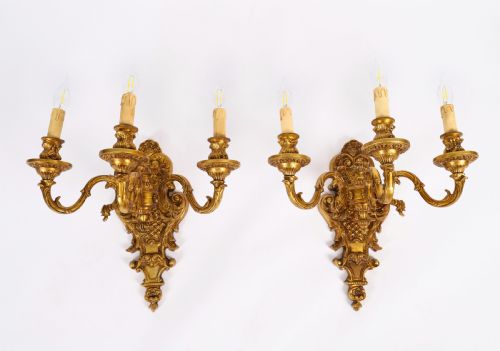
Foundry workers shaped these fixtures primarily from brass, bronze, and gilt metal, employing casting techniques to achieve high levels of ornamentation. Many examples feature applied fire gilding or ormolu finishes that impart a rich golden lustre to the metallic surface.
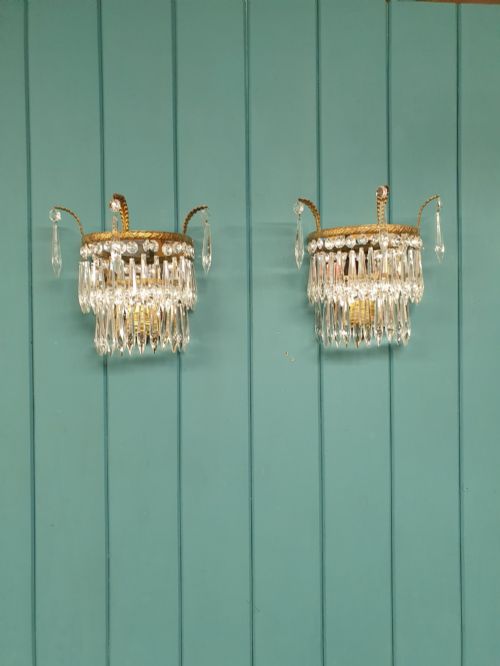
Decorative detailing relies heavily on chased and cast elements depicting scrollwork, foliage, and cherubs. Certain iterations integrate contrasting media such as tortoiseshell inlay, enamel panels, or crystal drops to enhance the visual complexity of the sconce.
Listings feature items spanning the late nineteenth century through to the nineteen thirties, encompassing Edwardian and Victorian examples alongside French provincial designs.
Assessing quality in antique wall lighting
Quality reveals itself primarily through the crispness of the casting and the depth of the chasing on the metal surface. Superior pieces display sharply defined acanthus leaves and scrolling motifs rather than soft, rounded edges resulting from worn moulds.
The weight of the bronze or brass and the integrity of the original gilding distinguish finer examples from standard commercial production. Heavier gauge metalwork ensures stability for multi armed arrangements and longevity of the structural joints.
HENRI MARC OF PARIS
The French Brass Wall Brackets Glossary
- Ormolu
- Gilded bronze produced by applying a mercury and gold amalgam to a bronze base and heating it. This technique creates a durable, golden surface characteristic of fine French decorative metalwork.
- Rococo
- An eighteenth century style revived extensively during the nineteenth century, characterised by asymmetrical curves, C scrolls, and naturalistic plant motifs. It dominates the decorative language of many wall lights.
- Louis XVI
- A Neoclassical design style drawing on classical Greek and Roman architecture, favouring symmetry, straight lines, urns, and swags. Sconces of this type offer a more restrained visual profile.
- Wall bracket
- A projecting architectural shelf or support fixed to a wall, historically used to hold clocks or porcelain objects. In lighting contexts, it serves as the mounting plate or the fixture body itself.
French Brass Wall Brackets: Frequently Asked Questions
How do I install antique wall lights?
Many French brass wall brackets arrive rewired for modern electrical standards, allowing standard mounting to wall junction boxes by a qualified electrician.
Heavier bronze or multi armed fixtures require secure wall anchors and proper bracket support to bear the weight safely.
Are these brackets suitable for bathrooms?
Original antique lighting typically lacks modern ingress protection ratings required for high moisture zones. Consult an electrician regarding safe placement away from direct water sources.
Living rooms, hallways, and dining spaces remain the traditional and safest locations for displaying gilt bronze sconces.
How should I clean gilded brass?
Dust the metal surfaces gently with a soft, dry cloth to prevent the accumulation of grime. Avoid abrasive polishes or chemical cleaners that strip the delicate ormolu or gilt finish.
Professional conservation cleaning is recommended if tarnish obscures the underlying detail of the cast bronze.
How do I date these wall brackets?
Stylistic cues such as Louis XVI symmetry or Rococo asymmetry provide initial indicators of the design period. Construction methods, screw types, and mounting plate designs help narrow down whether an item dates to the nineteenth century or a later revival.