


French Brass Standing Light
When you search for a french brass standing light, you are entering a world of luminous metalwork designed to elevate domestic interiors.
French Brass Standing Light
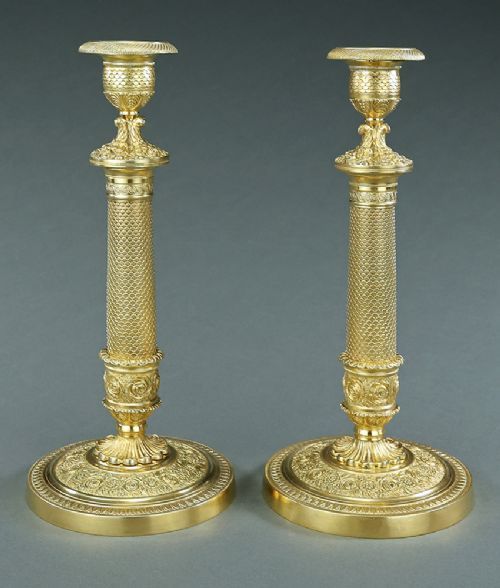
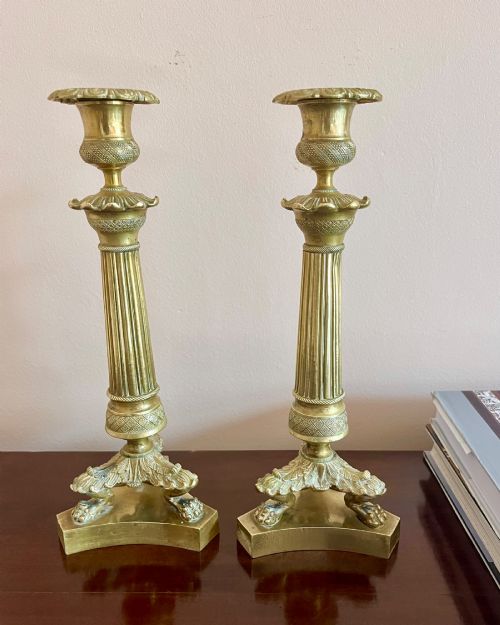
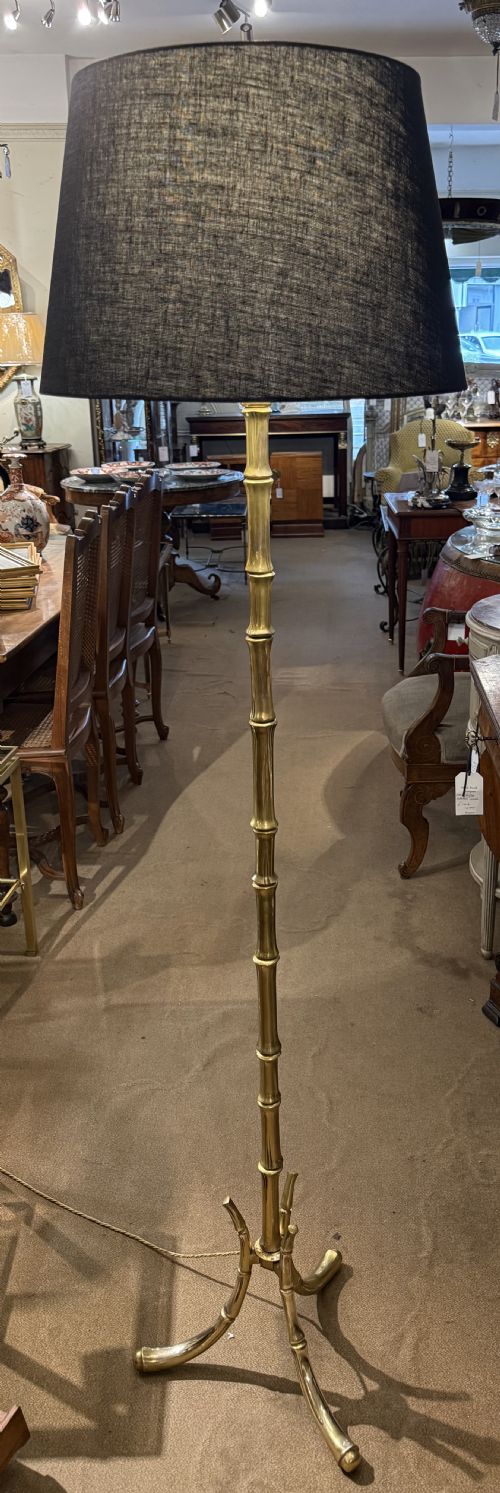
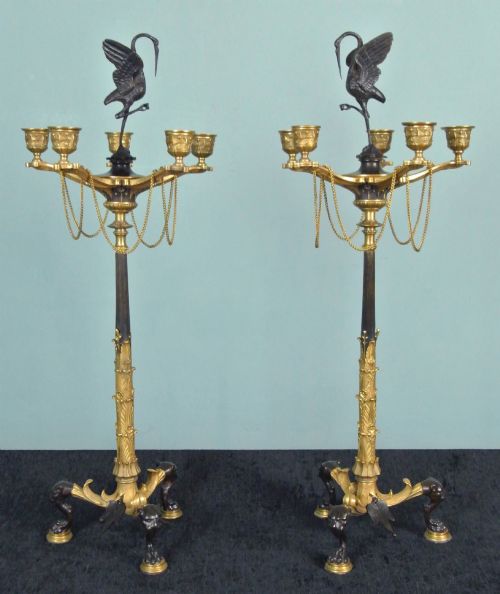
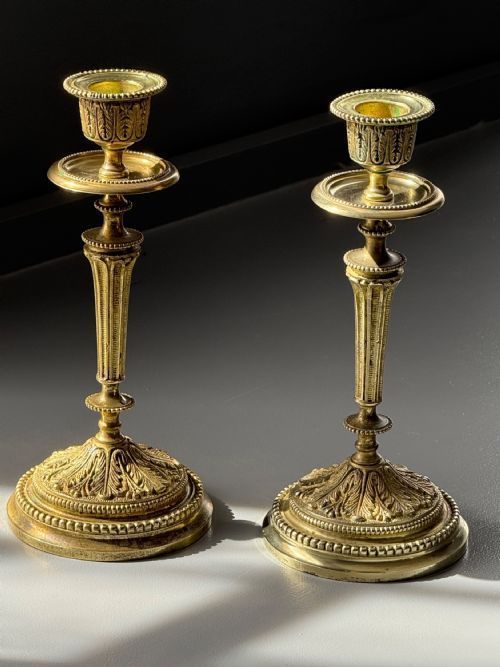
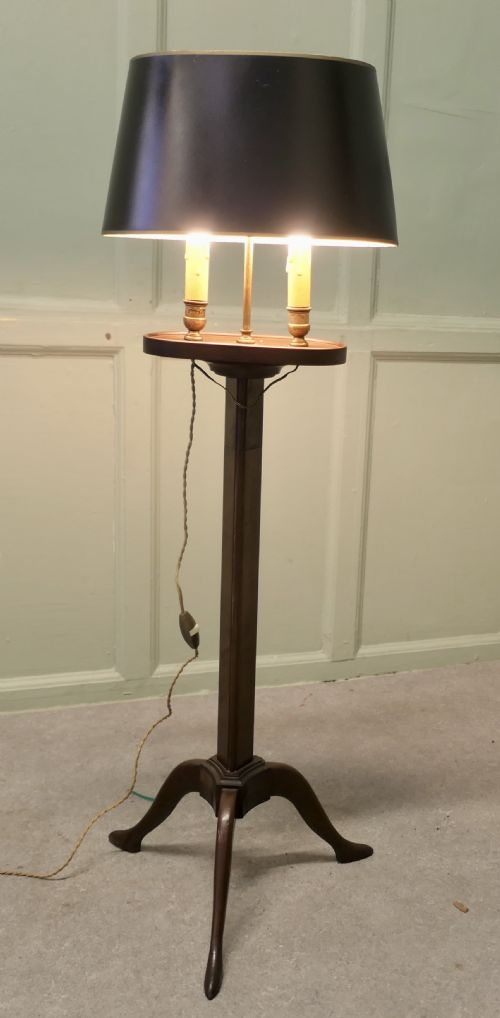
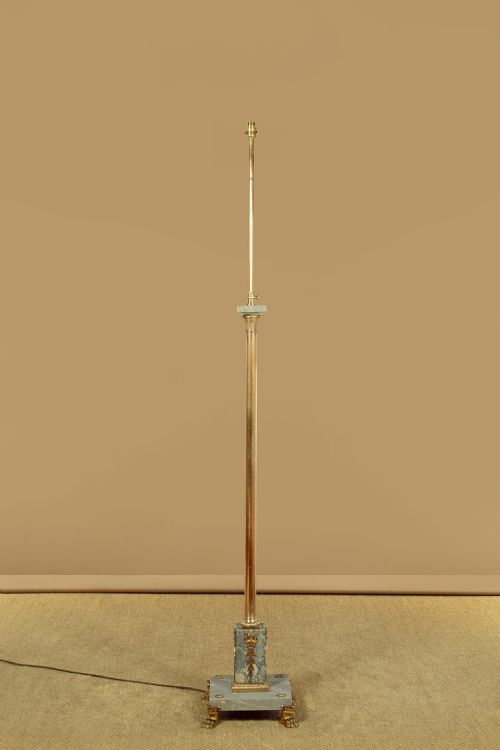
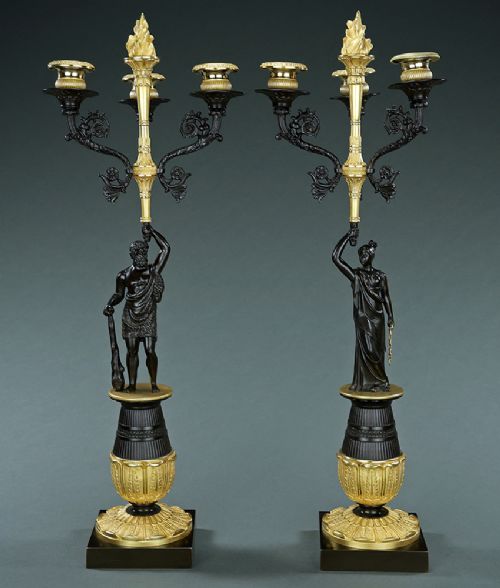
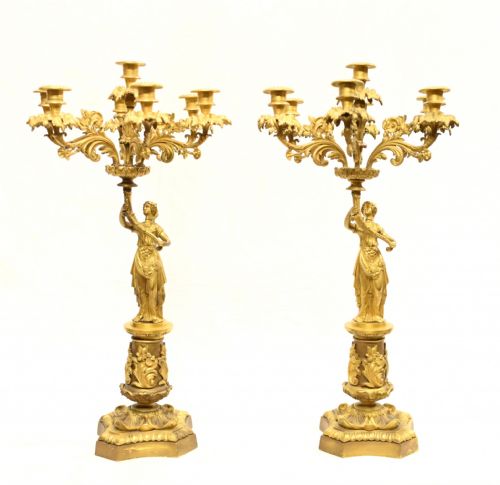
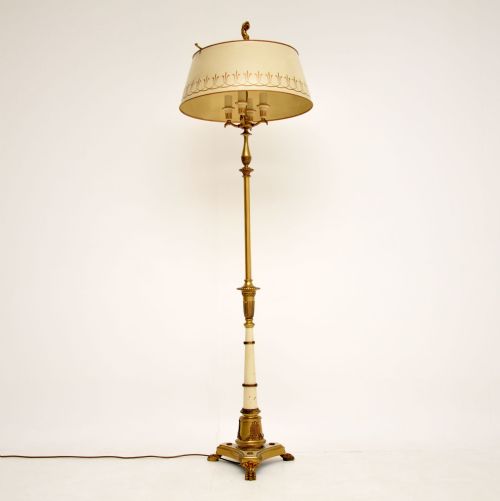
A french brass standing light encompasses floor lamps, standard lamps, and towering candelabra designed to illuminate large rooms from a fixed upright position. When exploring this selection, buyers frequently encounter pieces drawing on historical design vocabularies like Louis XVI, Empire, and Rococo Revival. These vertical lighting fixtures serve both practical illumination and sculptural decorative roles within a space.
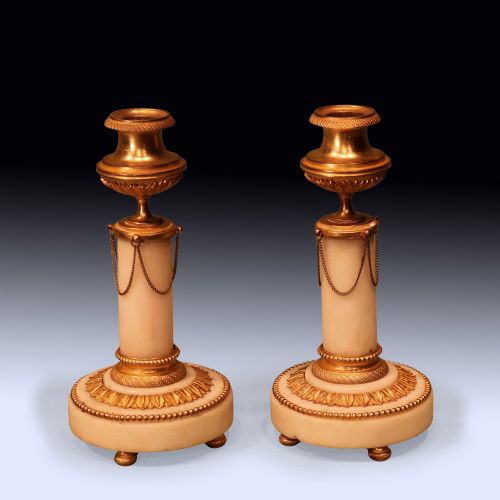
The objects listed under this designation span multiple decades of production, incorporating tall standard lamps alongside converted candle standards and formal floor lamps. Materials extend beyond plain brass to include patinated bronze, gilt bronze, and ormolu often mounted on solid marble or onyx bases. Each piece reflects the enduring appeal of continental metalwork traditions across the nineteenth and twentieth centuries.
Materials and Construction
Construction relies heavily on cast brass, bronze, and ormolu combined with heavy stone elements such as white marble and onyx to secure stability in tall floor-standing formats. Metal components undergo meticulous casting, chasing, and gilding to achieve crisp decorative details ranging from neoclassical motifs to naturalistic foliage. Fabric shades and painted Tole metal elements frequently complete the upper sections of standard lamps.
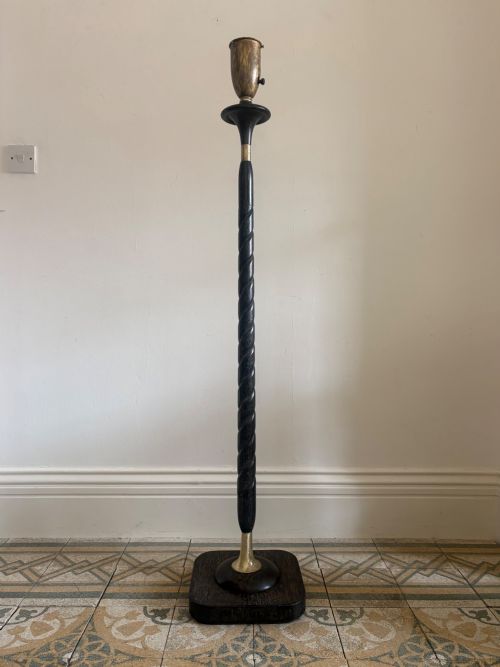
Makers utilise joining techniques appropriate for heavy metalwork, securing multi-tiered candelabra arms and adjustable stems with threaded bolts and pins. Stone bases are turned and polished to support slender vertical shafts without risking balance. Surface finishes vary from bright gilt and polished brass to deep patinated bronze and dark ebonised wood twists.
Dancing cherubs occasionally hold candle sockets aloft, proving that even eighteenth-century lighting required a touch of theatrical performance.
Assessing Quality
The selection of secondary materials further separates standard production from exceptional work. Heavy, unblemished marble plinths, substantial bronze components rather than hollow pressed sheet metal, and thick fire-gilding indicate superior workshop standards.
Maison Bagues·Barbedienne·Abel Landry
The French Brass Standing Light Glossary
- Ormolu
- Finely ground high-carat gold mercury-gilded onto a bronze or brass base. This technique produces a rich, warm golden lustre characteristic of luxury continental decorative arts.
- Champlevé
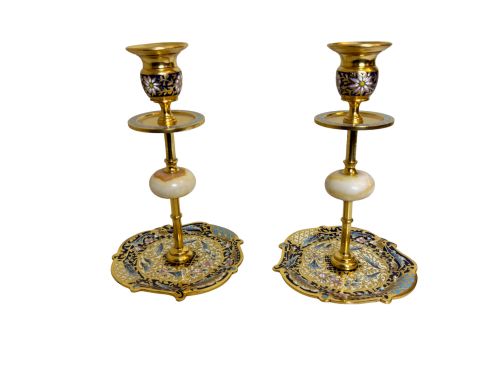
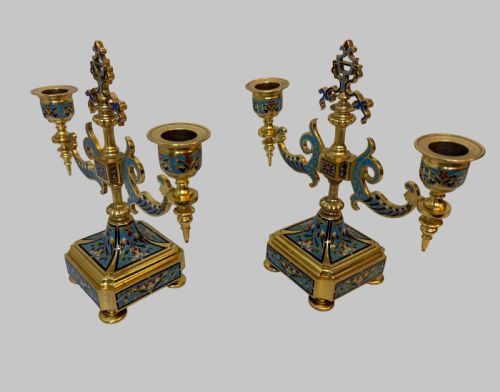
- An enamelling technique where troughs are dug into a metal surface and filled with vitreous enamel before firing. It creates vibrant coloured patterns across the body of candlesticks and lamps.
- Candelabra
- A branched lighting fixture designed to hold multiple candles or bulbs simultaneously. They often feature removable arms and intricate figurative or architectural stems.
- Standard lamp
- A tall freestanding floor lamp designed to illuminate a room from a vertical post. These fixtures frequently incorporate adjustable heights or multi-arm configurations.
- Patinated bronze
- Metal treated with chemical solutions to darken the surface and create a stable oxidized finish. This process highlights sculpted details and prevents unwanted bright brass glare.
French Brass Standing Light: Frequently Asked Questions
What is a french brass standing light?
A french brass standing light is a tall vertical lighting fixture, which includes standard lamps, floor lamps, and heavy candelabra designed for upright placement on the floor.
These pieces draw on traditional continental design styles such as Empire and Neoclassical, combining functional illumination with decorative metalwork.
How do I date a brass floor lamp?
Dating requires examining the casting techniques, the style of any decorative mounts, and the integration of electrical wiring relative to original candle sockets.
Comparing the specific aesthetic vocabulary, such as Louis XVI revival details or Art Nouveau curves, helps place the object within the nineteenth or twentieth century.
Are these lamps originally wired for electricity?
Many tall standard lamps were manufactured during the late nineteenth or twentieth century specifically for electricity, while others began life as candle holders before conversion.
Conversions are standard practice for older candelabra and candlesticks, allowing historic metalwork to function safely in modern domestic settings.
How should I clean antique brass and ormolu?
Maintenance involves gentle dusting with a soft dry cloth to prevent the accumulation of grit in recessed chased details.
Harsh chemical polishes must be avoided to protect delicate patination and the thin gold layers found on ormolu surfaces.