



French Brass Reading Lamp
A french brass reading lamp brings warm metalwork and focused light to a desk or table, drawing the eye with period character.
French Brass Reading Lamp
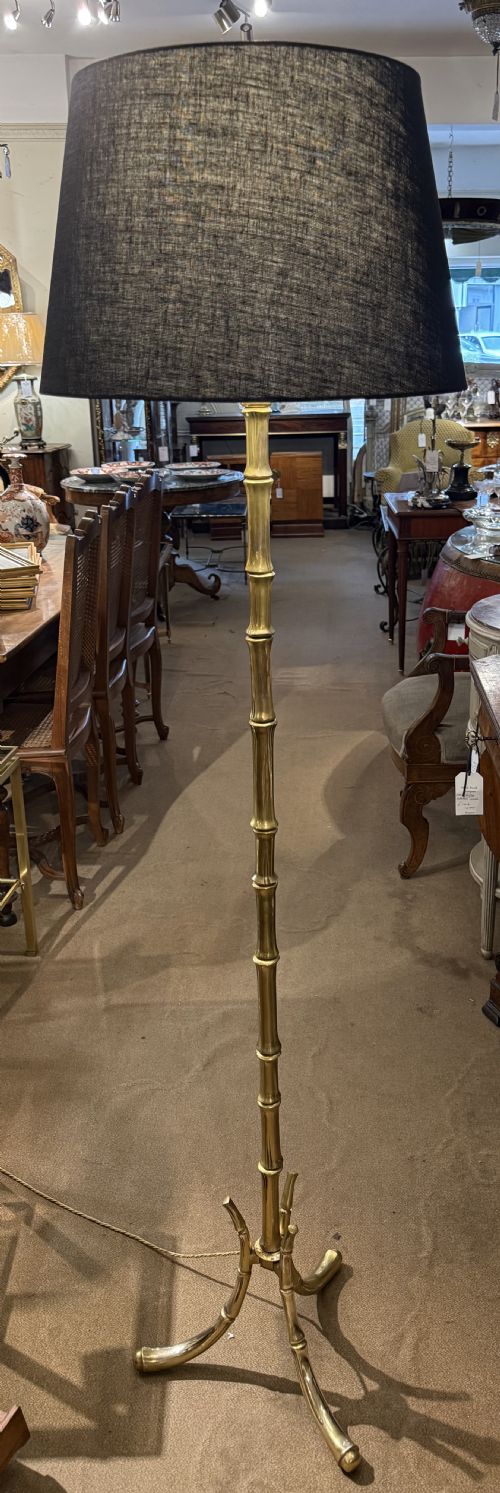
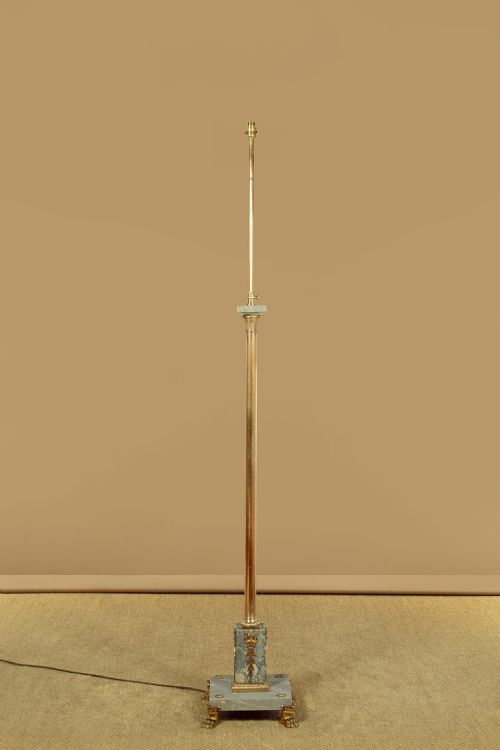
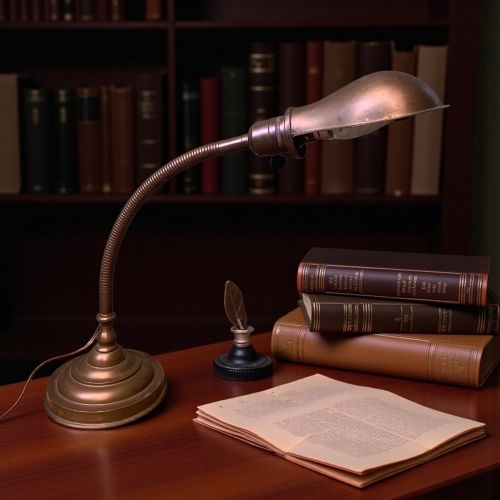
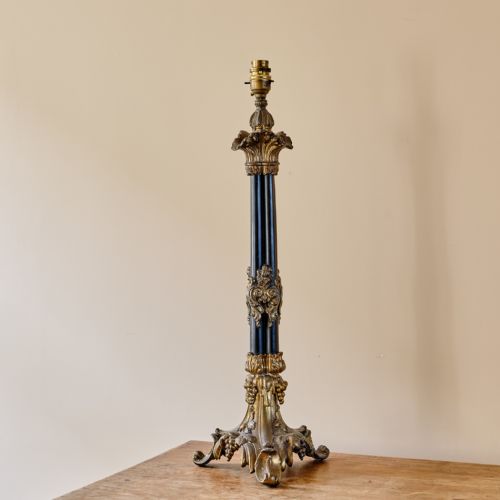
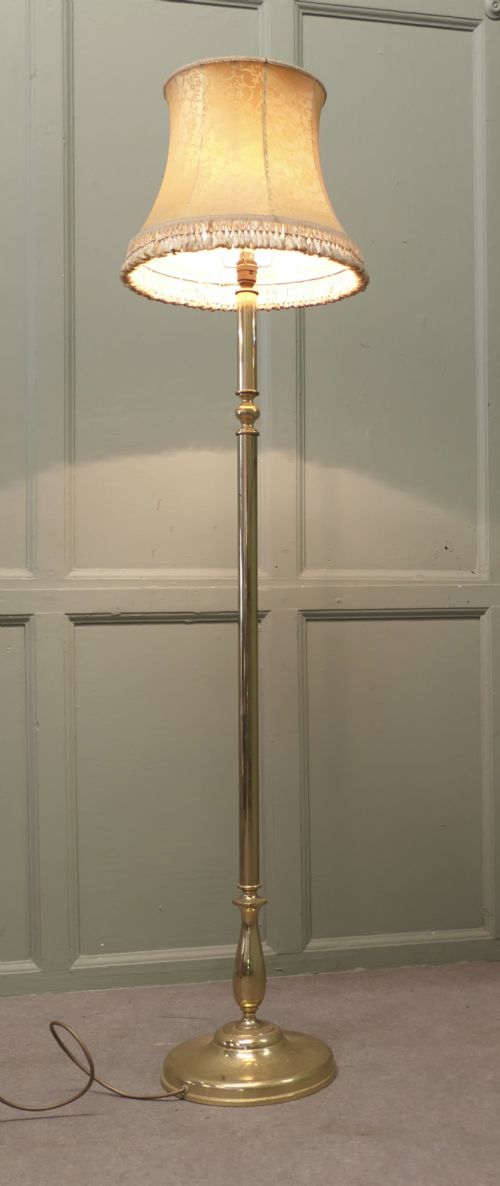
A french brass reading lamp is a functional lighting fixture designed for desks, tables, and floors, originating mainly from the nineteenth and early twentieth centuries. These pieces appear in forms ranging from compact boudoir and bouillotte designs to adjustable floor standards.
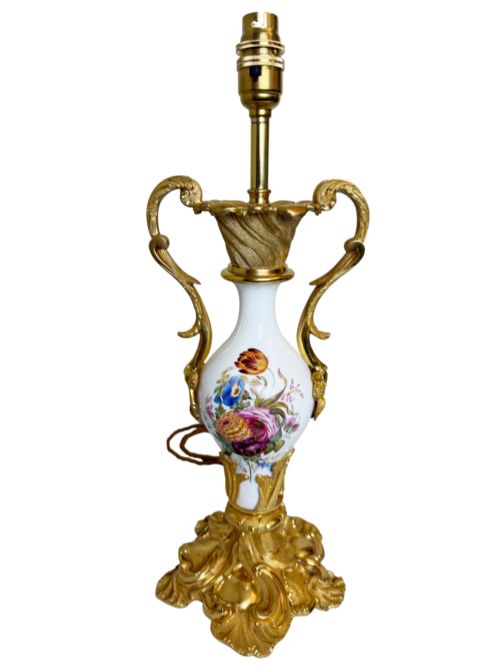
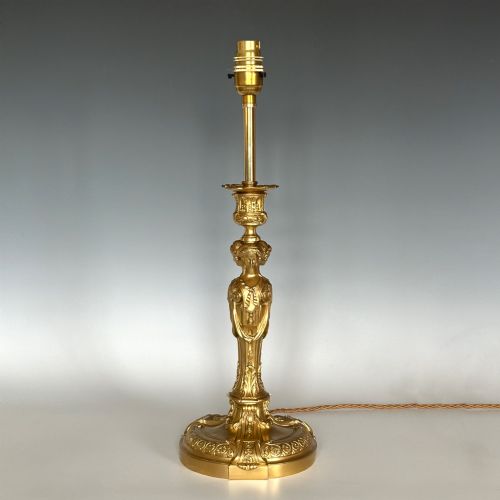
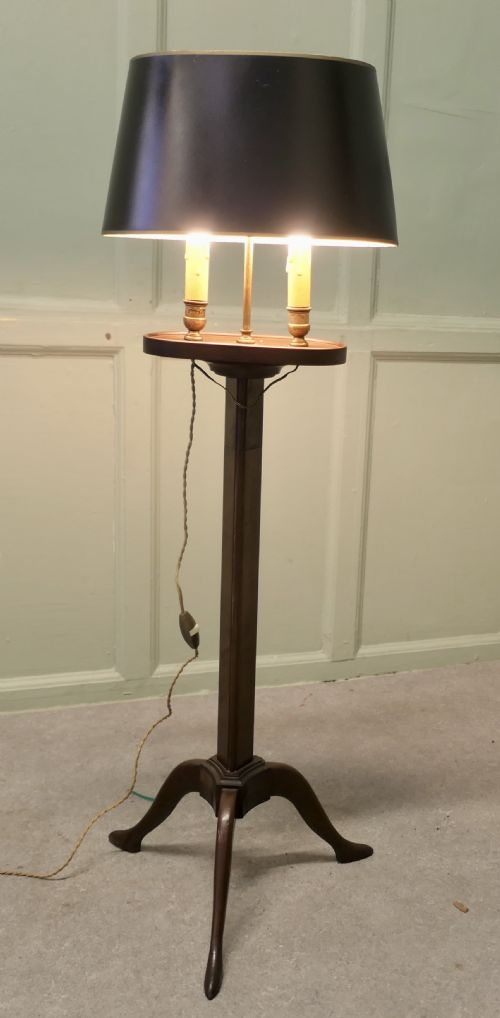
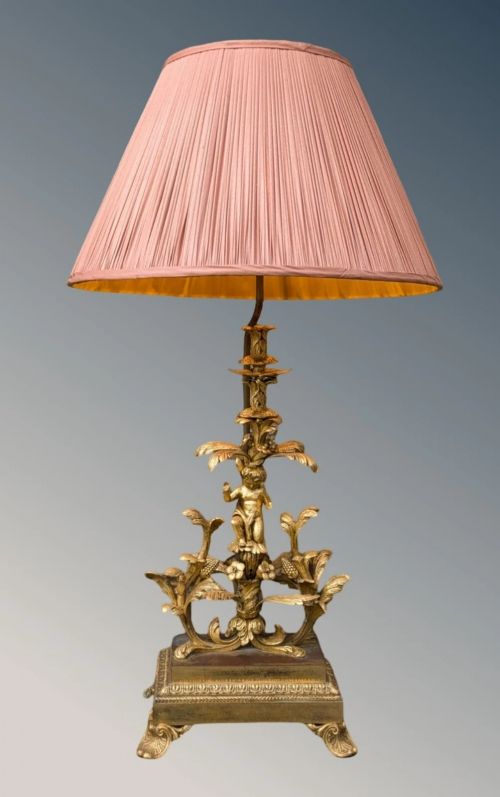
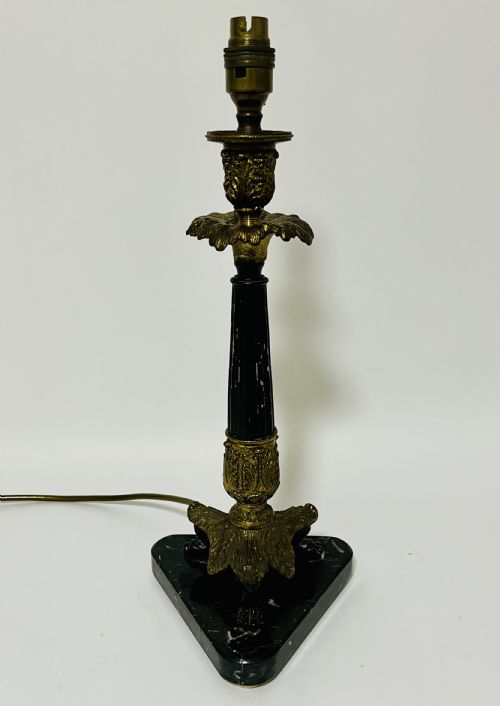
The selection on this page centres on items utilising brass, bronze, gilt bronze, and ormolu, often paired with toleware shades or marble bases. Makers and workshops from periods such as the French Empire, Art Nouveau, and Neoclassical revivals produced these items for domestic use.
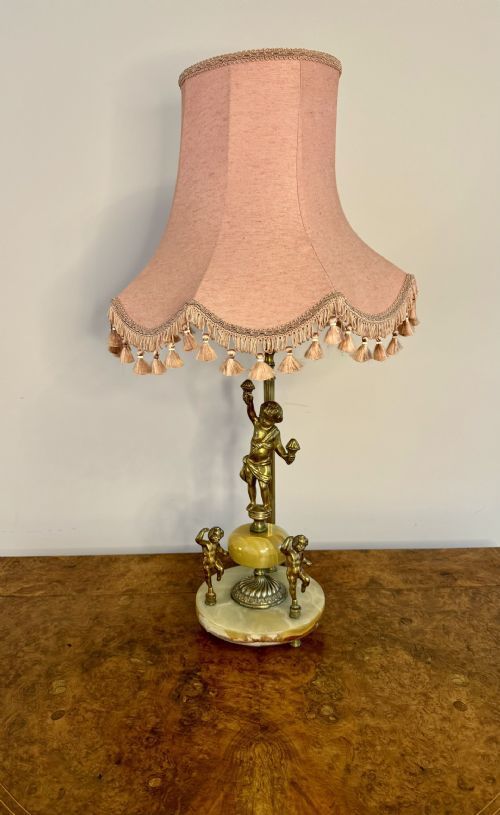
Buyers encounter table lamps, desk lamps, and tall standard lamps that incorporate adjustable mechanisms or twin candle branches. The design vocabulary draws heavily on classical motifs, floral castings, and traditional French styling.
How they were made
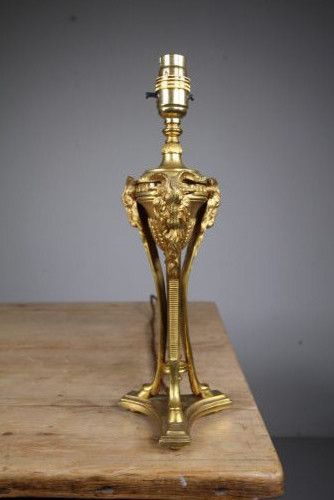
The construction of a french brass reading lamp relies on cast brass, bronze, and ormolu combined with structural elements like marble bases and painted toleware shades. Foundries utilised traditional casting methods to produce detailed rams heads, floral mounts, and classical columns.
Makers integrated mechanical adjustments such as sliding stems and pivoting arms to control the height and angle of the light. Gilding, patination, and hand-painted finishes were applied to metal surfaces to achieve the characteristic depth and tone seen in these pieces.
Canines make an appearance in domestic lighting through antique French marble and brass dog table lamps.
What varies in quality
The quality of a french brass reading lamp rests in the crispness of the metal casting and the weight of the materials used. Finer examples show sharp relief in chased ornamentation, solid marble or heavy metal bases, and smooth operation in any adjustable joints.
Subtlety of surface finish also separates standard items from exceptional ones, particularly where hand-gilding, original patination, or painted toleware retain their integrity. Pieces attributed to notable workshops display superior structural balance and refined proportions.
Maison Bagues
The French Brass Reading Lamp Glossary
- Ormolu
- Gilded bronze produced by applying a mercury-gilding technique to a bronze base. This process creates a rich, durable gold-coloured surface found on many period fixtures.
- Toleware
- Painted or lacquered sheet metal, frequently green or dark tones, used to form shades on lamps and bouillotte fittings. It provides a classic contrast to polished brass.
- Bouillotte
- A traditional table lamp featuring an adjustable shade and multiple candle-style arms. These designs originated to provide directed light for card games.
- Empire
- A nineteenth-century design style drawing on ancient Roman, Greek, and Egyptian motifs. It is characterised by strict symmetry, laurel wreaths, and classical figures.
- Patina
- The surface ageing and oxidation acquired by metal over time. A natural patina indicates genuine age and handling.
French Brass Reading Lamp: Frequently Asked Questions
How do I date a french brass reading lamp?
Dating relies on stylistic clues, manufacturing techniques, and material combinations. Pieces from the nineteenth century often feature heavy hand-chased bronze and ormolu, while later twentieth-century items incorporate simpler cast brass or art deco influences.
Examining the wiring, screws, and assembly methods also helps determine the era of manufacture. Standard lamps and desk pieces from the Edwardian period or the 1920s show distinct shifts toward lighter forms and different shade materials.
What is a bouillotte lamp?
A bouillotte lamp is a specific lighting form featuring a central shaft, two or more candle arms, and an adjustable metal shade. The shade moves up and down a central rod to direct light downward onto a surface.
These pieces were traditionally used on gaming tables in France. Today, they function well on desks and side tables where focused illumination is required.
Are these lamps safe for modern use?
Many period fixtures retain older electrical components that require rewiring for modern safety standards. A qualified electrician can easily update the internal wiring without altering the exterior metalwork or historic character.
Buyers should inspect the lampholders and cords upon arrival. Professional rewiring ensures the fixture complies with current domestic regulations while preserving the antique body.
How should I clean the brass?
Cleaning should be minimal to preserve the historic patina and surface finish. A soft, dry cloth removes dust effectively without disturbing the aged metal or gilding.
Avoid abrasive polishes that strip away original patination or damage painted toleware sections. Gentle care maintains the authentic appearance of the bronze and brass.