




Antique Desk Task Lighting
Antique desk task lighting brings industrial utility and period style to a workspace through adjustable metal and glass task lamps.
Antique Desk Task Lighting
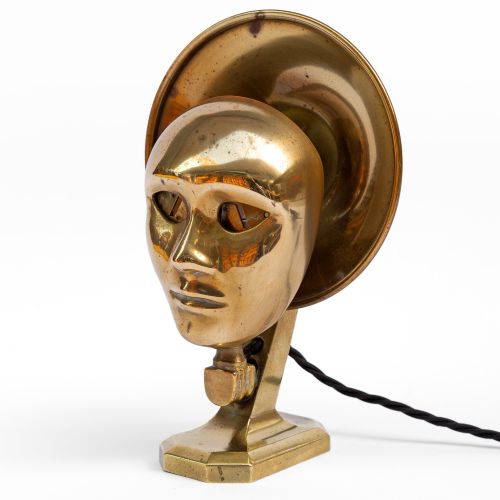
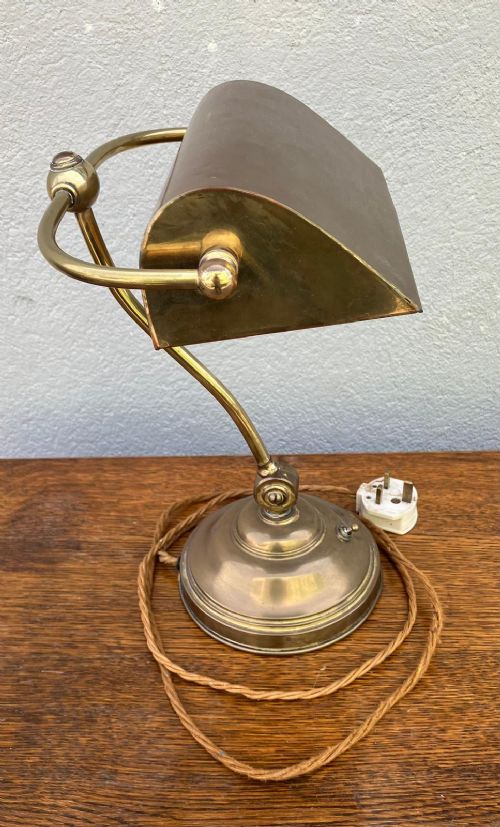
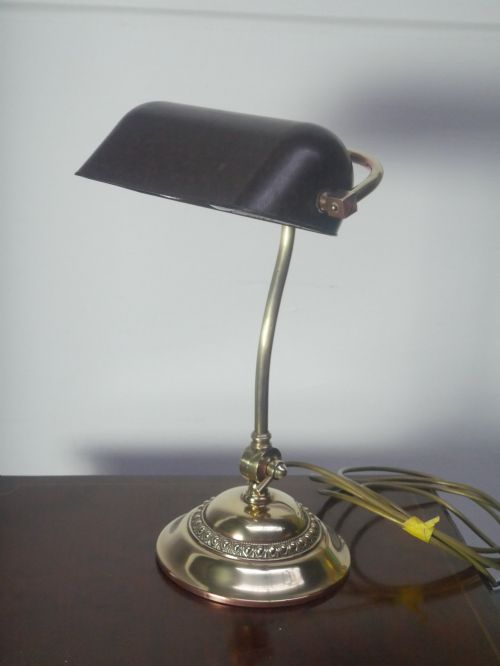
Antique desk task lighting comprises adjustable lamps designed for focused illumination on a workspace, spanning the nineteenth century through to the 1940s. These pieces include bankers lamps, adjustable reading lights, and articulated desk lamps intended for practical use.
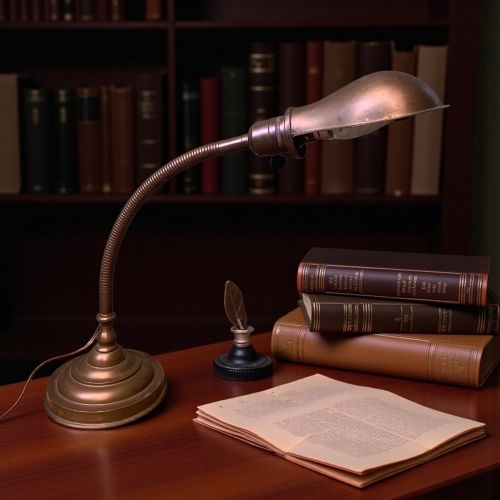
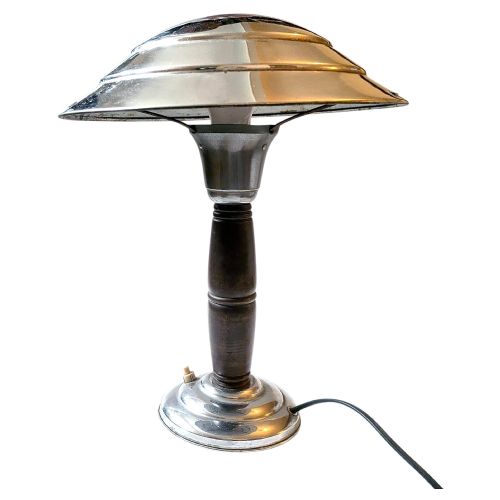
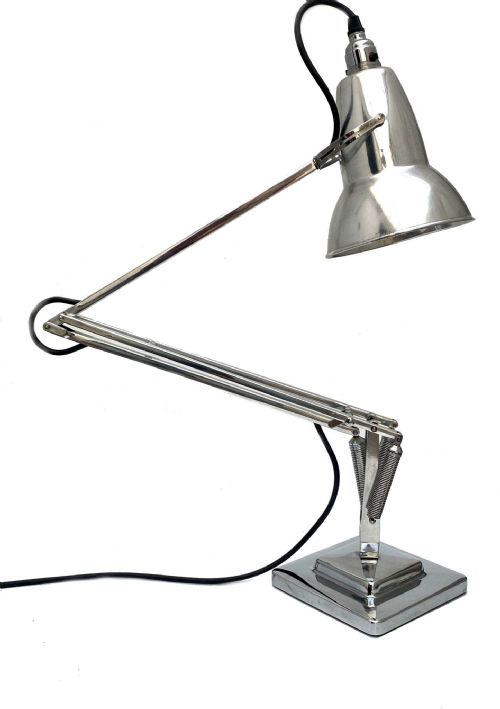
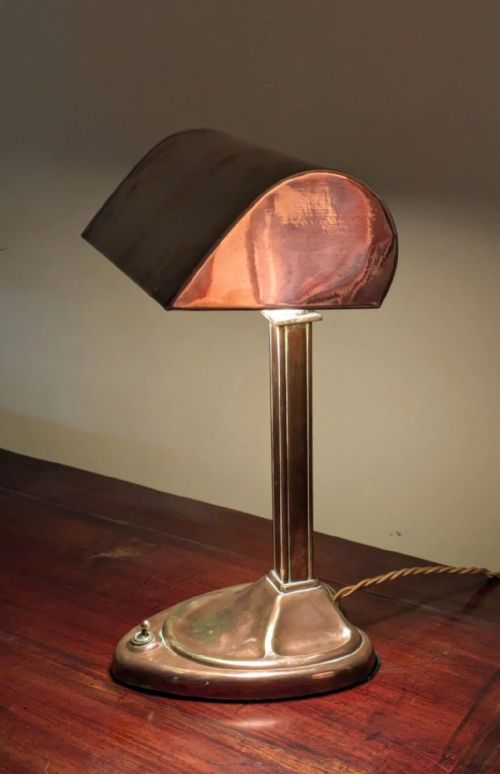
The version most commonly met on this page is the brass or chrome adjustable task light from the Edwardian period or the 1920s and 1930s. These range from heavy bankers models with glass shades to flexible swing-arm and swan-neck designs rooted in industrial and Arts and Crafts workshops.
Originating largely from British, French, and continental makers, these lights combine utilitarian mechanics with distinct decorative movements such as Art Deco, Art Nouveau, and the Amsterdam School. The forms serve both targeted task illumination and period aesthetic character.
How they were made
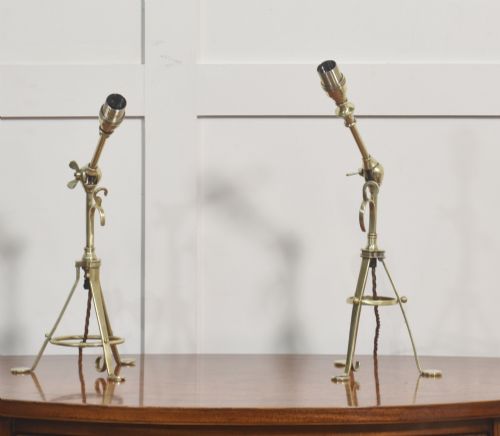
Construction relies heavily on metals such as brass, copper, bronze, and chrome, often combined with cast iron bases and structural components to ensure stability during adjustment. Articulated joints, swan necks, and adjustable arms allow the light source to move precisely where required.
Shades and diffusers utilise glass, frosted glass, blue glass, patinated metal, fabric, and early synthetic materials like Bakelite. Electrical fittings integrate with original brass housing, sometimes retaining period wiring adaptations or specialised light fittings.
Surface finishes include polished or patinated brass, patinated copper, ormolu, and painted toleware, reflecting the stylistic demands of French Empire, Edwardian, and Art Deco design traditions.
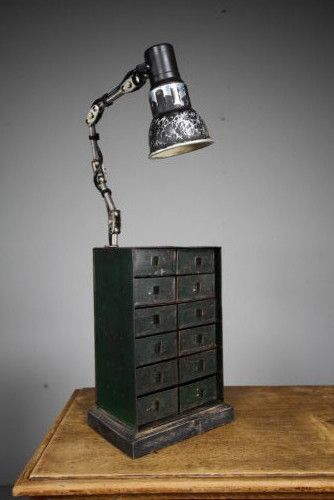
A jewellers chest arrives with its original light fitting intact, proving that tiny drawers demand properly illuminated tiny treasures.
What varies in quality
The distinction between standard utility lighting and superior examples lies in the integrity of the articulation mechanism and the weight of the casting. Fine lamps maintain smooth tension in their adjustable joints and swan necks without sagging or requiring external support.
Material selection and decorative detailing elevate certain pieces, such as heavy bronze or patinated copper housings, cast brass bases, and undamaged coloured or frosted glass shades. The presence of identifiable maker design elements separates mass production from distinguished workshop output.
W.A.S. Benson·Eileen Grey·Pirouette·Ivan Zaiec·Jumo
The Antique Desk Task Lighting Glossary
- Articulated
- Fitted with joints or hinges that allow the arm or shade to pivot and direct light precisely. This mechanical flexibility is essential for functional task lighting.
- Bouillotte lamp
- A traditional French table lamp featuring a central stem, multiple candle-style arms, and an adjustable central shade. It often incorporates a saucer-like base for holding small items.
- Swan neck
- A curved, flexible or rigid metal arm resembling a swan's neck that positions the bulb holder over a workspace. It permits smooth height and angle adjustment.
- Bakelite
- An early thermosetting plastic introduced in the early twentieth century, utilised for switches, bases, and shade components on modernist and Art Deco desk lamps.
- Toleware
- Painted or lacquered metalware, commonly tin, used for decorative shades and lamp bodies, particularly in French provincial and classical revival designs.
Antique Desk Task Lighting: Frequently Asked Questions
How do I adjust an antique task lamp safely?
Move the articulated arms or swan neck gently by holding the structural metal rather than the shade or wiring. Ensure the desk surface is stable to balance the weight of heavy brass or bronze bases during adjustment.
Check that internal joints move freely without forcing seized components, as period metal can snap under sudden pressure.
Were these lamps originally used for reading?
Yes, many of these pieces were specifically engineered as student reading lamps, jewellers chest lights, or bankers desk lamps designed to concentrate light downward onto documents and workspaces.
The adjustable mechanisms allowed clerks, readers, and artisans to keep illumination directly over paperwork while reducing glare.
How do I distinguish Art Deco from Edwardian desk lamps?
Edwardian lamps typically display softer, classical curves in polished brass with traditional swan necks, saucer bases, and frosted glass shades. They lean towards ornamental revival styles.
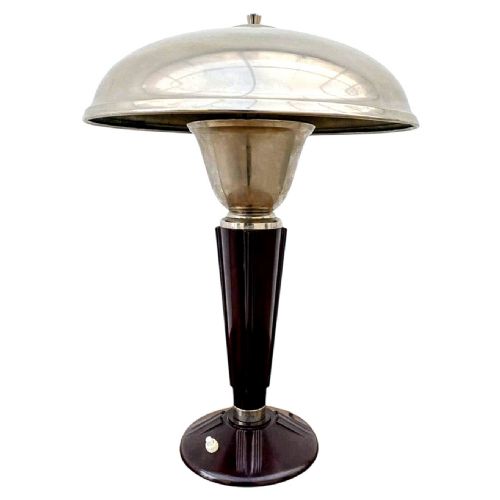
Art Deco lamps favour geometric lines, chrome finishes, Bakelite components, and shell-shaped shades that reflect modernist industrial progress of the 1920s and 1930s.
Can I use modern bulbs in these vintage lamps?
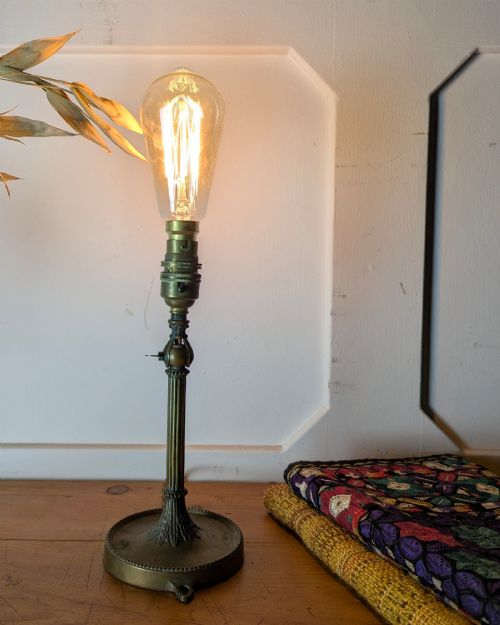
Most antique desk task lighting accommodates standard modern bulbs provided the wattage matches the historical capacity of the original brass bulb holder and wiring. LED bulbs generate less heat, which helps preserve vintage brass and painted metal finishes.
It is advisable to have older wiring inspected or updated by a qualified professional to meet current safety standards before regular daily use.