
French Brass Lantern Light
A french brass lantern light brings warmth and architectural weight to an entrance hall, combining historic metalwork with clear glass to shape light.
French Brass Lantern Light
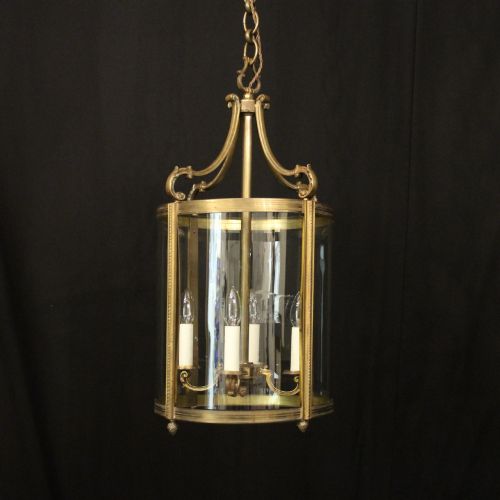
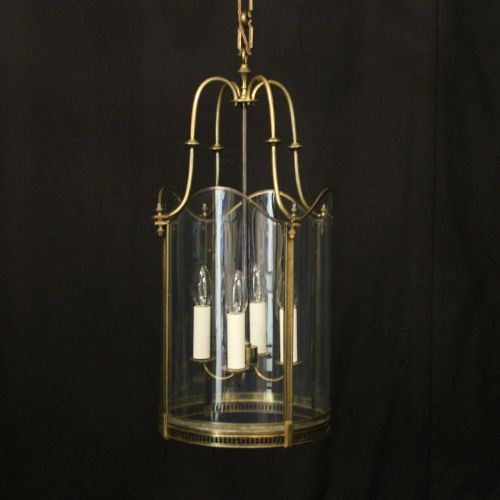
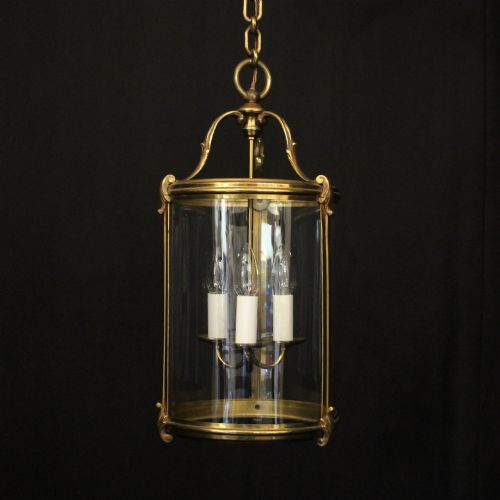
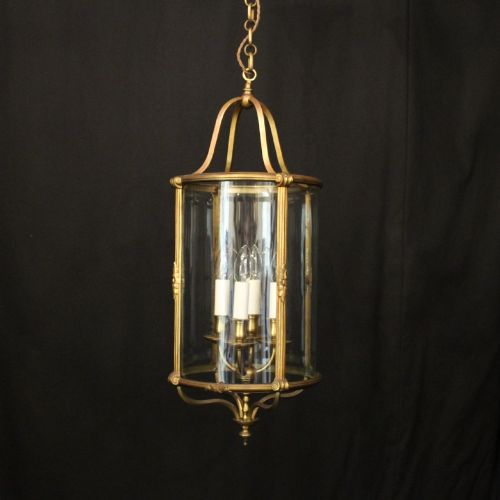
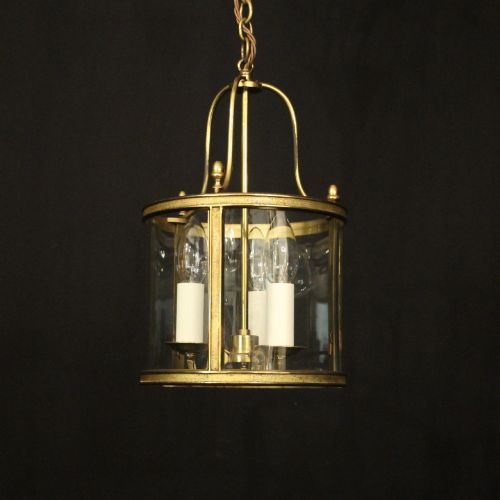
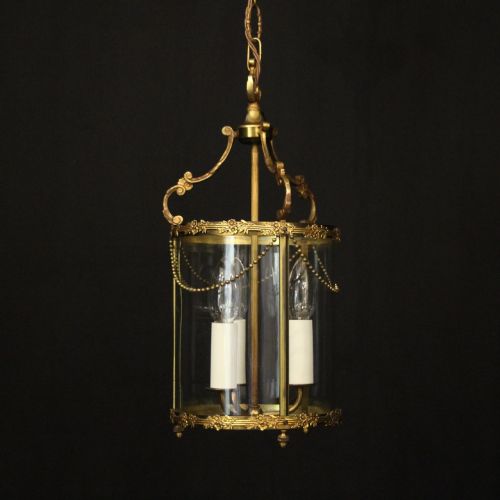
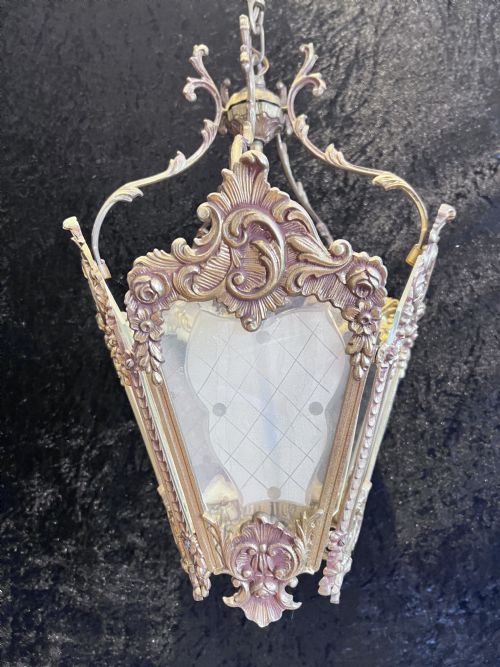
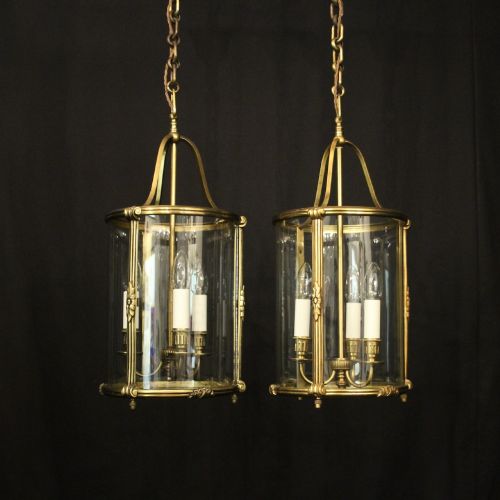
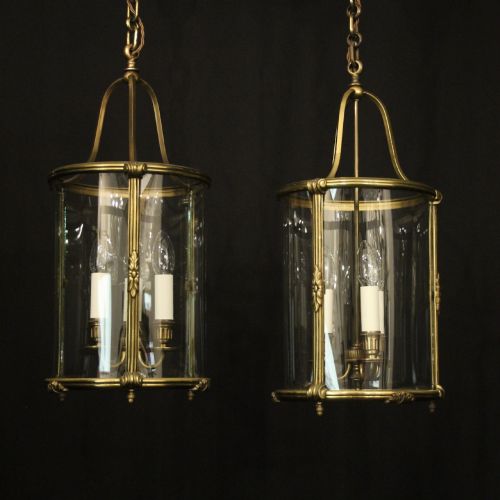
A french brass lantern light is an illuminating fixture designed for hallways, stairwells, and entrance spaces, drawing on historical forms such as the hall lantern, pendant, and wall sconce. These pieces combine metal frames with glass panels to direct illumination downward and outward into a space.
The selections available range from 19th-century works to items from the 1920s and 1930s, reflecting periods of strong metalworking traditions. Buyers most frequently encounter variations executed in gilded bronze, polished brass, and aged brass, often housing single or multiple internal lights.
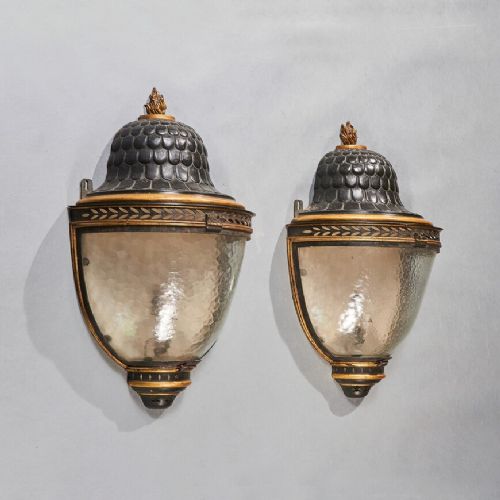
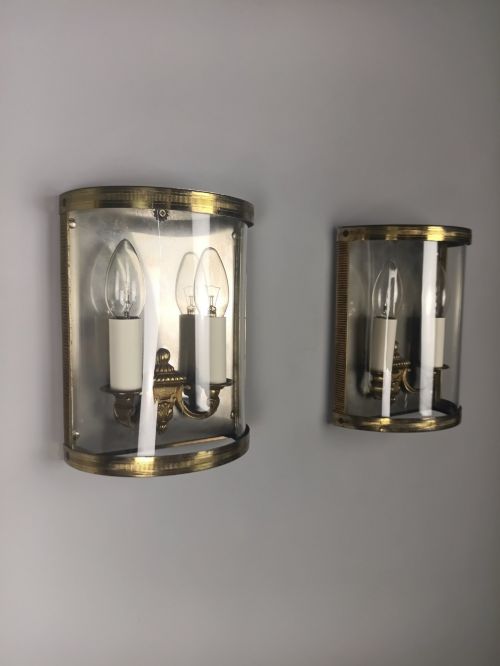
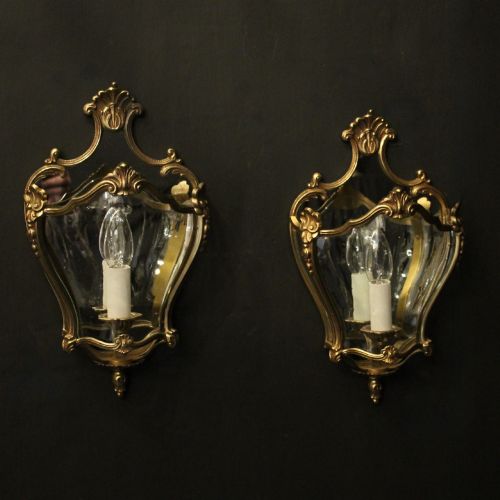
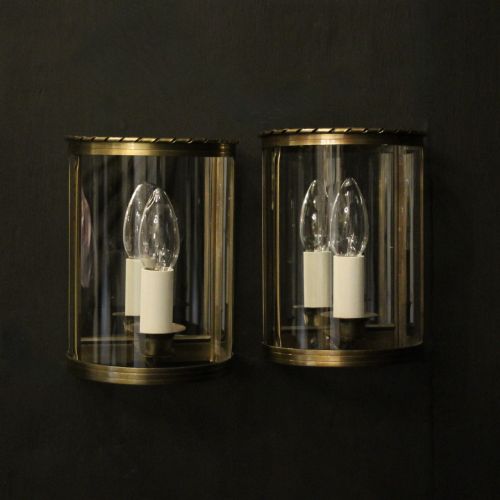
Stylistic influences span from French Rococo and Louis XVI styles to Neoclassical and Art Deco designs. Many pieces take the form of convex hall lanterns or half-lanterns intended for wall mounting, providing options for both high ceilings and compact corridors.
How They Were Made
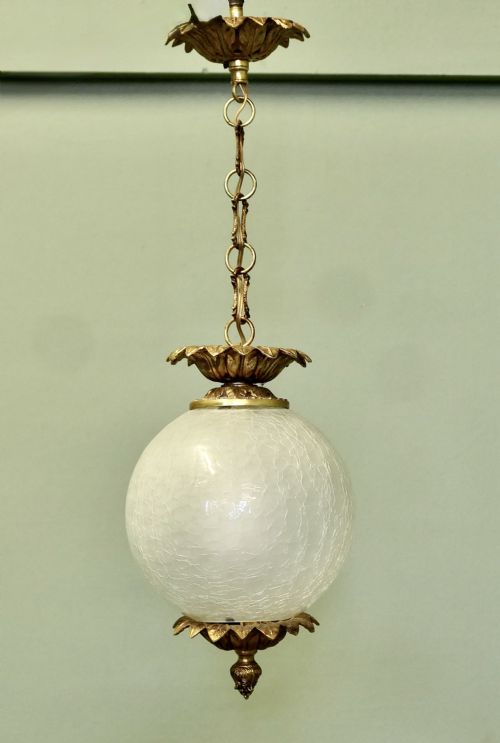
These lighting fixtures were constructed primarily from brass, bronze, and gilt bronze, utilising cast and sheet metal frameworks joined to hold protective glazing. Glass elements include convex panels, bevelled edges, and etched or moulded surfaces designed to refract the internal bulb illumination.
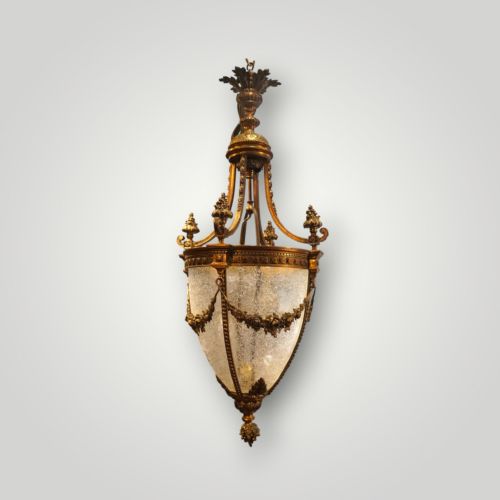
Surface finishes involve mercurial gilding, parcel gilding, or polished and aged patination applied to the underlying metal frame. Structural integrity relies on secure joints, hinged doors for access, and detailed metal mounts cast in floral, scroll, or neoclassical motifs.
Listings feature brass, bronze, and glass forms spanning the nineteenth century through the 1930s.
What Varies in Quality
The refinement of the cast metal mounts and the weight of the bronze or brass framework distinguish standard production from finer examples. Crisp detailing in stylistic motifs, such as acanthus leaves or neoclassical swags, indicates superior craftsmanship.
The choice and treatment of the glass panels also dictate grade, with heavy bevelled, convex, or intricately etched panes representing higher standards than plain flat glass. Original surface patination and gilding retention further separate exceptional specimens from heavily restored or stripped alternatives.
The French Brass Lantern Light Glossary
- Convex lantern
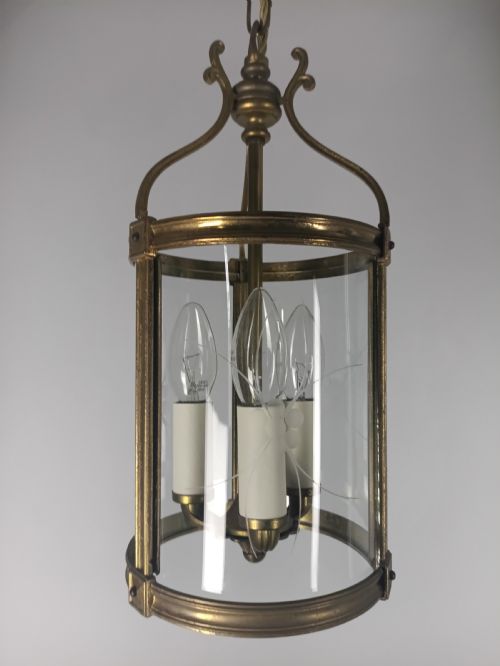
- A hanging or wall-mounted lighting fixture featuring outward-curving glass panels that soften and disperse the internal light. This curved glazing is frequently found on 1920s and 1930s hall lights.
- Gilt bronze
- An alloy of copper and tin treated with a layer of gold applied to the surface, offering a rich metallic sheen. Often referred to as ormolu, this material resists tarnishing.
- Half-lantern
- A lighting fixture split vertically to mount flush against a wall surface, functioning as a wall light or carriage lamp. These pieces suit narrower corridors where hanging pendants would obstruct movement.
- Hall lantern
- An elongated ceiling-suspended fixture engineered to illuminate entrance passages and stairwells. They typically feature enclosed glass sides and a decorative metal crown.
- Tole peinte
- Painted tinplate or sheet metal used in decorative elements of lighting fixtures, adding colour and contrast to the metallic frame. It appears on select 19th-century wall lanterns.
French Brass Lantern Light: Frequently Asked Questions
Where should I hang a hall lantern?
These fixtures are traditionally suspended in entrance hallways, vestibules, or grand stairwells where they provide primary illumination and serve as a decorative focal point. Their enclosed design directs light downward, making them well-suited for high-ceilinged circulation spaces.
When positioning a hanging lantern, ensure adequate clearance beneath the base for foot traffic and door swings. Wall-mounted half-lantern variants work effectively in narrower corridors or flanking architectural doorways.
How do I determine the period?
Dating relies on examining the construction techniques, metal patination, and stylistic vocabulary evident in the frame and mounts. Pieces influenced by Rococo or Empire revivals often date to the 19th century, while cleaner lines point toward the 1920s and 1930s.
Glass types also provide chronological clues, as heavy bevelled edges and complex convex mouldings align with specific manufacturing eras. Inspecting screws, joins, and internal wiring compartments reveals further details about the age of assembly.
Can these lights be rewired?
Most antique fixtures require updating to meet contemporary electrical safety standards before installation in a modern home. Professional rewiring ensures the internal lampholders and cabling are safe while preserving the exterior historic metalwork.
Rewiring typically involves retaining the original sockets where possible or replacing them with modern equivalents that accept standard bulbs. Qualified electricians can adapt these vintage fixtures for safe domestic use without altering their visual character.
What is the difference between brass and bronze?
Brass is an alloy composed primarily of copper and zinc, yielding a bright golden hue when polished. Bronze is an alloy of copper and tin, producing a heavier, deeper metallic tone that accepts gilding and patination differently.
In period lighting, gilded bronze often displays crisper cast details due to the superior properties of the metal during casting. Both materials develop natural patinas over time, which contribute to the historic appearance of the fixture.