



French Brass Casket
These french brass casket examples are decorative lidded containers made to house jewellery and keepsakes, offering a glimpse into nineteenth-century craftsmanship.
French Brass Casket
When you search for french brass casket, you encounter nineteenth-century decorative containers designed primarily for jewellery and trinkets. These boxes emerge in various periods, most notably through Victorian and Napoleon III styles, reflecting the elaborate tastes of the era.
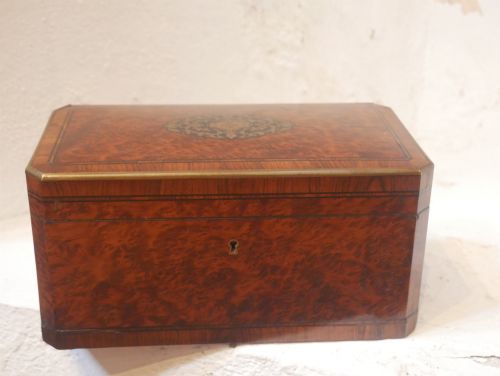
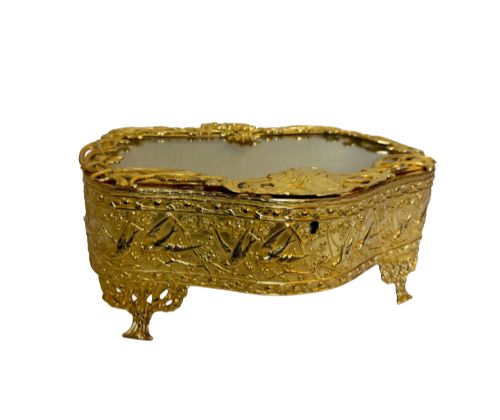
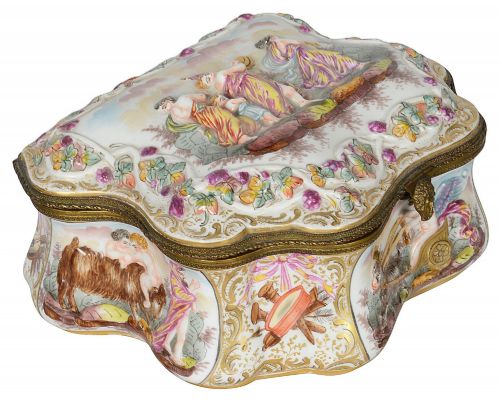
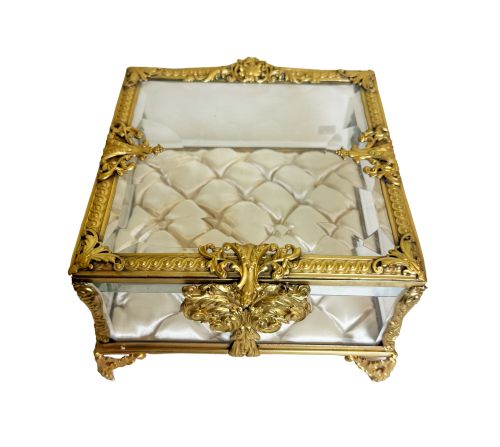
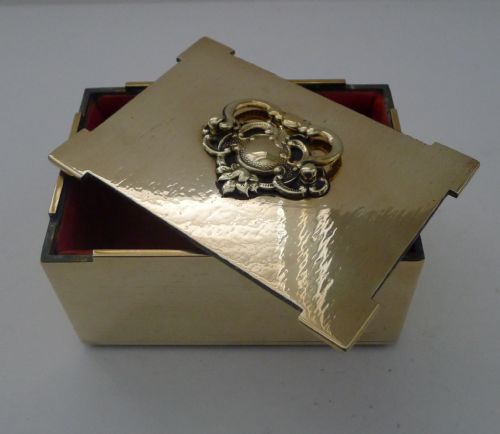
The objects take many forms, from simple cast brass frames holding bevelled glass panels to elaborate caskets mounted with ormolu and gilt bronze. Makers utilised diverse materials alongside brass, incorporating tortoiseshell, porcelain, enamel and exotic woods to create these decorative boxes.
Assessing quality
Quality rests in the precision of the metal casting and the crispness of the chased details on the ormolu and gilt bronze. Finer examples display heavier gauge brass frames and tightly fitted bevelled glass panels without looseness.
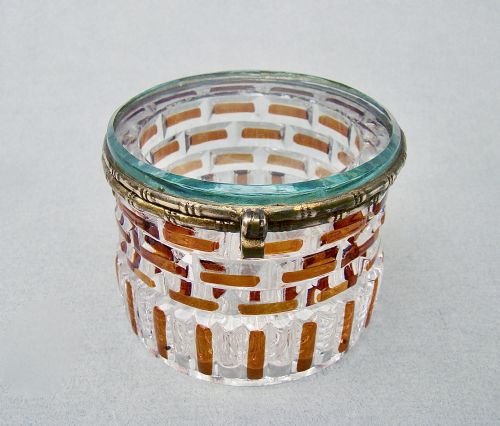
The choice of secondary materials marks the upper tier of the range, such as inset porcelain plaques, hand-painted miniature portraits or fitted interior scent bottles by makers like Baccarat. Superior finishing extends to the hinges, locks and interior silk linings.
One miniature coach and horses box hides an opaline egg inside, proving the Victorians loved a carriage ride with their trinkets.
Tahan Paris·Lund Of Cornhill
The French Brass Casket Glossary
- Ormolu
- A technique of applying finely ground, high-carat gold to a bronze or brass object using a mercury amalgamation process. This finish provides a bright golden lustre characteristic of nineteenth-century decorative items.
- Boulle
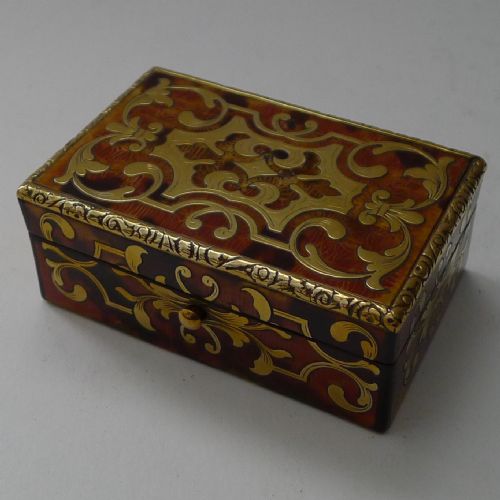
- A form of marquetry developed in France consisting of tortoiseshell and brass inlaid in contrasting patterns. It is named after André-Charles Boulle and appears on select nineteenth-century boxes.
- Bevelled glass
- Glass panes with edges cut and polished at an angle. This treatment catches the light and adds depth to glass-panelled caskets.
- Electro-form
- A manufacturing method utilising electroplating to produce metal objects or coatings directly onto a form. This technique enabled the creation of detailed gilded copper vessels.
- Palais Royal
- A commercial district in Paris associated with luxury novelties and small decorative items during the nineteenth century. Pieces originating here often display miniature paintings or novelty designs.
French Brass Casket: Frequently Asked Questions
What were french brass caskets used for?
These containers served primarily as dressing table accessories to store jewellery, trinkets and precious keepsakes. Wealthy owners also used them to house scent bottles, playing cards or personal letters.
Their decorative nature meant they were displayed openly on tables and cabinets within nineteenth-century drawing rooms and boudoirs.
How do I identify a Napoleon III casket?
Napoleon III pieces generally date from the mid-nineteenth century and showcase eclectic revivals of earlier historical styles. Look for heavy ormolu mounts, rich gilt bronze and elaborate cast ornamentation.
They frequently incorporate glass panels, tortoiseshell or exotic wood veneers to create a lavish, ornate appearance.
Are interior linings original?
Many nineteenth-century boxes retain their original silk, velvet or paper linings, though wear and fading are common over time. Silk interiors often show fraying due to the friction of stored jewellery.
Original linings help confirm the period, but replacement linings are frequently encountered in pieces that have seen active use.
How should I clean a brass casket?
Maintenance requires gentle dusting with a soft, dry cloth to prevent the accumulation of dirt in recessed crevices. Avoid harsh chemical polishes that can strip the original gilding or ormolu finish from the metal.
Glass panels can be wiped with a mild glass cleaner applied to a cloth rather than sprayed directly onto the box.