





French Brass Bookcase
A french brass bookcase brings refined display and storage to a room through glazed doors and polished metal mounts.
French Brass Bookcase
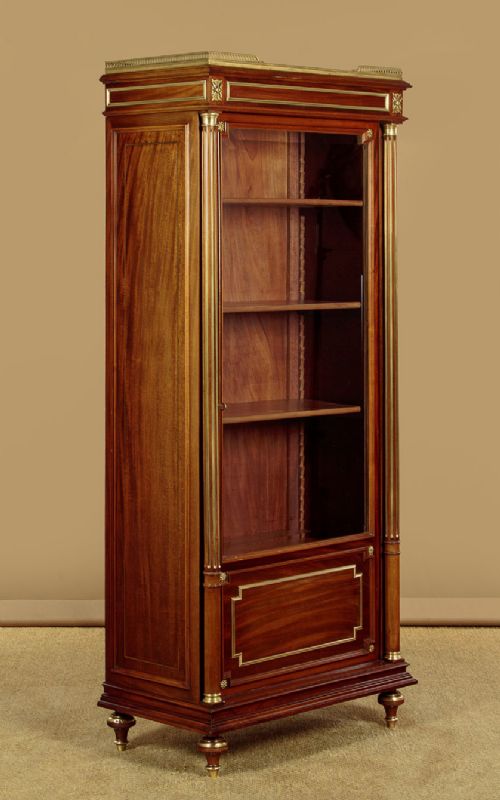
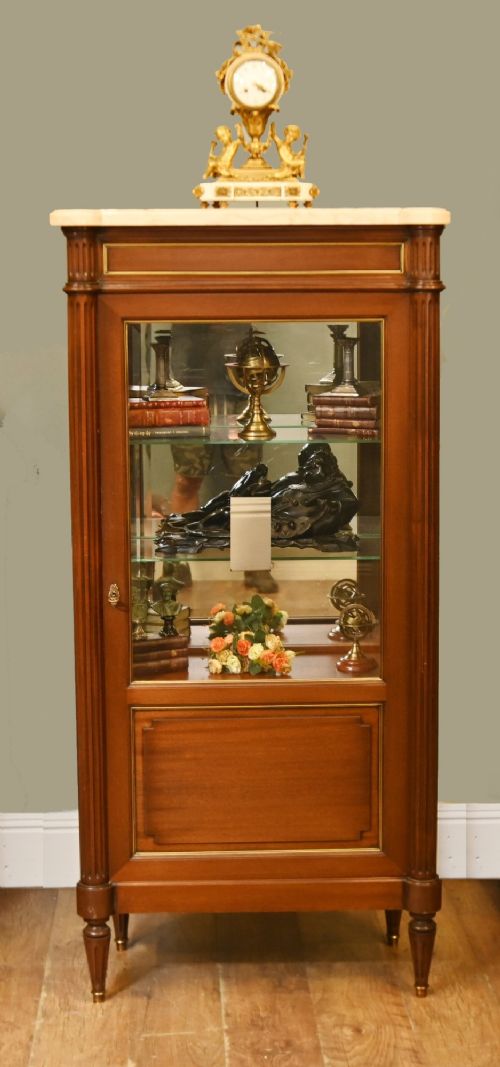
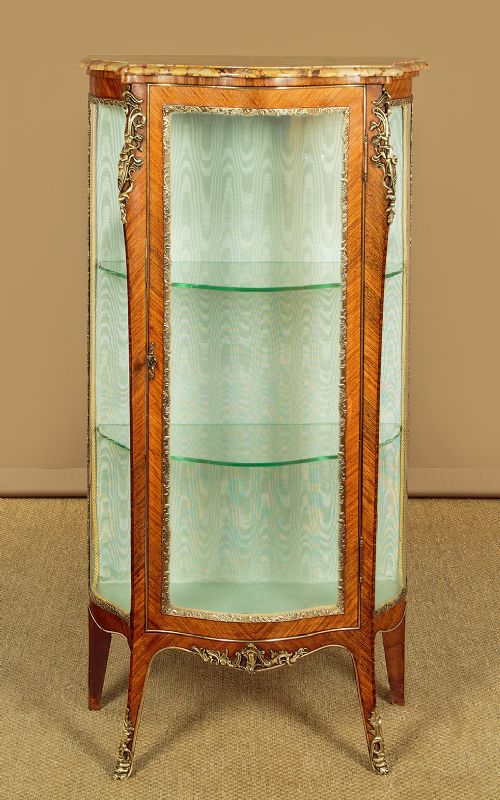
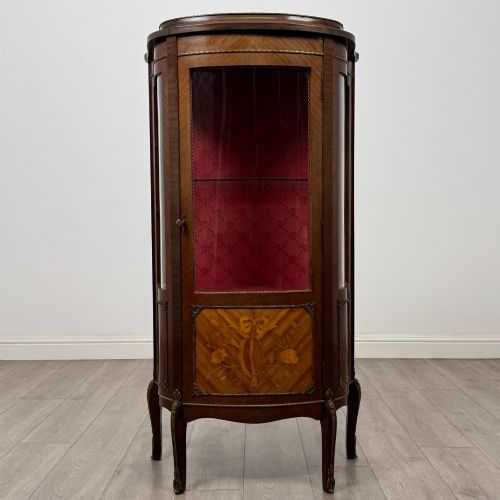
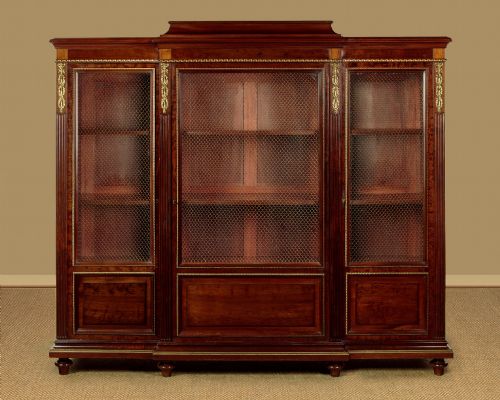
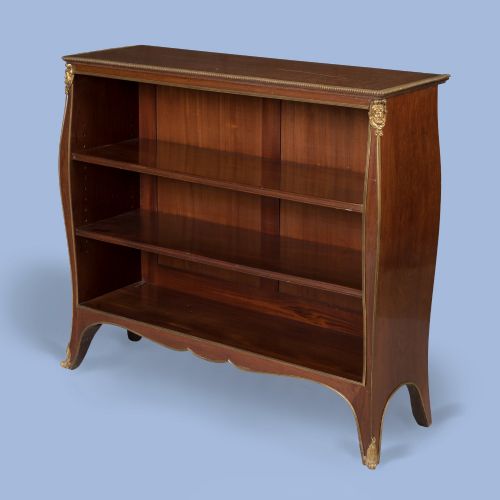
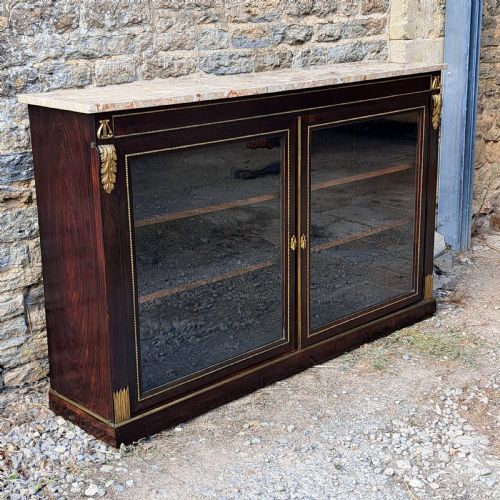
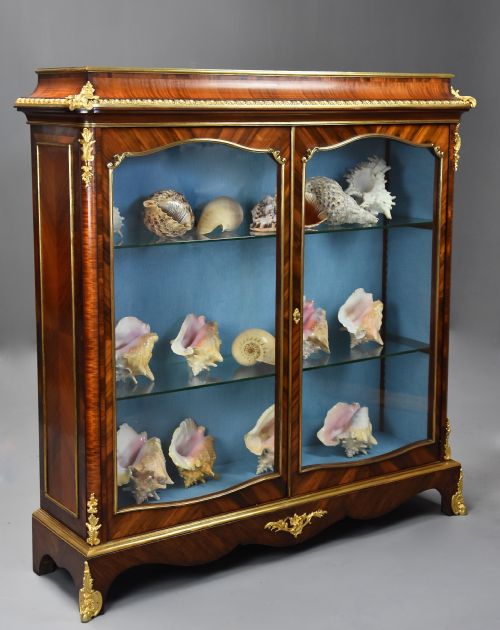
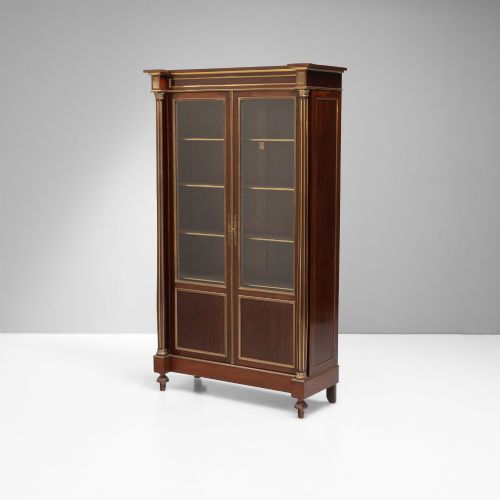
A french brass bookcase combines timber shelving with glazed panels, ormolu mounts, and brass gallery rails. These pieces emerge across nineteenth and early twentieth century periods, reflecting Napoleon III, Empire, and Louis XV design influences.
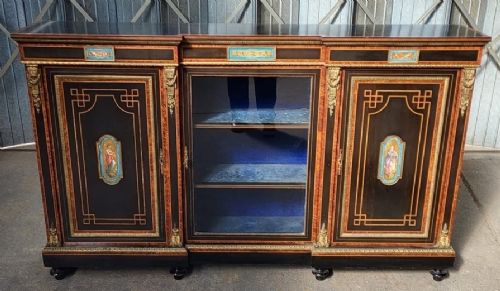
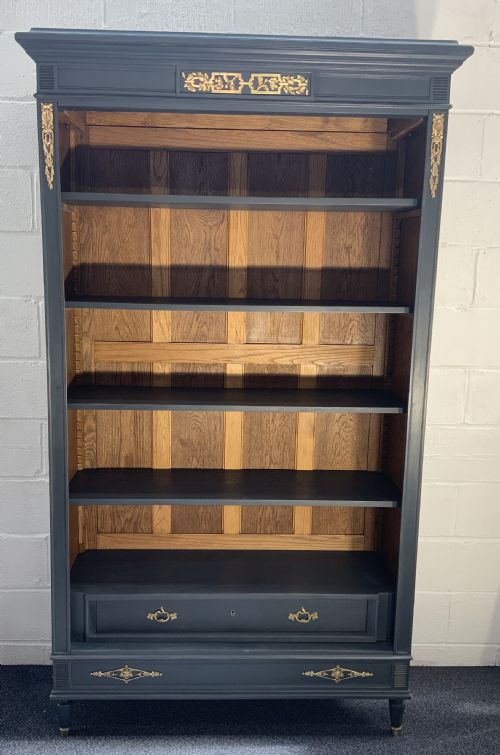
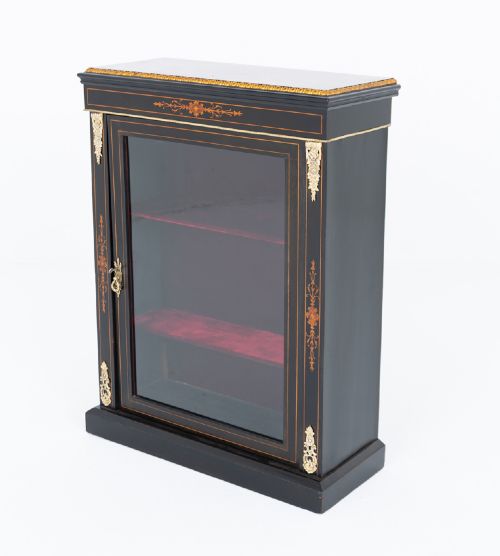
Buyers encounter closed vitrines, open front bookcases, and narrow pier cabinets built from mahogany, ebonised wood, kingwood, and rosewood. Ormolu and brass mounts frame the doors and corners, highlighting the silhouette against the wall.
Quality Indicators
The precision of the brass or ormolu mounts distinguishes superior examples, where cast details remain sharp and fit tightly against the wood. Lesser pieces feature simpler stamped metal work with less definition.
Veneer selection and marquetry execution dictate the upper tier of production, showing careful grain matching and intricate inlay. Solid secondary timbers inside and original glass panes further separate fine cabinets from standard iterations.
French Brass Bookcase Retail Price Guide 2026
Typical asking prices for french brass bookcase among the pieces listed under this phrase on Sellingantiques today, from the lower quarter to the upper quarter. They describe what is for sale here now, not the wider market.
Listings feature eighteenth and nineteenth century periods alongside Edwardian and Art Deco eras, constructed in mahogany, walnut, kingwood, and ebonised wood.
Paul Sormani
The French Brass Bookcase Glossary
- Ormolu
- Gilded bronze mounts applied to furniture. This technique adds metallic highlights and decorative borders to cabinet frames.
- Vitrine
- A glass-fronted display cabinet. These pieces allow for the safe exhibition of porcelain, books, and curiosities.
- Boulle
- A style of marquetry using brass and tortoiseshell inlay. Developed in France, it creates elaborate patterns across dark wood surfaces.
- Pier cabinet
- A low cabinet designed to stand against a wall pier between windows. They typically feature a single glazed door and brass mounts.
- Marquetry
- Decorative veneer patterns formed by fitted pieces of wood and other materials. Artisans create pictorial or geometric designs across cabinet doors.
French Brass Bookcase: Frequently Asked Questions
What is a french brass bookcase used for?
These cabinets serve to house book collections while displaying decorative objects behind glass panels. The enclosed shelving protects volumes from dust and handling.
They function well in libraries, sitting rooms, and hallways where refined storage is required. The brass detailing adds a decorative accent to traditional and contemporary interiors alike.
How do I identify a nineteenth century piece?
Nineteenth century examples display hand-cut dovetails on drawer construction and traditional timber framing methods. The patination of the wood and the casting quality of the ormolu mounts indicate the period.
Stylistic cues such as Napoleon III ebonisation or Empire proportions help narrow down the decade of manufacture. Consulting the specific wood types and veneer styles provides further chronological context.
How do I care for ebonised wood and brass?
Clean ebonised wood surfaces with a soft, dry cloth to remove dust without harming the dark finish. Avoid excessive moisture and direct sunlight to preserve the timber.
Polish brass and ormolu mounts gently with a dry microfiber cloth, avoiding harsh metal cleaners that might strip the gilding. Regular, light maintenance keeps the metal bright and protects the surrounding veneer.
Where should I place a pier cabinet?
Pier cabinets fit well in narrow wall spaces between windows or doorways where larger furniture will not fit. Their shallow depth allows them to occupy minimal floor space while offering display capacity.
Positioning them away from direct heat sources and radiators prevents the timber veneers from drying out and cracking over time.