

French Bevelled Mirror
A french bevelled mirror brings instant depth and light to a room, pairing heavy gilded frames with angled glass plates.
French Bevelled Mirror
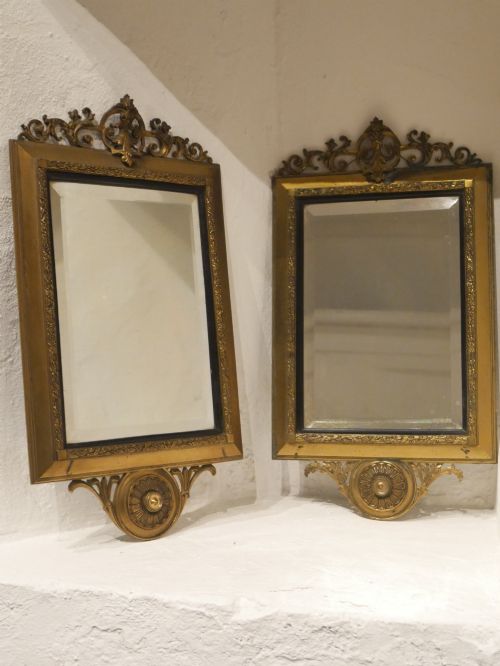
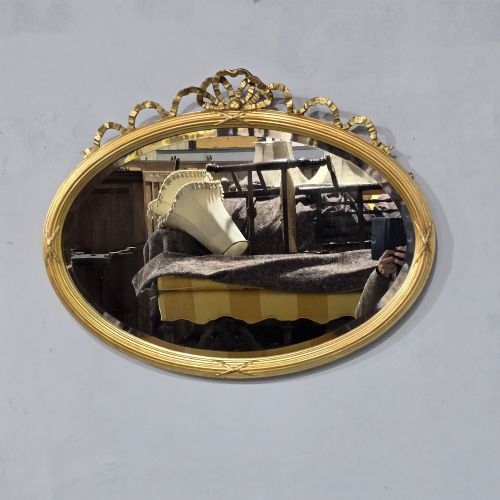
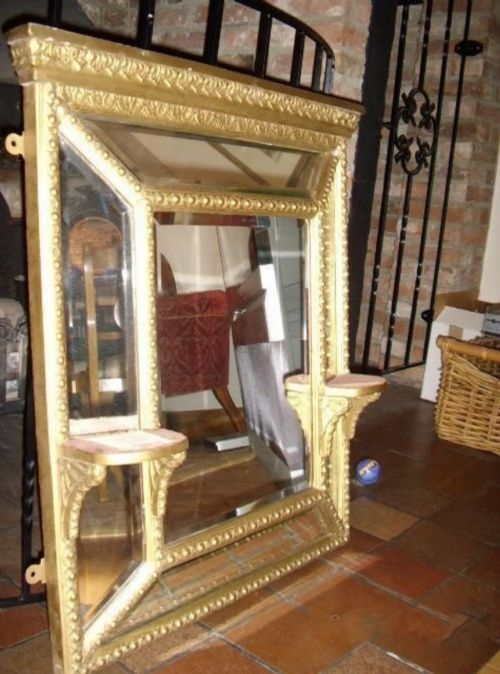
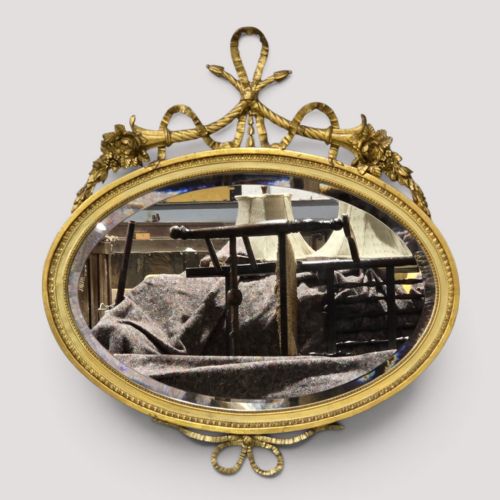
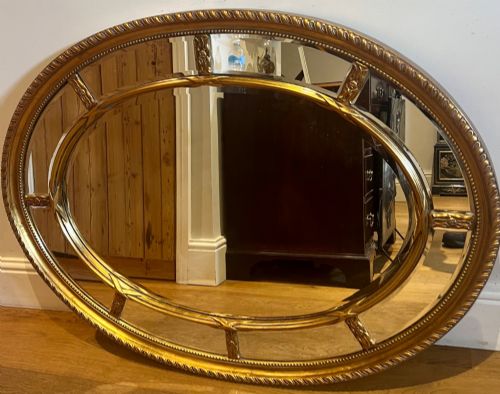
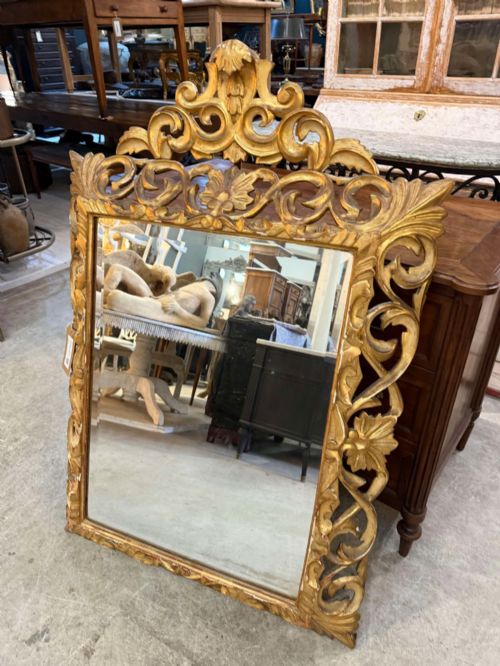
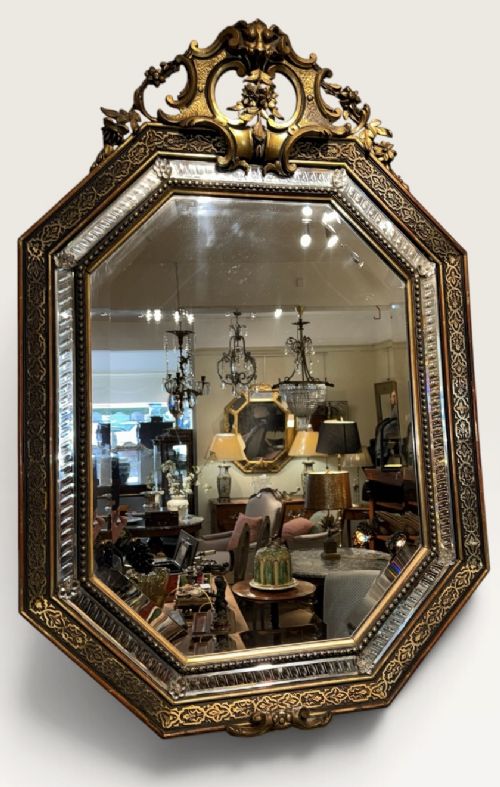
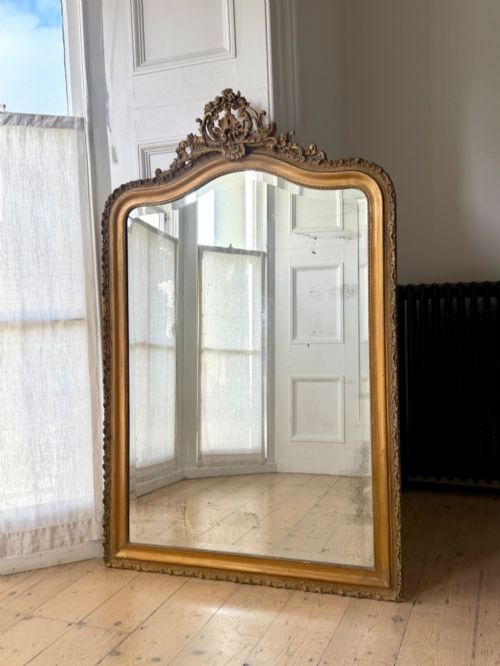
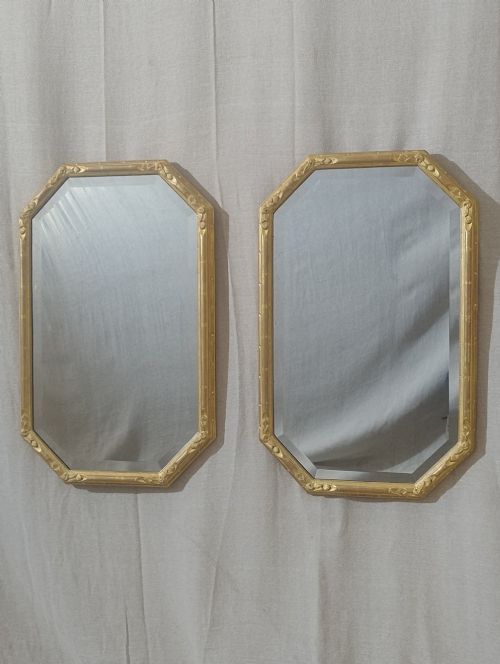
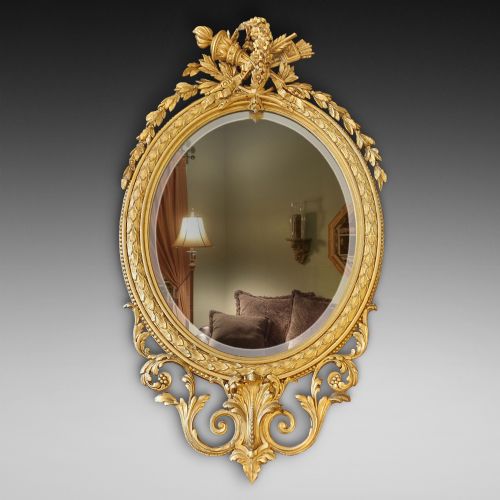
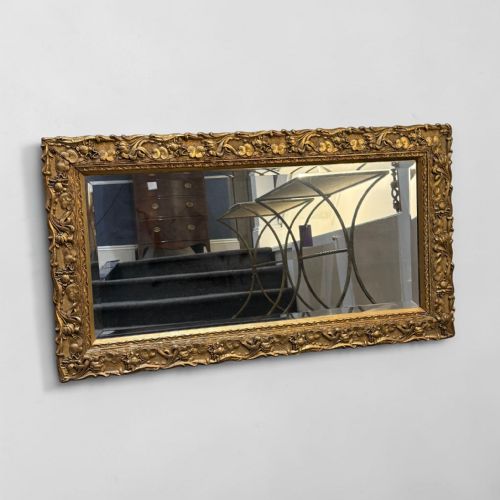
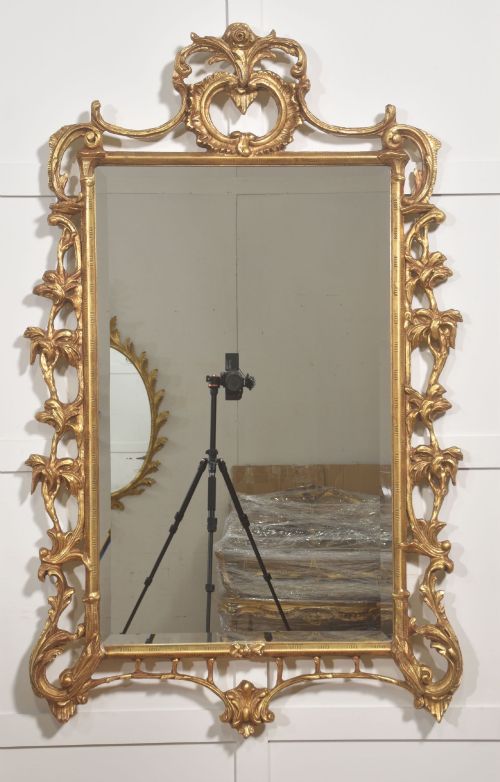
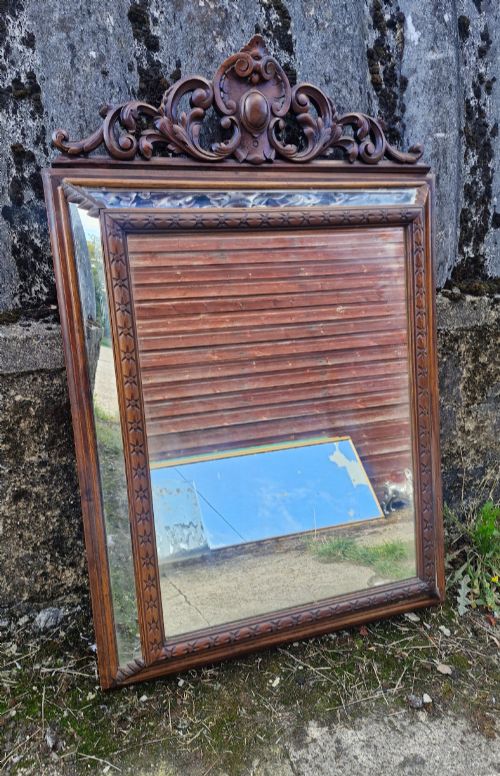
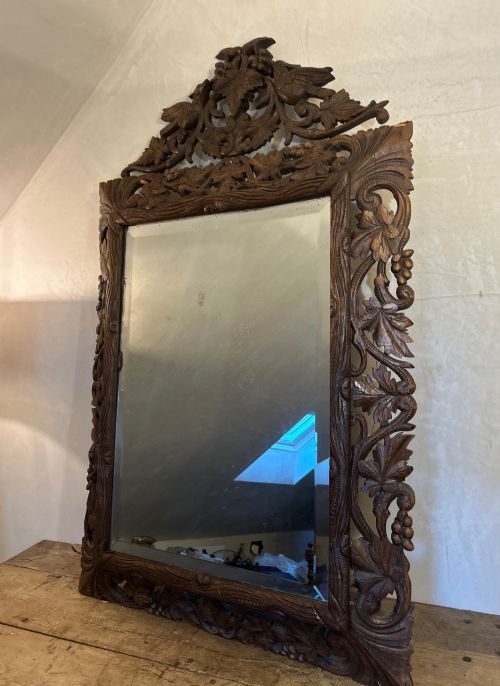
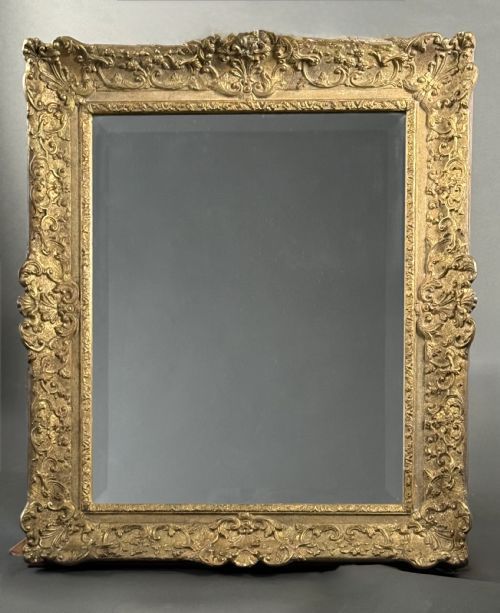
A french bevelled mirror centres on wall-hanging and overmantel formats framed in gilded wood, oak, or gesso. These pieces span the nineteenth century up to the art deco period, drawing on rococo revival and louis formats.
Most examples you encounter merge carved timber foundations with characteristic angled edge glass plates. They appear across styles ranging from ornate chateau giltwood to simpler oak frames and brass table mirrors.
How they were made
Craftsmen shaped mirrors using solid woods like oak and walnut, alongside gesso applied to timber bases for intricate relief work. Giltwood pieces utilised gold leaf laid over prepared grounds to achieve a brilliant metallic finish.
Glass plates were ground by hand at the edges to create the sloping bevel that catches and refracts light distinctly. Frames incorporated carved floral motifs, moulding, and cushion profiles typical of nineteenth-century French and Victorian workshops.
French Bevelled Mirror Retail Price Guide 2026
Typical asking prices for french bevelled mirror among the pieces listed under this phrase on Sellingantiques today, from the lower quarter to the upper quarter. They describe what is for sale here now, not the wider market.
Listings feature periods spanning the Victorian era, the nineteenth century, and the nineteen-thirties, utilising materials such as brass, oak, and giltwood.
What varies in quality
Quality rests in the crispness of the hand-carved detailing on the frame and the depth of the gold leaf or gesso application. Finer pieces display sharper relief work and harmonious proportions between the heavy plate and the surrounding structure.
The integrity of the original glass plate and the precision of the edge bevelling distinguish superior examples from standard domestic furnishings. Original mercury or early silvered glass showing gentle ageing commands greater appreciation than later replacements.
The French Bevelled Mirror Glossary
- Bevelled glass
- Glass with an angled edge ground and polished to a specific slope, which refracts light and creates a decorative border.
- Giltwood
- Timber, typically pine or oak, coated with gold leaf or metal leaf over a prepared gesso ground.
- Gesso
- A plaster-like mixture applied to wooden frames to provide a smooth base for carving and gilding.
- Cushion mirror
- A frame style with a rounded, convex profile that swells outward toward the outer edge.
- Rococo revival
- A nineteenth-century design movement favouring asymmetrical scrolls, floral elements, and naturalistic ornamentation.
French Bevelled Mirror: Frequently Asked Questions
How do I hang a heavy giltwood wall mirror safely?
Heavy frames require sturdy wall anchors secured directly into studs or masonry to support the substantial weight of the timber and glass plate.
Professional mirror fixings or heavy-duty strap hangers distribute the load evenly across the structure.
Are the glass plates usually original to the frame?
Many nineteenth-century pieces retain their original bevelled glass plates, often identifiable by subtle foxing, minor oxidation, or slight surface imperfections.
Replacement glass tends to appear entirely uniform and lacks the characteristic softening of age found in period plates.
How do I clean an antique gilded frame?
Dust the carved surfaces gently with a soft, dry brush to prevent dislodging delicate areas of gold leaf or gesso relief.
Avoid all liquid cleaners and chemical solvents, which can strip the historic finish from the timber.
What is an overmantel mirror?
An overmantel mirror is a wide format designed specifically to hang on the wall directly above a fireplace mantelpiece.
These pieces often feature elongated horizontal proportions to balance the width of the hearth below.