
French Bench Seat
When you search for french bench seat, you find long-lasting seating forms crafted across the nineteenth and early twentieth centuries.
French Bench Seat
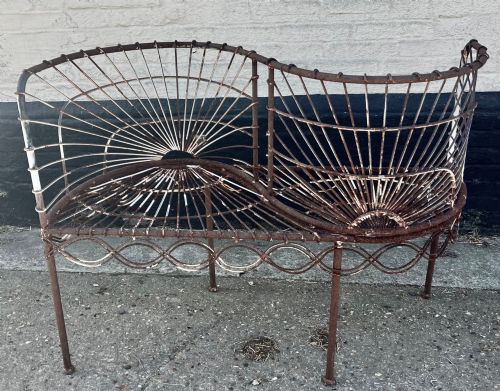
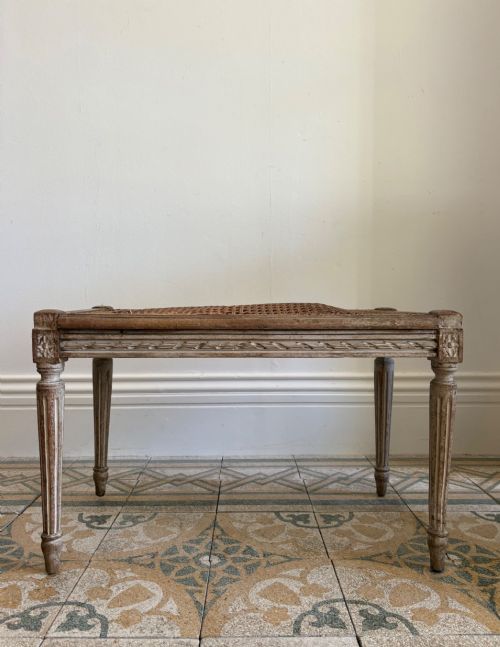
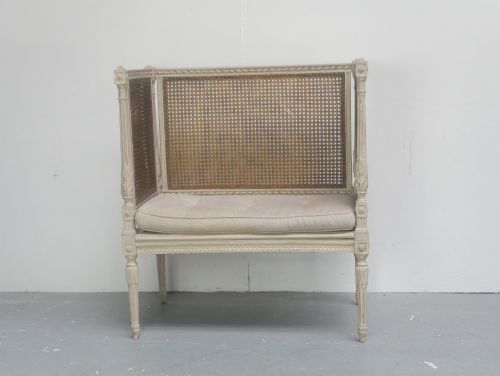
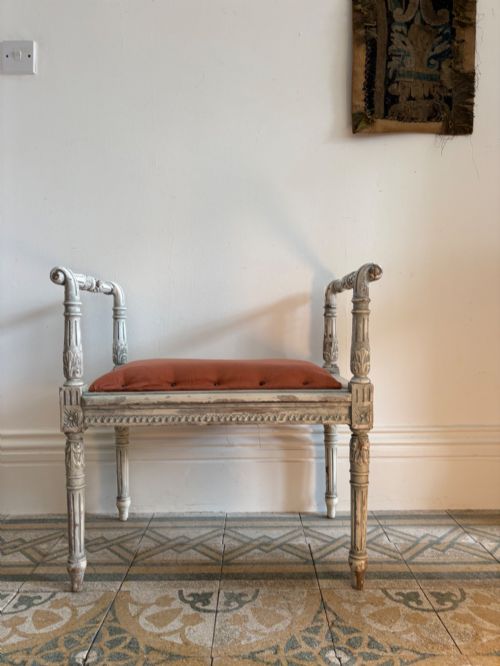
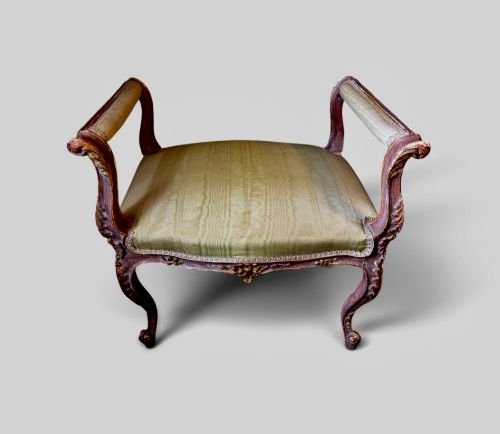
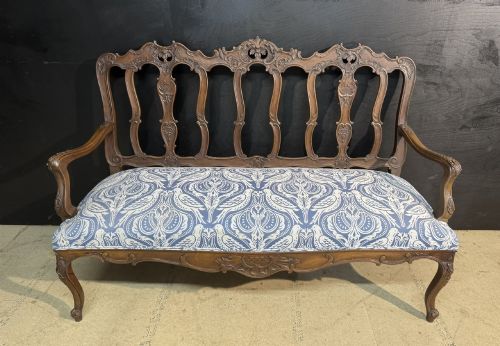
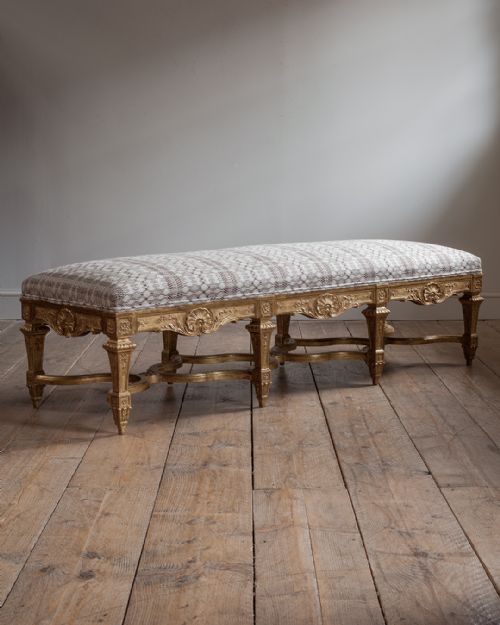
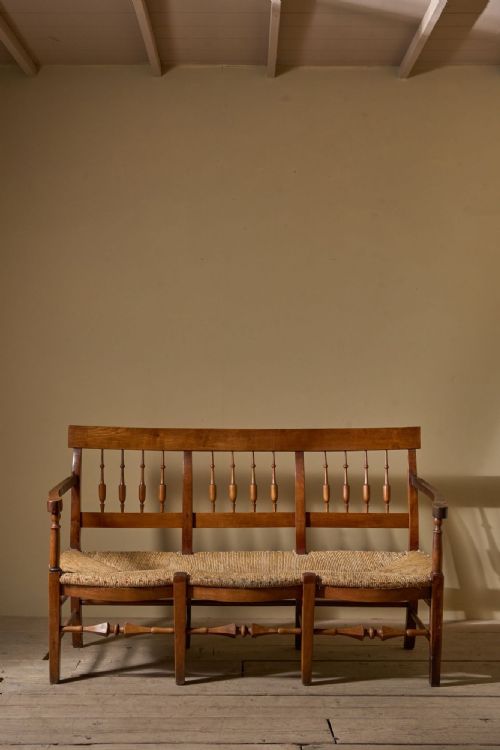
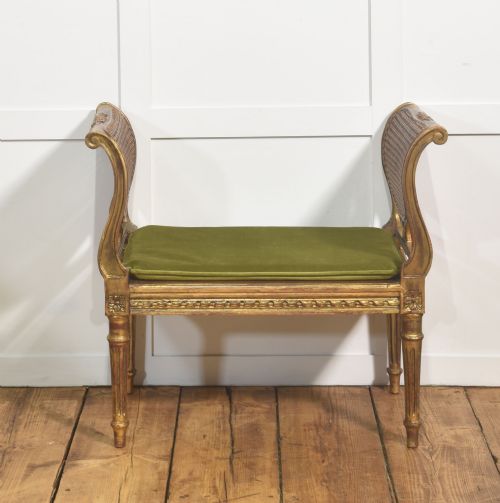
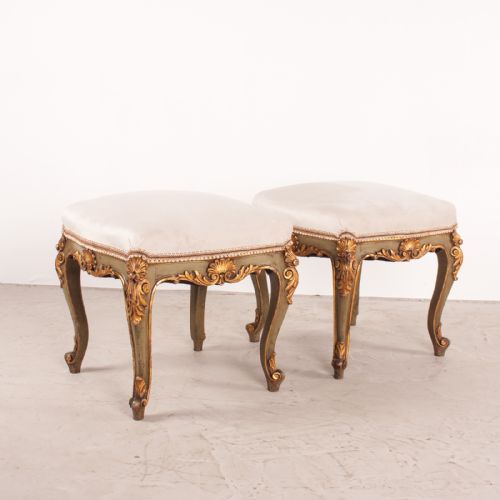
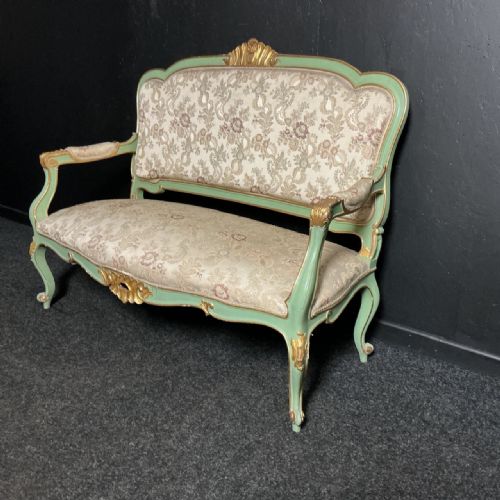
A french bench seat encompasses varied forms designed for seating across domestic interiors and gardens, ranging from rustic fruitwood and cherrywood hall benches to formal giltwood window seats and Louis-style settees.
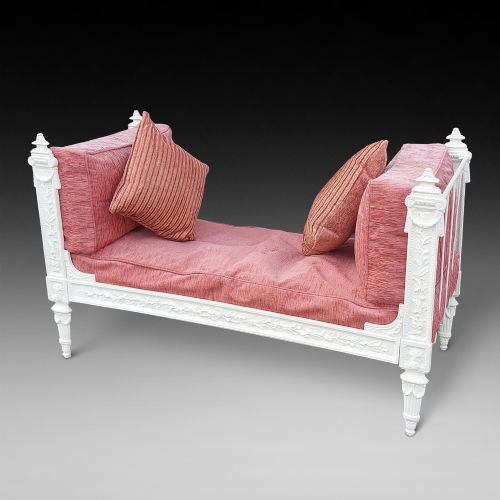
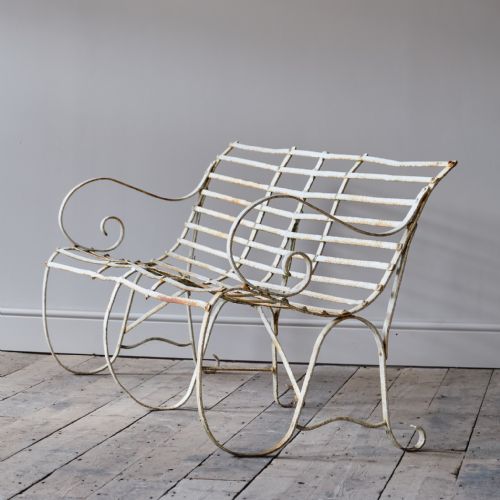
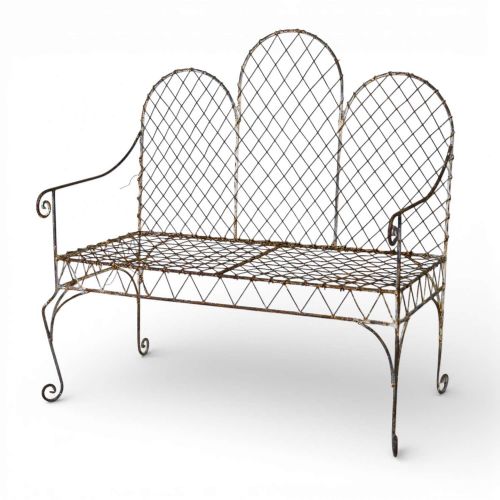
The selection extends from indoor window benches and daybeds to metal and wrought iron garden seats, reflecting both refined salon aesthetics and robust country craftsmanship.
Materials and construction
Traditional makers utilised solid timbers including walnut, cherrywood, oak, and fruitwood, shaping frames through joinery and carving for both indoor furniture and sturdy garden benches.
Decorative pieces often incorporate giltwood, painted and gilded finishes, ebonisation, and ormolu mounts, while seating surfaces rely on woven rush, cane, silk, velvet, and leather upholstery.
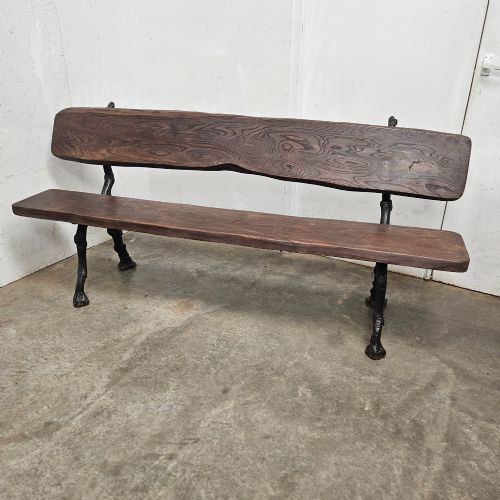
Exterior examples employ wrought iron, cast iron, and faux bois concrete or metal techniques to withstand outdoor use while mimicking natural wood grains.
Some nineteenth-century makers tricked the eye completely by fashioning sturdy metal garden benches to look like knotted tree branches.
Distinctions in quality
Quality rests in the crispness of hand-carved wood details, such as cabriole legs, fluting, and giltwood ornamentation, compared to softer or later mechanical shaping.
The integrity of the frame construction and the original condition of materials like cane, rush, and joinery dictate the longevity and authenticity of each piece.
The French Bench Seat Glossary
- Banquette
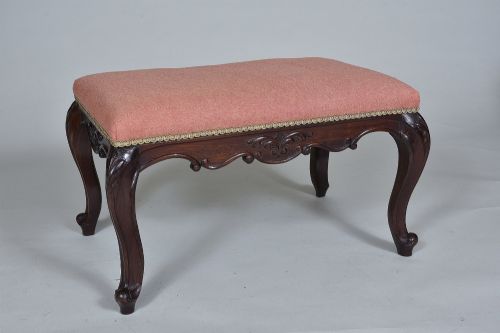
- An upholstered bench or long seat, often featuring cushioned seating for domestic interiors. These pieces appear frequently in nineteenth-century urban and country settings.
- Canape
- An ornamental sofa or settee featuring an upholstered seat and backrest within a carved wooden frame. Such forms typify formal reception rooms.
- Faux bois
- A technique imitating wood grain using metal, iron, or cement. This finish appears primarily on garden benches and exterior seats.
- Rush seat
- Seating woven from marsh grasses, commonly found on country hall benches and simpler dining pairs. The texture provides durable support.
- Window seat
- A narrow bench designed to fit within a window recess. These items often feature silk or cane inserts.
French Bench Seat: Frequently Asked Questions
Where should I place a french bench seat?
These pieces suit hallways, bedrooms at the foot of a bed, or living spaces as alternative sofa seating. Their varied proportions allow them to fit narrow corridors or open rooms.
Garden variants function well outdoors on patios or lawns, matching the metal and faux bois constructions recorded in the evidence.
How do I identify a Louis XVI style bench?
Louis XVI style seats typically feature straight, fluted legs and neoclassical geometric carvings. The frames avoid the curved exuberance seen in earlier Rococo designs.
Giltwood and restrained ornamentation often accompany this style, matching pieces produced around the turn of the twentieth century.
What is the difference between a hall bench and a window seat?
Hall benches are generally taller and deeper, sometimes incorporating solid wood or rush seats designed for everyday entryway use. Cherrywood and oak examples dominate this category.
Window seats are shallower and more decorative, frequently adorned with giltwood, cane, or silk upholstery intended for refined rooms.
Are these benches comfortable for daily use?
Upholstered banquettes, settees, and daybeds with velvet or leather trim offer soft cushioning suitable for relaxation. Rush and wooden variants provide firm, upright support.
Adding loose cushions can adjust the comfort level of antique wooden or iron garden benches to suit modern seating preferences.