
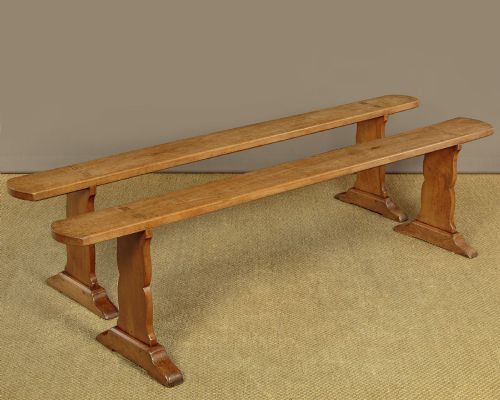


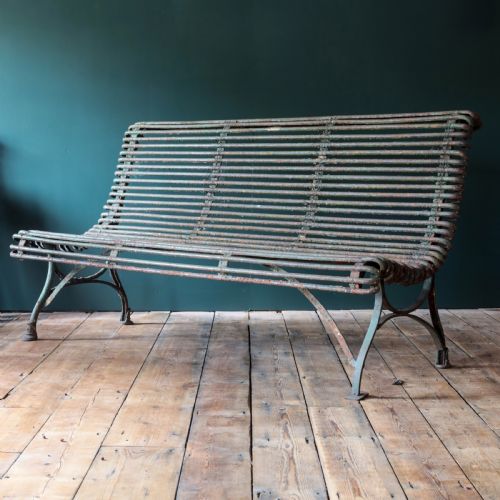
Vintage French Bench Seat
A vintage french bench seat brings a distinct architectural poise to a room, offering practical seating shaped by provincial workshops and Parisian salons alike.
Vintage French Bench Seat
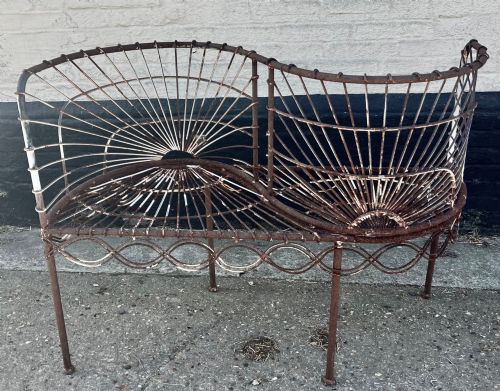
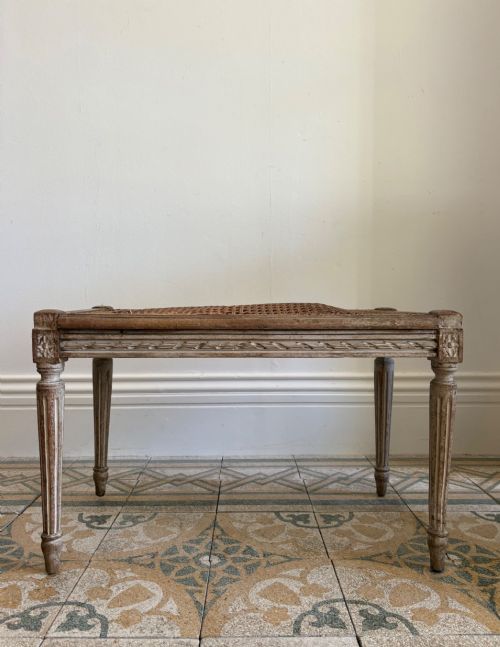
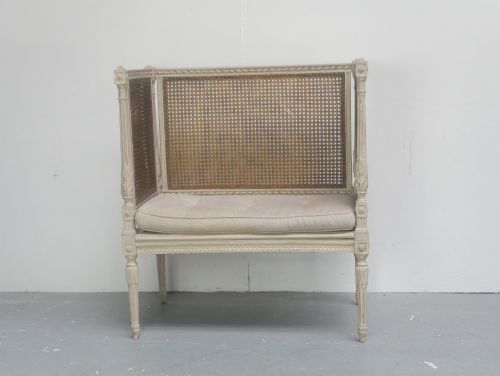
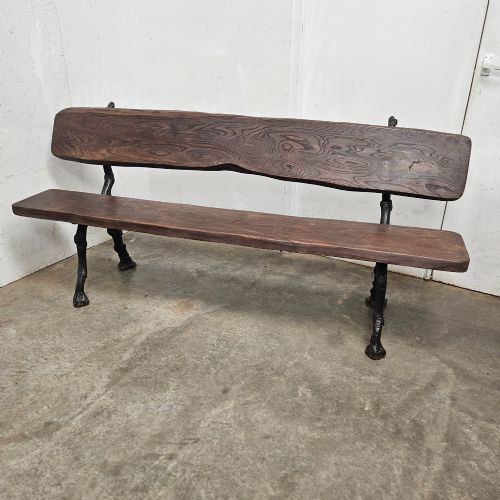
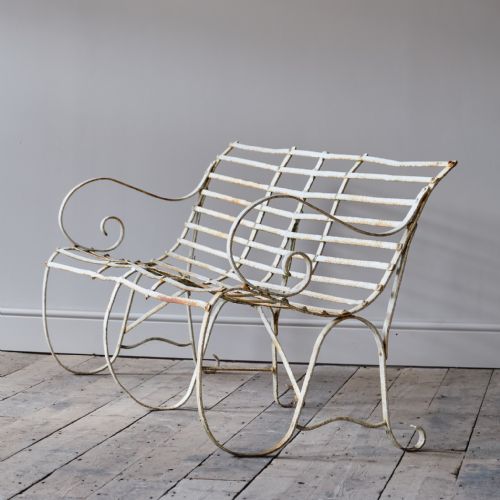
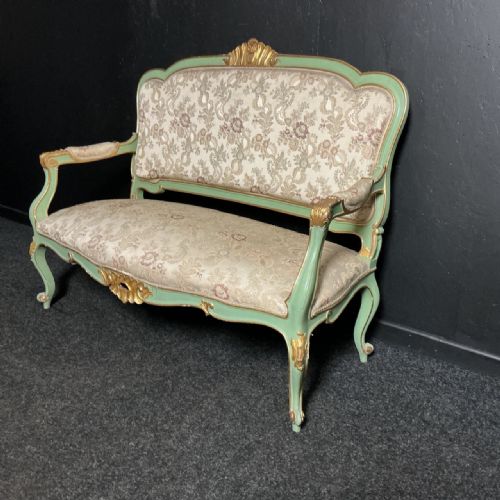
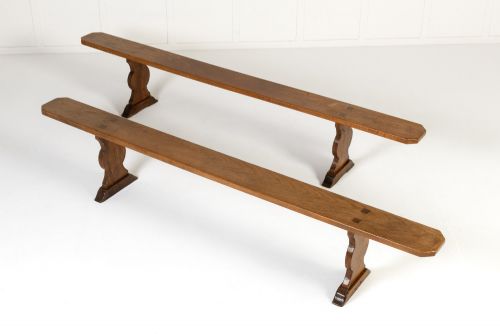
A vintage french bench seat spans various domestic and outdoor forms, encompassing interior salon seating, window benches, and robust metal garden pieces. Buyers encounter both provincial wooden furniture and refined pieces executed in the Louis XV and Louis XVI styles.
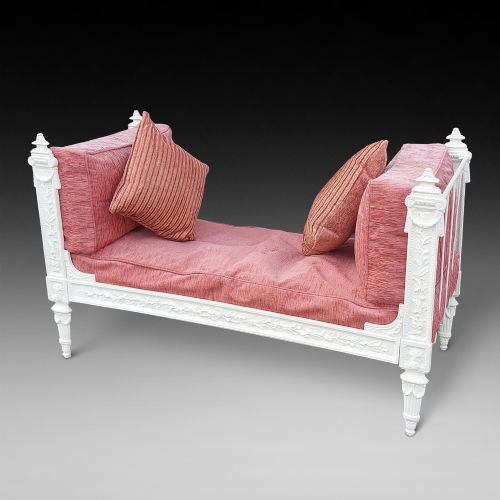
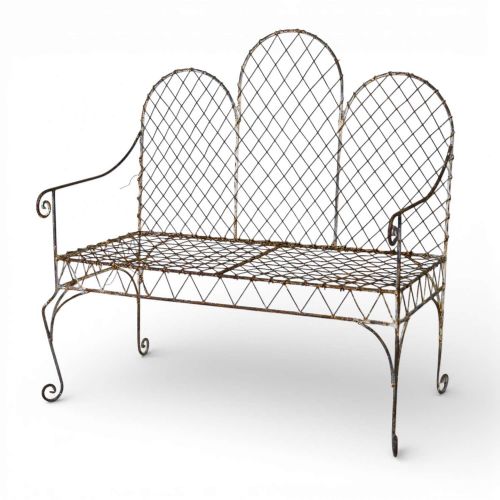
The selection ranges from nineteenth-century fruitwood, cherrywood, and elm framing to later twentieth-century painted iron and wirework garden furniture. Pieces include banquettes, daybeds, and two-seat settees originating across the nineteenth and early twentieth centuries.
How they were made
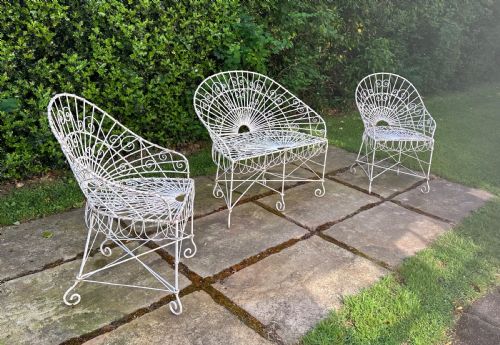
Construction relies upon traditional timber framing in walnut, oak, chestnut, and fruitwood, often joined by hand and finished with paint, gilt, or ebonisation. Metal garden examples utilise wrought iron, cast iron, and wirework, sometimes incorporating faux bois techniques.
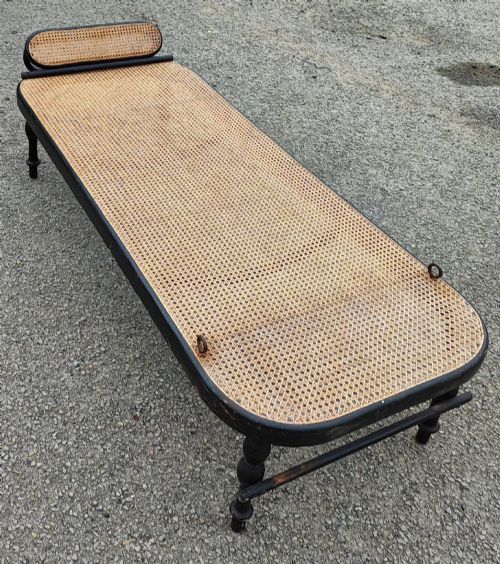
Upholstery and surface detailing involve applied cane work, leather, and velvet trim, paired with carved decorative elements such as fluted legs and scrolling structural supports.
Listings feature pieces spanning the 1860s to the 1960s, constructed from wrought iron, giltwood, fabric, and various timbers including elm, walnut, and cherrywood.
What varies in quality
Quality rests upon the crispness of hand-carved woodwork and the integrity of structural joins in timber frames, distinguishing bespoke workshop items from simpler country pieces. In metalwork, the weight of the iron and the delicacy of strap work or wirework define the tier of production.
The survival of original surface treatments, including patinated paint, gilt, and woven cane, marks the distinction between pieces retaining their period character and those altered by later interventions.
The Vintage French Bench Seat Glossary
- Banquette
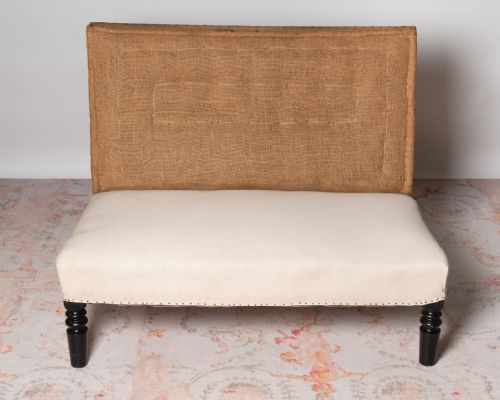
- An upholstered bench or long seat, often featuring a backrest and associated with French salon or dining interiors.
- Faux bois
- An imitation of wood grain rendered in metal or concrete, frequently found on nineteenth-century garden benches.
- Giltwood
- Timber that has been coated with a thin layer of gold leaf or gilt paint, common in formal revival seating.
- Cane
- Woven rattan material utilised for seat panels and backrests, providing lightweight resilience in period frames.
- Arras
- A specific style of nineteenth-century French metal garden furniture, known for robust strap work construction.
Vintage French Bench Seat: Frequently Asked Questions
Where should I place a vintage french bench seat?
These pieces suit hallways, bedroom ends, and living spaces where a narrow profile provides functional seating without dominating the floor plan. Garden variants function effectively on terraces or lawns.
Interior wooden benches also serve as window seats or dining alternatives, while metal garden versions weather outdoor exposure when properly positioned.
How do I identify a Louis XV style bench?
The Louis XV style is characterised by curved lines, cabriole legs, and carved floral or organic motifs reflecting eighteenth-century design revivals. These elements appear on nineteenth-century gilt and painted salon seating.
Such pieces often display asymmetrical detailing and scrolling wooden frames distinct from the straighter geometry of Louis XVI designs.
What is the difference between a banquette and a settee?
A banquette generally denotes an upholstered bench seat without arms or with a low back, historically used in public or domestic reception spaces. Settees offer more enclosed seating with formal arms and padded backrests.
Both forms appear across provincial and revival French aesthetics from the nineteenth century onward.
How do I care for caned seating?
Caned panels require moderate humidity to prevent the rattan from drying out and snapping under pressure. Regular dusting with a soft brush keeps the weave clean.
Avoid placing these seats near direct heat sources or in damp outdoor environments to preserve the natural plant fibres.