


French Baroque Oil Portrait
A french baroque oil portrait brings aristocratic presence and layered canvas depth to a room through centuries of portraiture.
French Baroque Oil Portrait
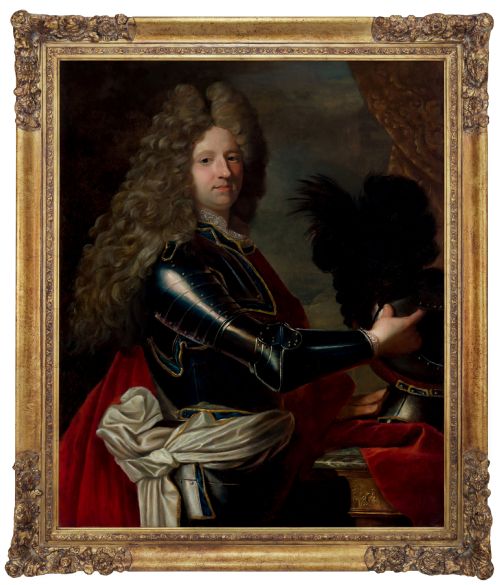
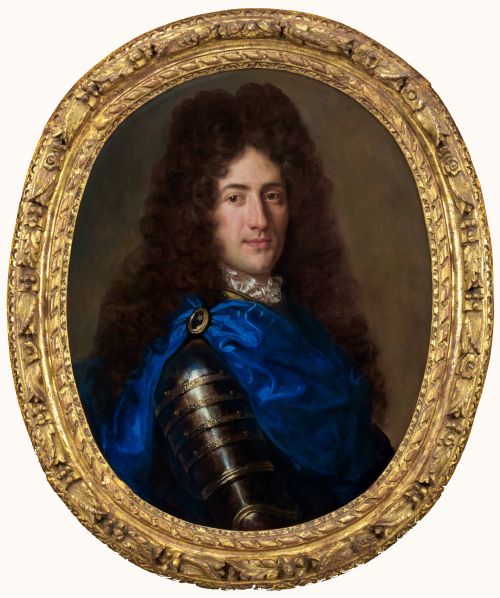
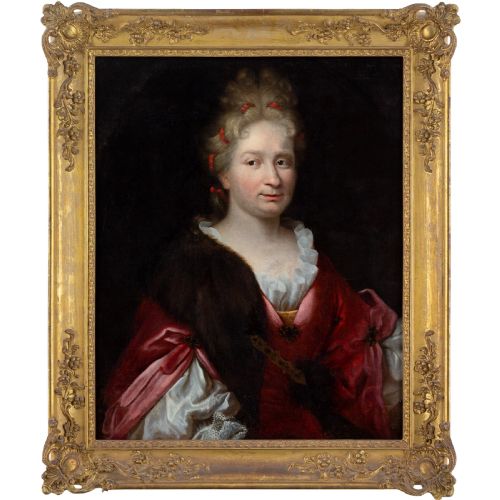
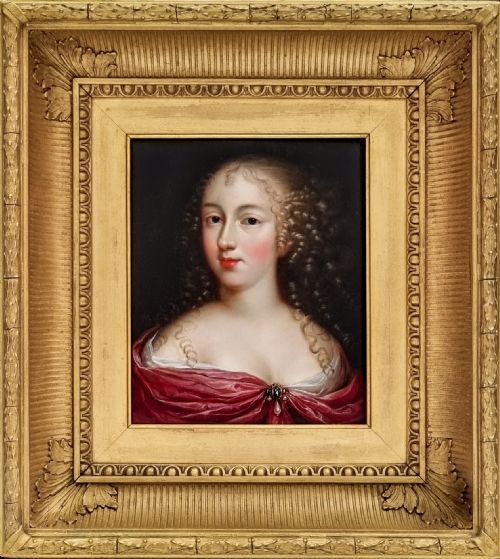
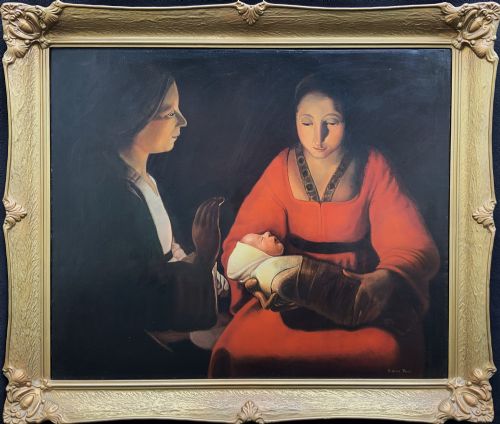
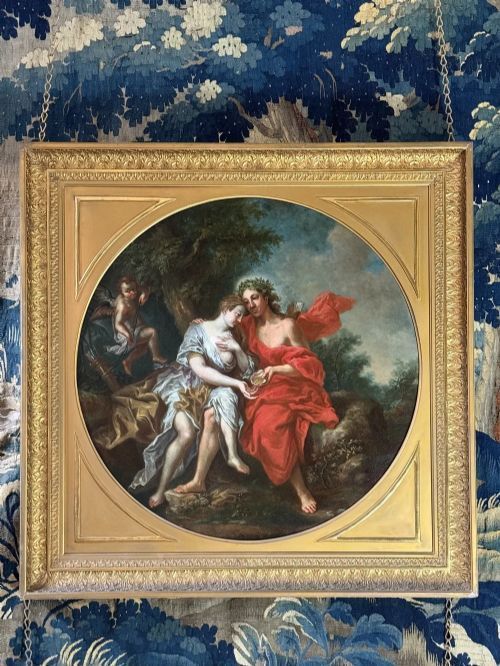
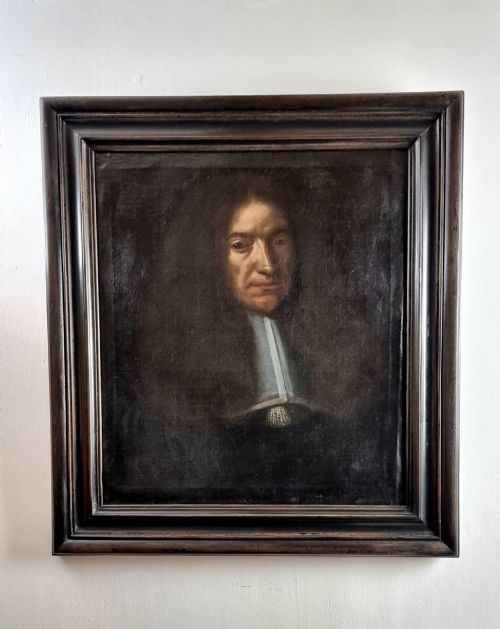
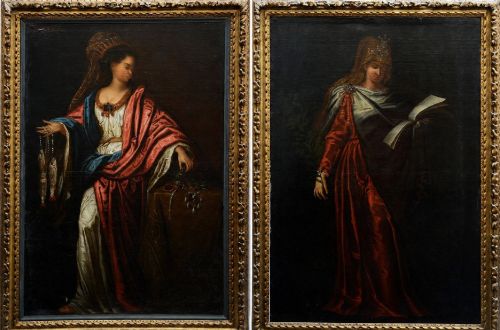
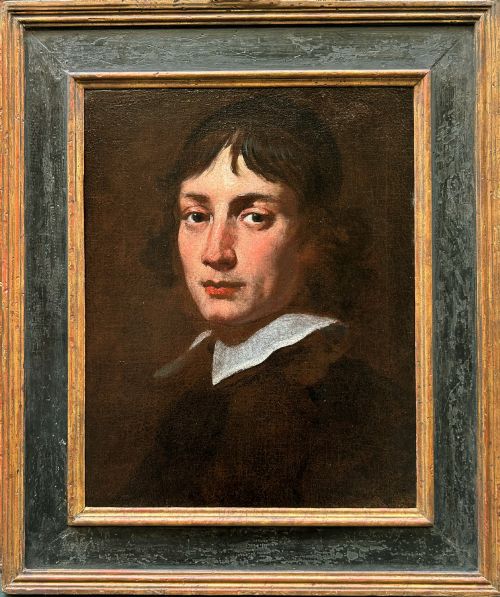
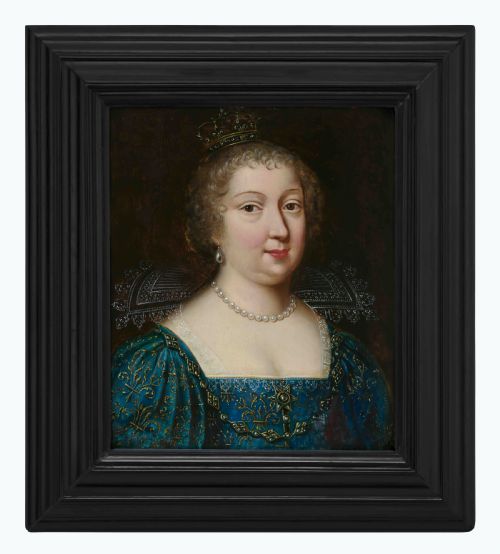
When you search for a french baroque oil portrait, you are looking at oil paintings depicting nobility, judges, children, and mythological figures from the sixteenth through to the eighteenth centuries. These works emerge from the French School and associated circles, capturing sitters in elaborate attire such as azure cloaks, armour, and floral adornments.
The version you are most likely to meet on this page is an oil painting on canvas or panel, often framed in giltwood. Many of these pieces originate from the seventeenth and eighteenth centuries, executed by followers, circles, or studios of notable painters.
Alongside single sitters and pairs of classical paintings, you will also encounter picture frames and devotional ex-voto works. The subject matter ranges from named historical figures like Louis XIV and Maria Therese of Spain to anonymous gentlemen and ladies.
How they were made
These works rely on oil paint applied to prepared canvas or wooden panels, utilising pigments that capture the rich textures of skin, hair, and fabric. Painters built up the composition through multiple layers to achieve depth in dark backgrounds and luminous highlights on lace and armour.
Gilded wood and giltwood serve as the primary materials for the accompanying frames, providing a reflective border that complements the oil on canvas or panel within. Wood serves as both the rigid support for earlier panel paintings and the structural base for ornate frames.
Listings feature works spanning the sixteenth, seventeenth, and eighteenth centuries, alongside later revival pieces executed in oil paint.
What varies in quality
Quality in these portraits rests on the fidelity of brushwork and the psychological presence captured in the sitter's face and hands. Works by primary hands or close studio associates display a greater command of proportion, drapery, and light than those by distant followers.
The preservation of the original paint layer and the integrity of the panel or canvas support also dictate the standing of a piece. Original giltwood frames matching the period of the painting elevate the overall coherence of the work.
Georges de La Tour·Pierre Mignard·Charles-Antoine Coypel·Guillaume Courtois·Joseph Vivienne·Henri and Charles Beaubrun·Nicolas Fouché·Hyacinthe Rigaud·Nicolas De Largillière·Pierre Gobert·Louis De Silvestre·Jean-Baptiste Santerre
The French Baroque Oil Portrait Glossary
- Oil on canvas
- A painting technique where oil paint is applied to a woven fabric stretched across a wooden frame. This method became dominant for its durability and capacity for rich colour blending.
- Giltwood
- Wood that has been coated with a thin layer of gold leaf or gold paint. It is commonly found on ornate antique picture frames surrounding these portraits.
- Panel painting
- A painting executed on a flat piece of wood rather than canvas. This support was frequently utilised in earlier centuries before canvas became the standard.
- Ex-voto
- A devotional painting offered to a saint or divinity in fulfilment of a vow. These works often incorporate religious figures alongside the portrait donor.
- Baroque
- An artistic style originating in the seventeenth century characterised by drama, deep shadow, and grandeur. In portraiture, it emphasises rich garments and imposing posture.
French Baroque Oil Portrait: Frequently Asked Questions
What is a french baroque oil portrait?
A french baroque oil portrait is an antique painting executed in oil on canvas or wood, capturing sitters from the sixteenth to eighteenth centuries in grand theatrical styles.
These works often depict European nobility, mythological subjects, or formal family members within ornate giltwood frames.
How do I identify the period?
Period identification relies on costume details, hair styling, and painting techniques recorded in the canvas or panel. Sitters wearing armour, lace cravats, or heavy draped cloaks typically point to seventeenth or eighteenth century execution.
Attributions to specific schools or followers of master painters further anchor the date of creation.
Are these paintings on canvas or wood?
The listings include both oil on canvas and oil on panel paintings. Wood panels tend to appear on earlier works, while canvas became the predominant support.
Both materials were layered with oil paint to achieve the luminous skin tones and deep backgrounds characteristic of the era.
How should I display one at home?
These portraits look best hung on walls with controlled lighting that highlights the oil medium and the carved details of the accompanying giltwood frame. Pairing them with traditional interior elements allows the rich pigments and historical presence to stand out.
Ensure placement avoids direct sunlight to protect the fragile paint layers over time.