


French Baroque Art
French baroque art captures the grand theatricality and theatrical spirit of the seventeenth and eighteenth centuries through oil paintings, engravings, and tapestries.
French Baroque Art
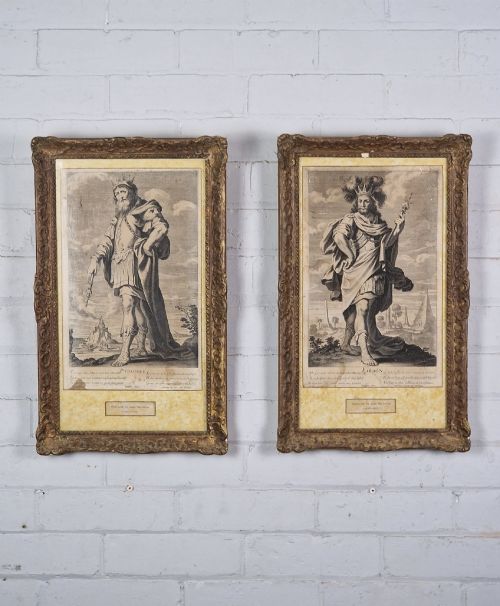
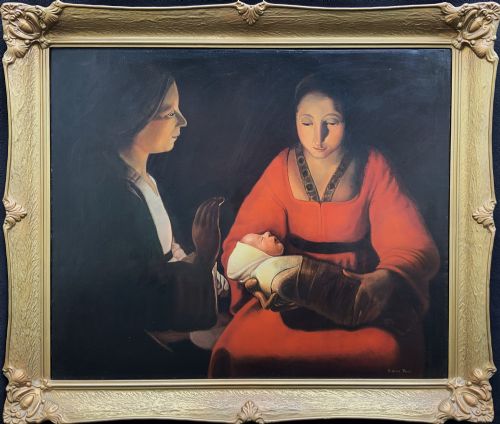
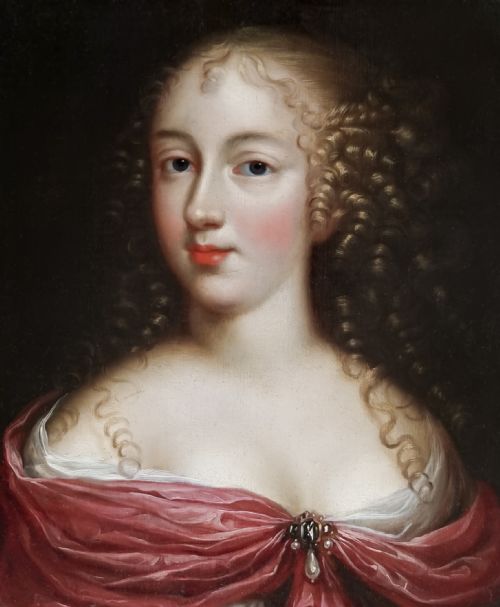
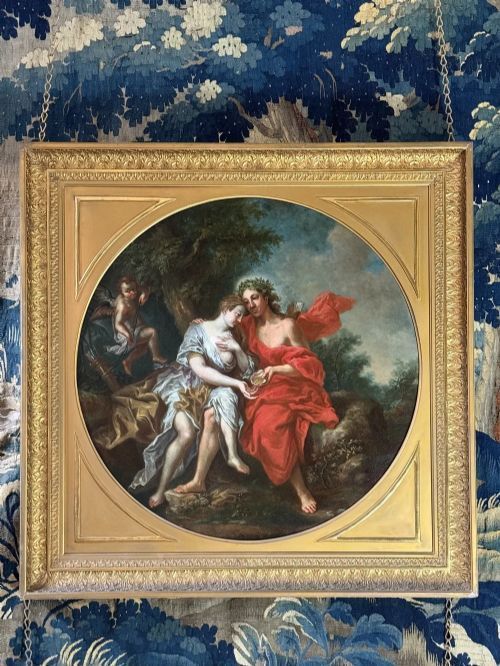
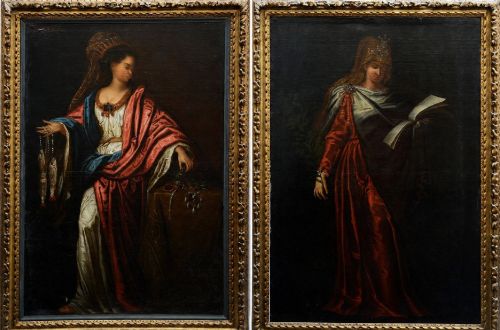
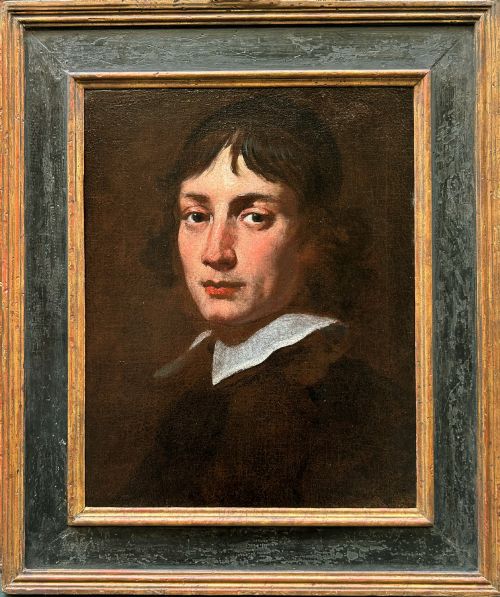
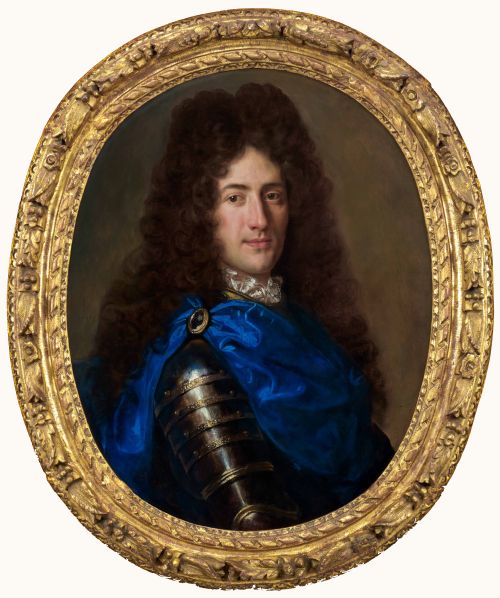
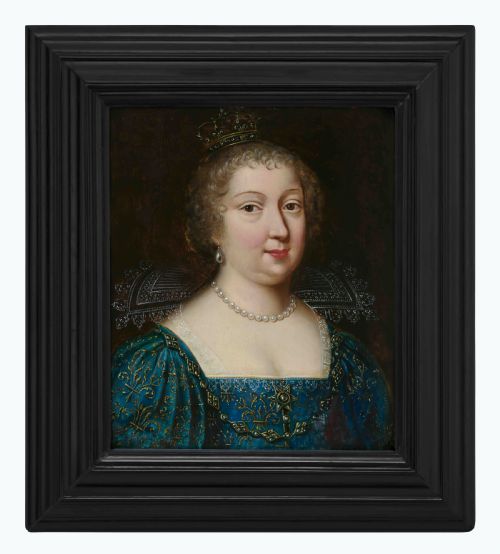
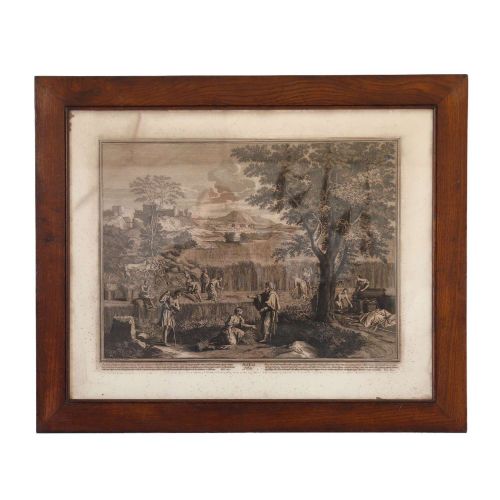
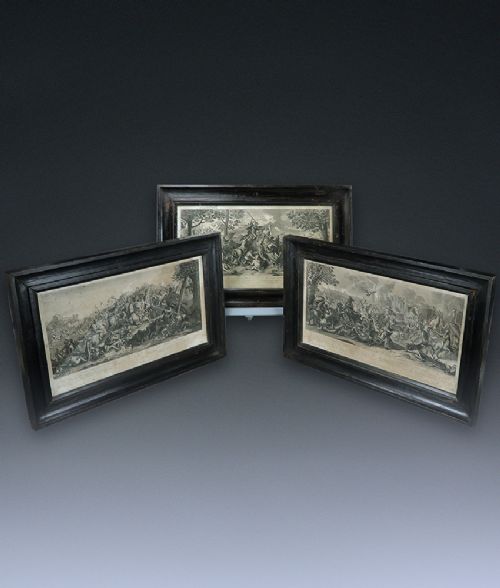
Buyers exploring french baroque art will encounter oil paintings, portraiture, engravings, and tapestries from the seventeenth and eighteenth centuries. These works reflect the dramatic religious and courtly subjects favoured during the period.
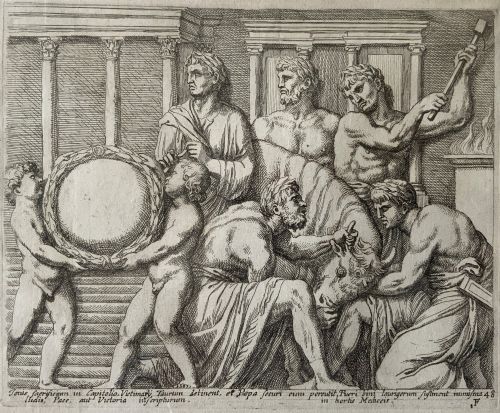
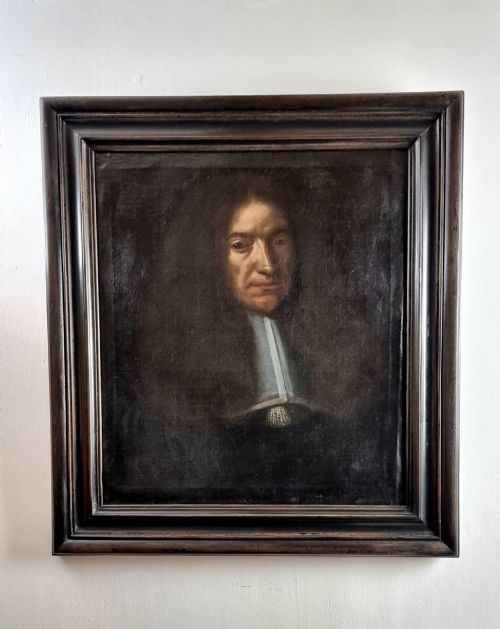
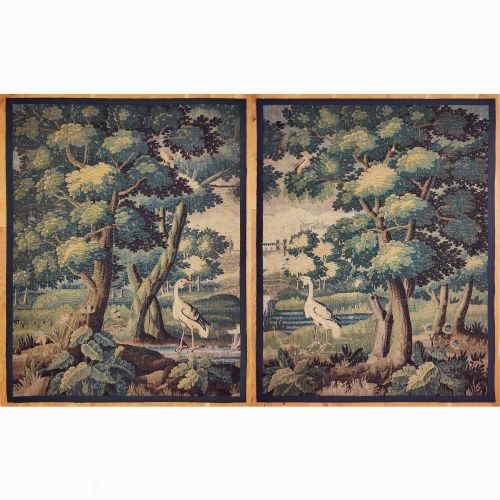
The pieces on this page lean heavily towards seventeenth-century and eighteenth-century portraiture, alongside Aubusson verdure tapestries and classical prints. Such works bring the monumental scale and rich ornamentation of the era into domestic spaces.
Materials and technique
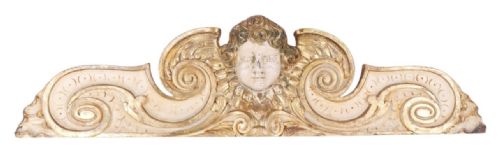
The physical works rely on oil paint applied to canvas or wood panels, alongside hand-woven silk, wool, and metal-thread tapestries. Artisans also utilised copper engraving plates and carved wooden architectural elements.
Makers layered pigments to achieve deep shadows and radiant highlights typical of the style, while weavers combined varied coloured wools to create lush botanical and figurative scenes.
One recorded piece depicts a life-size Christ figure standing ready to anchor a dramatic chapel interior.
Assessing quality
Quality rests in the fidelity of the brushwork, the depth of perspective, and the crispness of detail in engravings or carved wood. Studio pieces often display greater standardisation, whereas primary-hand works show confident handling.
For textiles, the density of the weave and the preservation of the original dyed yarns determine the distinction between domestic hangings and major salon tapestries.
Jean Mariette·Georges de La Tour·Pierre Mignard·Charles-Antoine Coypel·François Perrier·Le Brun·Nicolas Fouché·Hyacinthe Rigaud·Nicolas De Largillière·Pierre Gobert·Louis De Silvestre·Japy Freres
The French Baroque Art Glossary
- Verdure tapestry
- A woven wall hanging featuring a predominant landscape or foliage design with trees and plants. These often include distant architectural elements or animals.
- Ciselé silk velvet
- A textile featuring cut and uncut velvet pile on a satin ground to create textured patterns. This technique produces rich contrast in the fabric.
- Engraving
- A printmaking process where an artist cuts lines into a metal plate to hold ink. The resulting impression on paper captures fine linear detail.
- Oil on panel
- A painting executed on a wooden board rather than canvas. This rigid support was common in earlier European painting traditions.
French Baroque Art: Frequently Asked Questions
What subjects appear in these paintings?
Portraits of nobility, biblical scenes, and classical mythology dominate the canvases and panels.
Artists frequently depicted court figures alongside allegorical figures from ancient history.
How were tapestries used originally?
Large woven panels insulated stone walls in grand houses and palaces.
They also served to display wealth and narrative prestige through complex pictorial scenes.
How do I care for antique oil paintings?
Keep paintings away from direct sunlight and sudden shifts in temperature or humidity.
Dust surfaces gently with a soft, dry brush without applying liquid cleaners.
How can I distinguish period prints?
Examine the paper quality, plate marks, and ink impression under magnification.
Period engravings show distinct indentation where the metal plate pressed into damp paper.