





French Art Nouveau Tables
French art nouveau tables bring organic lines and floral motifs into domestic spaces, capturing the fluid energy of turn-of-the-century design.
French Art Nouveau Tables
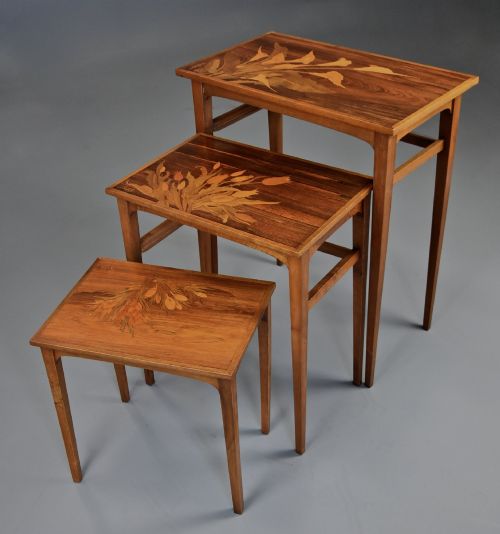
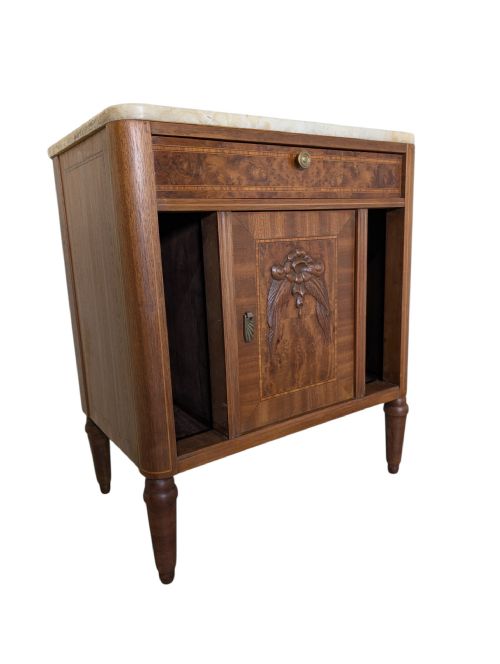
French art nouveau tables encompass occasional pieces, nests, and bedside cabinets created during the height of the movement. Makers utilised rich timbers like rosewood, mahogany, and walnut to build these functional items.
The aesthetic embraces natural forms, often incorporating marquetry and parquetry tops depicting flora and fauna. These tables served both practical household roles and decorative functions in period interiors.
Buyers encounter nested sets alongside centre tables and cabinets, representing the diverse domestic furnishings produced around nineteen hundred. Each piece reflects the organic curves and asymmetrical compositions characteristic of continental design.
What varies in quality
Quality rests in the precision of the woodwork and the complexity of the marquetry depicting natural motifs. Pieces featuring signed craftsmanship by prominent workshops demonstrate superior artistic execution compared to anonymous production.
The refinement of cast metal mounts and the depth of carved walnut or mahogany separate standard domestic furnishings from exceptional examples. Selection of timber grains and the integrity of parquetry surfaces determine the longevity and visual impact of the item.
French Art Nouveau Tables Retail Price Guide 2026
Typical asking prices for french art nouveau tables among the pieces listed under this phrase on Sellingantiques today, from the lower quarter to the upper quarter. They describe what is for sale here now, not the wider market.
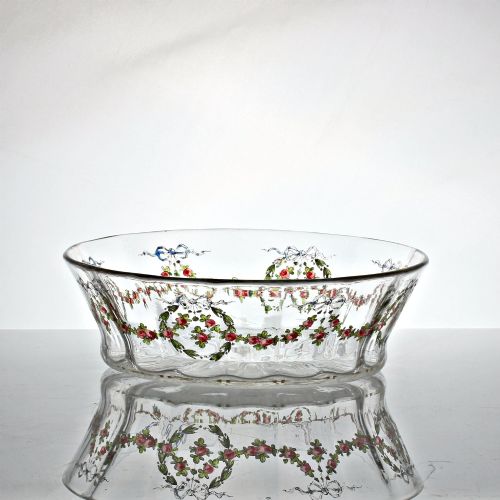
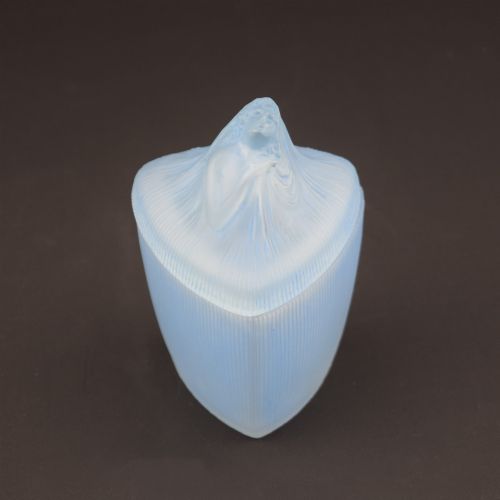
The selection includes occasional tables, nests of tables, bedside cabinets, and centre tables alongside related lighting and decorative objects.
Émile Gallé·Louis-Antoine Damon·Auguste Moreau·L & F Moreau·Rene Lalique·Georges Leleu·Daum·Emmanuel Villanis·Henri Honore Ple
The French Art Nouveau Tables Glossary
- Marquetry
- The art of forming decorative patterns by fitting together small pieces of wood veneer. This technique defined the pictorial tabletops of the period.
- Spelter
- An alloy of zinc and lead cast into figures and lamp bases then painted or bronzed. It served as a popular economical alternative to solid bronze.
- Parquetry
- A geometric mosaic of wood pieces used for decorative floors and tabletops. Artisans arranged contrasting timbers to create subtle patterns.
- Ormolu
- Gilded bronze applied to furniture mounts and decorative objects. The process involves coating metal with a gold amalgam.
- Cameo glass
- Glass formed with two or more layers of distinct colours, carved to produce a raised design. Gallé utilised this method for vases and vessels.
French Art Nouveau Tables: Frequently Asked Questions
How do I clean wooden surfaces?
Dust regularly with a soft cloth and apply quality beeswax periodically to nourish the timber.
Avoid modern liquid polishes containing silicone, which can damage historic finishes.
Can I use these tables daily?
These pieces function well for everyday domestic use when treated with reasonable care.
Protect delicate polished surfaces from moisture and heat using coasters and placemats.
How do I identify the period?
Examine construction methods, wood types, and decorative motifs such as whiplash curves and floral inlay.
Signatures, stamps, and hardware styles offer further clues to the date of manufacture.
Are bronze and spelter different?
Bronze is a heavy copper alloy valued for durability and fine detail casting.
Spelter is a softer zinc-lead mixture typically found on decorative lamps and figures.