

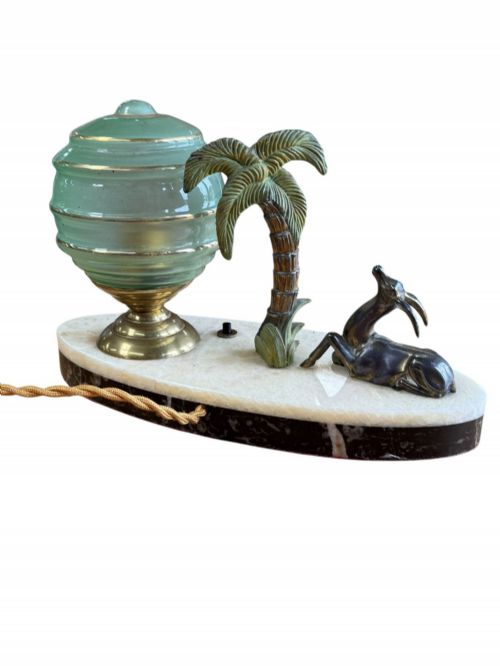


French Art Glass Lamp
A french art glass lamp brings atmospheric illumination and striking twentieth-century design into a room through moulded glass and metalwork.
French Art Glass Lamp
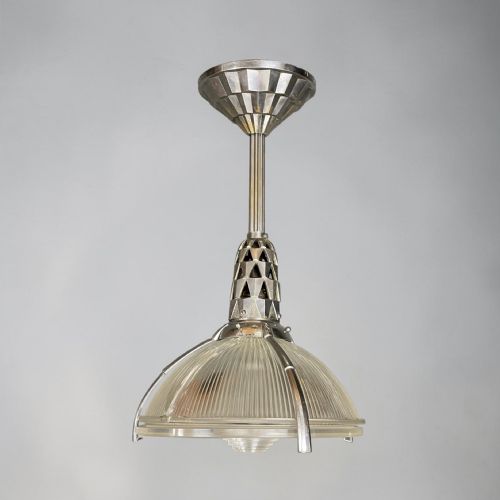
When you search for a french art glass lamp, you encounter lighting fixtures originating predominantly from the late nineteenth century through to the art deco and mid-century periods. These objects range from table lamps and reading lamps to wall lights, pendants, and large chandeliers.
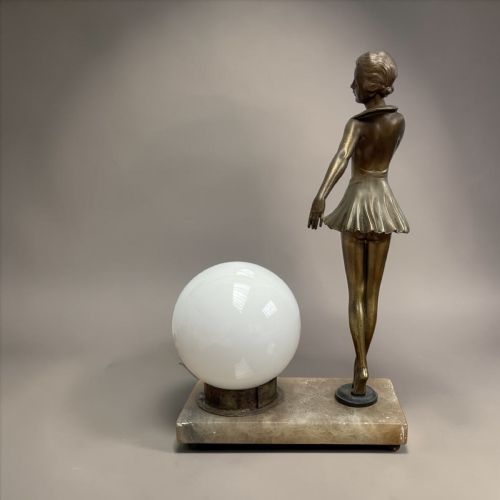
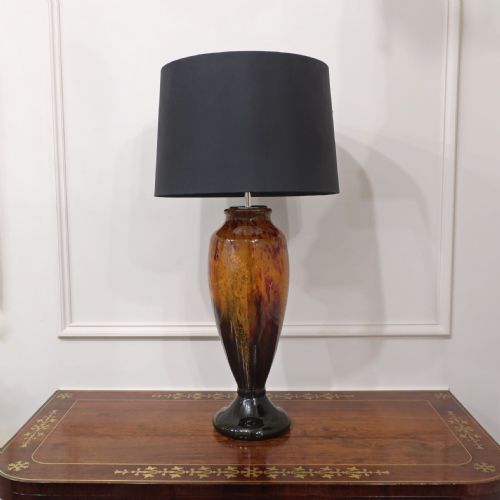
The selections on this page span diverse aesthetic movements, including art nouveau, arts and crafts, and french neoclassical styles. Table lamps and wall sconces frequently incorporate sculptural metal bases paired with patterned glass shades.
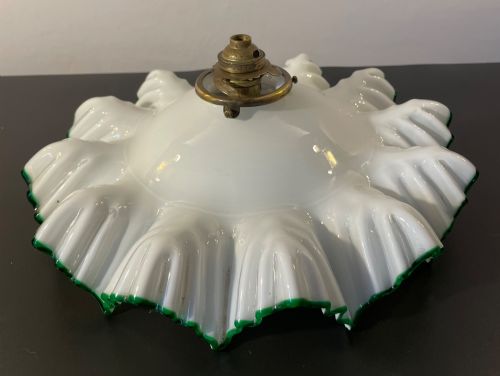
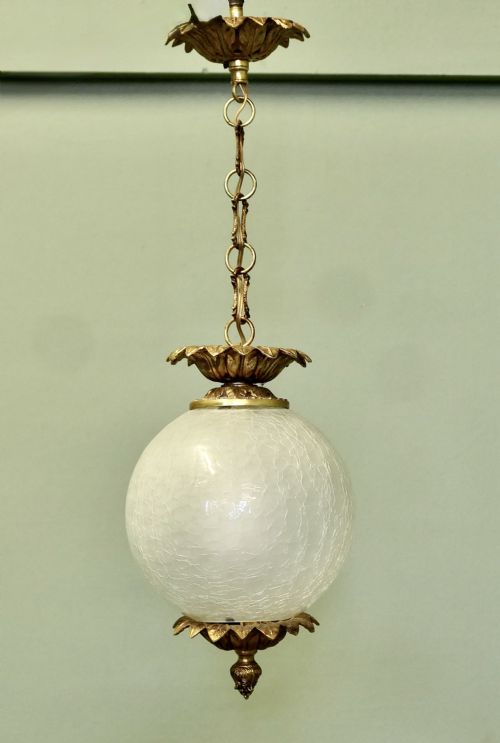
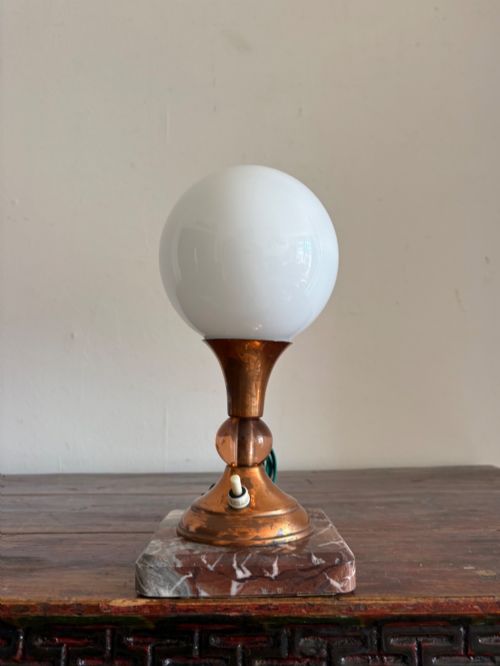
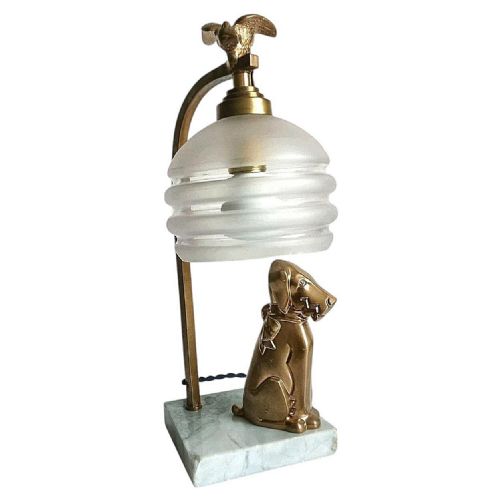
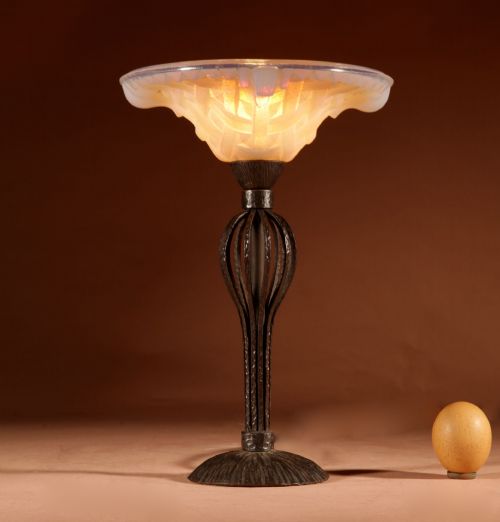
Moulded glass elements define the visual character of these pieces, appearing as spherical globes, frosted shades, and trumpeted bowls. Creators combined functional illumination with decorative artistry, producing fixtures intended to anchor the aesthetic of a salon or hallway.
How they were made
Makers utilised heavy glass-working techniques, employing acid-etching, enamelling, and moulding to create opalescent, frosted, and mottled surfaces. Glass components were shaped into geometric skyscraper forms, organic floral motifs, or conical shades.
Metalwork provided the structural support, utilising cast brass, patinated bronze, wrought iron, chrome, and spelter for bases, stems, and mounting brackets. Marble and copper elements also appeared frequently as plinths and supportive mounts for the glass elements.
Materials documented across the inventory include frosted glass, wrought iron, brass, marble, and chrome.
What varies in quality
The sophistication of the glass moulding and the depth of the surface treatment separate standard production items from masterworks. Finer pieces demonstrate meticulous control over colour gradients, enamel application, and acid-etched texture.
The integration between the glass shade and its metal mount dictates the overall harmony of the object. Heavier cast metals like bronze and brass, paired with substantial marble bases, indicate higher manufacturing ambition than lighter alternative alloys.
Émile-Jacques Ruhlmann·Charles Schneider·Lacroix·Lalique·Georges Leleu·Muller Bros·Degue·Baccarat·Dugué
The French Art Glass Lamp Glossary
- Plafonnier
- A ceiling-mounted light fixture featuring a bowl-shaped glass shade held close to the ceiling. These fixtures project diffused illumination downward into the room.
- Opalescent glass
- Glass containing ingredients that scatter light to create a milky, translucent appearance with pearlescent colour shifts. It catches light dynamically from different angles.
- Spelter
- A zinc-based alloy utilised as a less costly alternative to bronze for casting decorative lamp bases. It takes patination well to simulate heavier metals.
- Cabochon
- A polished, convex piece of glass cut without facets, often set into metal lamp bodies for added texture and colour. These elements accent the primary structure.
- Rise and fall
- A counterweighted ceiling light mechanism allowing the height of the pendant to be adjusted easily. This system was popular in early twentieth-century interiors.
French Art Glass Lamp: Frequently Asked Questions
How do I date a glass lamp?
Dating relies on stylistic markers such as geometric art deco lines versus flowing art nouveau plant motifs. Materials like chrome or bakelite often point to the nineteen-thirties, while brass and bronze span broader periods.
Examining signatures or foundry marks etched into the glass surface provides definitive chronological placement. Construction methods within the metal fittings also help narrow the decade of production.
Are these lamps wired for modern use?
Many antique fixtures retain older wiring or have undergone rewiring by previous owners to meet contemporary standards. Buyers should plan for professional electrical testing and potential rewiring upon acquisition.
Ensuring the internal components safely accommodate current bulb standards protects both the fixture and the domestic environment. Qualified electricians can adapt the internal fittings without altering the historic exterior.
How do I clean frosted glass?
Cleaning requires warm water and mild soap applied gently with a soft cloth to avoid damaging delicate surface treatments. Abrasive cleaners or harsh scrubbing must be avoided entirely.
Textured and acid-etched surfaces trap dust within their grooves, requiring careful rinsing and drying. Detaching the shade from the metal base before cleaning prevents accidental drops and structural strain.
Can I use LED bulbs in these?
Low-wattage LED alternatives function well provided they emit minimal heat and fit within the physical dimensions of the vintage shade. Excessive heat can stress fragile historical glass over time.
Choosing bulbs with warm colour temperatures preserves the atmospheric glow intended by the original maker. Cool-toned LEDs can alter the amber or opalescent qualities of historical glass.