



Retro Art Glass Light
A retro art glass light brings distinctive colour and form into a room, spanning table lamps, wall sconces, and hanging pendants.
Retro Art Glass Light
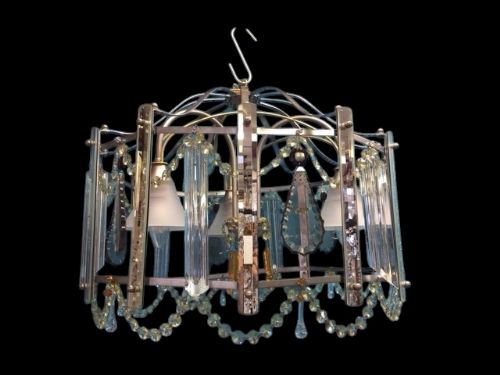
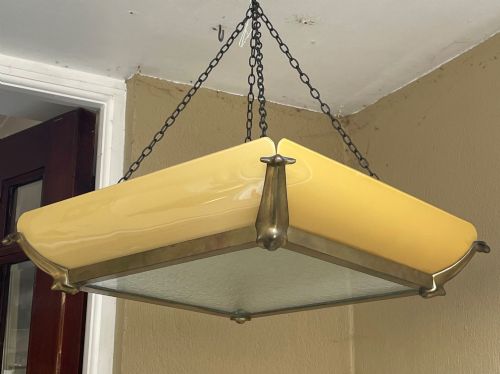
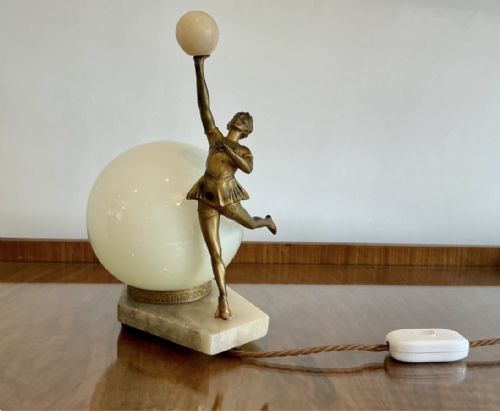
When searching for a retro art glass light, buyers encounter pieces primarily originating from the nineteen-thirties and nineteen-twenties, alongside select Edwardian and Victorian examples. These fixtures encompass ceiling lights, chandeliers, floor lamps, and table lamps designed to illuminate living spaces with period character.
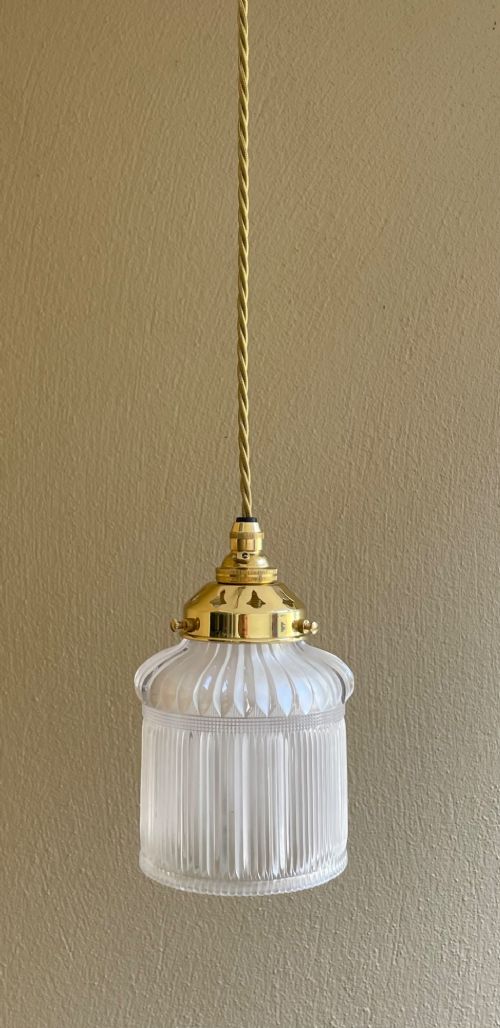
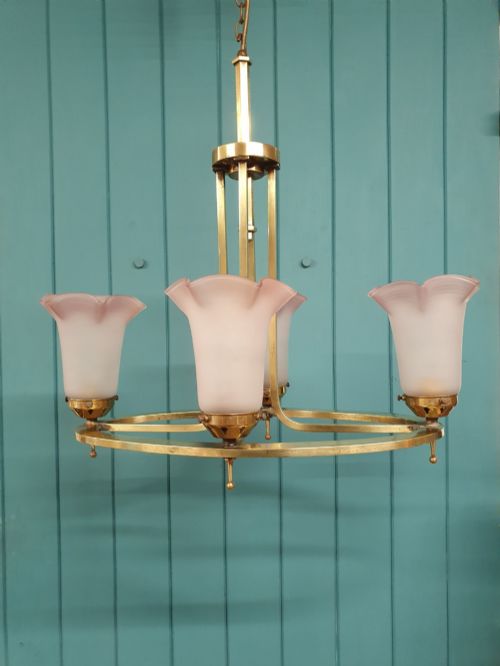
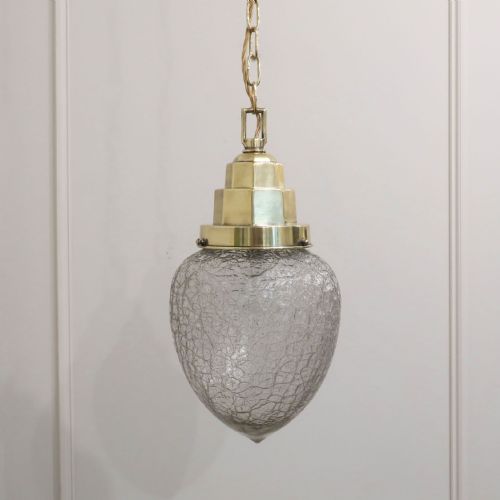
The assortment on this page draws heavily from Art Deco and Mid-Century Modern aesthetics, incorporating French designs and industrial influences. Common forms include spherical globes, shell-shaped bases, and pear-shaped shades that reflect the diverse decorative tastes of the early twentieth century.
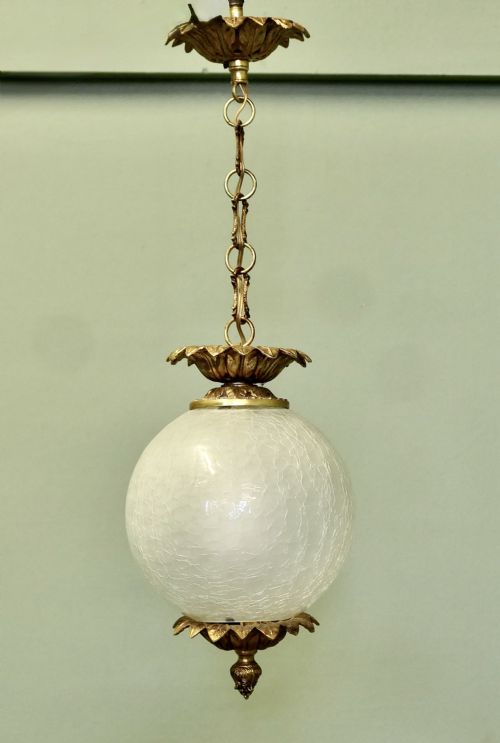
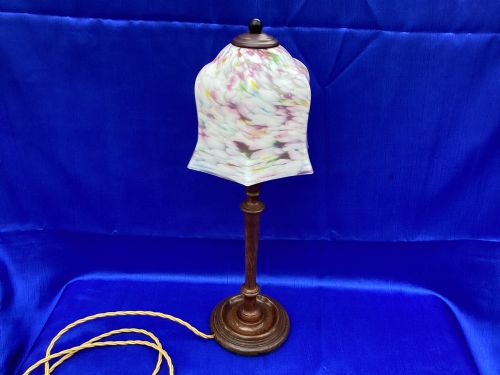
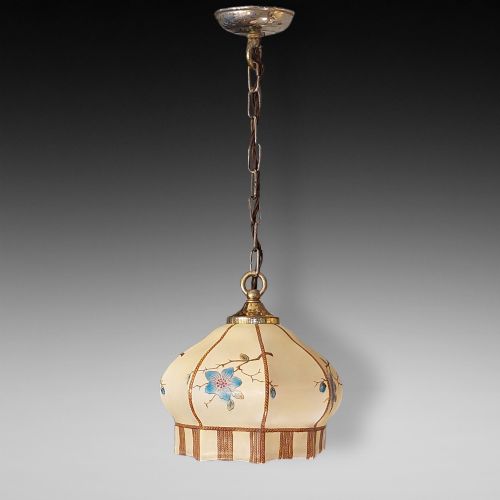
Opaline glass, crackle glass, frosted glass, and pink or amber tones dominate the selection of shades. These glass elements pair with brass, chrome, and metal structures to create functional illumination that doubles as sculptural art.
Materials and construction
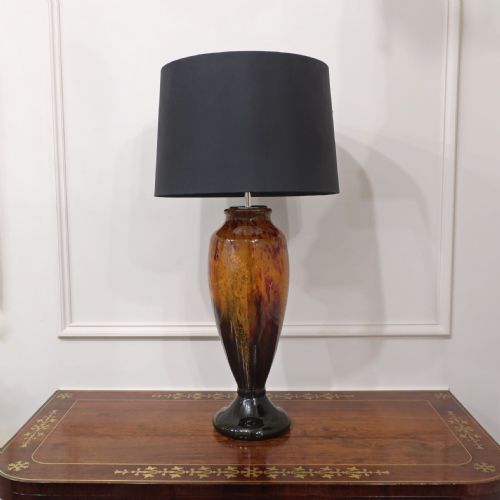
Makers utilised glass as the primary medium, shaping it into opaline, crackle, cut crystal, and hand-painted shades. These glass components frequently combine with metal fittings such as brass and chrome to form sturdy structures for hanging and table use.
Supporting elements integrate wood, marble, and fabric, particularly within bases and shades for table lamps. Galleries and mounts secure the glass elements to ceilings and walls using traditional metalworking techniques appropriate to the period.
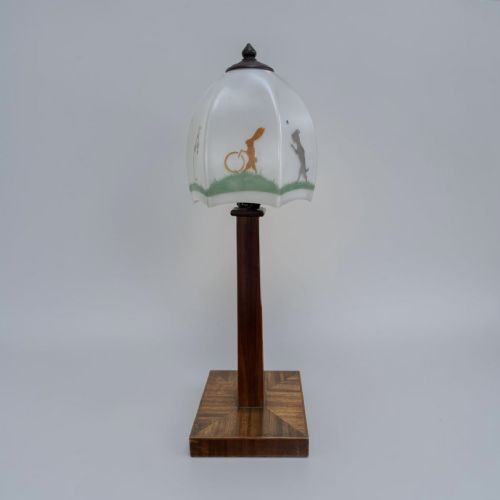
A surprising number of nineteen-thirties lamps feature dogs, fish scales, and lightning flashes standing guard on tables.
Judging quality in glass lighting
The distinction between tiers rests upon the execution of the glasswork and the integrity of the metal mounts. Heavy opaline, intricate crackle finishes, and hand-cut crystal demonstrate superior craftsmanship compared to standard moulded panes.
Material pairings dictate overall refinement, where solid brass galleries and weighted chrome bases elevate the construction. The cohesion between the glass shade and its supporting frame indicates the level of care invested in the original manufacture.
The Retro Art Glass Light Glossary
- Opaline glass
- A milky, semi-translucent glass that diffuses light evenly across a room. This material appears frequently in spherical and conical pendant shades.
- Plafonnier
- A ceiling-mounted light fixture where the glass shade sits flush against or very close to the ceiling. These pieces often feature decorative brass or chrome fixings.
- Gallery
- The metal ring or holder that grips the top of a glass lampshade to suspend it from a cord or rod. Galleries are commonly fashioned from brass or chrome.
- Crackle glass
- Glass treated during creation to produce a network of fine microscopic fractures across the interior. This technique adds texture and diffuses light in distinctive patterns.
Retro Art Glass Light: Frequently Asked Questions
What rooms suit a retro art glass light?
Pendant lights and chandeliers work well suspended above dining tables or in hallways to create a focal point. Wall sconces and table lamps fit living rooms and studies to provide softer ambient illumination.
Matching the scale of the light to the room ensures proper balance. Smaller shades suit intimate corners, while multi-light fixtures illuminate larger spaces effectively.
How do I identify Art Deco lighting?
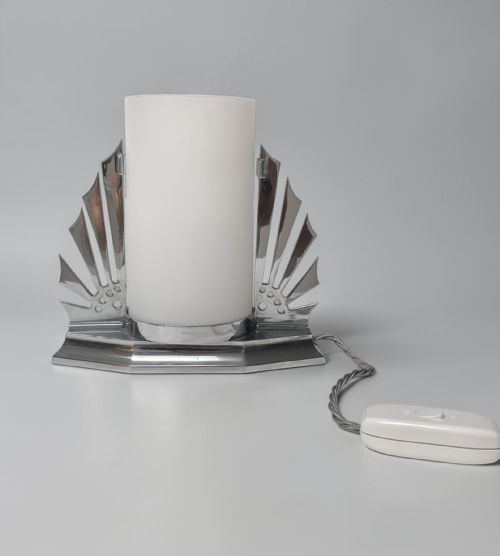
Art Deco lighting typically exhibits geometric patterns, symmetrical lines, and stylised motifs such as zig-zags or sunbursts. Materials lean towards chrome, brass, and frosted or coloured glass.
Many pieces from this era incorporate stepped designs or figural elements like nudes and animals. The overall aesthetic prioritises streamlined modernity.
What is opaline glass?
Opaline glass is a translucent white material developed to soften glare while emitting a warm glow. It diffuses illumination smoothly across its surface without hot spots.
This glass type appears in various forms on this page, including pear shapes, reeded designs, and fish scale patterns. It remains a popular choice for vintage interiors.
Can these lights take modern bulbs?
Most vintage light fixtures accept standard modern bulbs, provided the wattage matches the capacity of the original wiring and socket. Professional rewiring is often recommended for older pieces to ensure safety.
Consulting a qualified electrician helps verify that the lamp holder and internal wiring meet current safety standards. LED alternatives offer low-heat illumination suitable for delicate glass.