


French Art Figure
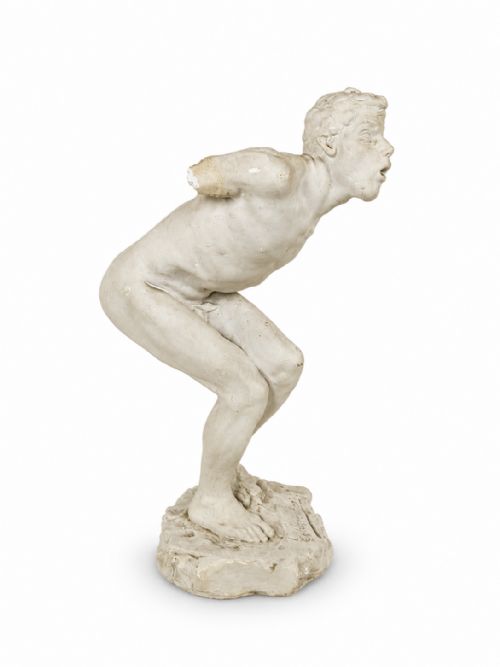
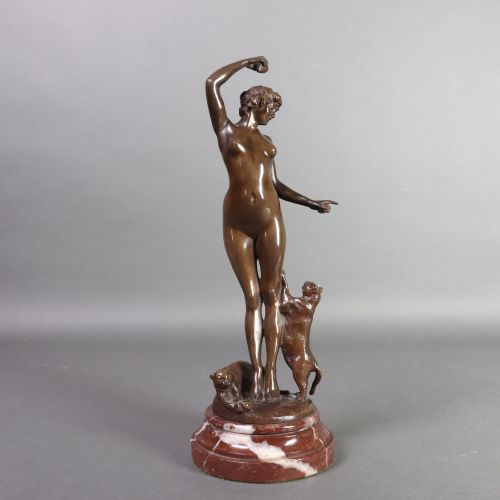
These pieces grouped as a French art figure range from cast bronzes to carved marbles, offering classical nudes and dancers to place on a mantelpiece.
French Art Figure
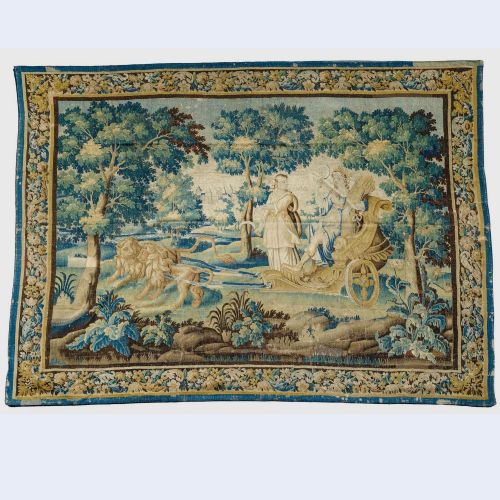
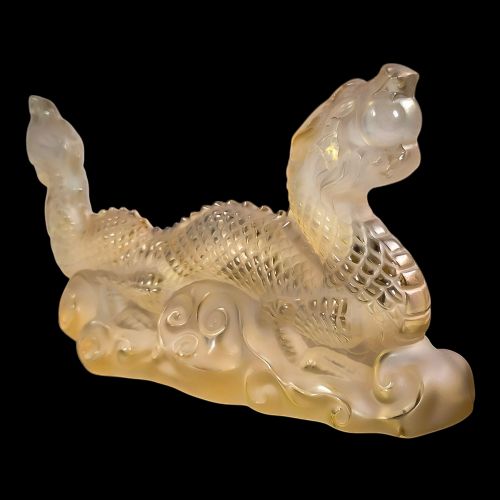
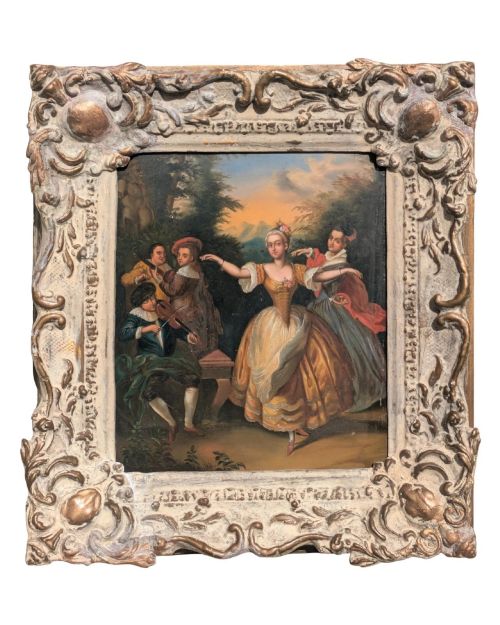
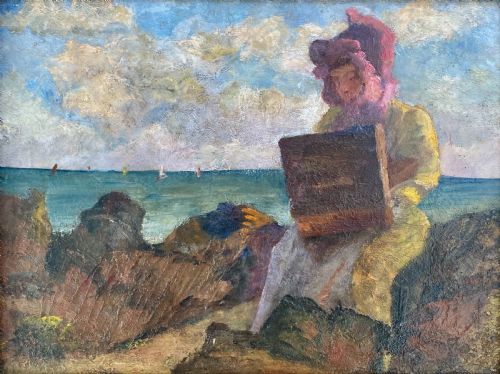
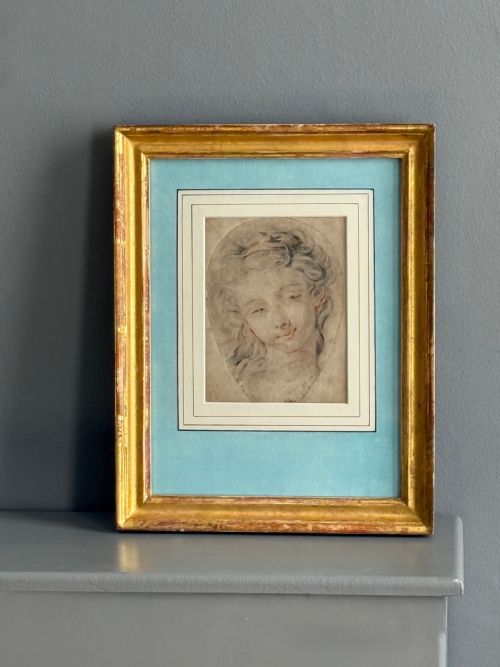
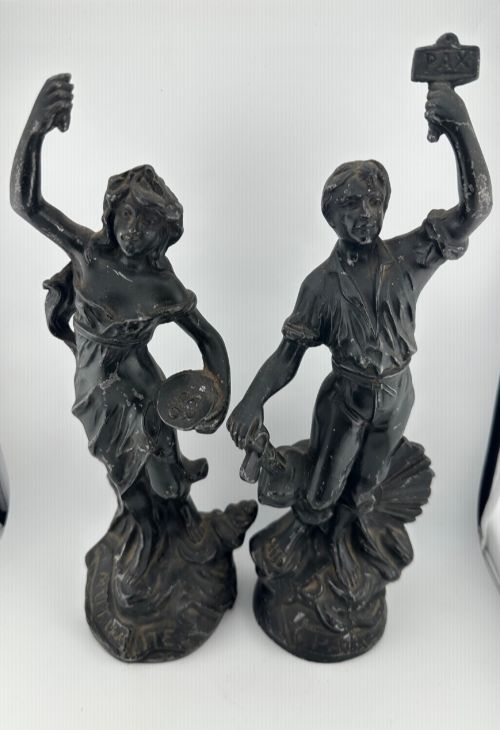
When a buyer searches for a French art figure, they encounter a diverse selection of sculptural works, paintings, and decorative items spanning multiple centuries. The selection on this page leans heavily towards bronze and spelter sculptures, alongside oil paintings and engravings from the eighteenth century onwards.
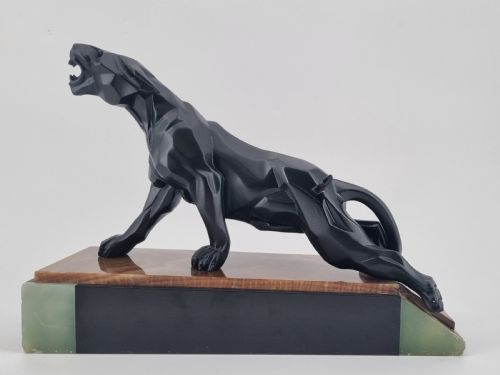
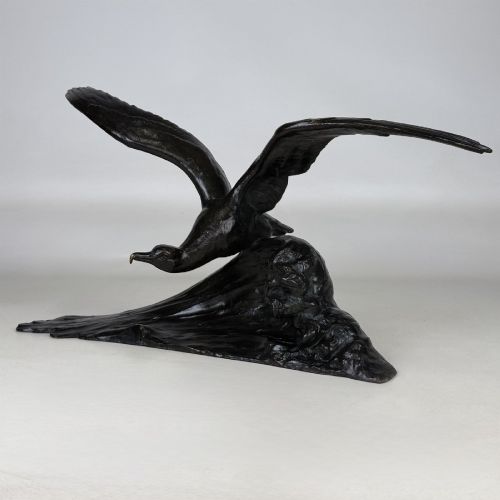
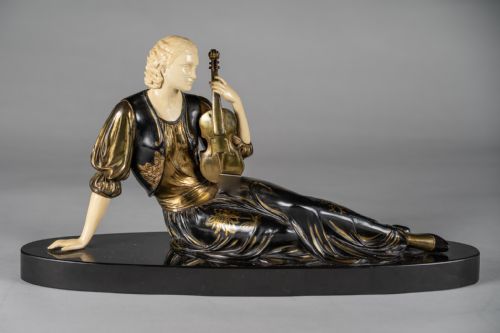
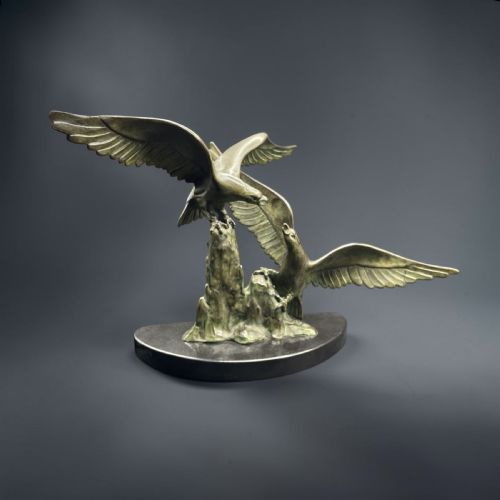
The subjects range widely, including classical female nudes, mythological figures such as fauns and dancers, and animal studies like whippets and pheasants. Art Deco and Art Nouveau styling dominate the later pieces, whilst earlier works reflect nineteenth century realism and eighteenth century French school traditions.
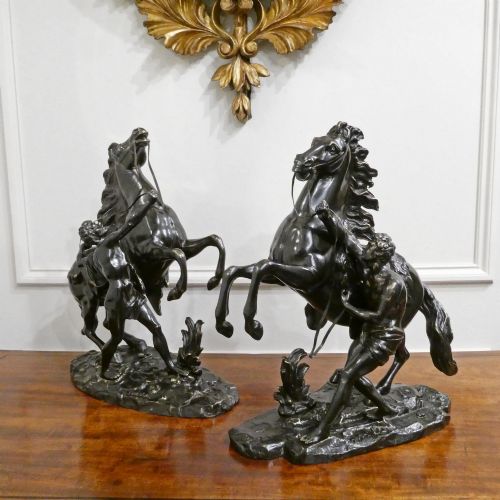
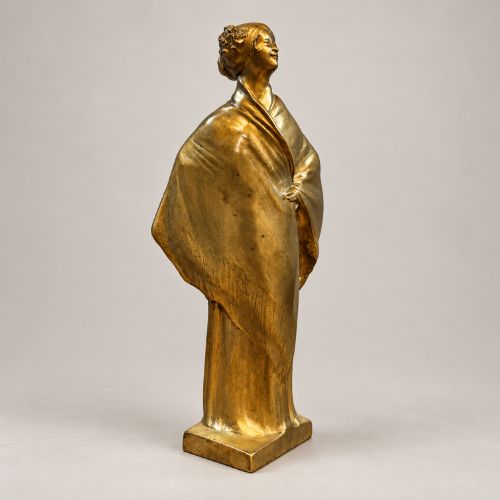
Buyers will find standing maidens, seated ladies, and athletic figures mounted on stone bases or framed as wall art. These pieces function primarily as decorative cabinet bronzes, table lamps, and fine art prints suitable for interior display.
Materials and construction
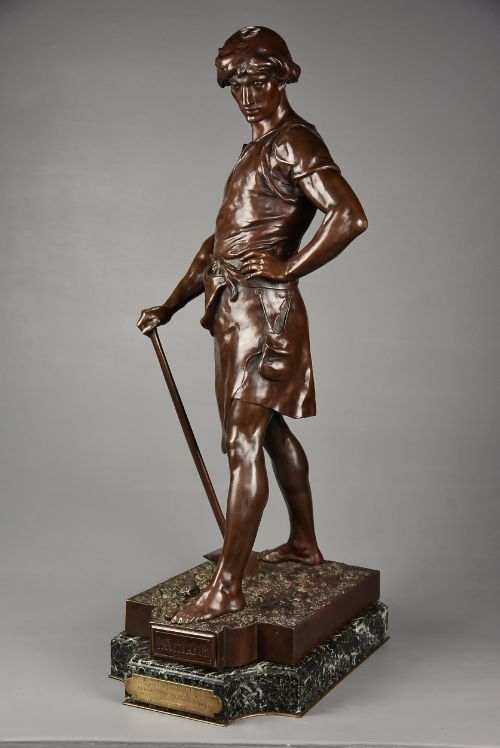
Many sculptures utilise the lost-wax casting method for bronze, yielding fine surface detail in drapery and hair. Patinated bronze and gilt finishes appear frequently, often paired with carved marble bases or pedestals.
French Art Figure Retail Price Guide 2026
Typical asking prices for french art figure among the pieces listed under this phrase on Sellingantiques today, from the lower quarter to the upper quarter. They describe what is for sale here now, not the wider market.
Several figures capture unexpected subjects, including a bronze cat pouncing on a pheasant and a faun teasing a goat.
Assessing quality
The distinction between tiers rests upon the crispness of the cast and the sensitivity of the finishing hand. Superior bronze castings retain sharp facial expressions and clean lines in the drapery, whereas lesser metalwork can appear soft or muddy in the details.
The quality of the patination or cold painting heavily influences the visual impact of a figure. Signed pieces by established makers carry greater documentary weight, and the integration between the metal figure and its marble or stone base demonstrates the original maker's care.
Auguste Moreau·Gustave Dussart·Jean de Roncourt·Maurice Giraud-Rivière·Francois Boucher·Rene Lalique·Emmanuel Villanis·Affortunato Gory·Mathurin Moreau·Demetre Chiparus·Henri Godet
The French Art Figure Glossary
- Spelter
- A zinc alloy commonly utilised as an economic substitute for bronze in decorative figures. It often receives a bronze-like finish to mimic the heavier metal.
- Lost-wax casting
- A metal casting process in which a molten metal is poured into a mould that has been created by means of a wax model. This technique allows for intricate and delicate forms.
- Patination
- The surface coloration or sheen developed on bronze through chemical treatment or natural ageing. It enhances the depth and texture of sculptural metalwork.
- Art Deco
- A design style of the 1920s and 1930s characterised by streamlined forms, geometric patterns, and stylised representations of dancers and animals.
- Art Nouveau
- An international style of art and architecture prevalent around 1900, marked by sinuous lines and flowing motifs inspired by natural plant and floral forms.
French Art Figure: Frequently Asked Questions
How do I distinguish bronze from spelter?
Bronze is heavier, colder to the touch, and rings with a clear tone when tapped gently. Spelter is softer, lighter, and often shows silvery grey metal beneath any worn surface finishing.
Examining the underside or areas of natural wear usually reveals the true base metal beneath the patination layer.
How do I date a French figure?
Dating relies on stylistic markers, such as the geometric lines of Art Deco or the flowing floral motifs of Art Nouveau. Signatures, foundry stamps, and the type of material or base also offer clues to the period of origin.
Comparative study of known works by recorded makers helps narrow the decade of production.
How do I clean an antique bronze?
Dust gently with a soft, dry brush to prevent accumulation in the crevices of the sculpture. Avoid chemical polishes, water, or abrasive cloths that might strip the original patination.
Preserving the surface skin maintains both the historical integrity and the visual depth of the metal.