




French Architectural Wall Art
French architectural wall art brings the historic facades, ironwork and townscapes of France directly onto your interior walls.
French Architectural Wall Art
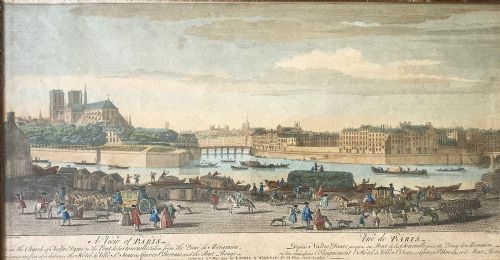
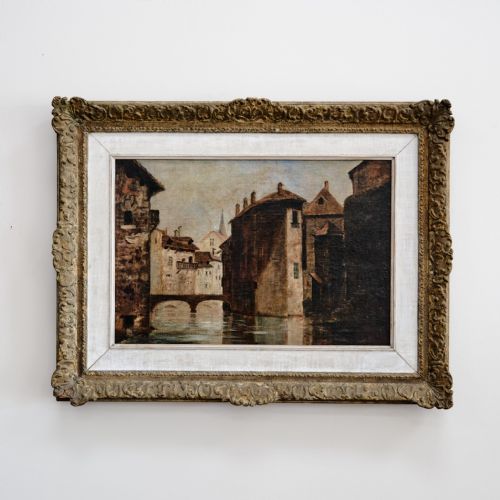
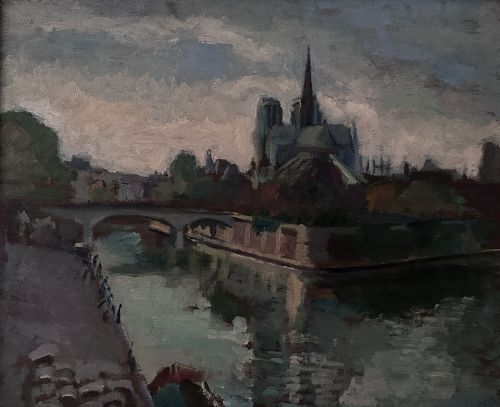
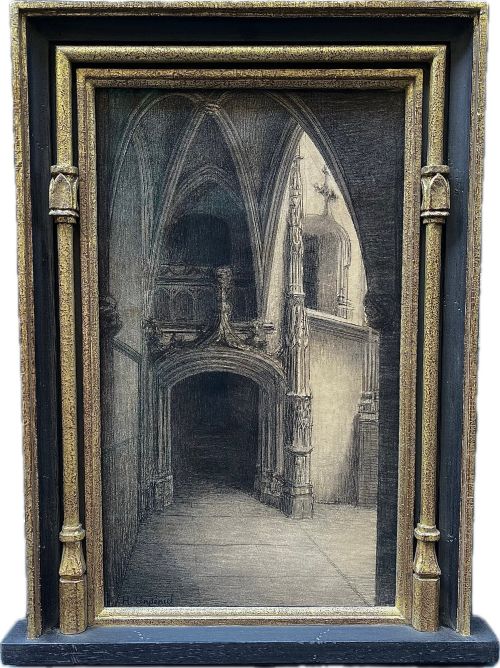
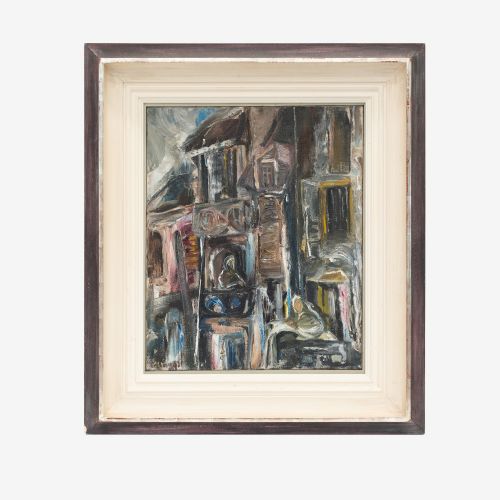
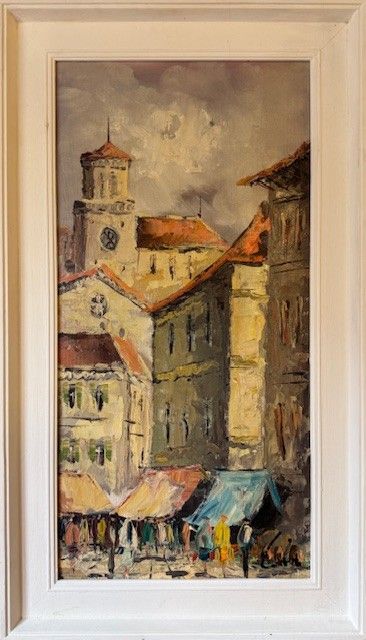
French architectural wall art spans carved wooden panels, framed prints and canvas oil paintings depicting historic streetscapes, monuments and buildings. These pieces capture the built heritage of France through centuries of design, from eighteenth century engravings to mid century modern views.
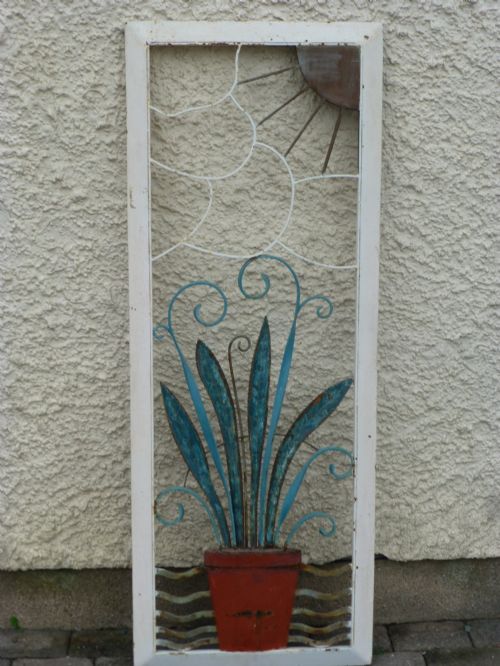
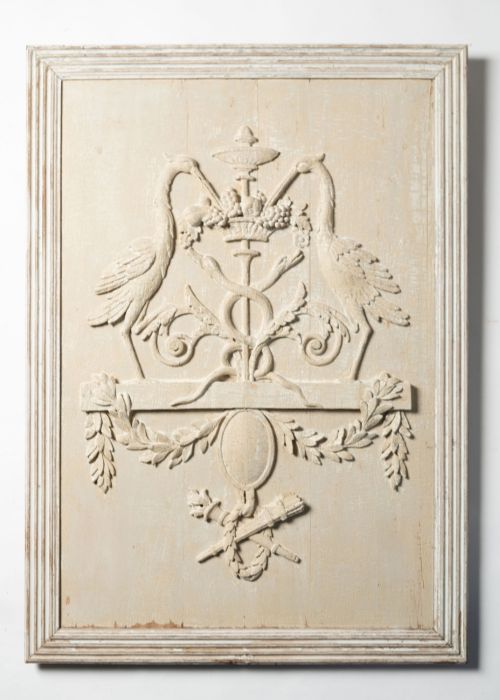
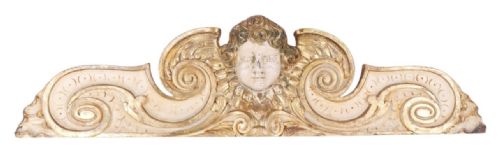
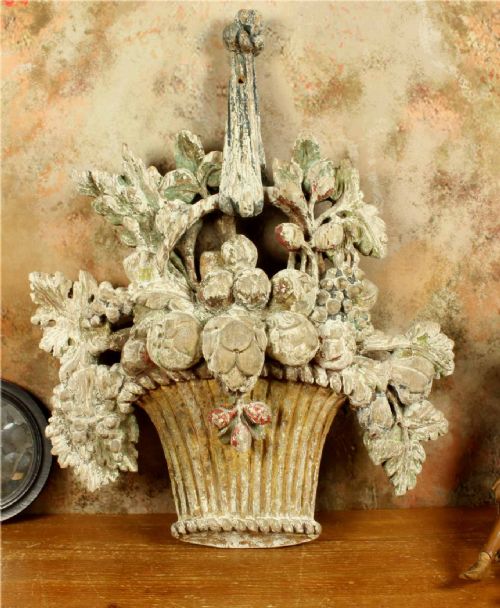
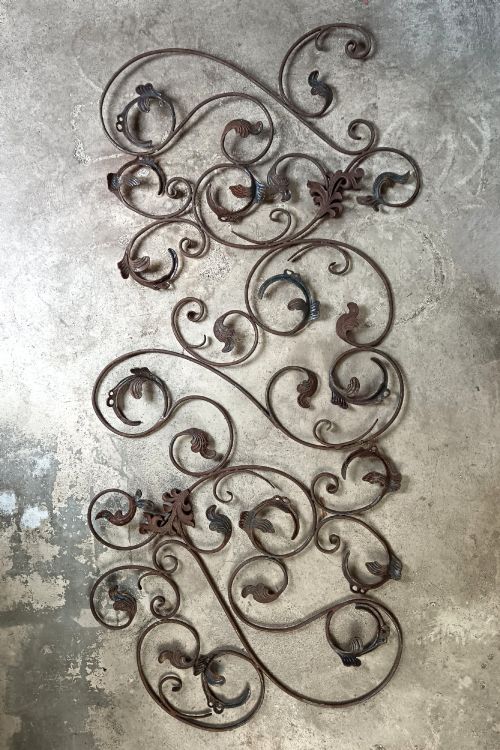
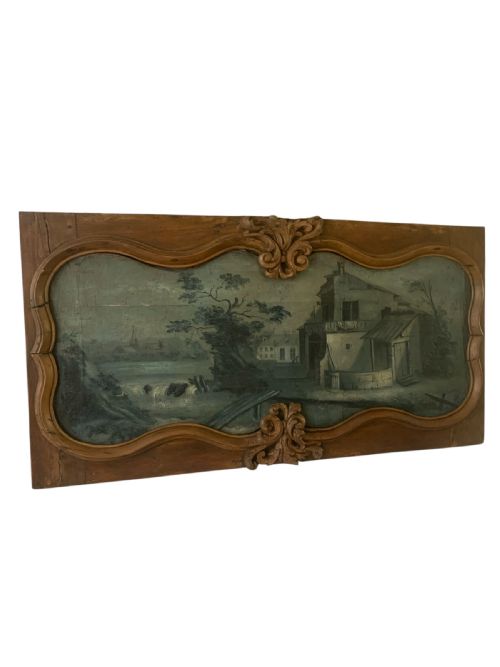
Buyers will encounter carved wooden overdoors, wrought iron scroll panels, and framed architectural plans alongside painted scenes of Paris and provincial towns. The selection mixes structural salvage with fine art depictions of cathedrals, market squares and chateaus.
Origins stretch across the eighteenth, nineteenth and twentieth centuries, incorporating Victorian, Art Deco and post impressionist aesthetics. Such works offer a direct connection to European craftsmanship and topography.
Materials and construction methods
Carved wooden panels utilise solid timber shaped with chisels, often finished with gesso and gold leaf details. Iron elements rely on forged wrought iron or cast iron, displaying weather-worn patinas and scrollwork.
Painted works employ oil on canvas or board, alongside watercolours and charcoal on paper. Engravings and lithographs use printed paper mounted within frames, frequently accompanied by original hand colouring.
The selection includes architectural salvage elements such as balustrade panels and overdoors alongside fine art prints and canvases.
Factors determining quality
Quality rests in the depth and precision of hand carving on wooden panels and the fineness of line in period engravings. Superior painted works demonstrate confident brushwork and composition by established artists rather than mass production.
The integrity of original materials dictates value, favouring untouched patinas on cast iron and weathered wood over heavy restoration. Period authenticity and clear provenance elevate the standing of each piece.
Raymond Subes·Lilian Colbourn·Paul Elie Gernez·Caroline Burnett·Ron Folland·Charles Eyres Simmons·Letitia Marion Hamilton
The French Architectural Wall Art Glossary
- Overdoor
- A decorative panel placed above a doorway, frequently carved with floral motifs or figural reliefs. These architectural elements often transition into wall art.
- Gesso
- A plaster mixture applied to wood or canvas as a base for paint or gold leaf gilding. It provides a smooth surface for detailed decorative carving.
- Lithograph
- A print made from a flat stone or metal plate on which an image is drawn with a greasy substance. This technique enabled the mass production of architectural plans and views in the nineteenth century.
- Balustrade
- A row of repeating balusters supporting a rail, often found on balconies and staircases. Cast iron examples are repurposed as decorative wall panels.
- Post-Impressionism
- An art movement extending roughly from the late nineteenth century, focusing on expressive forms and symbolic use of colour. Artists in this style depicted French townscapes with vibrant brushwork.
French Architectural Wall Art: Frequently Asked Questions
How do I hang heavy iron wall panels safely?
Heavy cast or wrought iron panels require secure fixings into structural wall studs or masonry using heavy duty wall anchors. Weight distribution must be calculated carefully before mounting.
Consult a professional installer if the piece exceeds standard framing weights to ensure the wall substrate can bear the continuous load safely.
How should I clean antique carved wooden panels?
Dust wooden panels gently with a dry, soft microfiber cloth to remove surface particles without disturbing the aged patina. Avoid liquid cleaners, oils or modern polishes that can penetrate and soften historic wood.
Keep pieces away from direct sunlight and radiators to prevent the timber from drying, cracking or warping over time.
How can I tell an eighteenth century engraving from a modern reproduction?
Original period engravings show plate marks where the printing press pressed the metal plate into damp paper. Paper stock should display age-appropriate toning, chain lines and watermarks characteristic of historic paper mills.
Examine the ink under magnification to check for the dot patterns of modern digital printing versus the slight absorption and texture of historic printing inks.
What is the best way to light architectural paintings?
Position picture lights with low heat output LED bulbs directly above the artwork to illuminate brushwork without causing thermal damage to the canvas. Ensure the light angle prevents glare on varnished oil surfaces.
Keep ambient room lighting moderate to protect sensitive oil paints and watercolours from prolonged ultraviolet exposure and fading.