

French Applique Sconce
When you search for a french applique sconce, you enter a world of wall-mounted illumination defined by ornate metalwork and classic continental elegance.
French Applique Sconce
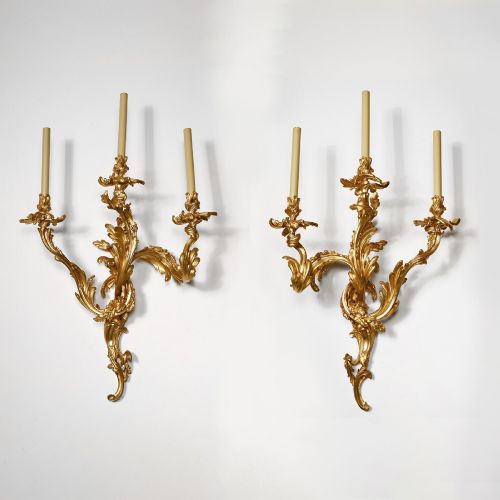
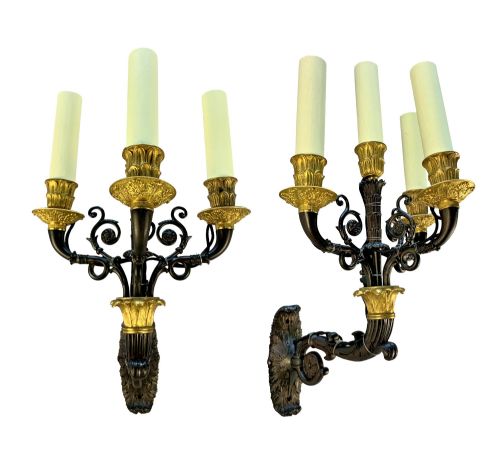
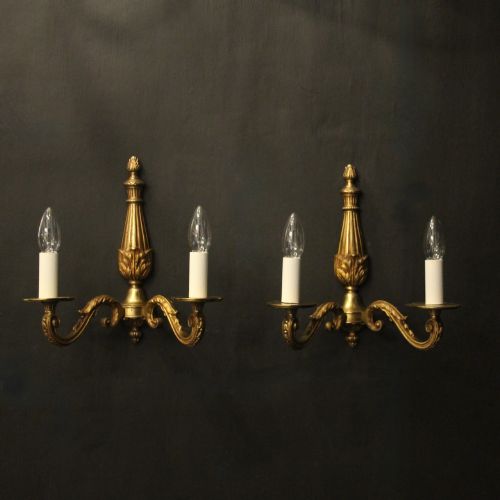
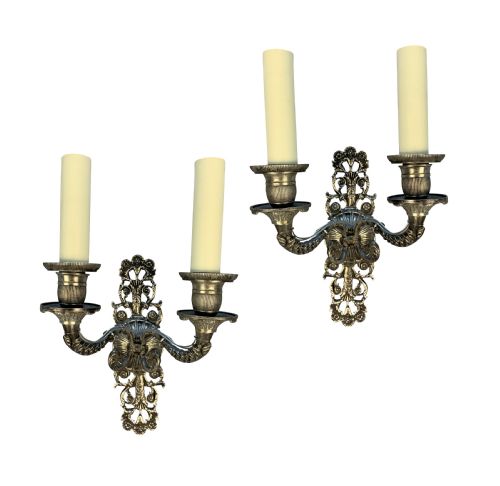
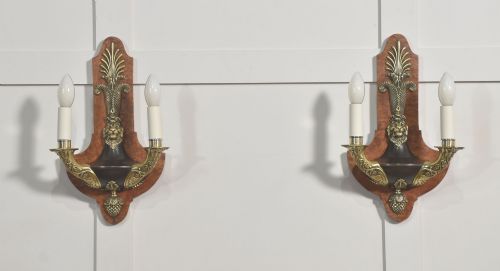
A french applique sconce brings traditional continental lighting directly to domestic walls through structured candle or electric fittings. These fixtures range from single-arm designs to substantial multi-branch arrangements mounted securely on timber or plaster surfaces.
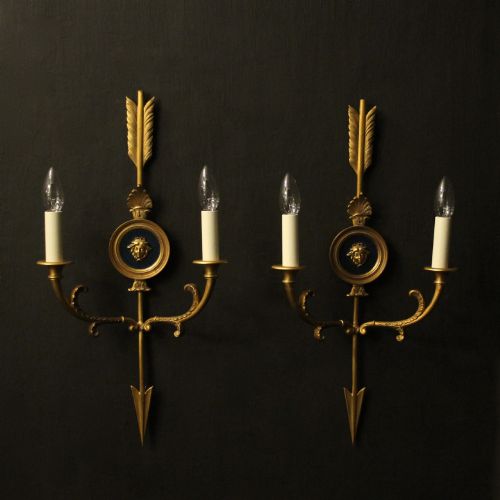
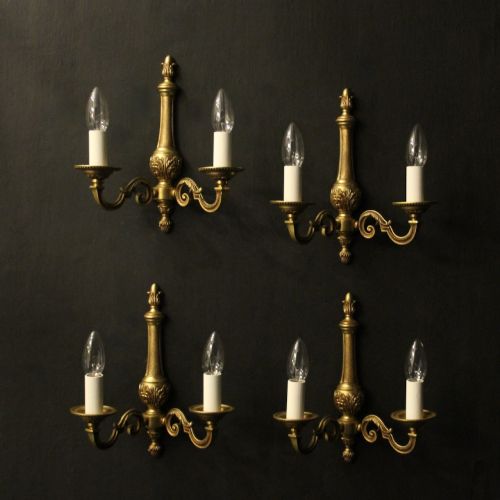
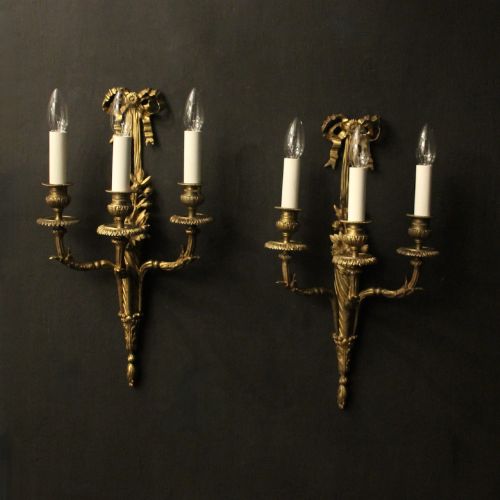
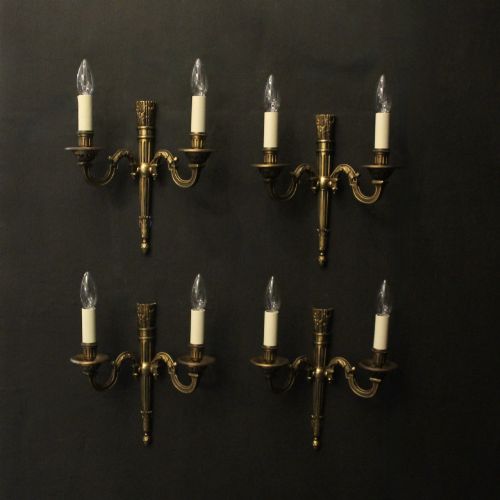
Most examples found here date from the nineteenth and twentieth centuries, spanning periods from Georgian through to the nineteen-thirties. Buyers frequently encounter matched pairs or larger sets featuring twin and triple arms designed to balance decorative schemes across a room.
How they were made
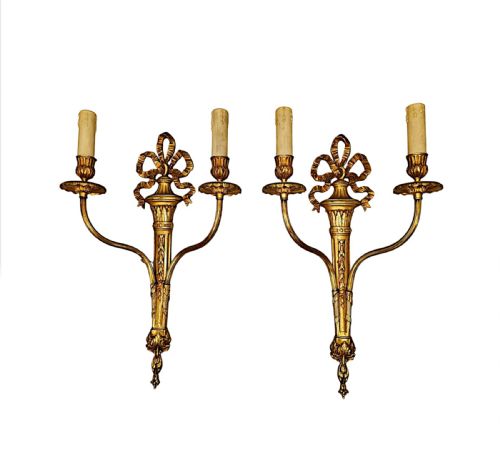
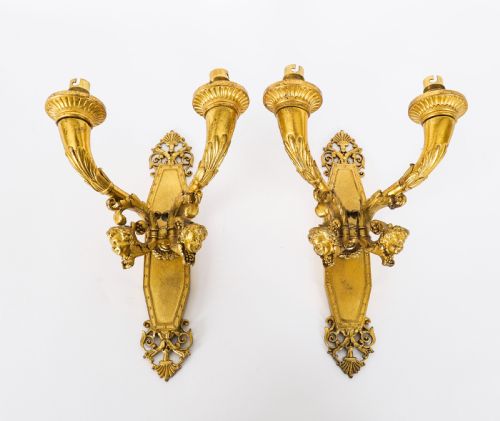
Craftsmen utilised durable base metals including brass, bronze, and silvered or gilt variations to form the structural body of each wall light. Metal casting and chasing allowed workshops to achieve deep relief work, crisp acanthus leaves, and flowing ribbon motifs.
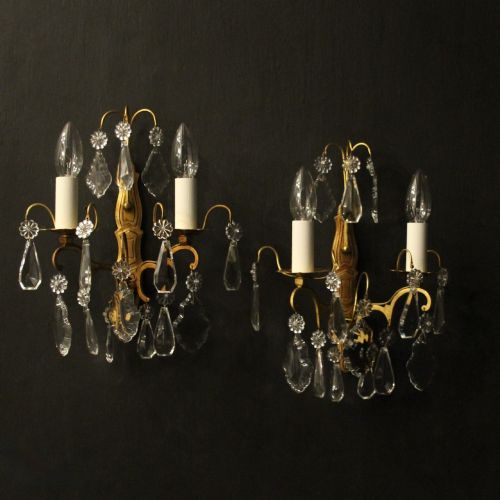
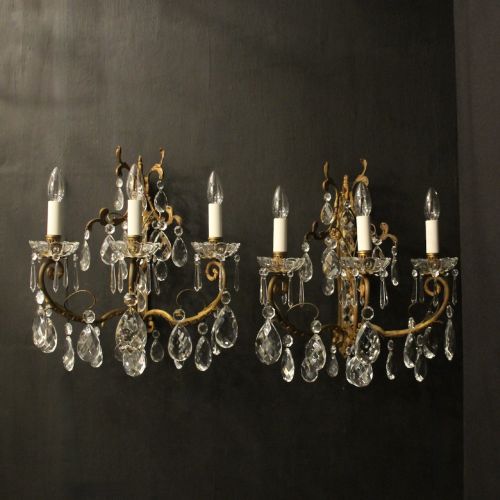
Surface enhancement relied on mercury gilding, ormolu, and applied gold leaf to create lasting brilliance. Selected pieces incorporate cut crystal drops and porcelain elements to refract candlelight and enrich the visual texture.
Listings span periods from Georgian and the eighteenth century through to nineteen-thirty, with materials including ormolu, gilt bronze, and cut crystal.
What varies in quality
The distinction between standard production and exceptional craftsmanship lies in the crispness of the metal chasing and the depth of the gilding. Superior examples display sharply defined sculptural details that retain their original luminosity without relying on heavy restoration.
Scale and proportion dictate the presence of a piece within a room, with larger multi-branch castings demonstrating superior structural engineering to support heavier arm extensions safely. Original components, including matched crystal drops and unified backplates, elevate the integrity of surviving sets.
Maison Baguès
The French Applique Sconce Glossary
- Ormolu
- Gilded bronze produced through a mercury amalgamation process, yielding a rich, warm golden surface finish. This technique was widely utilised by French metalworkers during the eighteenth and nineteenth centuries.
- Applique
- A wall-mounted lighting fixture designed to hold candles or electric lamps close to the vertical surface. The term is frequently interchanged with wall sconce.
- Rococo
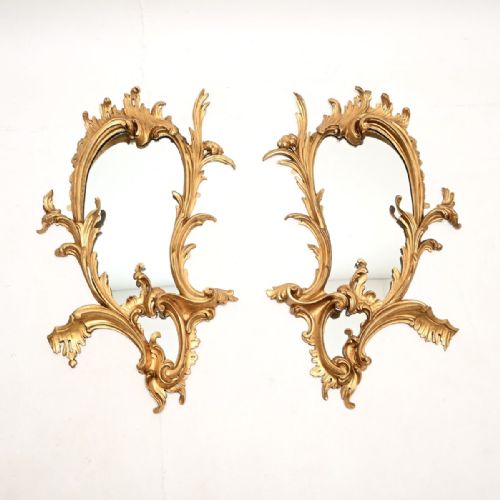
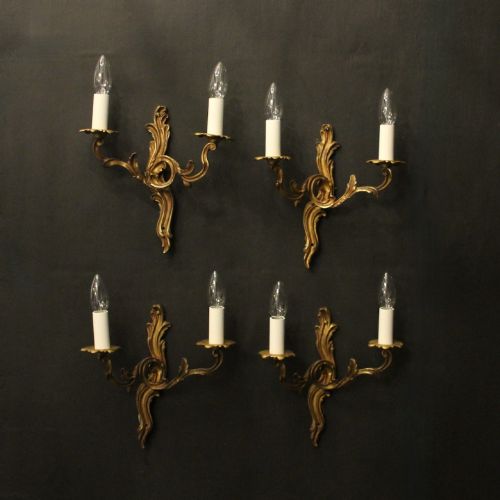
- An elaborate decorative style characterised by asymmetrical C-scrolls, shell motifs, and naturalistic plant forms. It appears prominently in nineteenth-century revivals of earlier French designs.
- Louis XVI
- A neoclassical style distinguished by straight lines, symmetry, classical urns, and architectural motifs. Pieces from this tradition favour restrained geometric discipline over exuberant curves.
- Half lantern
- A wall-mounted lighting form projecting outward with glazed panels, combining the characteristics of an entrance lantern and a flat-backed sconce.
French Applique Sconce: Frequently Asked Questions
How many bulbs do they hold?
Most examples accommodate single, twin, or triple arms designed for specific candle or small bulb configurations. Larger sets typically feature two or three branches per sconce to provide balanced illumination.
Electrical conversions vary across periods, meaning contemporary wiring should be assessed by a qualified professional before installation.
What materials were used?
Construction relies predominantly on cast metals such as brass, bronze, and gilded or silvered variations. Surface treatments include traditional ormolu and applied gold leaf.
Additional elements like cut crystal drops and porcelain flowers occasionally augment the primary metal structures.
How do I identify the period?
Stylistic indicators such as Louis XIV revival scrolls, Empire neoclassical geometry, or Rococo asymmetry provide clear chronological markers. Manufacturing methods and metal patination further distinguish nineteenth-century examples from later twentieth-century productions.
Design motifs reflect the prevailing decorative tastes of their respective decades, from Georgian influences to nineteen-thirties interpretations.