



Carved Acanthus Sconce
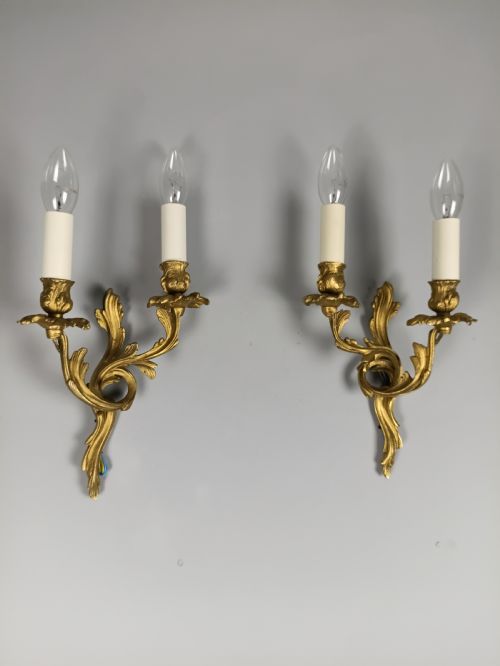
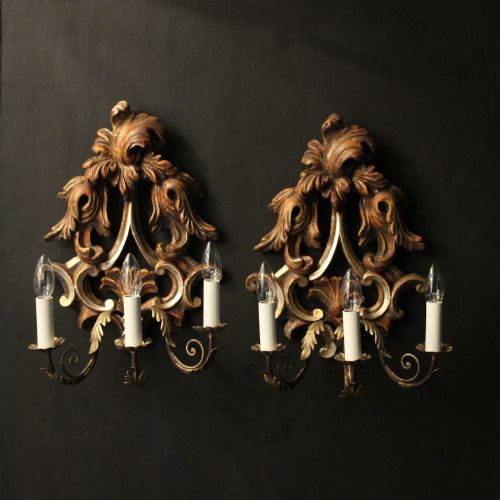
These carved acanthus sconce pieces bring centuries of sculptural form and historic lighting to a room, combining rich wood carving with functional wall illumination.
Carved Acanthus Sconce
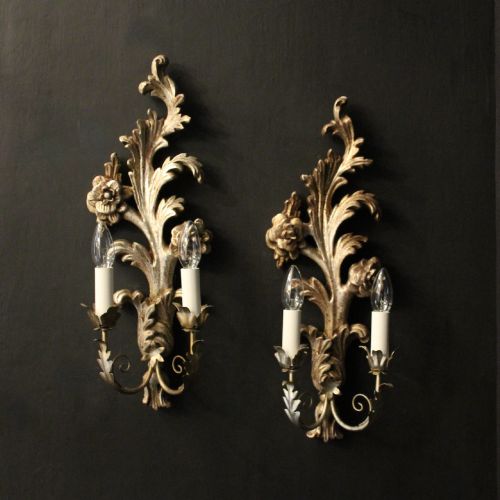
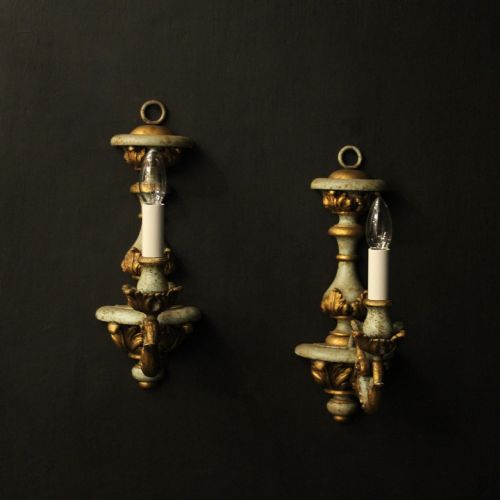
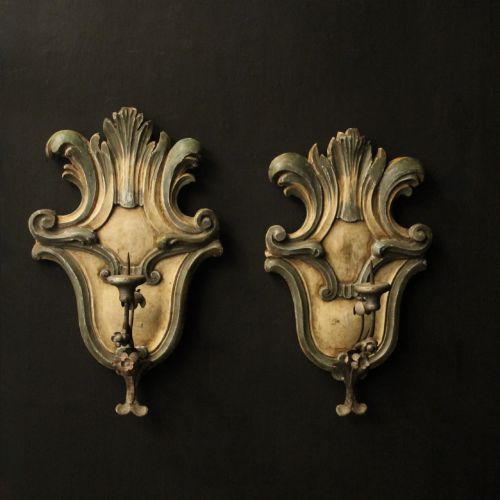
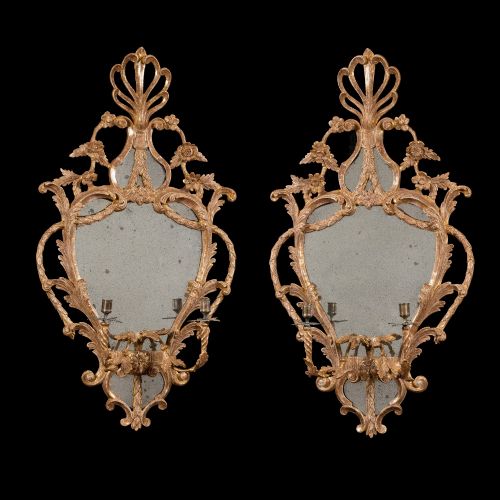
A carved acanthus sconce represents a tradition of wall-mounted lighting and architectural brackets shaped by classical leaf motifs. Buyers looking for a carved acanthus sconce will find items ranging from eighteenth-century Georgian girandoles to twentieth-century Florentine giltwood wall lights.
The selection on this page relies heavily on Italian Florentine designs alongside French and Georgian examples. Pairs dominate the offerings, appearing frequently as twin or triple-arm wall lights dressed in giltwood and gesso.
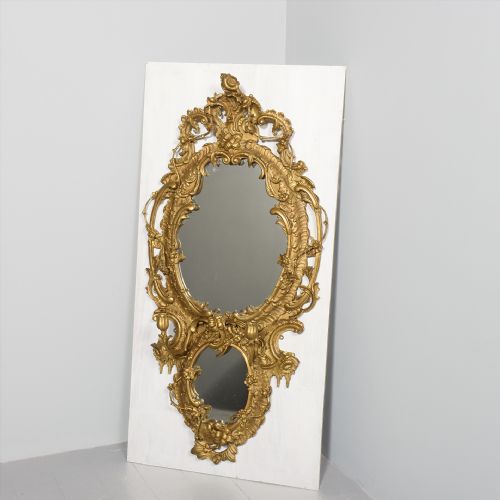
Beyond standard candle sconces, the category extends to architectural wall brackets, carved capitals, and overmantel mirrors fitted with arms. These pieces serve both to illuminate and to project decorative depth off a wall surface.
Materials and construction
Makers shaped these pieces primarily from carved wood, applying layers of gesso to build up crisp relief details before finishing them. Giltwood and gold leaf provide the luminous surfaces seen across the Georgian and Florentine variants.
Surface decoration frequently involves polychrome paint and silver giltwood alongside traditional gilding techniques. Structural support relies on robust timber foundations, while metal arms carry the candle nozzles or electrical fittings.
Listings span periods from the eighteenth century through the Victorian era up to 1930, utilising giltwood, gesso, carved wood, and metal.
Assessing quality and craftsmanship
Quality rests in the crispness of the carving and the depth of the underlying gesso work. Superior pieces display finely undercut leaves and scrolls rather than soft, moulded details.
The integrity of the original gilding and paint layers dictates much of the visual success. Finer examples retain their original gold leaf and authentic patination without heavy modern repainting masking the historic timber beneath.
The Carved Acanthus Sconce Glossary
- Acanthus
- A classical leaf ornament heavily utilised in classical architecture and carved woodwork. This Mediterranean plant form provides the defining scrollwork for the brackets and sconces on this page.
- Giltwood
- Timber that has been coated with gold leaf or a gold-coloured finish. This technique creates a rich reflective surface common in eighteenth and nineteenth-century lighting.
- Gesso
- A plaster-like mixture applied to wood surfaces to create a smooth base for gilding and fine relief carving. It allows craftsmen to achieve sharp, intricate decorative edges.
- Girandole
- An ornamental bracket wall light featuring a mirror backplate to multiply the candle illumination. Georgian examples often incorporate elaborate carved frames.
- Corbel
- A structural bracket projecting from a wall to support a weight. In this collection, large carved examples serve decorative and architectural roles.
Carved Acanthus Sconce: Frequently Asked Questions
How do I hang a heavy wall sconce?
Heavy carved wood and giltwood sconces require secure fixing directly into wall studs or solid masonry using appropriate heavy-duty fixings. Because many pieces carry significant weight from timber and gesso, avoiding simple plasterboard anchors is essential.
Ensuring the mounting bracket or integrated hanging loop engages firmly with the wall support keeps the projecting arms stable. Professional installation is recommended for large multi-branch or mirror-backed pieces.
Are these sconces wired for electricity?
Many wall lights from the early twentieth century arrive adapted for electricity, while older eighteenth-century pieces may retain purely candle-holding configurations. Inspecting the individual listing details clarifies the current wiring status.
Any electrical conversion should be checked by a qualified electrician to ensure compliance with modern safety standards before installation. Adapting candle sconces to electricity is a common practice for modern domestic use.
How should I clean giltwood and carved surfaces?
Dusting giltwood and carved wooden surfaces requires a very soft, dry brush or a feather duster to protect delicate gold leaf and gesso layers. Moisture and chemical cleaners can strip historic finishes and damage the underlying plasterwork.
Keeping these pieces away from direct heat sources and damp environments preserves the wood and prevents the gesso from cracking. Gentle maintenance ensures the historic patination remains undisturbed.
How do I date an antique wall light?
Dating relies on examining the timber types, the composition of the gesso, and the specific stylistic cues of the carving, such as Rococo asymmetry or Neoclassical symmetry. Tool marks on the reverse of the wood also offer clues to the manufacturing era.
Comparing the construction methods against known periods like the Georgian era or the Florentine revivals helps establish the age. Subtle signs of wear and age in the gilding validate the historical timeline.