


French Metal Bowl
A french antique metal bowl brings sculptural weight and tactile history to a room, ranging from grand display pieces to utilitarian kitchen vessels.
French Metal Bowl
A french antique metal bowl encompasses a diverse array of objects spanning decorative display items and utilitarian kitchen vessels. The selection draws heavily from nineteenth-century production, alongside eighteenth-century items and later art deco designs.
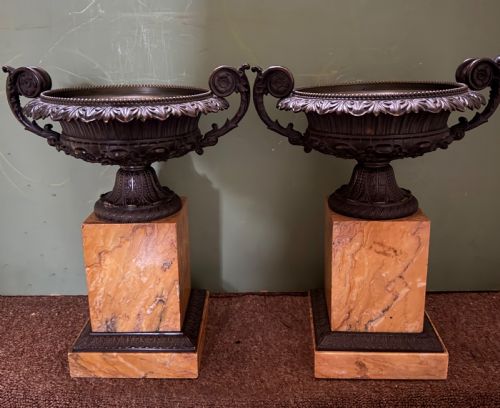
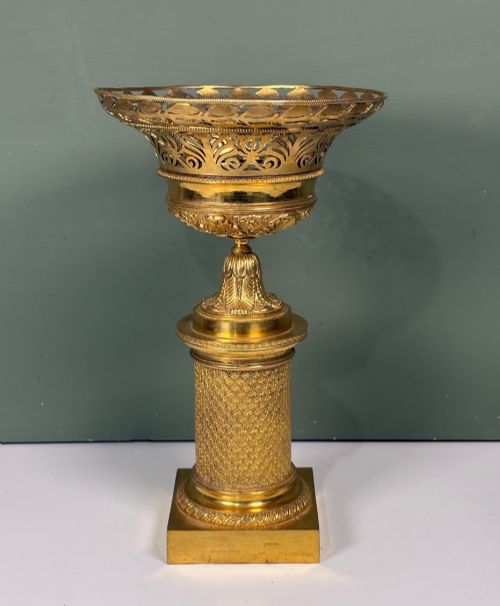
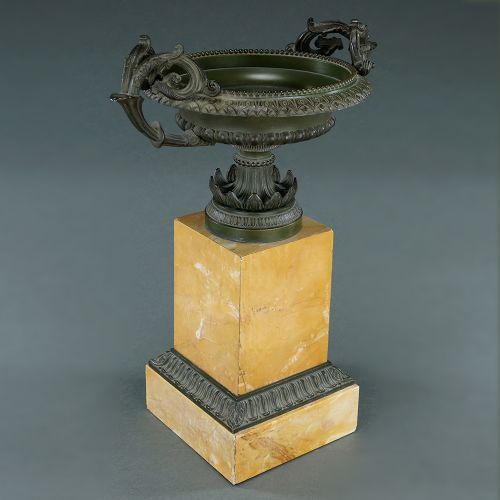
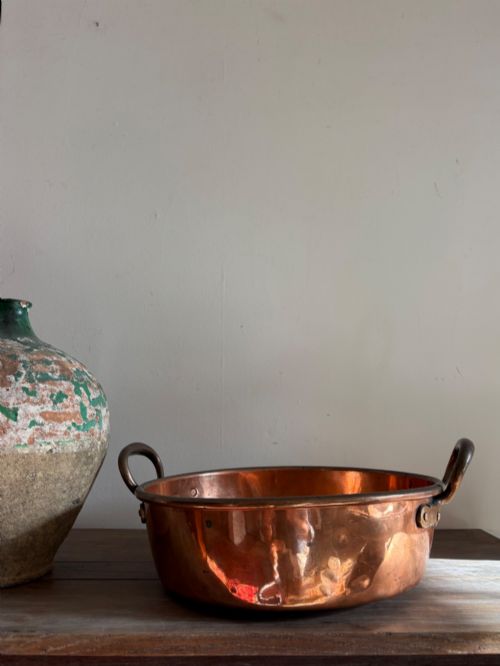
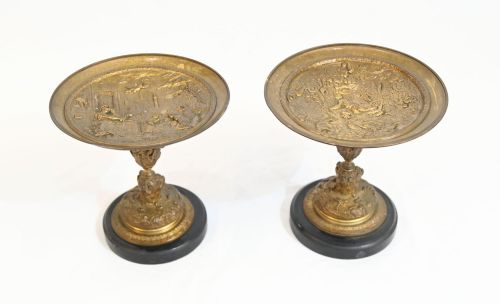
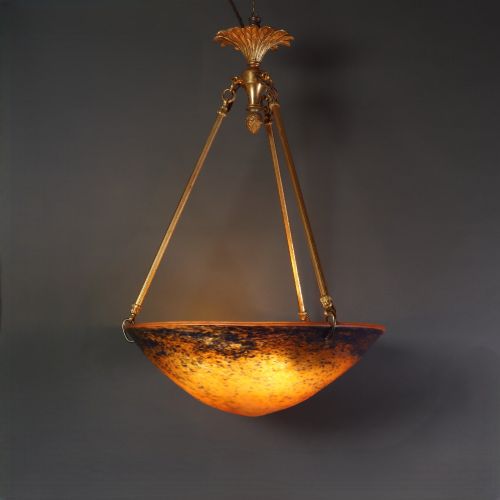
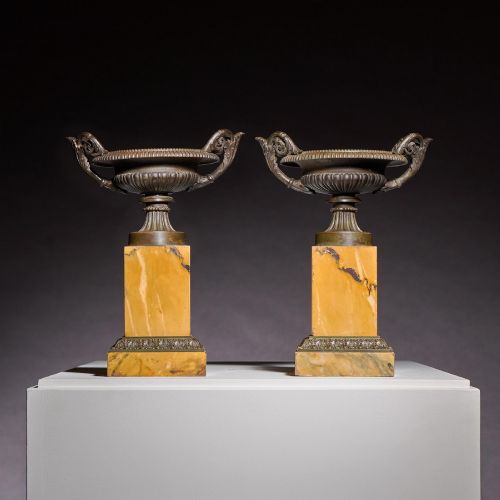
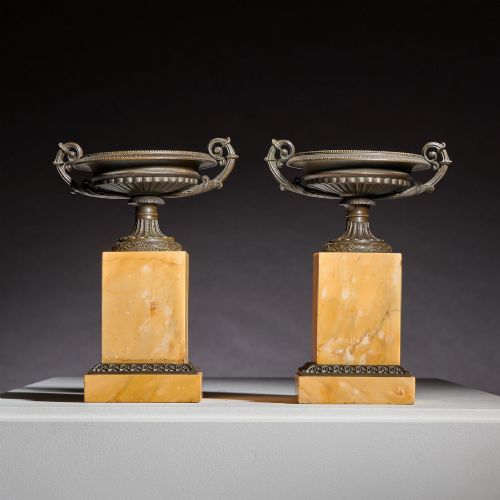
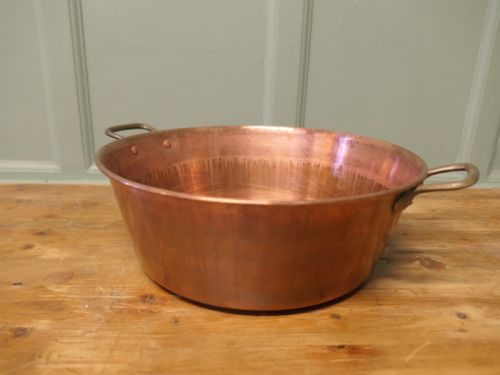
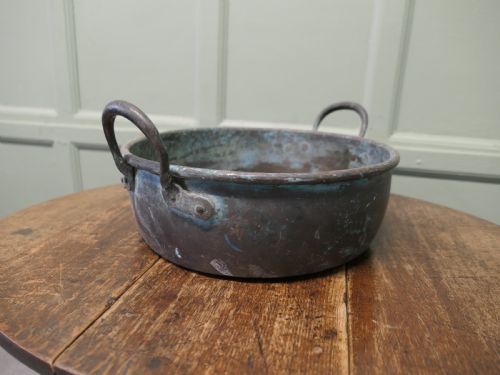
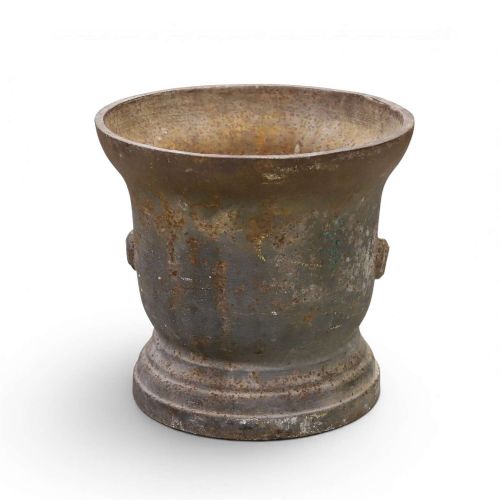
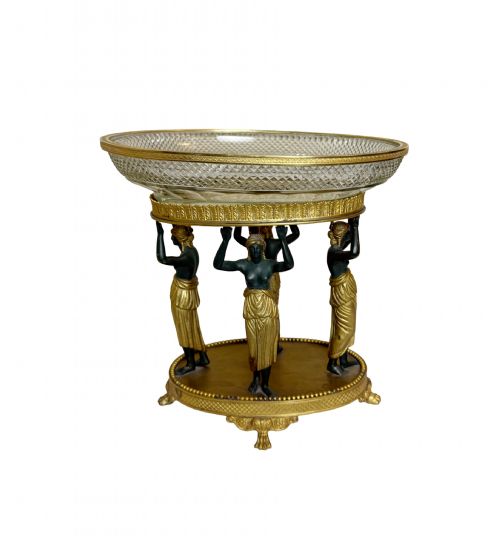
Buyers will encounter formal display objects such as tazzas, centrepieces, and jardiniere planters, often combining metals with marble, crystal, or enamel. Alongside these decorative forms sit heavy copper preserving pans, jam pans, iron mortars, and barbers bleeding bowls.
The aesthetic vocabulary stretches from French Empire and Napoleon III grandeur to rustic farmhouse and provincial styles. Pieces originate from domestic salons, chateau kitchens, and Parisian workshops alike.
Materials and construction
Foundry work and metal-spinning dictate the construction of these pieces, utilising bronze, copper, brass, cast iron, and pewter. Gilt bronze and silvered bronze frequently provide ornamental surface richness.
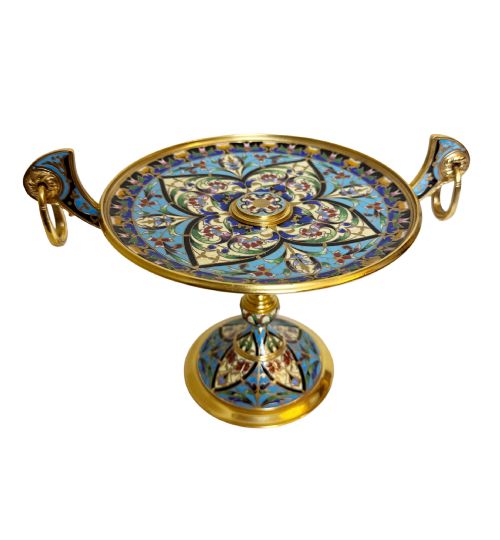
Casting methods create structural integrity for heavy tazzas and mortars, while hand-beating shapes the large copper jam and preserve pans intended for heat. Enamel work, champlevé, cloisonné, and cut crystal add contrasting textures and colour to the metal frames.
French Metal Bowl Retail Price Guide 2026
Typical asking prices for french metal bowl among the pieces listed under this phrase on Sellingantiques today, from the lower quarter to the upper quarter. They describe what is for sale here now, not the wider market.
A nineteenth-century boules set waits alongside the bowls, proving that French metalwork also spent time flying through village air.
Evaluating craftsmanship
Quality reveals itself in the crispness of the casting and the weight of the metal utilised in the body. Finer examples display meticulous chasing on bronze work, secure mounting of marble bases, and integrated handles that balance the piece.
Maker attribution and decorative ambition separate standard utility items from salon showpieces. Intricate enamel plaques, fire-gilded ormolu, and concerted artistic design elevate specific pieces above everyday kitchenware.
Lerolle Fres·Verrerie Des Vosges·Brille Paris·Christofle Paris·Gallia
The French Metal Bowl Glossary
- Tazza
- A shallow bowl or vase raised on a stem and foot, used historically for serving fruit or displaying items. Grand tour examples often incorporate marble bases.
- Jardiniere
- An ornamental pot or stand designed to hold growing plants or floral arrangements. These frequently employ cast iron, copper, or ceramic bodies.
- Ormolu
- Gilt bronze produced by applying a finely ground high-carat gold-mercury amalgam to a bronze object. The technique creates a durable golden finish seen on French Empire pieces.
- Champlevé
- An enamelling technique where troughs or cells are carved into the metal surface and filled with vitreous enamel before firing. It appears on decorative bowls and tazzas.
- Preserve pan
- A wide, shallow metal vessel, typically hammered copper, designed for boiling fruit and sugar. They feature sturdy handles for heavy lifting.
French Metal Bowl: Frequently Asked Questions
What were copper jam pans used for?
These heavy vessels served in large kitchens for boiling fruit and sugar during preserving season. Their wide, shallow shape allowed rapid evaporation.
Today, they function well as decorative floor bowls or fireplace accessories, retaining their warm hammered metal patina.
How do I identify a grand tour tazza?
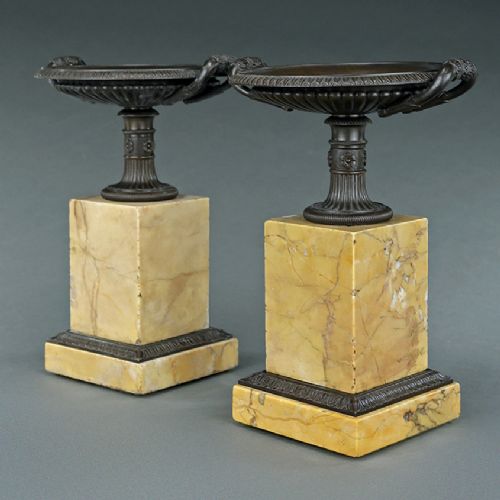
Grand tour tazzas typically combine patinated bronze figures or bowls with classical Siena marble bases. They were acquired by travellers touring European cultural centres during the nineteenth century.
Their iconography frequently references classical mythology, cherubs, or architectural motifs.
Where should I display a heavy cast iron mortar?
Cast iron mortars possess immense weight and industrial presence, making them suitable as floor-standing cachepots or tabletop focal points. Their robust walls often bear evidence of apothecary or kitchen use.
Pair them with lighter elements to balance their dark, utilitarian finish.
What is the difference between a centrepiece and a tazza?
A centrepiece is a large decorative table arrangement, often incorporating cut crystal bowls, cherubs, or multiple branching arms for display. A tazza specifically denotes a shallower vessel raised on a single central foot.
Both served central roles in formal nineteenth-century tablescapes.