



French Cookware
French antique cookware brings warmth and heavy metal utility to the kitchen, offering centuries-old vessels built for serious hearth work.
French Cookware
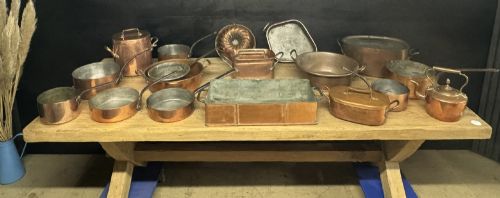
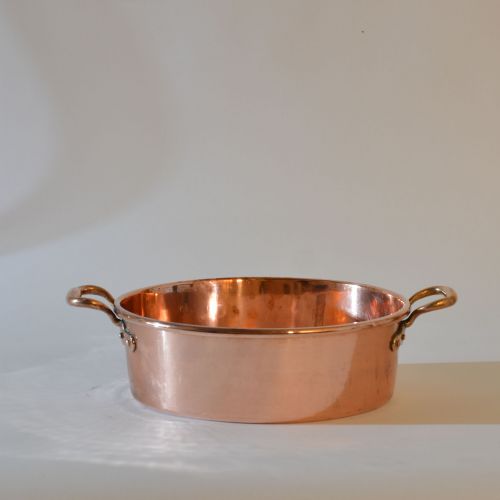
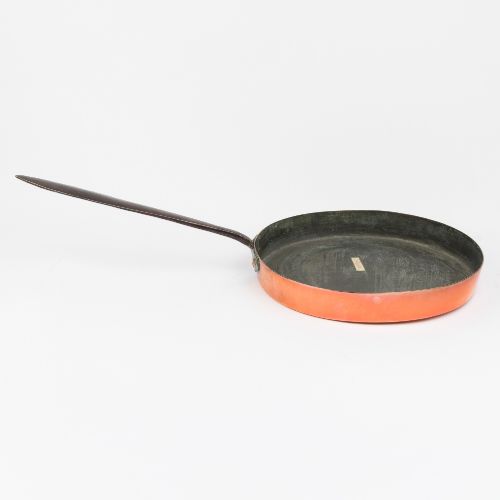
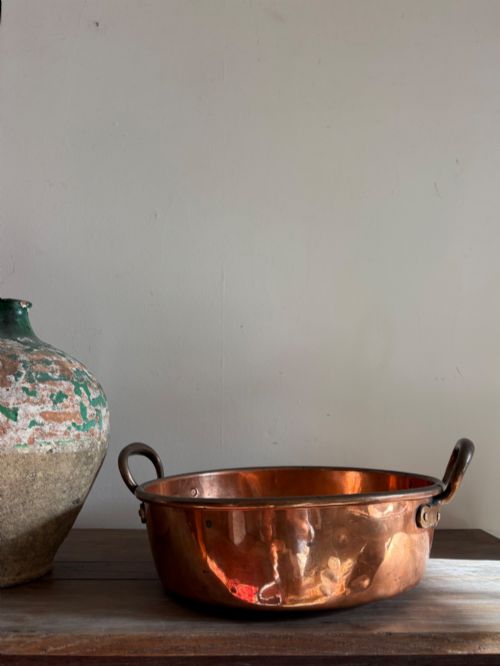
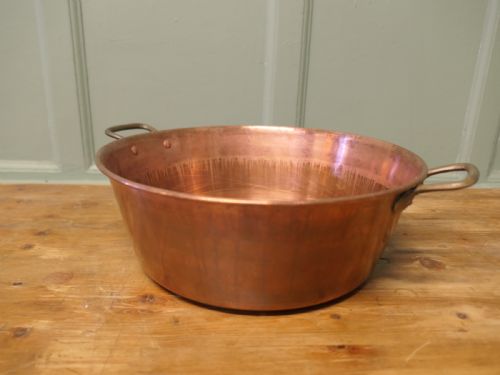
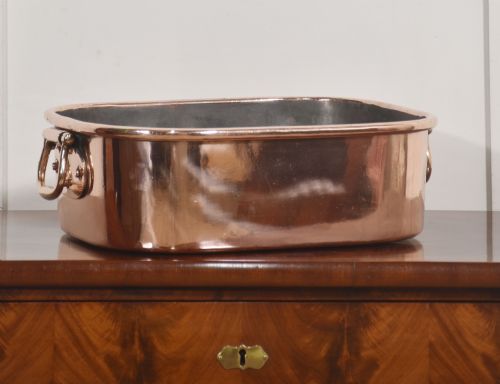
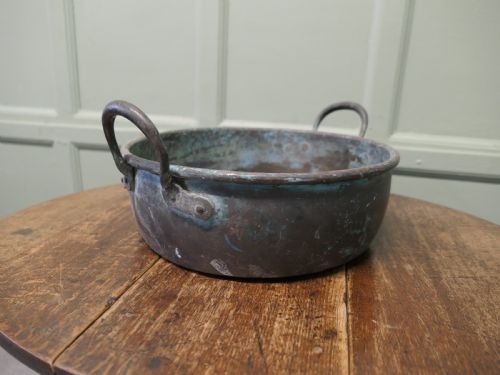
When you search for french antique cookware, you encounter heavy culinary vessels designed for nineteenth-century kitchens and country houses. These utilitarian objects include fish kettles, preserving pans, double-handled jam pans, daubiere cooking pots, and tiered saucepan racks with hooks.
The pieces on this page span the nineteenth century, including specific dates such as eighteen-sixty, nineteen-hundred, and nineteen-thirty, alongside Victorian and French country stylistic influences. Sets of four or five copper pans appear frequently alongside large individual preserving vessels.
Originating from French workshops and country houses, these items showcase the robust domestic infrastructure of past centuries. Buyers acquire them both for decorative rustic displays and for functional deployment in modern kitchens.
How they were made
Makers utilised heavy-gauge copper as the primary material for heat distribution, paired with brass fittings and iron handles for structural support. Tin linings protected the food from the reactive copper surface, while wrought iron and cast iron provided strength for heavy hanging racks and sturdy cooking pots.
Construction relied on hand-beaming, dovetailing, and riveting heavy metal plates together to form seamless or tightly joined vessels that could withstand constant hearth use. Handles were securely attached with heavy rivets or cast brass brackets to bear the immense weight of large preserving pans and fish kettles.
French Cookware Retail Price Guide 2026
Typical asking prices for french cookware among the pieces listed under this phrase on Sellingantiques today, from the lower quarter to the upper quarter. They describe what is for sale here now, not the wider market.
Some preserving pans bear the faint knuckle marks of the smith who hammered them into shape over a century ago.
What varies in quality
The thickness and weight of the metal plate distinguish standard utility vessels from superior examples, with heavier gauge copper providing greater durability and heat retention. The integrity of the dovetail joints and the solidity of the brass or iron handles reveal the original standard of manufacture.
Subtleties in surface wear, the preservation of original tin linings, and harmonious matching within sets of pans elevate certain pieces above ordinary single survivors. The proportion and balance of double handles on large jam pans also indicate the care taken by the original metalworker.
The French Cookware Glossary
- Fish Kettle
- An elongated metal vessel equipped with a lid and internal draining rack, built specifically for poaching whole fish. These pieces often feature secure brass or iron end handles.
- Preserving Pan
- A wide, open basin designed for boiling fruit and sugar down to jams and preserves. The shallow shape allows rapid evaporation during long cooking sessions over direct heat.
- Saucepan Rack
- A tiered iron or metal framework fitted with hooks for suspending multiple pots in an organised kitchen arrangement. These racks maximise storage space while keeping heavy cookware accessible.
- Dovetail
- A method of interlocking metal joints together before hammering them flat and secure. This technique ensures watertight seals in heavy copper vessels without modern welding.
French Cookware: Frequently Asked Questions
Are these copper pans safe for cooking?
Many antique copper pans require a fresh tin lining before modern culinary use to prevent copper from leaching into acidic foods. Consulting a specialist tinning service ensures the interior meets food safety standards.
Unlined pans still function well for boiling sugar preserves or serve purely decorative roles in rustic kitchens.
How do I clean antique copper cookware?
Warm water, mild soap, and a soft cloth remove everyday dust without harming the aged metal surface. Specialised copper cleaners restore brightness when shiny finishes are desired.
Allowing natural patination to develop over time preserves the historic character and depth of the metal.
How do I date nineteenth-century French pans?
Handle styles, dovetail construction patterns, and maker marks help narrow down the decade of production. Heavier hammered surfaces typically point to earlier nineteenth-century workshop methods.
Comparing weight and rim formation against dated examples clarifies whether a piece originates from the eighteen-sixties or later periods.
Can I hang heavy saucepan racks safely?
Tiered iron racks carry significant weight, especially when loaded with multiple heavy copper pans. Securing them directly into structural wall studs or ceiling joists is essential.
Checking the stability of individual hooks ensures the entire display remains secure under everyday kitchen loads.