

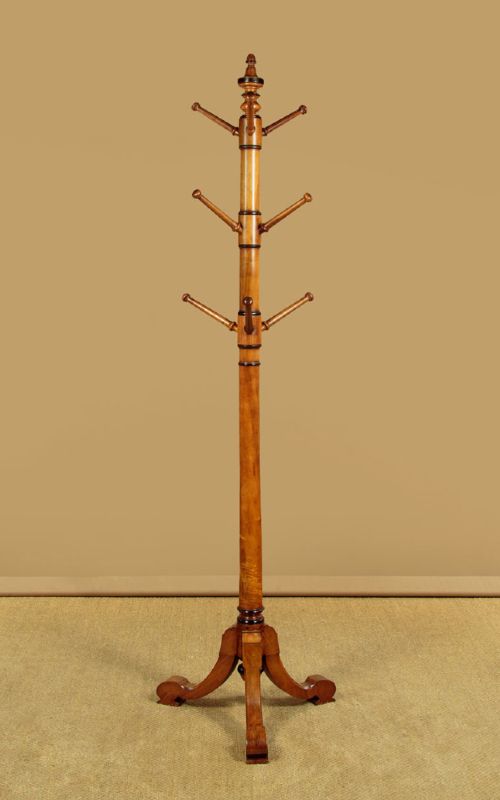
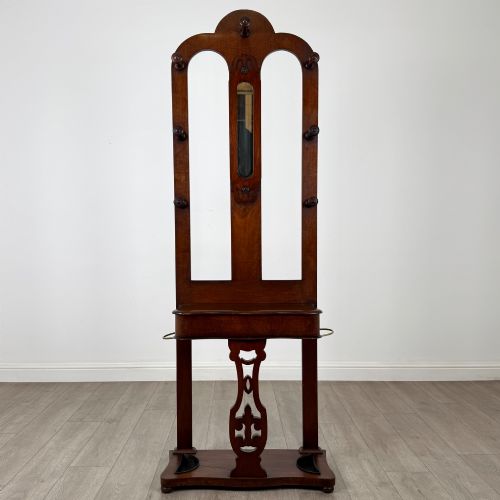
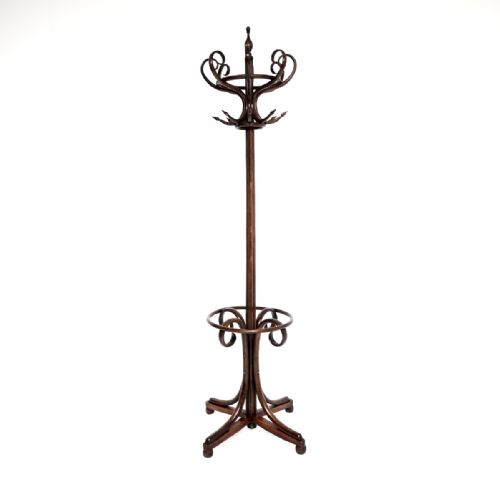
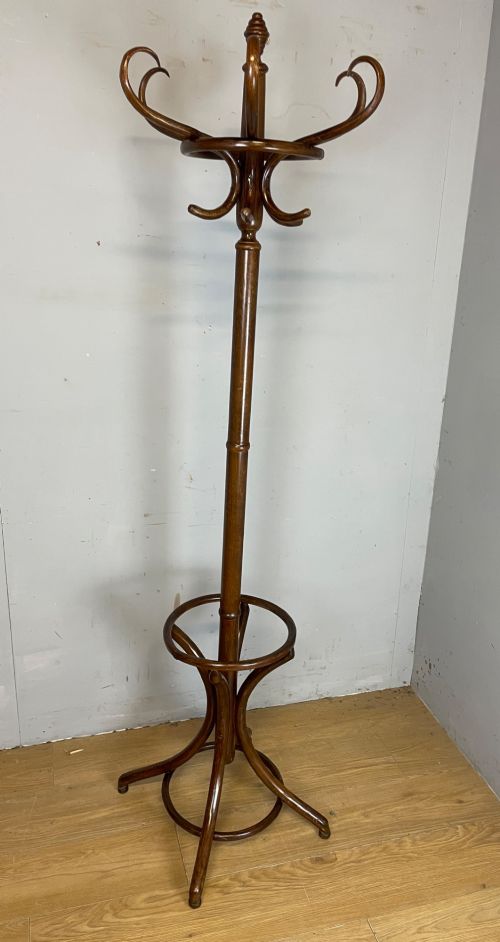
Freestanding Wooden Coat Stand
A freestanding wooden coat stand brings practical utility and period character to an entrance hall, offering a dedicated spot for hats, coats, and sticks.
Freestanding Wooden Coat Stand
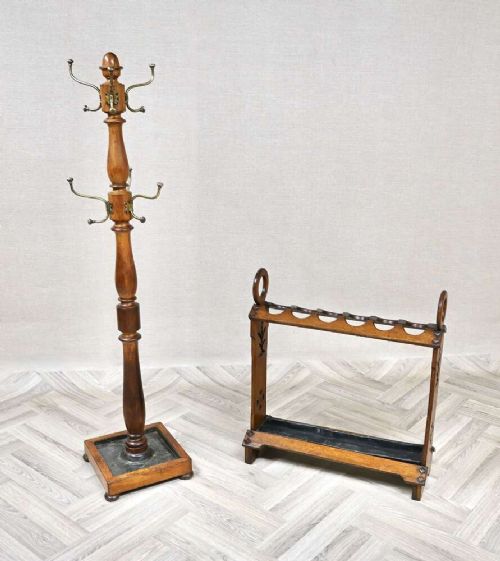
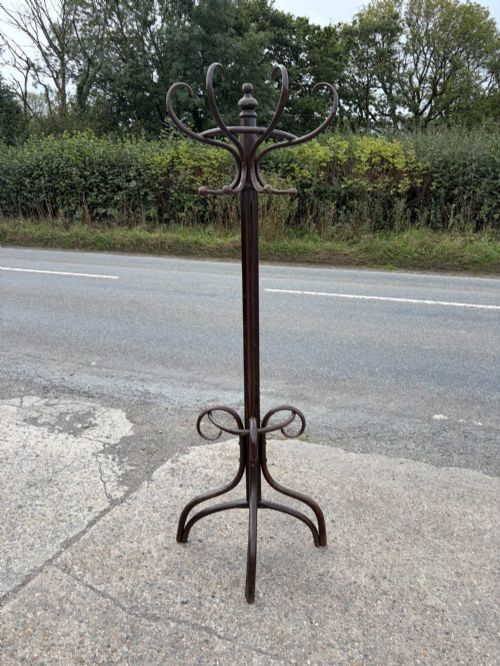
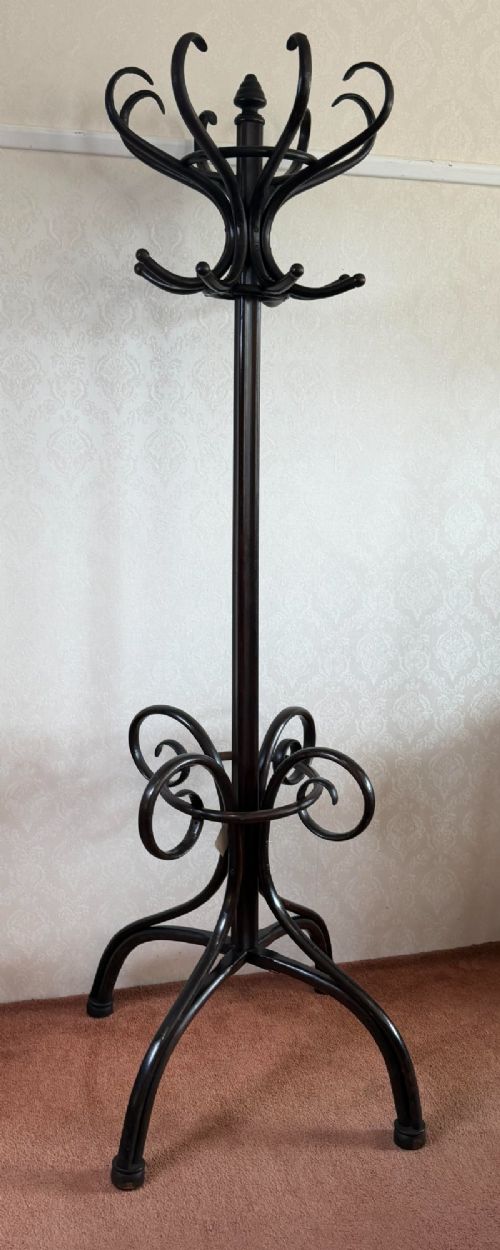
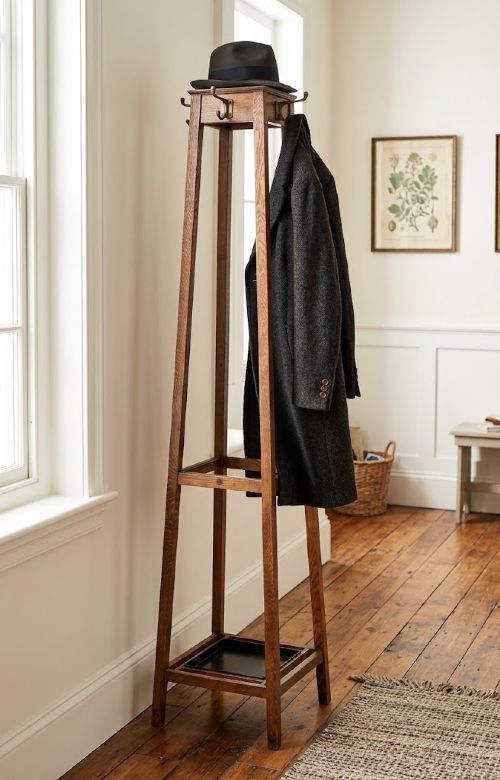
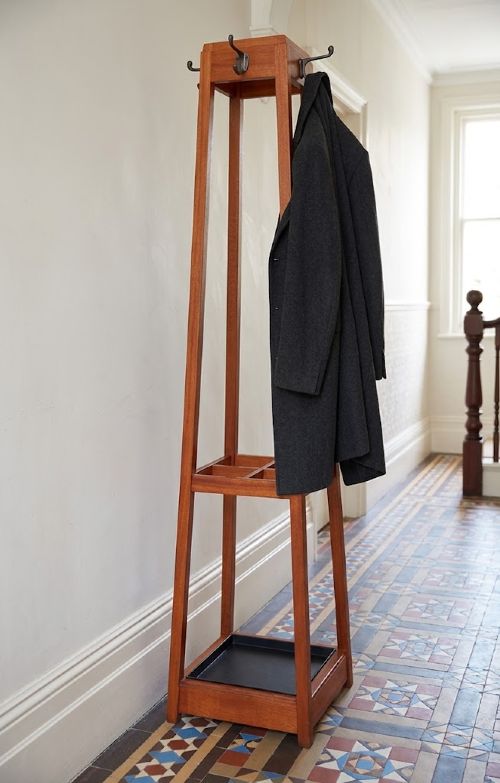
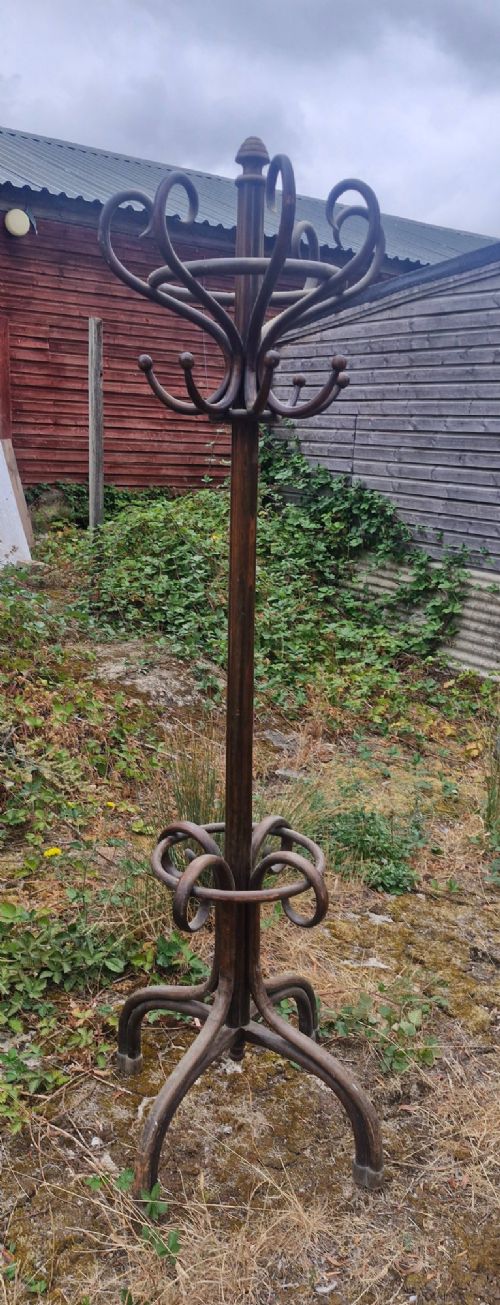
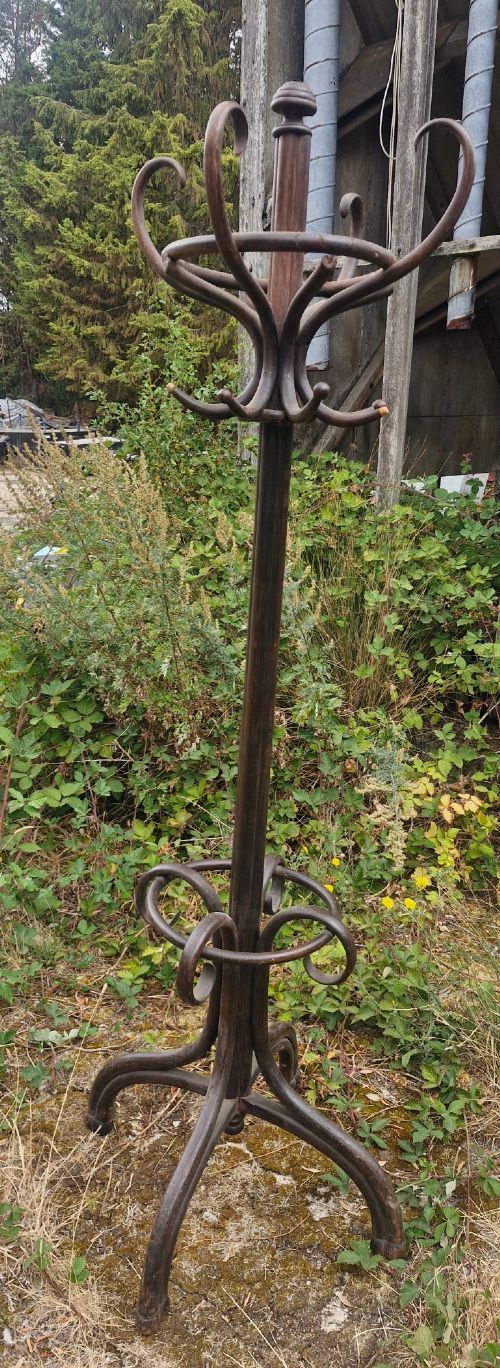
A freestanding wooden coat stand is a functional hall furnishing designed to hold outerwear without needing wall fixings. When browsing this selection, you will frequently encounter bentwood examples alongside sturdy oak designs from the nineteenth and early twentieth centuries.
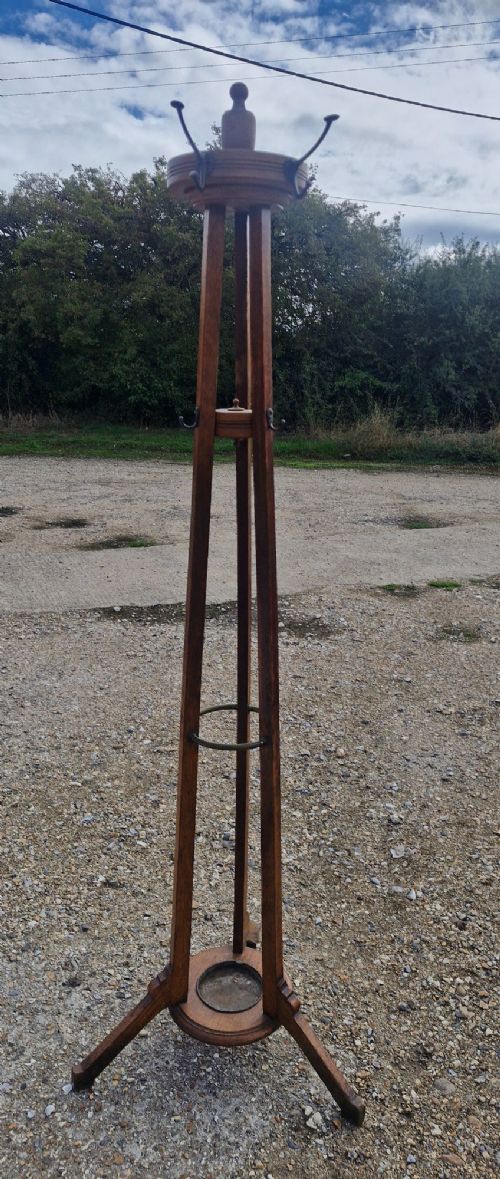
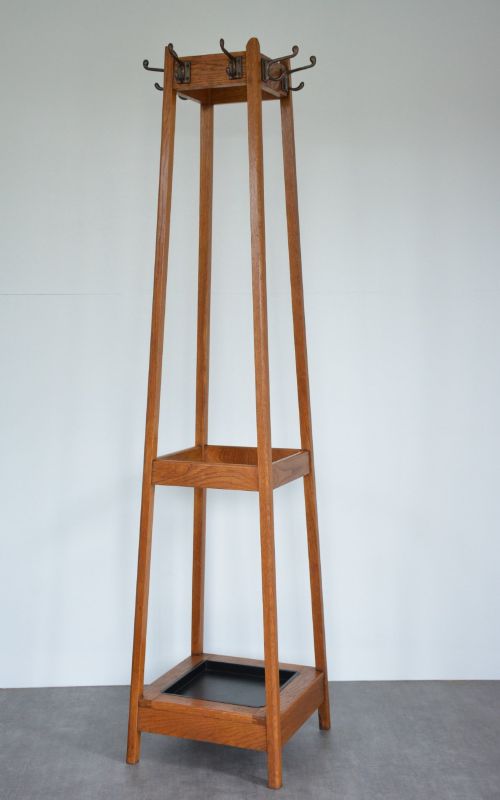
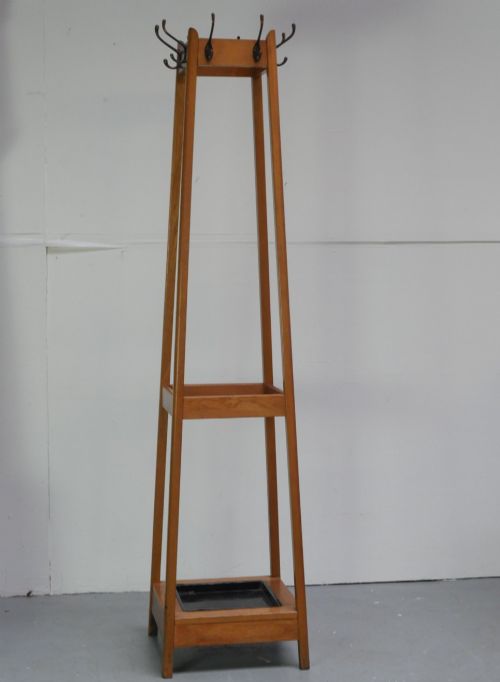
The inventory ranges from rotating Edwardian hat stands to substantial Victorian hall stands incorporating umbrella holders and drip trays. These pieces served as the initial greeting point in a traditional home, combining vertical storage with architectural presence.
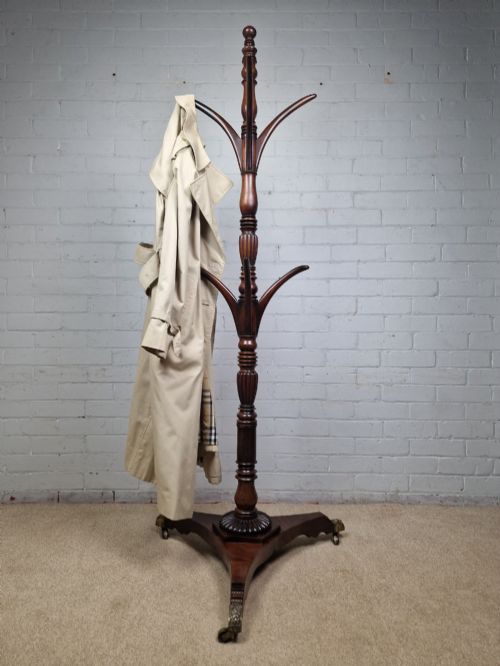
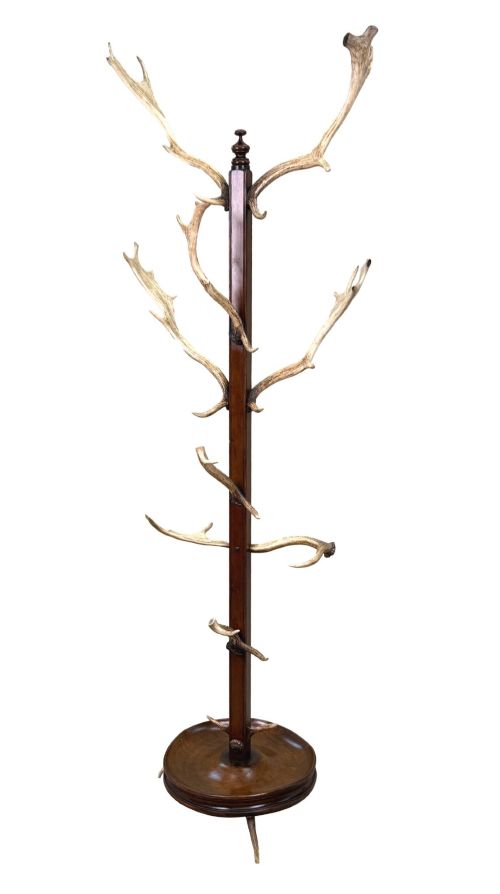
Makers utilised various regional woods, producing everything from lightweight beech frameworks to heavy mahogany hall trees. Selecting a piece involves weighing the vertical footprint against the daily requirements of modern hallways.
How they were made
Makers relied primarily on steam-bent beech for curved bentwood designs, softening the timber in boiling vats before pressing it into flowing circular forms. This technique allowed craftsmen to create lightweight yet resilient frames with minimal joints.
For heavier hall stands, workshops utilised solid oak, mahogany, and walnut, employing traditional joinery such as mortise and tenon construction. Brass hooks and cast iron drip trays were frequently integrated to handle wet umbrellas and heavy winter garments.
Freestanding Wooden Coat Stand Retail Price Guide 2026
Typical asking prices for freestanding wooden coat stand among the pieces listed under this phrase on Sellingantiques today, from the lower quarter to the upper quarter. They describe what is for sale here now, not the wider market.
Several stands feature rotating tops, turning the mundane task of hanging a hat into a miniature amusement park ride in your hallway.
What varies in quality
Quality rests in the stability of the central column and the original integrity of the steam-bent curves or joined framework. Superior pieces retain their original brass or iron hardware without replacement hooks or patched timber bases.
Heavier gauges of timber and well-balanced umbrella rings distinguish finer workshop output from more utilitarian hallway furniture. Original surface finishes, whether polished mahogany or lacquered bentwood, preserve the character intended by the original cabinetmaker.
Thonet·Astrola·Jas Shoolbred·GW Evans
The Freestanding Wooden Coat Stand Glossary
- Bentwood
- Wood that has been heated with steam and bent into curved shapes. This technique defines many lightweight hat stands produced around the turn of the twentieth century.
- Hall tree
- A tall freestanding piece of furniture incorporating hooks for coats, a hat rack, and often a mirror or umbrella stand. They anchor larger entrance halls.
- Drip tray
- A metal base insert designed to catch water from wet umbrellas and walking sticks. These trays protect wooden floors from moisture damage.
- Revolving hat stand
- A design featuring a rotating upper tier that allows easy access to multiple hats and coats. Edwardian examples often utilise this mechanism.
- Demi lune
- A half-moon shape used for hall stands designed to sit flush against a wall. This profile saves floor space in narrower corridors.
Freestanding Wooden Coat Stand: Frequently Asked Questions
How do I choose the right size?
Measure your hallway width and ceiling height before selecting a freestanding wooden coat stand, keeping in mind that revolving models require clearance for turning.
Heavier oak hall stands demand more floor space than slender bentwood designs, so match the scale of the furniture to the proportions of your entrance.
Are these stands stable enough for heavy coats?
Most antique stands handle winter garments easily, provided the weight is distributed evenly around the upper hooks.
Heavier Victorian designs with wide umbrella bases offer exceptional stability, while lighter bentwood versions benefit from holding balanced loads.
How do I care for bentwood timber?
Dust the curved surfaces regularly with a dry cloth and occasionally apply a quality beeswax to nourish the aged wood.
Avoid placing wooden coat stands in direct sunlight or beside radiators to prevent the steam-bent timber from drying out.
Can these stands hold wet umbrellas?
Many period hall stands include integrated metal drip trays specifically designed to catch moisture from wet umbrellas.
Ensure that wet items are shaken off before placing them into the stand to protect the surrounding wooden base from water marks.