



Beechwood Hat Stand
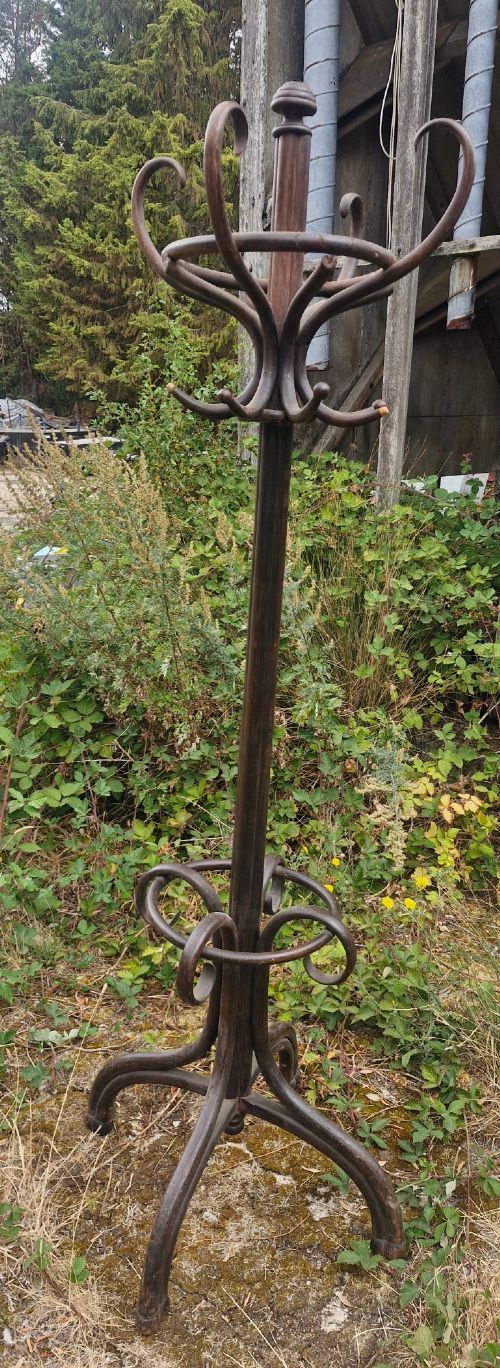
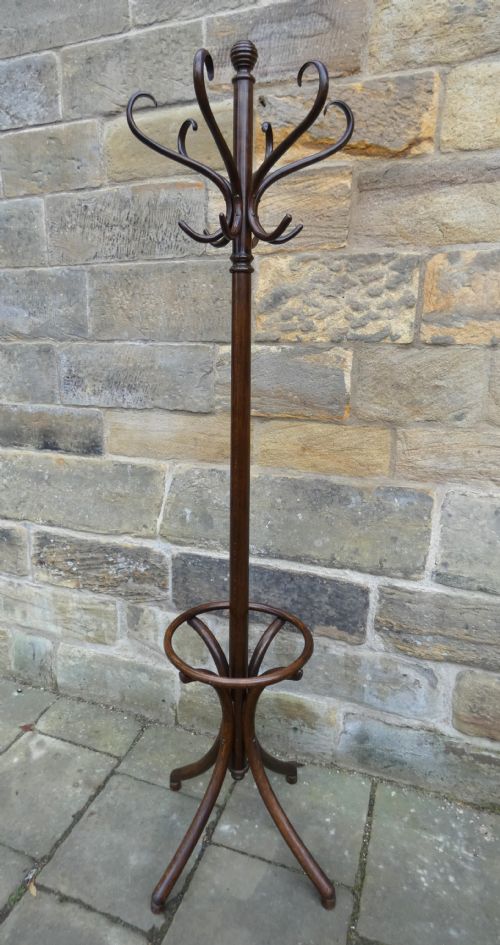
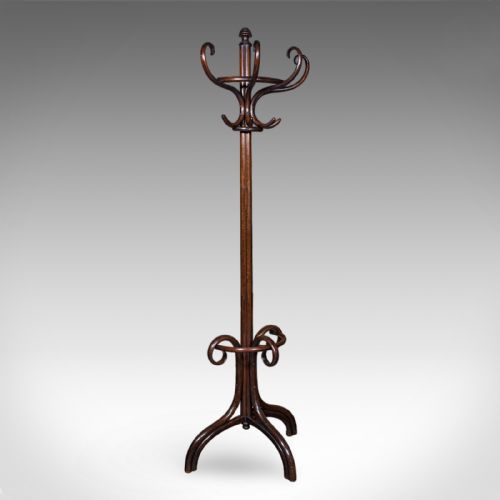
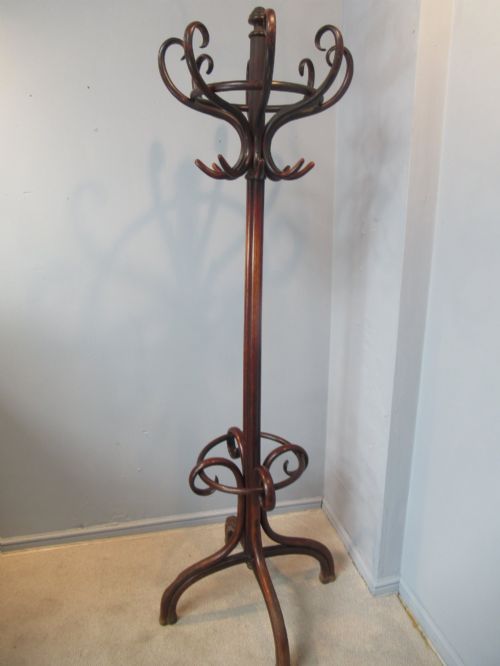
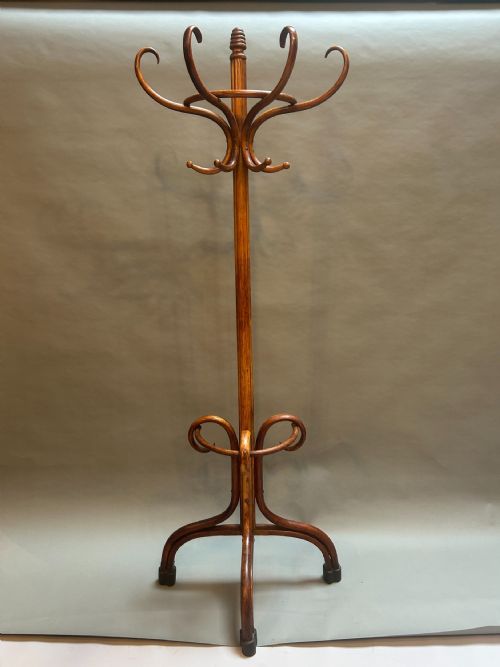
These beechwood hat stand pieces are practical hall furniture designed to hold headwear and outerwear, offering elegant steam-bent curves that suit any entranceway.
Beechwood Hat Stand
A beechwood hat stand provides a sturdy and slender vertical frame specifically designed for organising hats, coats, and umbrellas in hallways. These functional hall pieces date from the Victorian and Edwardian eras through to the early twentieth century.
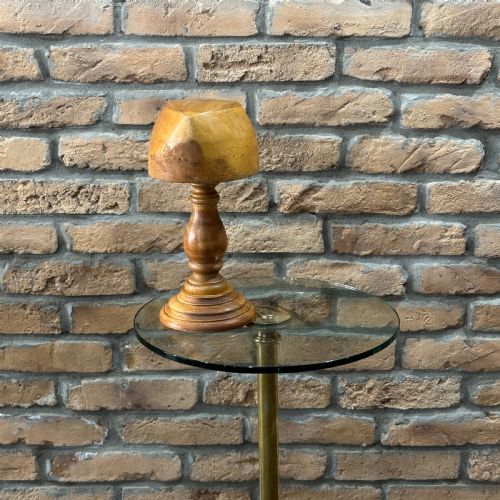
Buyers will encounter tall standing bentwood coat trees alongside demi-lune hall stands and occasional solid beech hat blocks. The bentwood designs dominate the selection, featuring curved timber frameworks that use steam to achieve their distinctive shapes.
Origins stretch across British and Austrian workshops, encompassing Thonet style productions and labelled pieces. The furniture serves both domestic utility and decorative entrance hall requirements with equal measure.
Materials and construction
Construction relies upon solid beech and beechwood timber, selected for its strong grain and suitability for steam-bending techniques. Craftsmen exposed straight lengths of wood to steam until pliable, bending them into fluid curves and structural loops for hooks and frames.
Makers finished the timber with wood stain and traditional wood finish applications to protect the surface while highlighting the natural grain patterns. Glass components occasionally appear as elements in more complex hall stand configurations.
Beechwood Hat Stand Retail Price Guide 2026
Typical asking prices for beechwood hat stand among the pieces listed under this phrase on Sellingantiques today, from the lower quarter to the upper quarter. They describe what is for sale here now, not the wider market.
A revolving top section lets you spin your hat collection like a carousel while choosing your morning headwear.
Evaluating quality and design
Quality in a beechwood hat stand rests upon the fluidity of the steam-bent forms and the stability of the central shaft. Superior examples display balanced proportions, graceful curvature in the coat hooks, and tight structural joints that withstand daily weight.
Makers marks and original labels from notable workshops elevate a piece beyond standard utilitarian production. The depth of the wood finish and the crispness of the turned or bent details separate fine examples from simpler domestic iterations.
Thonet·Fischel
The Beechwood Hat Stand Glossary
- Bentwood
- Wood that has been shaped by heating it with steam until pliable, allowing craftsmen to create smooth, curved lines without traditional joinery. This technique defines the majority of hall stands from the Victorian and Edwardian periods.
- Demi-Lune
- A half-moon shape used to describe hall stands designed to sit flush against an entryway wall. This space-saving form often incorporates umbrella racks and mirror frames.
- Hat Block
- A solid wooden form used historically in the manufacture and shaping of millinery. Solid beech examples survive as decorative objects or sculptural desk items.
- Hall Stand
- A piece of entrance furniture combining coat hooks, hat pegs, umbrella holders, and frequently a central mirror or small shelf. They provide comprehensive storage for outdoor apparel.
- Thonet Style
- Furniture manufactured using the pioneering steam-bending methods popularised by the Austrian firm. The style is characterised by minimalist curved wooden loops and structural lightness.
Beechwood Hat Stand: Frequently Asked Questions
How do I date a bentwood stand?
Dating relies upon construction methods, screw fittings, paper labels, and overall design characteristics typical of Victorian or Edwardian production. Early pieces from the late nineteenth century often display tighter bends and distinct maker stamps.
Later twentieth-century iterations show simpler joinery and different finishing techniques. Comparing the turning details and base construction helps narrow down the decade of manufacture.
Are these stands stable for heavy coats?
Bentwood hall stands are engineered to distribute weight evenly across their curved frameworks and wide circular bases. Properly maintained joints ensure the upright shaft remains rigid under daily use.
Placing heavier garments on the lower tier hooks helps maintain overall balance. The original design intended for heavy winter overcoats and dense headwear.
How should I clean the wood finish?
Maintenance requires only a soft, dry cloth to remove dust from the curved surfaces and intricate joints. Avoiding harsh chemical polishes preserves the original patina and wood stain.
Occasional application of microcrystalline wax feeds the dry beechwood without building up a heavy residue. Keeping the furniture away from direct heat sources prevents the timber from warping.
What is the difference between styles?
Styles range from simple Austrian bentwood coat trees to elaborate Victorian hall stands with integrated mirrors and umbrella wells. Thonet-influenced designs prioritise minimalist curved loops, while British Edwardian pieces often incorporate turned spindles.
Art Nouveau examples introduce flowing floral motifs into the timber framework. Each style reflects the interior fashion of its respective decade.