
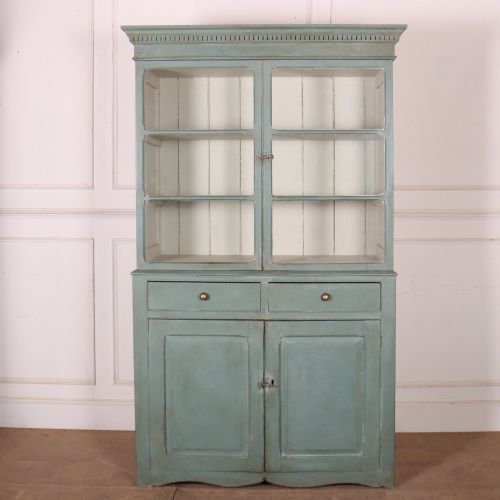
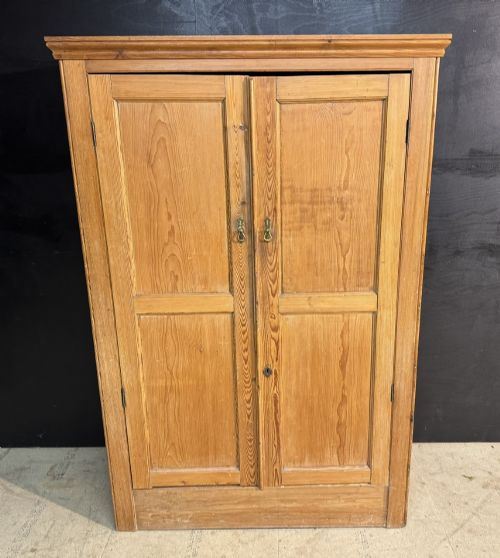
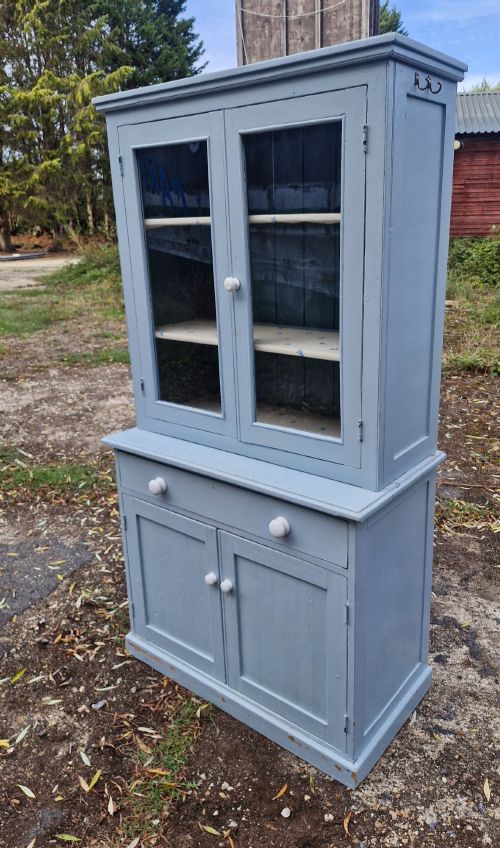
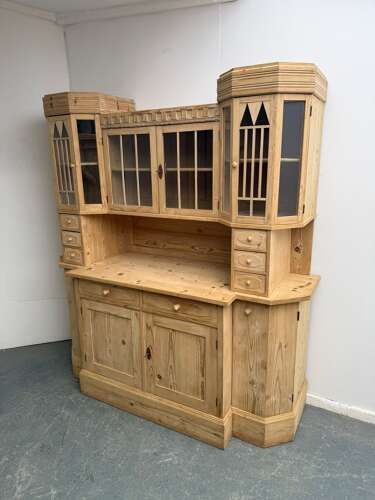
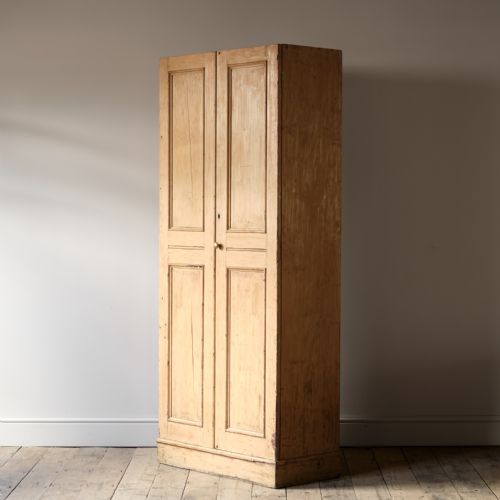
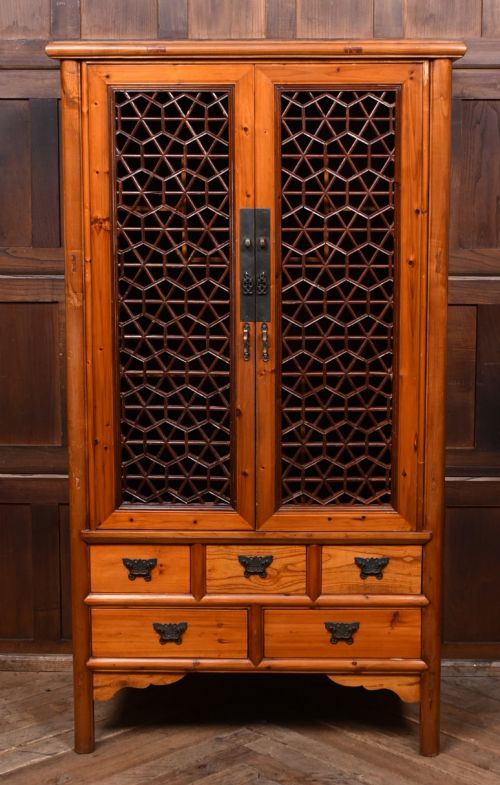

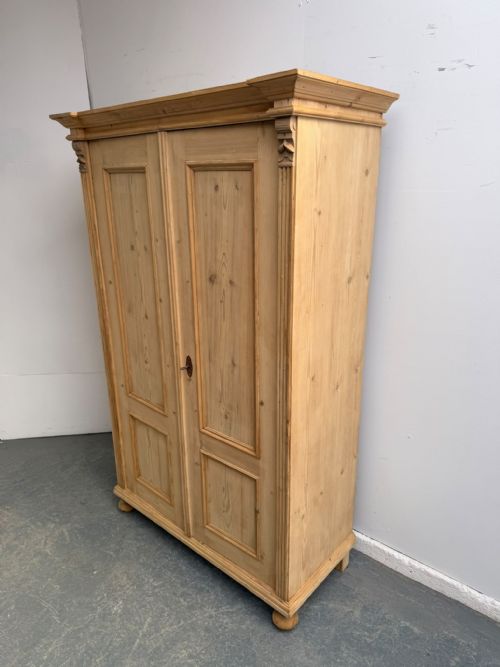
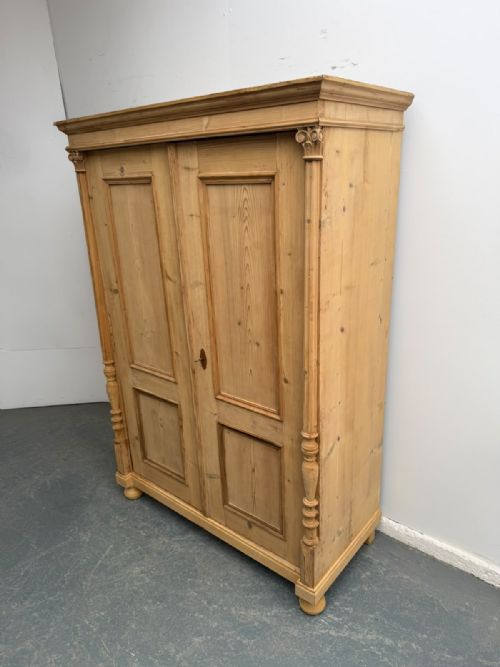
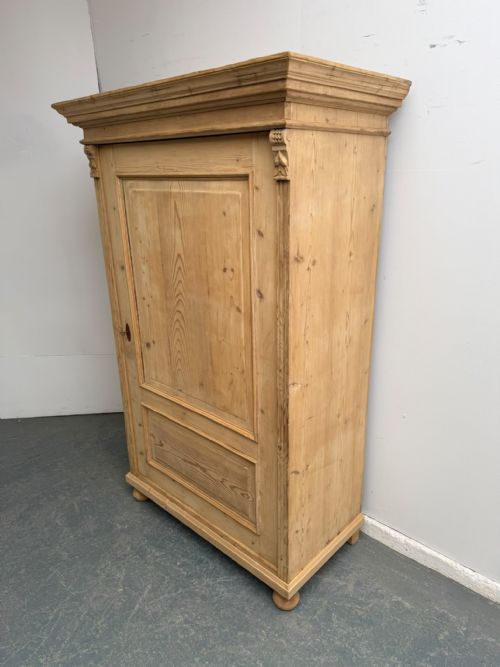
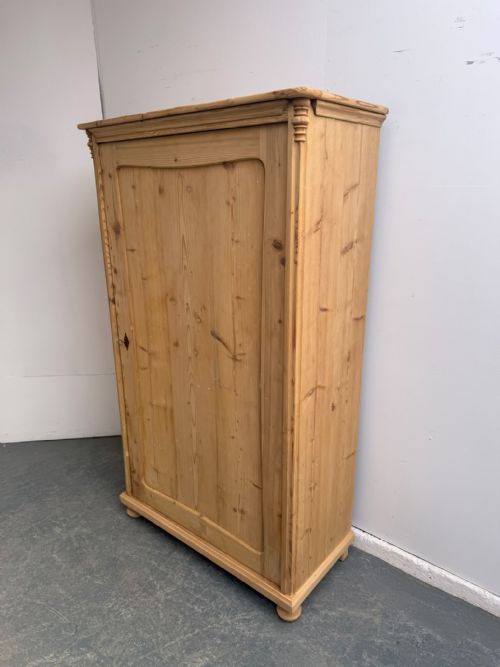
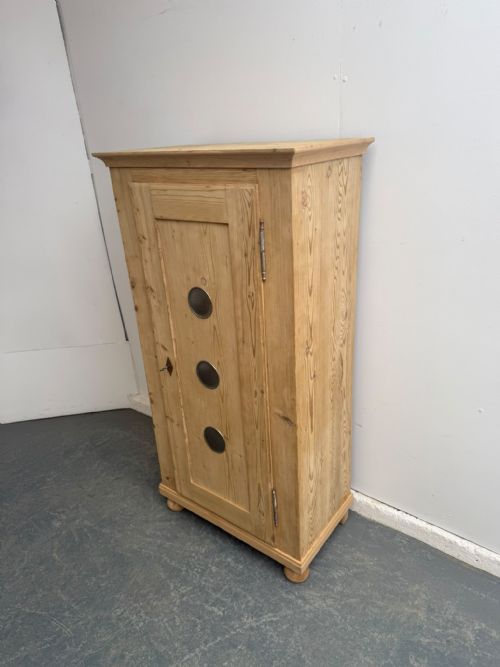


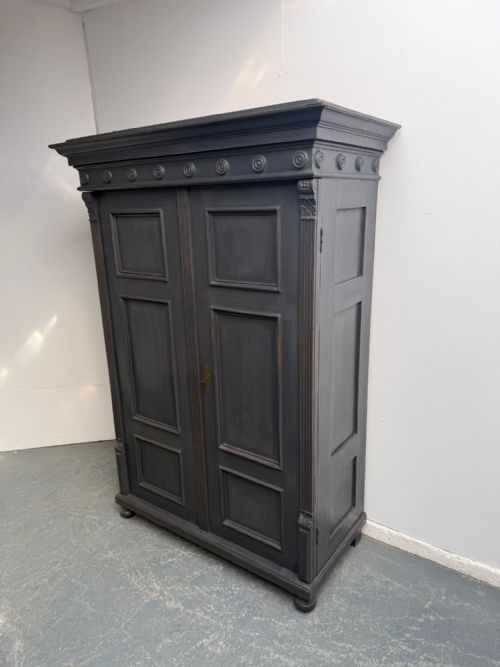
Freestanding Pine Larder Cupboard
A freestanding pine larder cupboard is a sturdy storage piece that brings practical kitchen utility and rustic character to a home.
Freestanding Pine Larder Cupboard
A freestanding pine larder cupboard provides essential food and dry storage, originating in domestic kitchens before fitted units became common. These pieces range from simple single door designs to large multi door formats intended for storing provisions, linens, and household supplies.
Buyers searching for a freestanding pine larder cupboard will encounter examples spanning the Georgian, Victorian, and Edwardian periods, alongside early twentieth century pieces. Regional variations include Scottish, English, and East European examples, often featuring distinctive regional proportions and timber selections.
The form encompasses specialised types such as bread and cheese cupboards, housekeeper cupboards, and vented kitchen cabinets designed to keep food fresh. These utilitarian pieces were built for heavy daily use in country houses, sculleries, and farmhouses.
How They Were Made
Pine serves as the primary timber for these cupboards, occasionally supplemented by cedar for internal shelving or backing. Iron and brass hardware, including strap hinges and latches, secure the heavy doors while glass panels occasionally appear in upper display sections.
Surface finishes vary between natural waxed pine and historic or later painted schemes, with many examples retaining original paint layers. Construction methods rely on traditional joinery, utilising pegged joints, fielded panels, and beaded mouldings to give structure and rigidity to large timber frames.
Listings feature pine cupboards across the nineteenth and early twentieth centuries, including Georgian, Victorian, Edwardian, and 1930s examples.
What Varies in Quality
Structural proportions and internal arrangement define the utility of the piece, with adjustable shelving and multi-part construction representing superior cabinetmaking. Superior examples maintain tight joinery and straight frames despite decades of exposure to kitchen environments.
The Freestanding Pine Larder Cupboard Glossary
- Pine
- A softwood commonly used for utilitarian country furniture due to its availability and workability. It accepts both paint and wax finishes readily.
- Fielded panel
- A wooden panel with bevelled edges designed to fit within a frame, allowing the timber to expand and contract safely with humidity changes.
- Housekeeper cupboard
- A large storage piece traditionally used for linens, dry goods, and tableware in a large household. These often combine drawers and cupboards in a substantial two part or single mass.
- Vented cupboard
- A storage cabinet featuring pierced tin, mesh, or louvered panels to allow air circulation for food preservation. These were essential before mechanical refrigeration.
- Bread and cheese cupboard
- A regional kitchen cabinet featuring ventilated doors designed specifically for storing dairy and bakery provisions safely. They are prized by collectors for their specific functional forms.
Freestanding Pine Larder Cupboard: Frequently Asked Questions
What is a freestanding pine larder cupboard?
A freestanding pine larder cupboard is an independent storage unit designed for food and provisions before fitted kitchens existed. They provide deep shelving and cabinet space within a single timber carcass.
These pieces were constructed to stand against a wall in a pantry, scullery, or kitchen. They rely on their own weight and structure rather than attachment to walls.
How do I date a pine cupboard?
Dating relies on construction methods, hardware types, and the style of mouldings or panels. Georgian and Victorian pieces show hand-cut joinery and specific proportions that distinguish them from later Edwardian or twentieth-century examples.
Paint layers and surface wear also provide clues to age. Original paint finishes carry distinct patina that differs significantly from modern applications.
Were these cupboards always painted?
Many utility cupboards received layers of protective paint to seal the softwood and ease cleaning in damp scullery environments. Others were left bare or waxed depending on the domestic setting and period fashion.
Today, buyers find examples in original historic paint as well as pieces that have been stripped back to raw pine or rewaxed.
How do I use a larder cupboard today?
These cupboards suit modern kitchens, dining rooms, or hallways as pantry units, linen stores, or general display cabinets. Their deep shelves accommodate dry goods, crockery, or books.
Placing them in a living space introduces practical storage alongside traditional country character. Their sturdy construction handles heavy everyday use.