

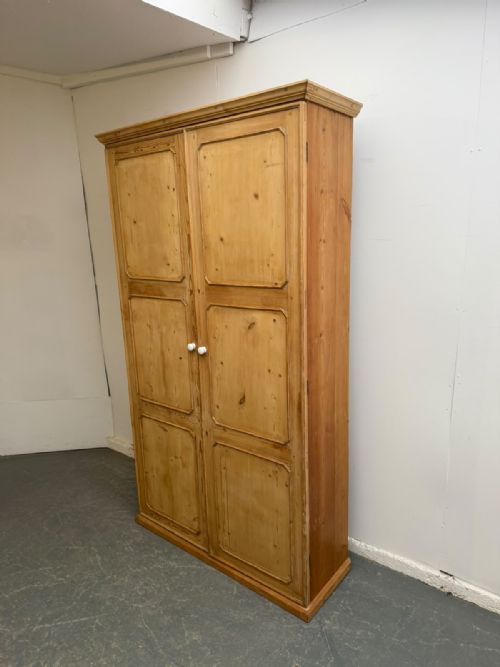
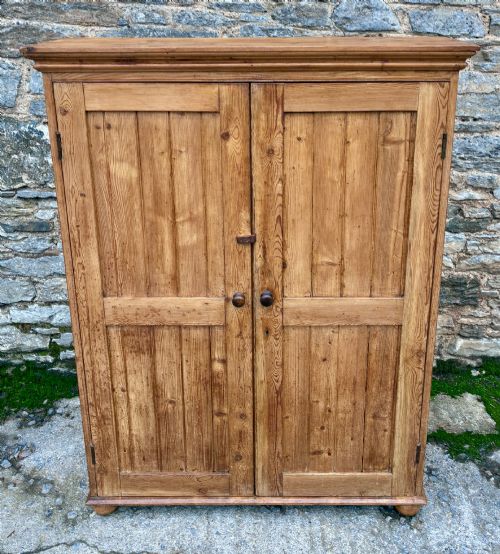
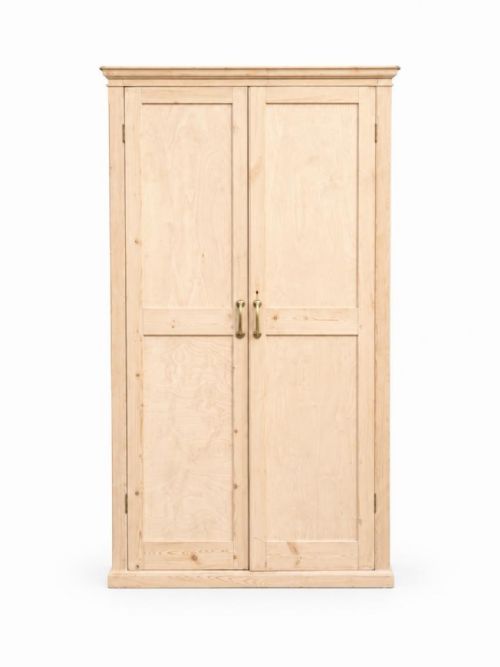
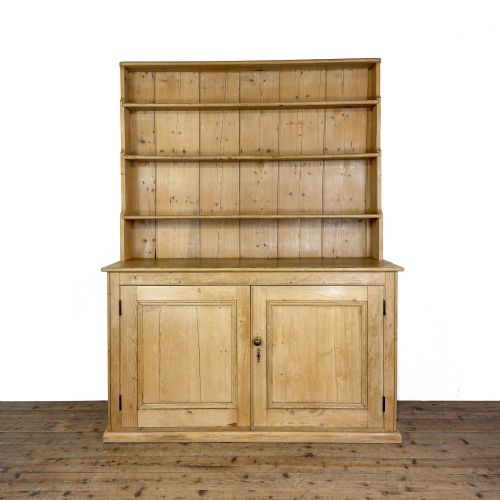
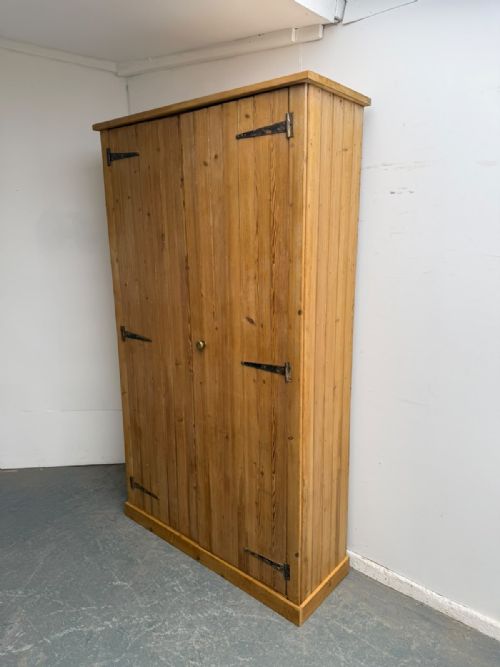
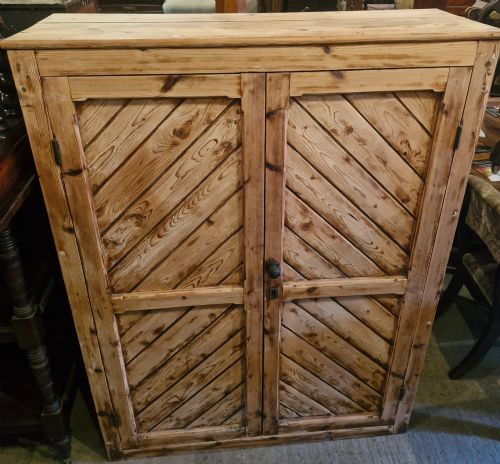
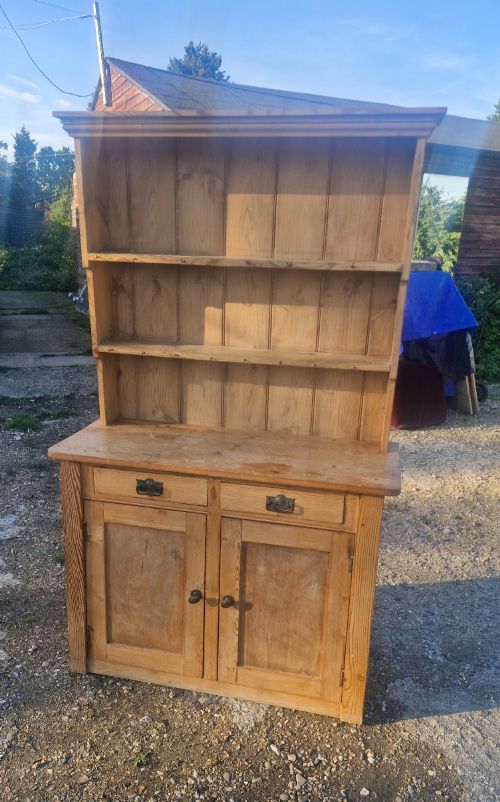
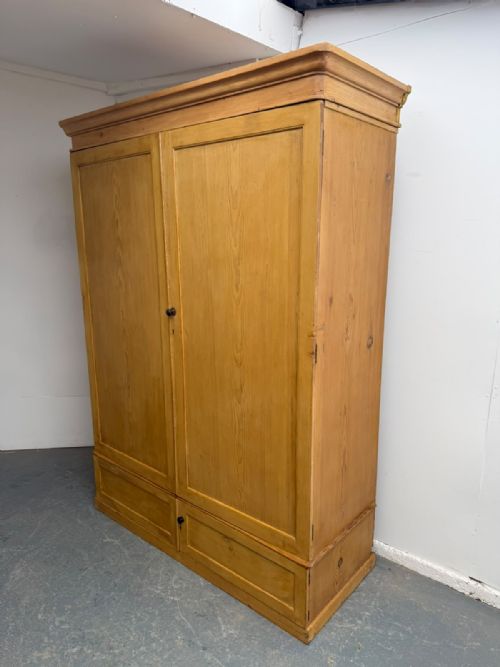
Freestanding Pine Kitchen Cupboard
A freestanding pine kitchen cupboard brings utility and warmth to a room, offering honest storage built to endure.
Freestanding Pine Kitchen Cupboard
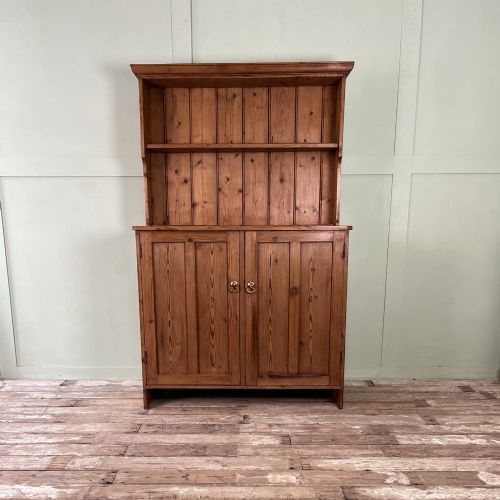
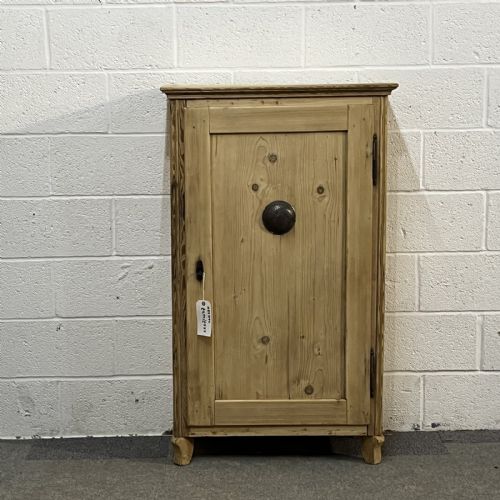
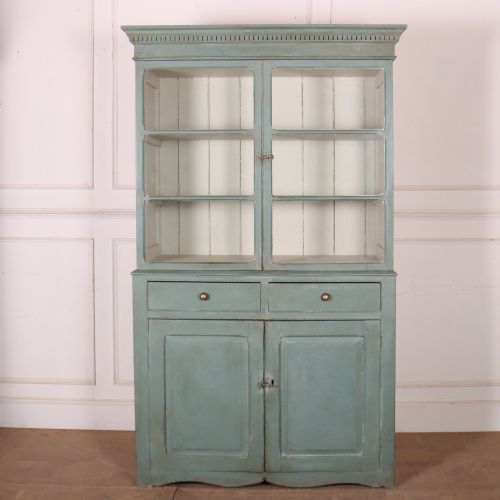
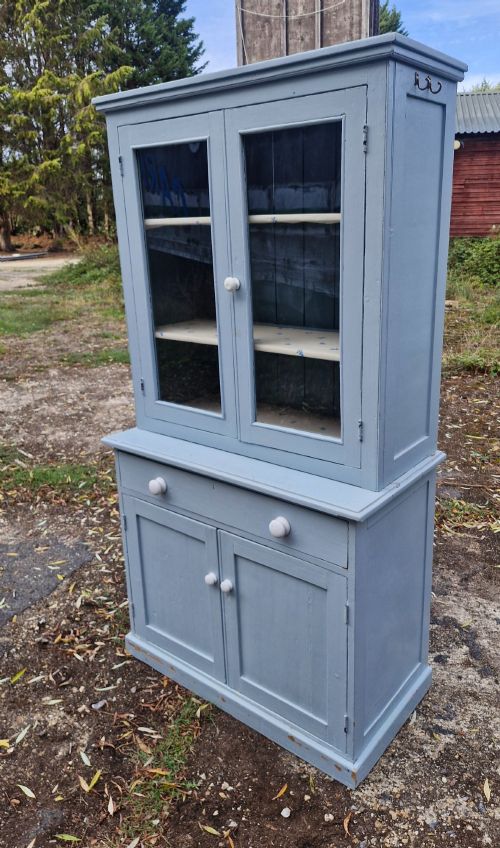
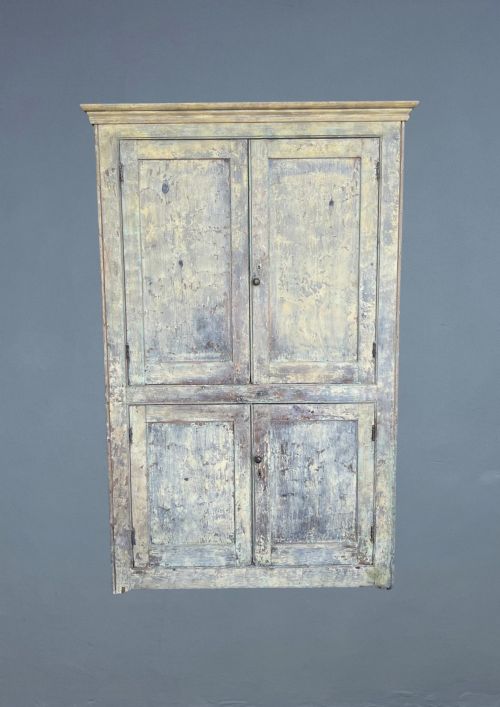
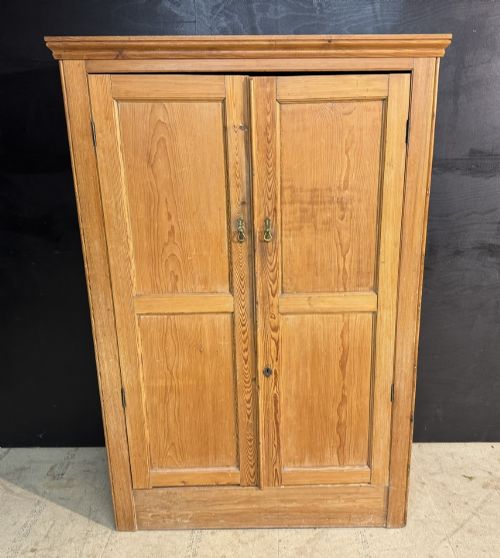
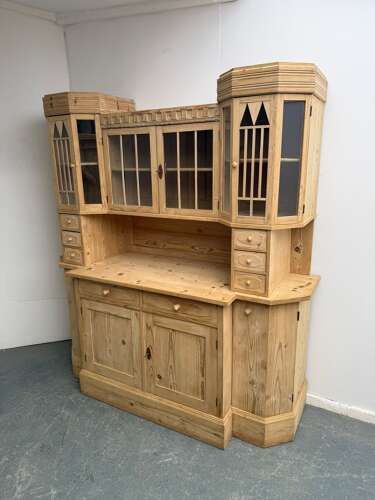
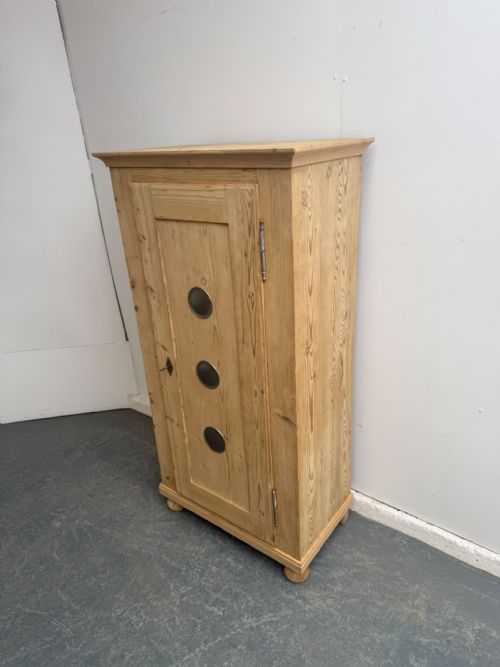
A freestanding pine kitchen cupboard provides practical storage that anchors a room with understated character. When searching for a freestanding pine kitchen cupboard, you encounter diverse regional forms spanning centuries of domestic life. Pieces range from modest single-door larders and jam cupboards to expansive multi-part dressers and housekeepers' cupboards.
The selection here draws primarily from nineteenth-century and early twentieth-century traditions, including Georgian country pieces and Arts and Crafts examples. You will find variations featuring glazed panels, ventilated mesh doors, and two-part constructions designed for utility in country houses and sculleries.
How they were made
Construction relies primarily on solid pine timbers, often complemented by secondary woods such as cedar, alongside functional brass and iron hardware. Master joiners utilised traditional frame-and-panel techniques to accommodate the natural movement of softwood over decades of changing humidity.
Surfaces show varied historic treatments, ranging from transparent wax finishes that highlight the grain to layers of old paint and distressed patinas. Certain examples incorporate glazed upper sections or metal ventilation grilles designed specifically for food storage.
Freestanding Pine Kitchen Cupboard Retail Price Guide 2026
Typical asking prices for freestanding pine kitchen cupboard among the pieces listed under this phrase on Sellingantiques today, from the lower quarter to the upper quarter. They describe what is for sale here now, not the wider market.
Listings span periods from the 18th century through the 1930s, featuring pine, painted surfaces, brass, and glass.
What varies in quality
Quality rests upon the integrity of the timber, the restraint of the proportions, and the survival of original structural elements like hinges and backboards. Finer examples display thoughtful joinery details and balanced configurations, whereas utilitarian pieces prioritise plain functionality.
The character of the surface finish significantly influences the appeal, with untouched historic painted skins or deep wax patinas distinguishing better-preserved items from later alterations.
The Freestanding Pine Kitchen Cupboard Glossary
- Larder cupboard
- A tall storage piece traditionally used for food preservation, frequently featuring ventilated doors or panels to circulate air around perishables.
- Pot board
- An open lower shelf fitted beneath a dresser base, historically utilised for storing heavy kitchen pottery and earthenware.
- Housekeepers cupboard
- A large, substantial storage cabinet containing interior shelving and drawers, originally employed for linen and dry goods in larger country houses.
- Breakfront
- A cabinet design where the central section projects forward past the flanking wings, adding architectural depth to the piece.
- Confiturier
- A smaller French storage cabinet, commonly known as a jam cupboard, built to hold jars of preserves.
Freestanding Pine Kitchen Cupboard: Frequently Asked Questions
How were these cupboards used?
These cupboards served as the primary storage units for provisions, tableware, and linens in domestic kitchens and sculleries before fitted kitchens became standard.
Vented versions kept perishables fresh, while larger dressers and housekeepers' cupboards organised dry goods and displayed everyday ceramics.
Where did these cupboards originate?
They emerged from various regional traditions across the British countryside, alongside occasional continental European examples.
Makers built them locally using accessible softwood timbers to meet the practical demands of rural and domestic households.
How do I care for waxed pine?
Waxed pine benefits from occasional application of quality beeswaxto nourish the timber and maintain a soft lustre.
Keep the wood away from direct heat sources and moisture to prevent warping and preserve the historic finish.
How do I date a pine cupboard?
Dating relies on examining construction methods, hardware types, and nail technology alongside the overall design style.
Hand-cut joints, original backboards, and period brass or iron handles offer reliable clues to a piece's age.