
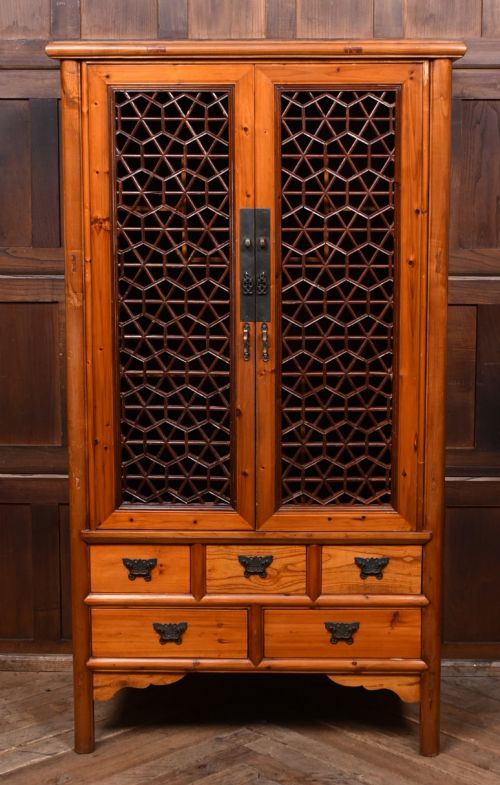

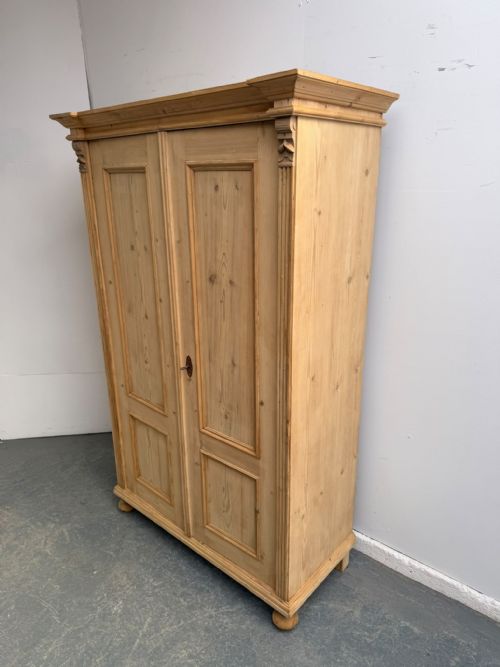
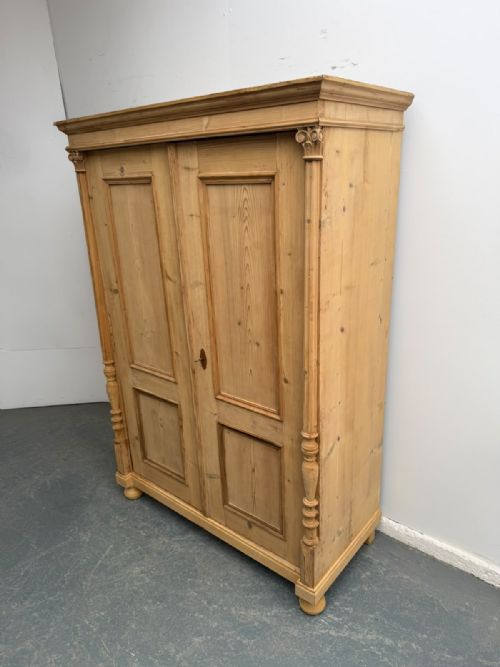
Freestanding Pine Cupboard
A freestanding pine cupboard brings sturdy storage and regional character into a room, spanning modest farmhouse utilities to grand glazed display cabinets.
Freestanding Pine Cupboard
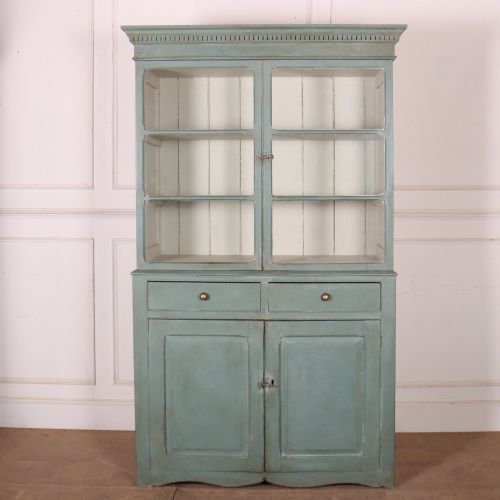
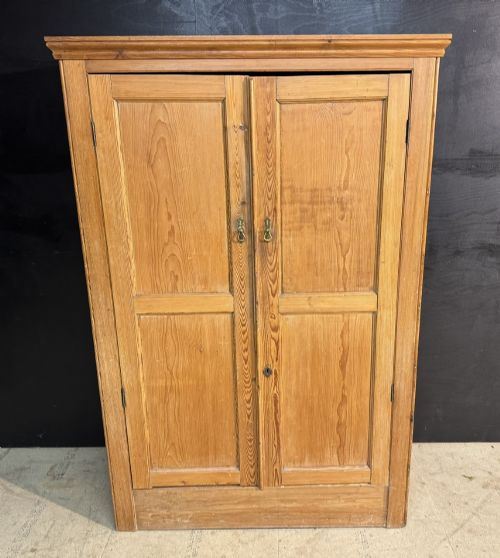
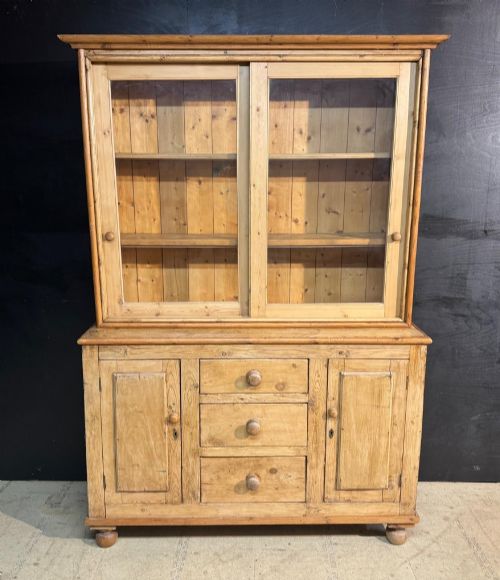
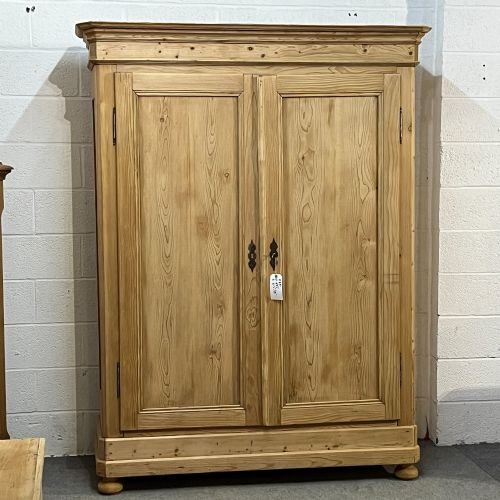
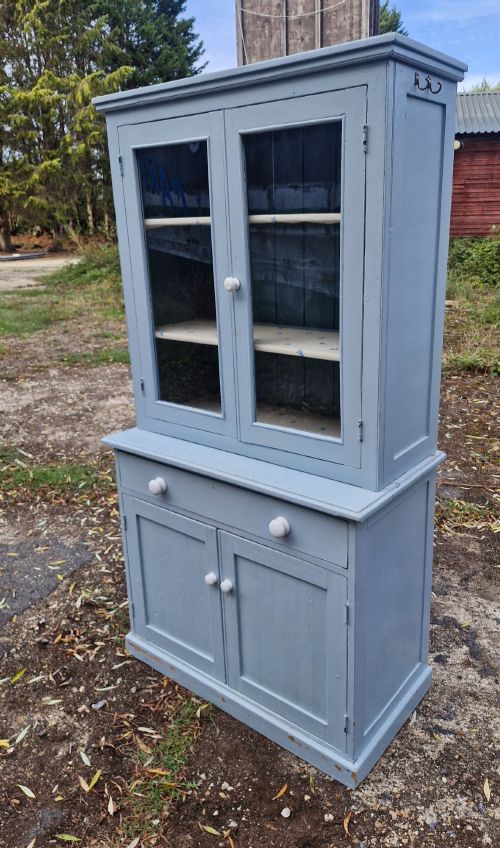
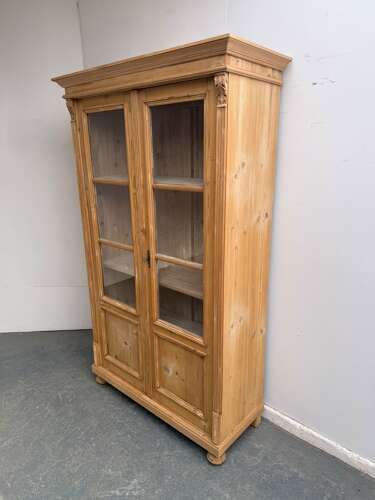
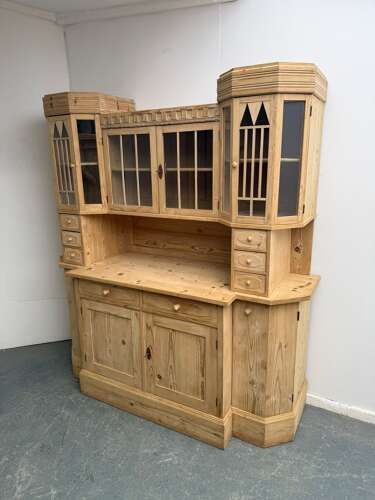
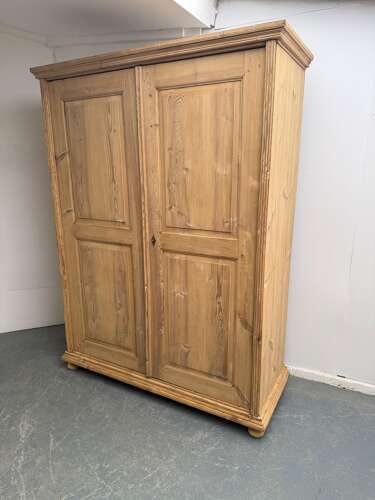
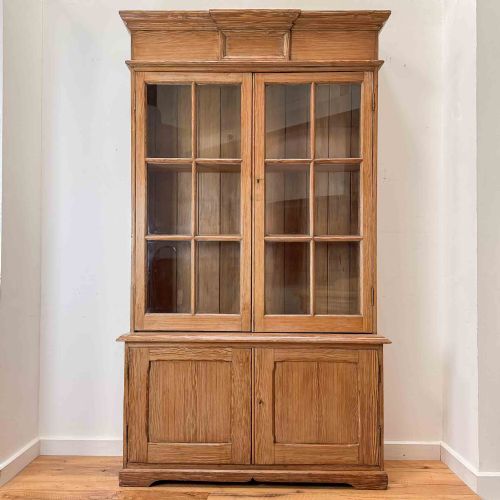
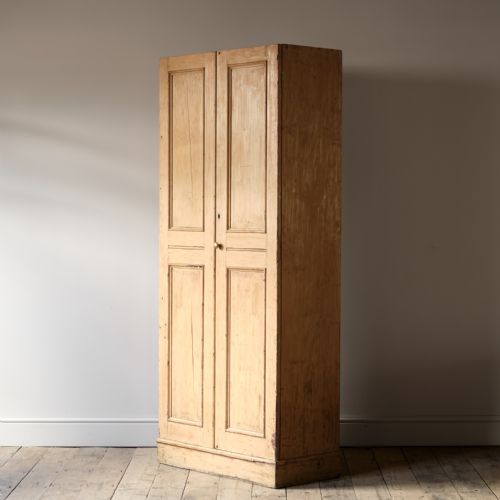
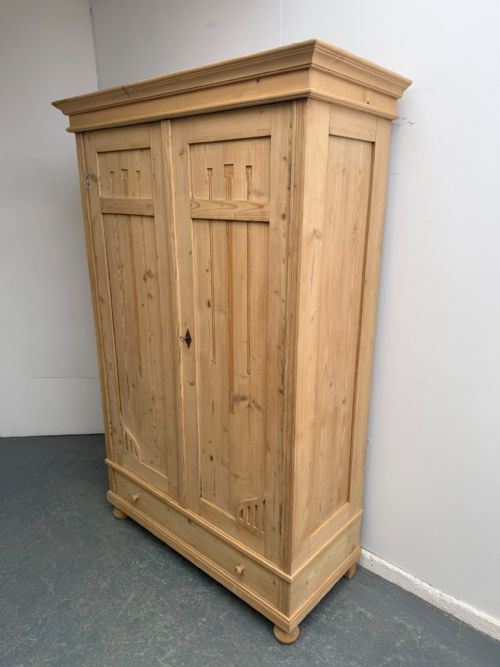
A freestanding pine cupboard encompasses practical household storage forms including larder cupboards, kitchen dressers, wardrobes, bookcases, and corner cabinets. You will frequently encounter nineteenth century and Victorian pieces on this page, alongside earlier Georgian items and twentieth century examples up to the nineteen thirties.
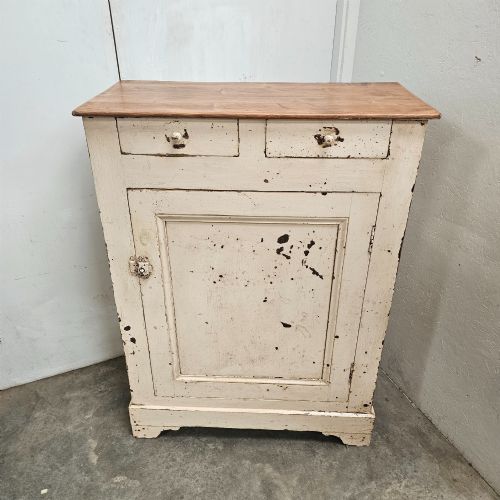
Geographic origins span English, Scottish, French, and Hungarian workshops, each bringing distinct regional proportions and detailing to the timber. Forms range from compact single door storage cupboards and jam cupboards to massive multi door kitchen dressers and housekeeper units.
Quality and Proportion
Quality rests upon the integrity of the timber selection, the crispness of joinery such as fielded panels, and whether original hardware and surface finishes remain intact. Pieces retaining their early paint surfaces command distinct interest compared to those stripped back.
Proportion and scale distinguish finer vernacular examples, where cornice moulding, door alignment, and functional additions like pot boards or adjustable shelving display deliberate craftsmanship rather than purely utilitarian assembly.
Listings span eight distinct periods, from eighteenth century pieces up to nineteen thirties examples, executed in pine, painted pine, and pitch pine.
The Freestanding Pine Cupboard Glossary
- Pitch pine
- A dense, resinous variety of pine known for its prominent grain pattern and durability, frequently utilised in nineteenth century cabinetry.
- Fielded panel
- A wooden panel with bevelled edges designed to fit into a grooved frame, allowing the timber to expand and contract with humidity changes.
- Knockdown
- Furniture constructed to be dismantled into sections for ease of transport and relocation, secured by wooden pins or internal bolts.
- Pot board
- An open lower shelf built into a kitchen dresser or sideboard, historically used for storing heavy pots and pans.
- Confiturier
- A small French storage cupboard, often called a jam cupboard, traditionally made to hold jars of preserved fruit.
Freestanding Pine Cupboard: Frequently Asked Questions
What is a freestanding pine cupboard?
A freestanding pine cupboard is an independent wooden storage unit not fixed to walls, ranging from kitchen larders to bedroom wardrobes.
These pieces utilise pine timber and appear in styles from plain rustic farmhouse to Arts and Crafts designs.
How do I date an old pine cupboard?
Dating relies on construction methods, hardware types, and stylistic cues from periods like the Georgian era or Victorian times.
Hand-cut joints, original paint finishes, and backboards help establish the chronological origin of individual pieces.
Are these cupboards supplied waxed or painted?
Listings include pieces retaining original paint finishes as well as items prepared for waxing or painting in modern colours.
Unfinished or stripped surfaces allow buyers to finish the exterior to match their interior scheme.
How were larder and kitchen cupboards used?
Kitchen and larder cupboards provided ventilated or enclosed storage for foodstuffs, dry goods, and household crockery.
Vented doors or mesh panels allowed air circulation to keep provisions fresh before mechanical refrigeration became common.
Can knockdown pine cupboards be easily assembled?
Knockdown wardrobes and cupboards were engineered with pegged joints or interlocking panels so historical households could move them between rooms.
This modular construction allows modern buyers to transport large furniture pieces through tight doorways before final assembly.