

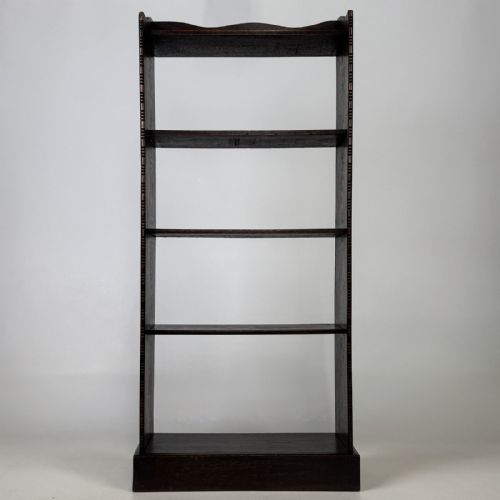
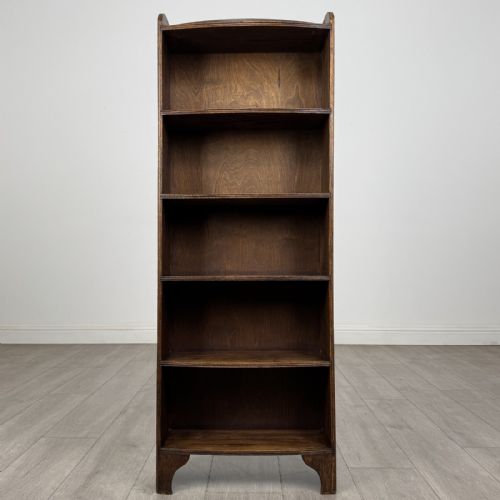
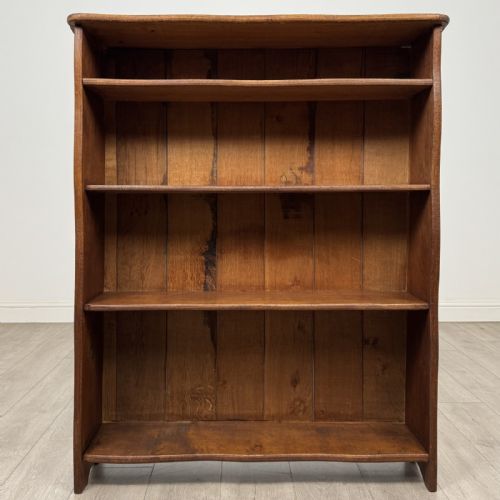

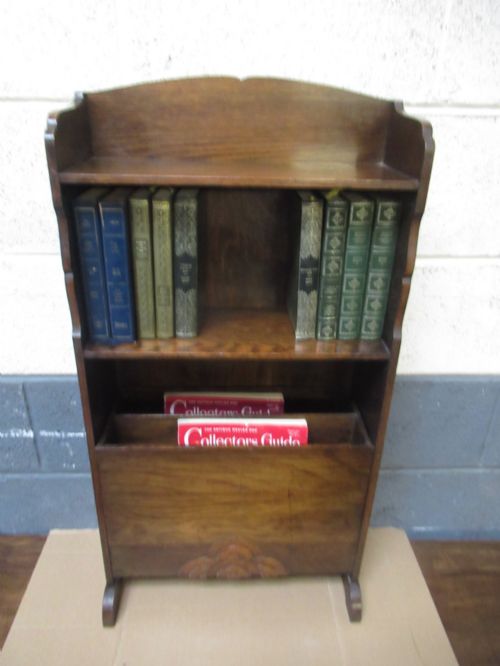



Freestanding Book Shelf
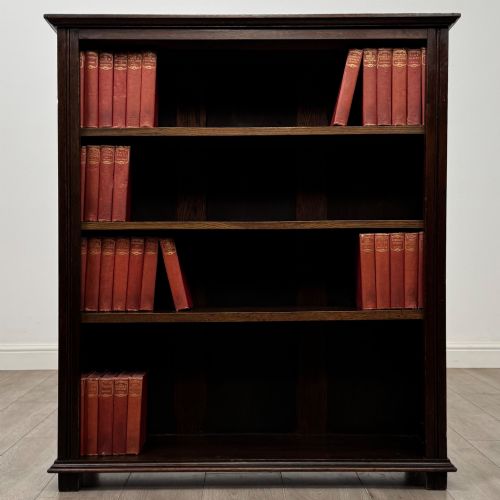
A freestanding book shelf is a movable storage piece that organises volumes while standing away from the wall, bringing timber character to a room.
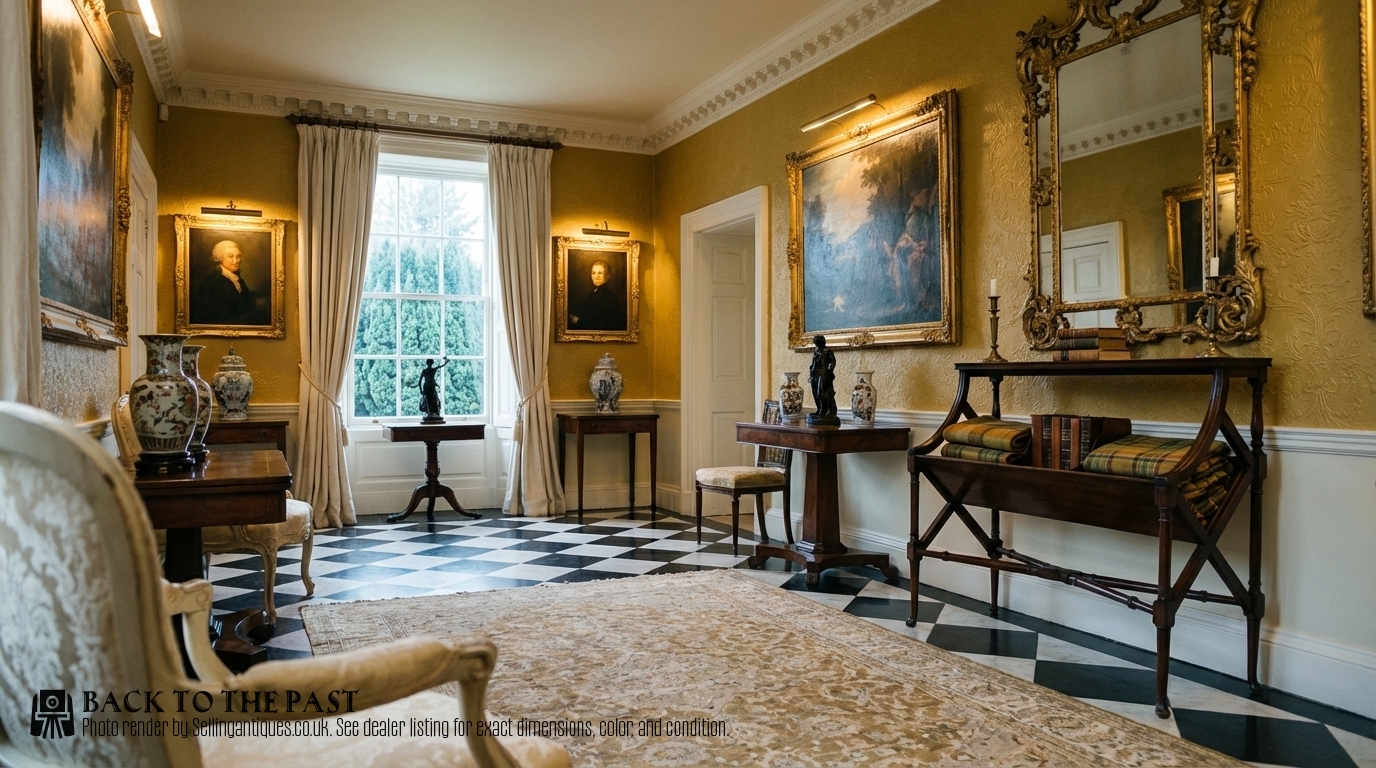
Freestanding Book Shelf
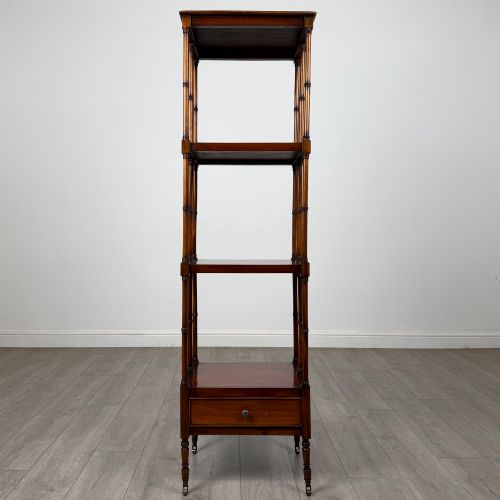
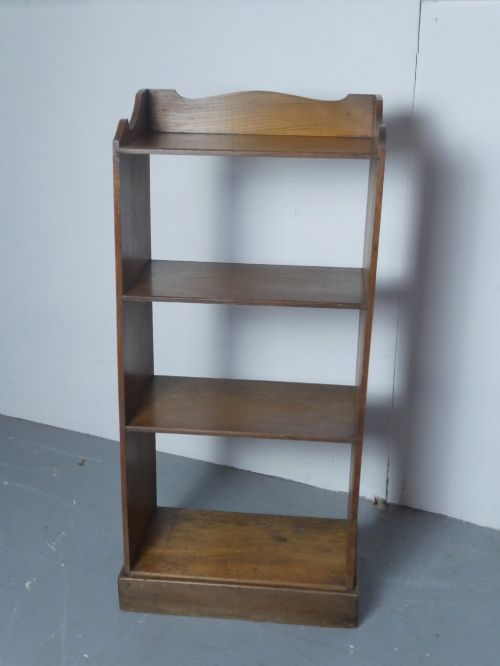
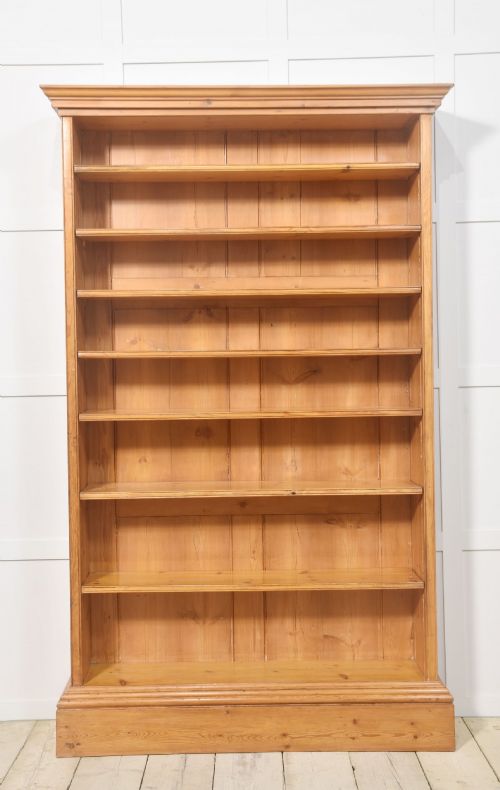
When a buyer searches for a freestanding book shelf, they encounter open bookcases, waterfall tiers, revolving stands, and library troughs dating from the nineteenth and early twentieth centuries. These movable pieces provide accessible display and storage for books without needing wall fixings.
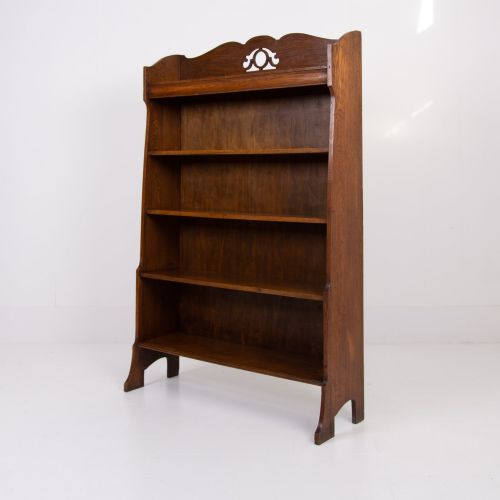
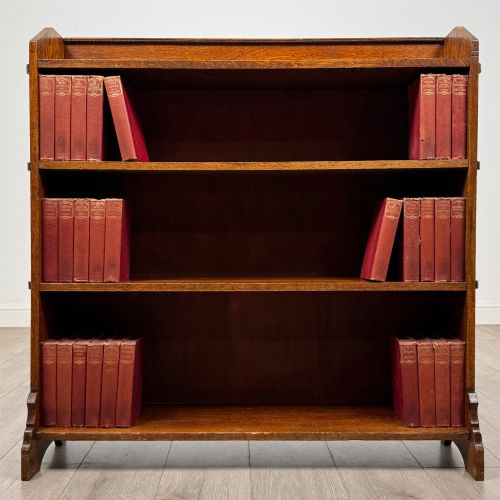
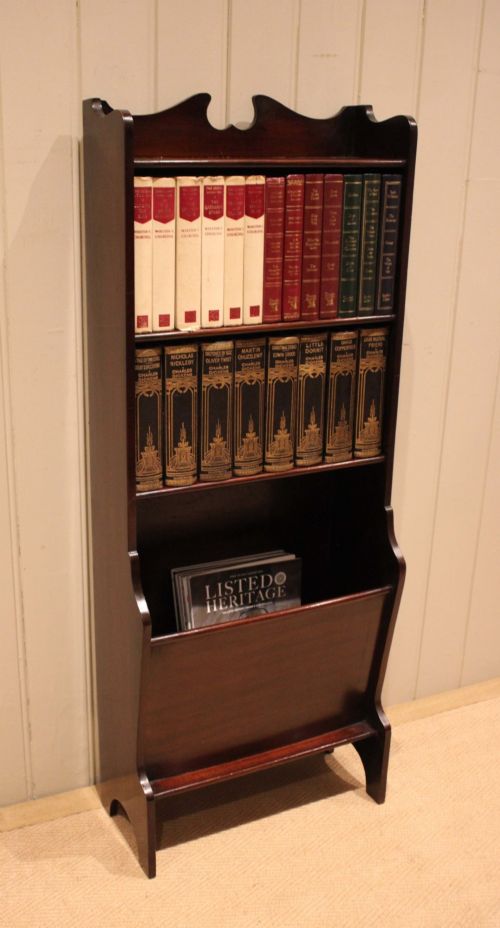
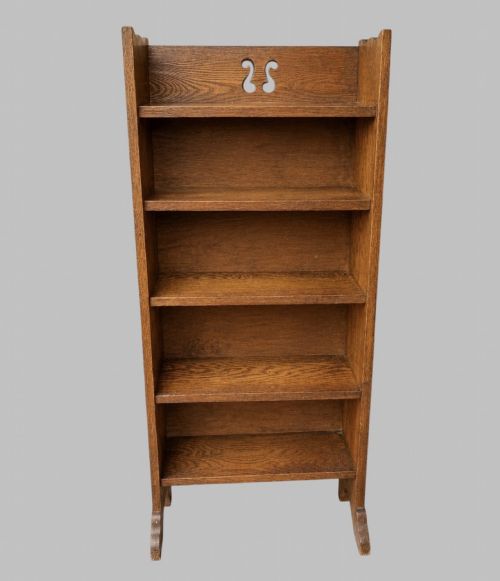
The version most commonly met on this page is the Edwardian or early twentieth-century open bookcase in oak or mahogany. These practical items often feature adjustable shelves, magazine racks, or decorative cut-outs characteristic of the Arts and Crafts movement.
Originating across the nineteenth century through the 1930s, these items range from simple pine units to large flame mahogany lawyers book troughs and Gothic oak designs. They suit studies, living spaces, and libraries where books require immediate access.
How they were made
Cabinet makers built these pieces primarily using solid oak and mahogany, often selecting flame mahogany veneers for decorative fronts and utilising pine for internal structure. Timber was seasoned and joined to handle the weight of heavy volumes over decades of use.
Metal and glass elements appear alongside wood, with brass fittings, cast iron supports, and glass panels incorporated into specific revolving or standing formats. Decorative details include mouldings, cut-outs, and sectioned tiers shaped by hand and machine.
Freestanding Book Shelf Retail Price Guide 2026
Typical asking prices for freestanding book shelf among the pieces listed under this phrase on Sellingantiques today, from the lower quarter to the upper quarter. They describe what is for sale here now, not the wider market.
Some Edwardian library troughs even double as magazine racks, proving our ancestors were just as messy with their periodicals as we are.
What varies in quality
The timber selection and grain figure set pieces apart, moving from plain pine and standard oak up to highly figured flame mahogany and richly patinated golden oak. Superior examples display careful matching of wood veneers and thoughtful integration of mouldings.
Construction methods determine the structural integrity of the shelving unit, distinguishing simple joined boards from pieces with adjustable shelf mechanisms, revolving bases, or integrated magazine racks and cupboards. The presence of distinct styles like Arts and Crafts or Gothic revival elevates the design ambition.
Waring and Gillows
The Freestanding Book Shelf Glossary
- Waterfall bookcase
- A tiered shelving unit where each successive shelf steps back from the one below it. This graduated form creates a sloping profile reminiscent of cascading water.
- Lawyers book trough
- A specialised desk-top or floor-standing trough designed to hold a working selection of volumes upright. These sectioned holders keep reference books within arm's reach.
- Revolving bookcase
- A freestanding unit mounted on a rotating pivot base that allows access to books from all sides. This rotating mechanism is typically housed beneath a square or circular top tier.
- Open bookcase
- A shelving unit without doors, exposing the book spines directly to the room. This form prioritises easy access and display over enclosed storage.
Freestanding Book Shelf: Frequently Asked Questions
How do I clean an antique oak bookcase?
Dust the timber regularly with a dry, soft cloth to prevent particle buildup on the open shelves. Apply a quality beeswax periodically to nourish the oak grain without leaving a sticky residue.
Avoid placing the bookcase near direct heat sources or strong sunlight, which can dry out the wood and fade the finish. Clean glass components separately with a mild glass cleaner applied to a cloth rather than sprayed directly onto the surface.
Can I adjust the shelves on these units?
Many Edwardian and nineteenth-century bookcases feature adjustable shelf mechanisms using wooden supports or metal pins. This allows you to alter the shelf heights to accommodate larger volumes or smaller paperbacks.
Check the inner sides of the upright panels for rows of peg holes or slot tracks. Handle older wooden ratchets with care when shifting shelf positions to avoid damaging the aged timber.
Where should I place a revolving bookcase?
A revolving bookcase works best positioned beside an armchair, desk, or in the corner of a room where it can spin freely. Ensure there is enough clearance on all sides for the tiers to turn without hitting walls or furniture.
Because these units offer access from multiple angles, they do not need to sit flush against a wall. This makes them ideal for dividing space or placing near the centre of a study.
What is the difference between oak and mahogany pieces?
Oak pieces often display a prominent, textured grain and are frequently associated with Arts and Crafts, Victorian Gothic, or early twentieth-century vernacular styles. They bring a robust, earthy tone to interiors.
Mahogany and flame mahogany pieces tend to offer a smoother, red-brown surface with dramatic figuring, often seen in Regency revival, Edwardian, and waterfall formats. They present a more formal appearance suited to classic libraries.