


Framed Woolwork Picture
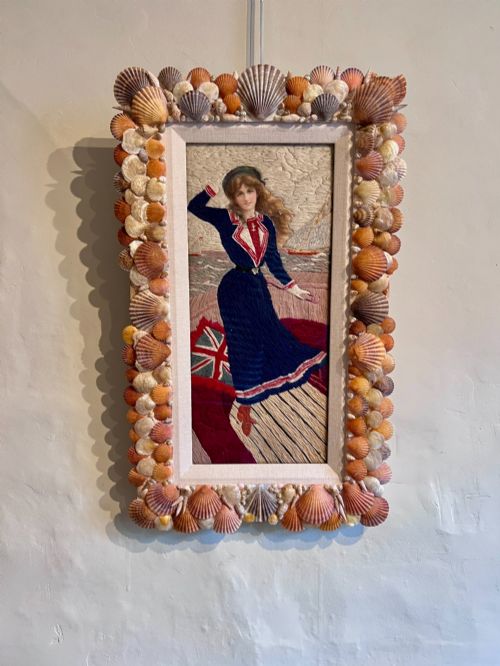
A framed woolwork picture brings tactile depth to a wall, offering handmade texture from the nineteenth century that captures Victorian life and folk art.
Framed Woolwork Picture
A framed woolwork picture represents a traditional form of textile wall art created with wool, silk, and canvas, frequently encountered in Victorian styles and nineteenth century pieces.
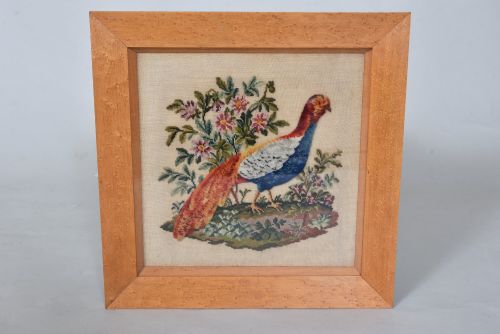
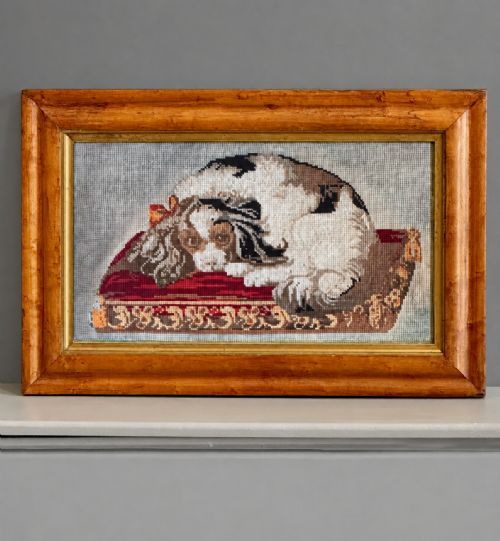
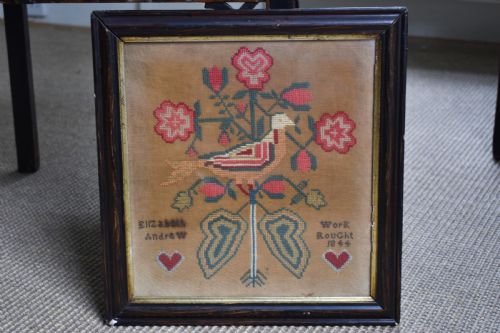
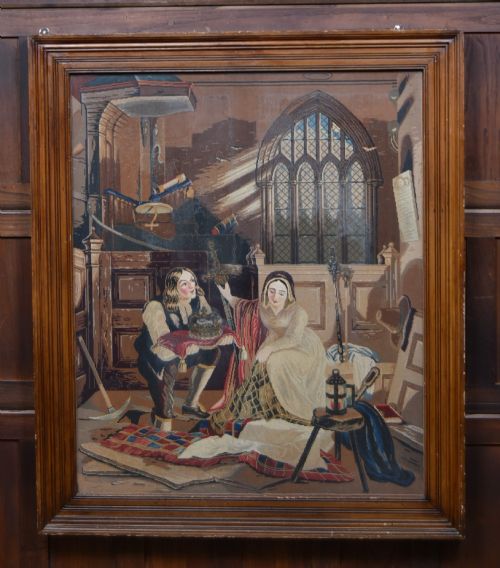
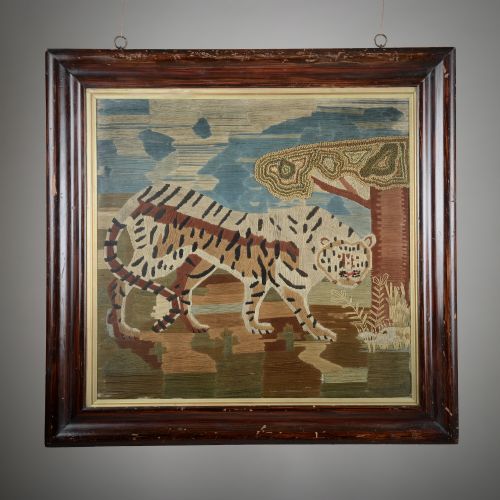
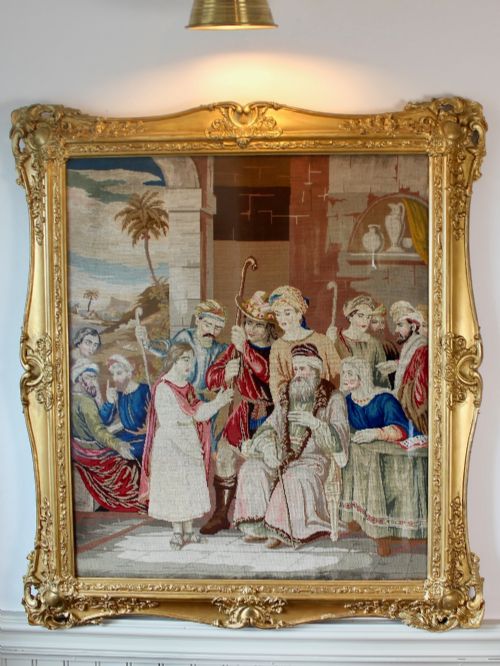
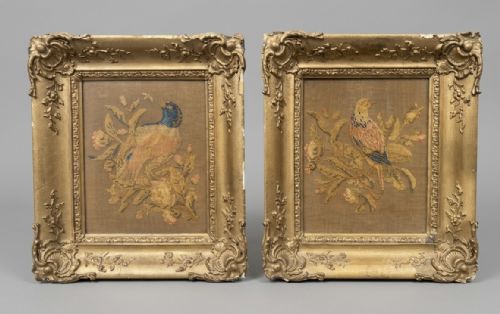
Buyers look for these framed works to acquire period needlepoint and tapestry depictions ranging from sailors and animals to classical portraits and landscapes.
The most common examples on this page are Victorian woolies, Berlin work pictures, and needlepoint panels housed in original wood, giltwood, or burr maple frames.
How they were made
Maker execution relies on wool and silk threads stitched onto canvas panels utilising gros point, petit point, plushwork, or Berlin work techniques.
Finished needlework panels are secured inside protective glass alongside timber enclosures such as gilt frames, rosewood, oak, or burr maple moulding.
Specialist glazing methods like verre églomisé frequently appear on select pieces, framing the textile with gilded and painted glass borders.
Object forms include wall art, textile tapestries, samplers, and commemorative embroideries set within giltwood and rosewood frames.
What varies in quality
Quality depends on the precision of the needlepoint stitch work and the complexity of the subject, whether depicting detailed wildlife, figurative portraits, or maritime folk art.
The choice of housing elevates a piece, with original giltwood, rosewood, or burr maple frames holding significantly more character than later replacements.
The Framed Woolwork Picture Glossary
- Berlin work
- A type of needlepoint embroidered on canvas using coloured wool from charted patterns. It became immensely popular during the nineteenth century for domestic craft.
- Verre églomisé
- A cold decoration technique where gilt leaf and painted designs are applied to the reverse side of glass. It provides a decorative border for antique framed pictures.
- Gros point
- A coarse needlepoint stitch executed on canvas that creates a durable, textured surface. It is frequently seen on larger nineteenth century tapestries.
Framed Woolwork Picture: Frequently Asked Questions
How do I date a needlework picture?
Dating relies on examining the framing materials, canvas type, and stylistic traits.
Nineteenth century pieces often feature burr maple, rosewood, or giltwood frames paired with Berlin work or gros point techniques.
Are these pictures handmade?
Every piece is an original handmade textile artwork created with wool and silk threads.
Needleworkers stitched these designs onto canvas before mounting them beneath glass in wooden frames.
How should I hang textile art?
Protect antique woolwork from direct sunlight to prevent the coloured wool and silk threads from fading.
Keep them in stable room conditions away from excessive moisture to preserve the fabric and frame.