


Framed Winter Landscape Artwork
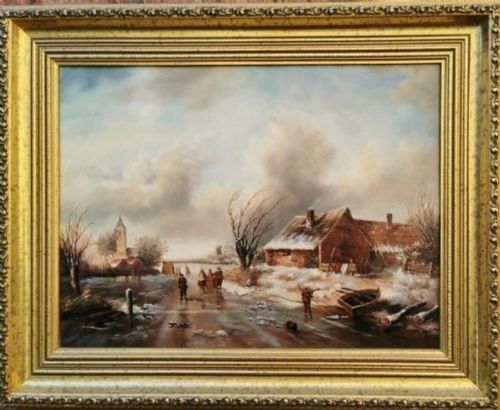
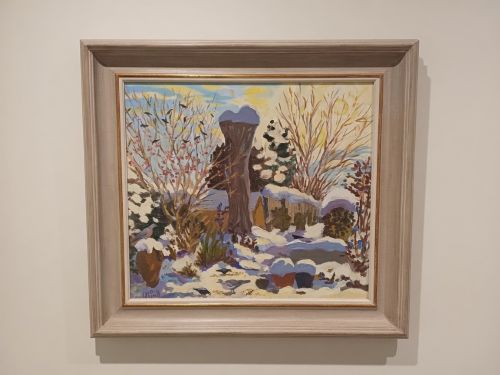
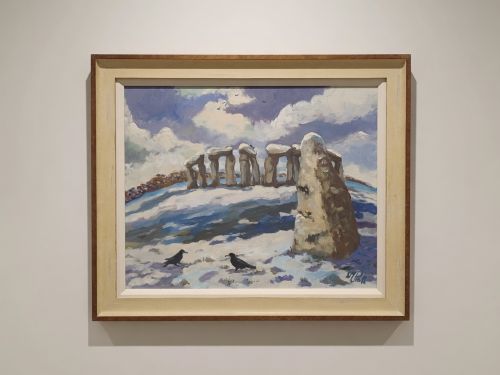
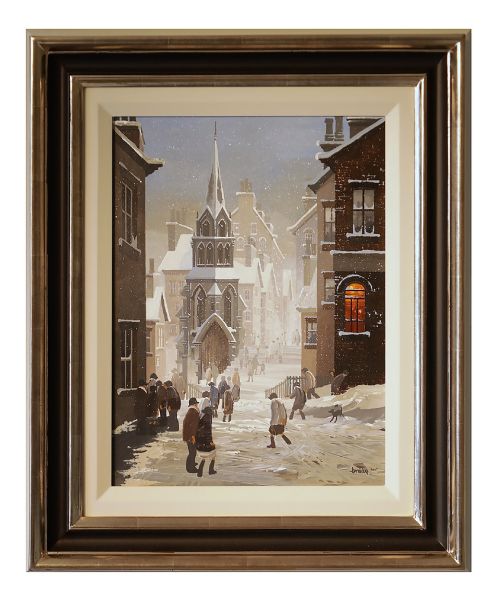
Framed winter landscape artwork captures freezing weather and snow through oil and watercolour, bringing atmospheric nineteenth and twentieth century scenes indoors.
Framed Winter Landscape Artwork
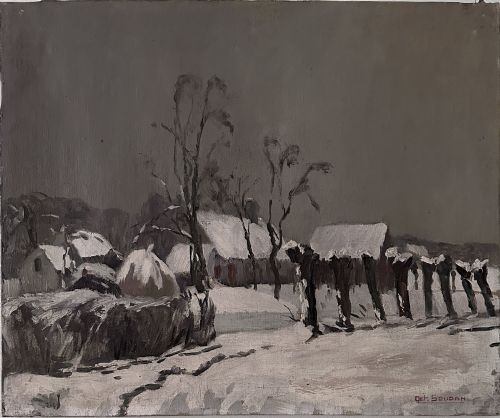
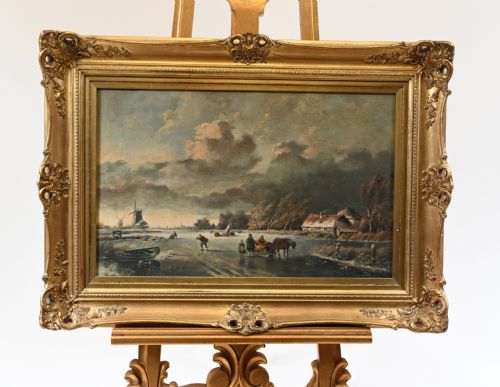
A framed winter landscape artwork presents snow-covered fields, frozen lakes, and rural villages executed in paint or water-based media. Buyers searching this phrase meet works spanning from the nineteenth century through the mid-twentieth century, alongside contemporary pieces.
The assortment relies heavily on oil on canvas and watercolour paintings housed in wooden and gilt frames. Dutch School influences, British Impressionism, and regional views dominate the visual subjects.
Most examples depict specific rural locations, coaching scenes in snowstorms, or quiet rural cottages beneath frost. The framing protects the paper or canvas while providing an authentic period border that complements the palette.
Materials and construction
Artists apply oil paint or watercolour pigments onto prepared canvas, wood boards, or heavy paper sheets. Oil paint allows for thick impasto brushstrokes that build up the texture of drifting snow and ice.
Watercolours and gouache wash across textured paper to create translucent winter skies and pale morning light. Protective glass often covers these water-based works to shield the delicate pigments from moisture and fading.
Moulded wood frames finished with gilt leaf or painted surfaces enclose the artworks. These frames use corner mitres and secure backing boards to preserve the integrity of the painting over decades.
Canvas and paper serve as the primary supports, framed behind wood and gilt moulding.
Assessing craftsmanship
The handling of light and shadow on snow defines the visual success of each piece. Skilled artists capture the subtle blue and violet tones of shadows in snow rather than relying on plain white paint.
The precision of the brushwork and composition separates standard decorative watercolours from accomplished fine art paintings. Strong perspective in coaching scenes and village views demonstrates the painter's fundamental draughtsmanship.
Original frames matching the age of the canvas add integrity to the object. Period gilt or wooden surrounds that retain their original finish complement the painted surface without overpowering the winter scene.
Lucy Pratt·Brian Shields Braaq·T Bergman·A McDonald·Gaston Cornil·Fred Lawson·John Hobson Nicholson·Ernest Uden·Fannie Moody·Herbert Royle·Charles Jones·John Charles Maggs·W Tatton Winter·A Winter Shaw·Sydney Kendrick·Pieter Cornelis Steenhouwer·Alexis De Leeuw·George Graham·Ernest Higgins Rigg·John Ritchie·William Greaves
The Framed Winter Landscape Artwork Glossary
- Impasto
- Paint applied thickly to a canvas, standing out from the surface to create a physical texture. This technique works well for rendering piled snow and frosted trees.
- Gouache
- An opaque watercolour paint mixed with a binding agent to create solid, flat colour fields. Artists utilise it for crisp highlights on winter scenes.
- Gilt
- A thin layer of gold leaf applied to the wooden frame moulding. It provides a reflective border that warms cool winter palettes.
- Board
- A rigid wooden or fibrous panel used as a painting support instead of woven canvas. It offers a stable surface for smaller oil sketches.
- Watercolour
- Pigments suspended in a water-based solution applied to paper. It relies on the white of the paper to show through for snowy highlights.
Framed Winter Landscape Artwork: Frequently Asked Questions
Where should I hang a winter watercolour?
Position the framed work away from direct sunlight and strong heat sources to prevent the watercolour pigments from fading. Exterior walls can cause condensation behind the glass, so interior partitions work best.
Maintain a stable room temperature to protect both the paper support and the wooden frame from warping.
Are all these paintings from the nineteenth century?
The selection spans multiple eras, including nineteenth-century works, Edwardian pieces, and mid-century modern paintings. Each era brings distinct framing styles and handling of the winter subject matter.
Dates in the listings reflect the period of creation recorded by the dealer or inscribed on the piece.
How can I tell oil from watercolour?
Oil paintings feature a textured, glossy or satin surface painted on canvas or wooden board without protective glass. The paint builds up in visible layers and brushstrokes.
Watercolours appear matt, lie flat on paper, and sit beneath a sheet of glass within the frame to prevent surface damage.