

Framed Watercolor Artwork
Framed watercolor artwork brings together delicate pigment and paper, offering an intimate glimpse into past centuries through landscapes, portraits, and botanical studies.
Framed Watercolor Artwork
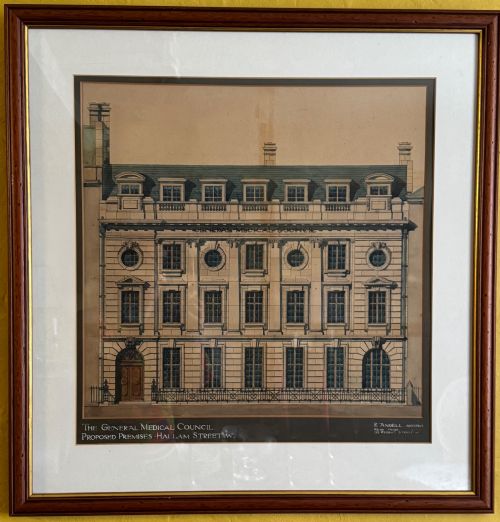
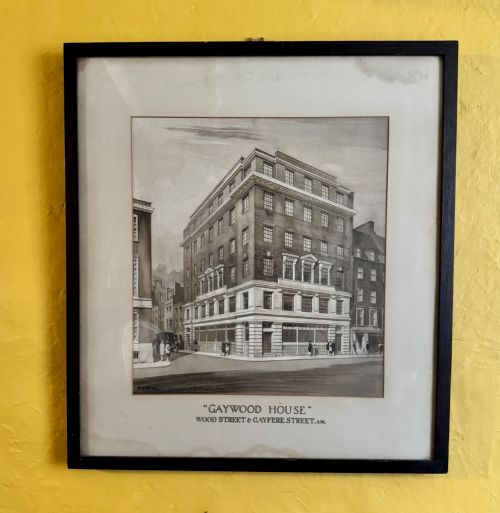
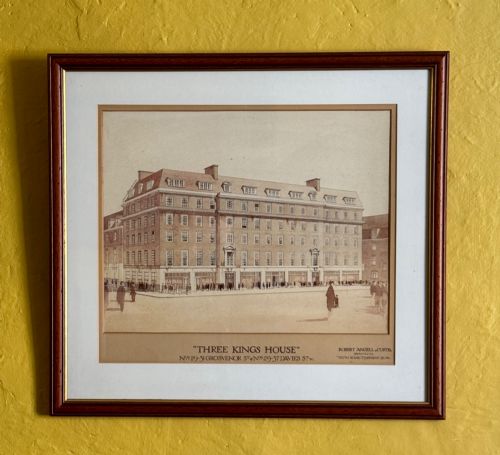
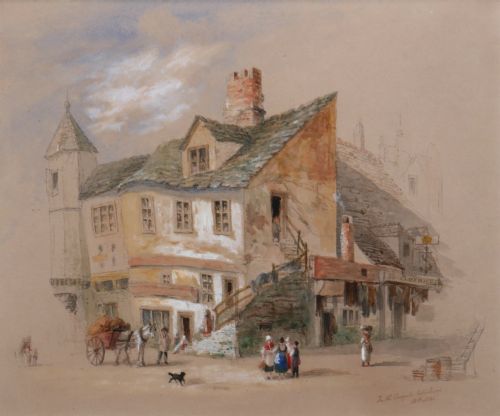
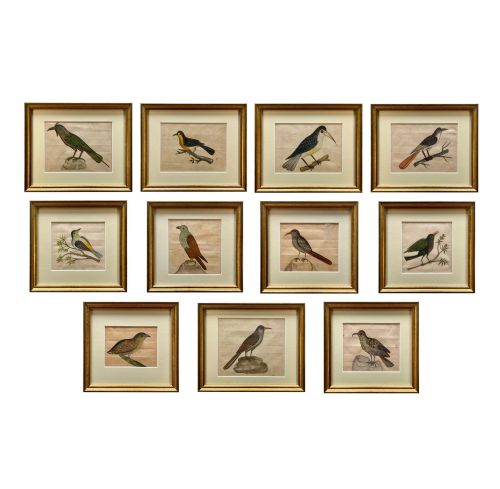
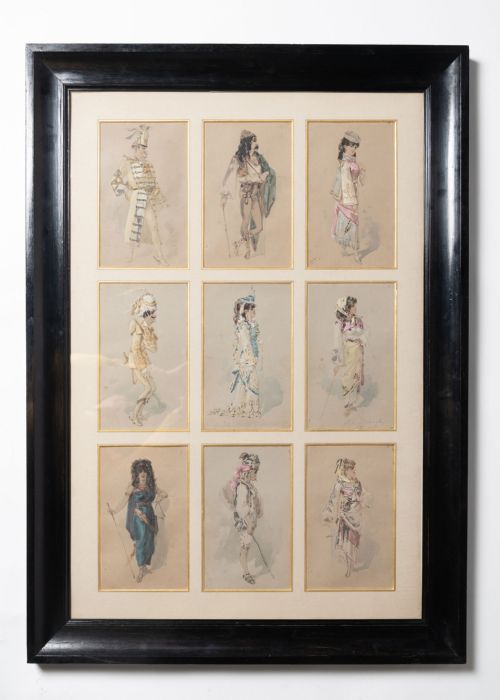
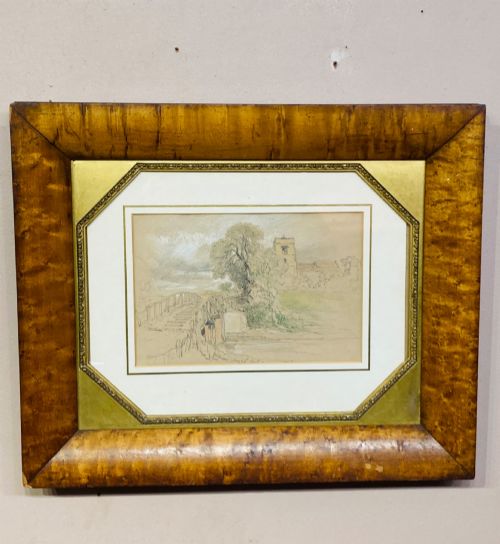
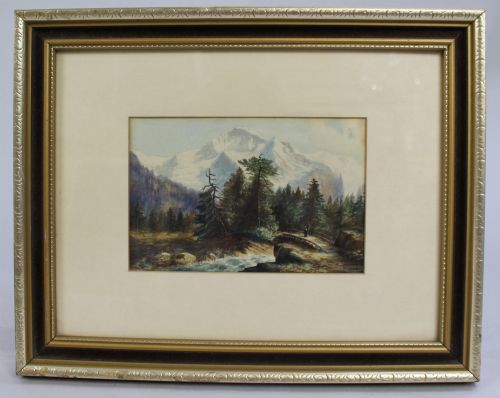
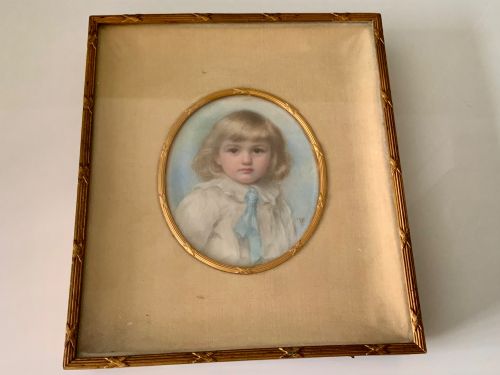
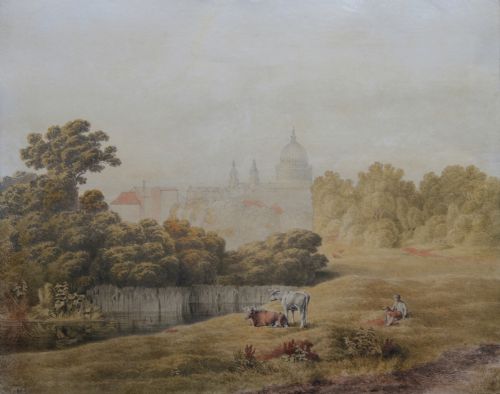
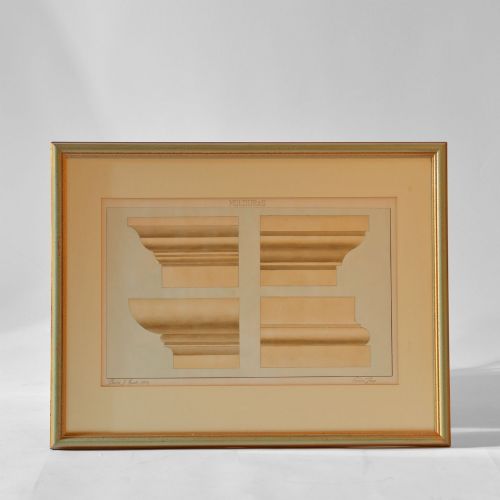
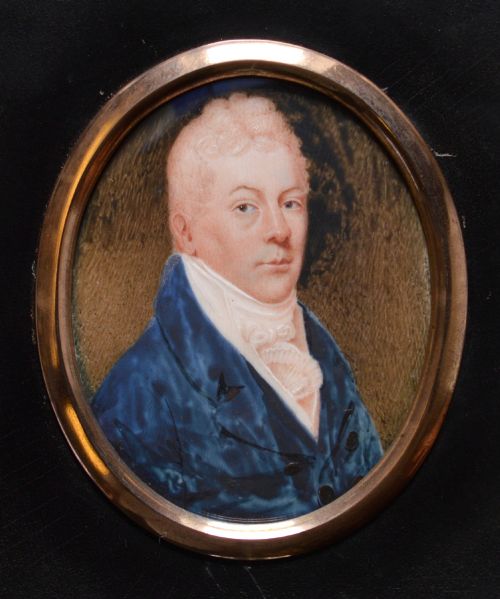
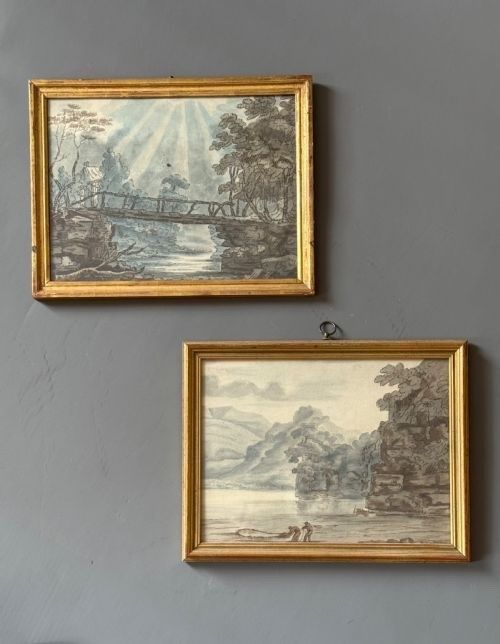
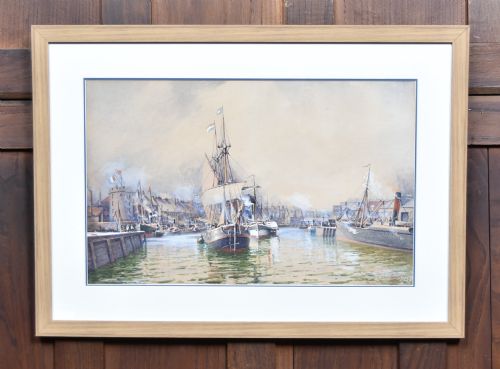
When you search for framed watercolor artwork, you encounter a diverse selection of paintings spanning from the eighteenth century to the mid-twentieth century. The material record includes landscape views, townscapes, architectural drawings, and intimate portrait miniatures.
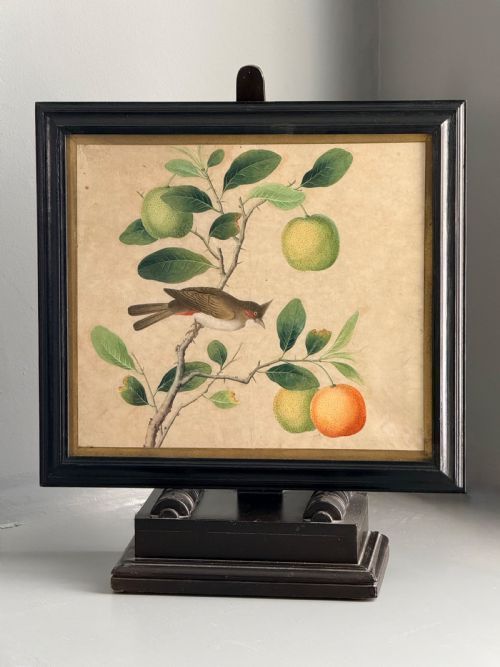
The pieces most frequently met on this page are nineteenth-century works, alongside Edwardian and Georgian examples. These items capture subjects ranging from Italian lake scenes and English riverbanks to detailed botanical studies and figural compositions.
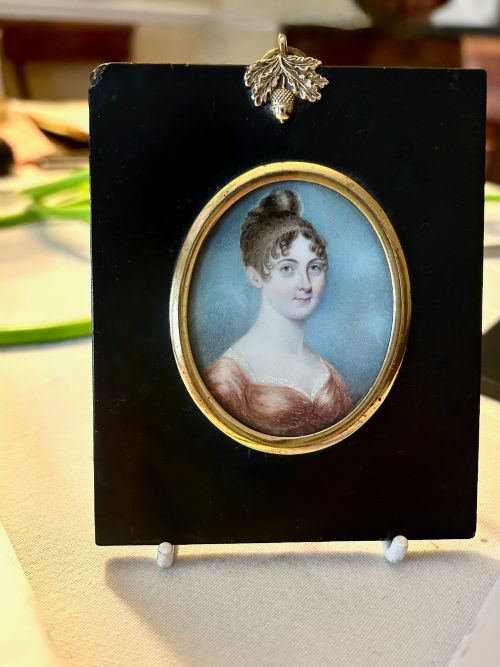
Framed watercolor artwork ranges from small, delicate portrait miniatures housed in modest surrounds to exhibition-sized landscapes accompanied by glass and wooden frames. The grouping bridges vernacular sketches by unidentified hands and signed works by named painters.
Materials and construction methods
Artists painted primarily with watercolour pigment and ink applied to paper, pith paper, or fabric bases. Selected works incorporate bodycolour to add opacity and highlight specific areas of the composition.
Framing materials recorded in the evidence include wood, gilt wood, ebonised wood, and maple frames, usually glazed with glass to protect the fragile painted surface beneath. Portrait miniatures often utilise specialised mountings suited to their small scale.
Framed Watercolor Artwork Retail Price Guide 2026
Typical asking prices for framed watercolor artwork among the pieces listed under this phrase on Sellingantiques today, from the lower quarter to the upper quarter. They describe what is for sale here now, not the wider market.
Materials documented across the listings include paper, pith paper, watercolour pigment, ink, and fabric, protected behind glass within wood, gilt wood, ebonised wood, or maple frames.
Distinctions in quality
Quality in framed watercolor artwork rests upon the surety of the draughtsmanship, the vibrancy of the surviving pigments, and the sensitivity of the composition. Skilled handling of light and atmospheric perspective distinguishes accomplished works from simpler student exercises.
The preservation of the paper support and the originality of the associated frame also influence the character of each piece. Intact nineteenth-century framing or well-documented provenance elevates the historical context of the painting.
Frederick Buck·Jacob Kramer·William Woolard·Harry Bright·Cuthbert Crossley·Alessandro Cittadini·Robert George Talbot Kelly·William Taylor Longmire·David Law·George Sydney Shepherd·Bruce Bairnsfather·George Fotherly Hargitt
The Framed Watercolor Artwork Glossary
- Watercolour
- A painting method in which the paints are made of pigments suspended in a water-based solution. It is traditionally applied to paper or similar light supports.
- Gouache
- An opaque water-based paint method, sometimes termed bodycolour in historical works. It provides denser colour coverage than standard watercolour.
- Pith paper
- A delicate material formed from the pith of the Tetrapanax papyrifer plant, commonly seen in nineteenth-century Chinese export paintings.
- Portrait miniature
- A small-scale portrait painting executed with fine detail. These pieces frequently date from the Georgian and Victorian eras.
- Ebonised wood
- Timber treated to resemble ebony, frequently utilised for nineteenth-century picture frames to contrast with light paper works.
Framed Watercolor Artwork: Frequently Asked Questions
What periods do these watercolors cover?
The listings span multiple centuries, starting from the eighteenth century and moving through the Georgian, Regency, and Victorian eras. You will also find Edwardian pieces and twentieth-century illustrations up to the 1950s.
Most items cluster around the nineteenth century, reflecting the popularity of watercolor painting during that period for both travel records and domestic decoration.
How should I care for framed watercolor artwork?
Watercolor pigment is sensitive to prolonged direct sunlight, which can cause fading of the delicate washes over time. Hang these pieces in shaded areas away from direct beams.
Keep them in rooms with stable humidity to protect both the paper support and the historic wooden or gilt frames from warping or deterioration.
Are all these works signed by the artist?
Many listings feature signed works by named historical artists, while others represent anonymous hands attributed to specific regional schools. Both signed exhibition pieces and unsigned vernacular sketches appear across the inventory.
Signatures or contemporary inscriptions on the reverse often help attribute the piece to a specific creator or location.
What subjects are most common?
Landscapes and townscapes form a large portion of the works, recording views of rivers, cathedrals, and international harbours such as Palermo or Lake Como. Architectural drawings and botanical studies also feature prominently.
Portrait miniatures and figural compositions offer a more personal view, capturing sitters in dresses or formal attire from the Georgian and Victorian periods.