


Framed Wall Art Frame
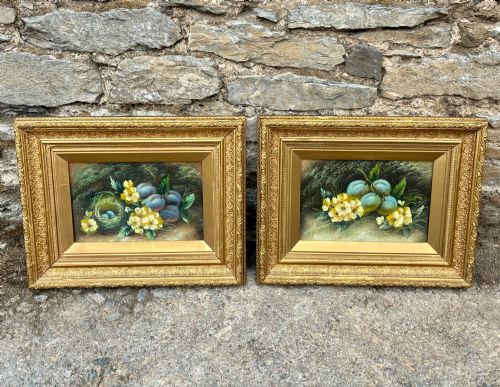
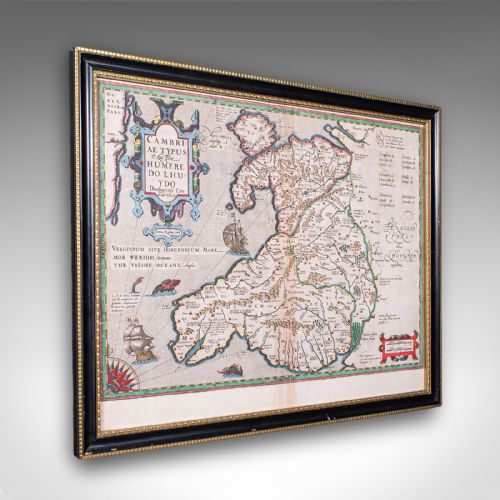
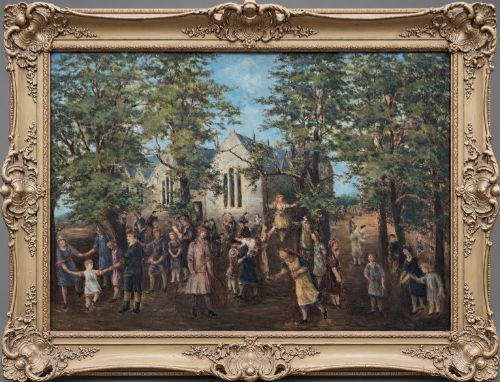
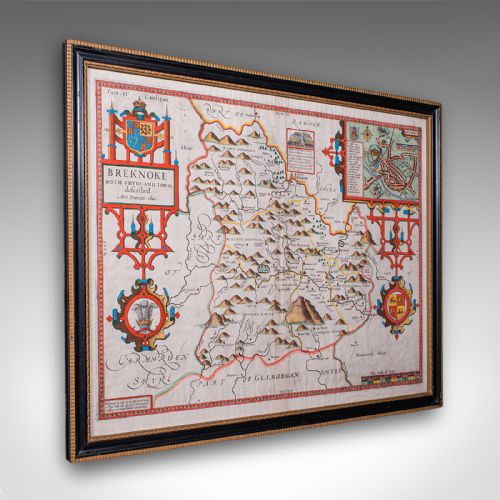
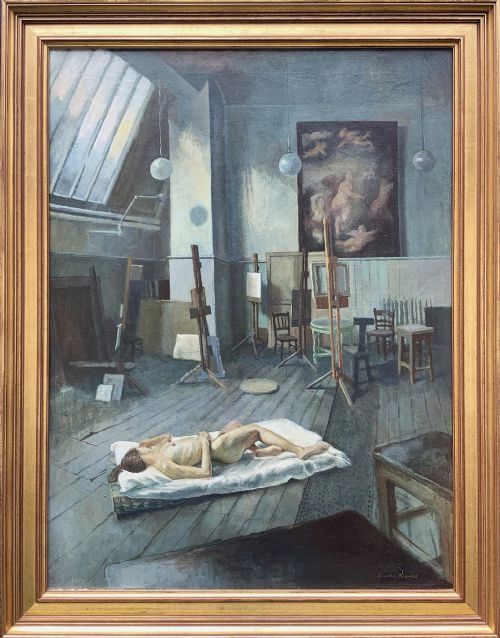
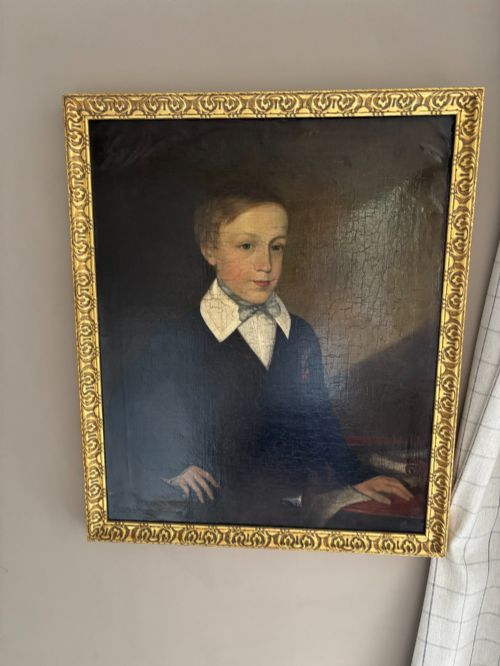
Framed wall art frame selections bring together centuries of painted canvases, delicate watercolours, and glazed mirrors housed within period surrounds.
Framed Wall Art Frame
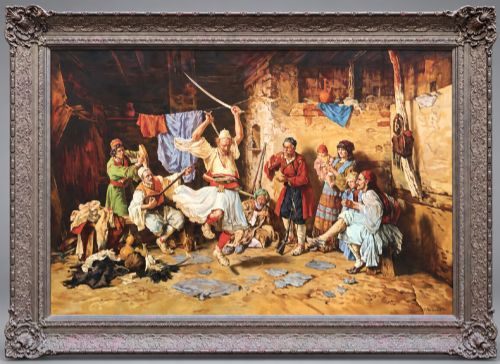
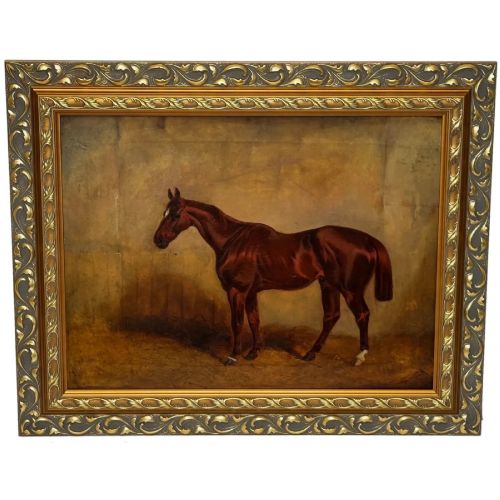
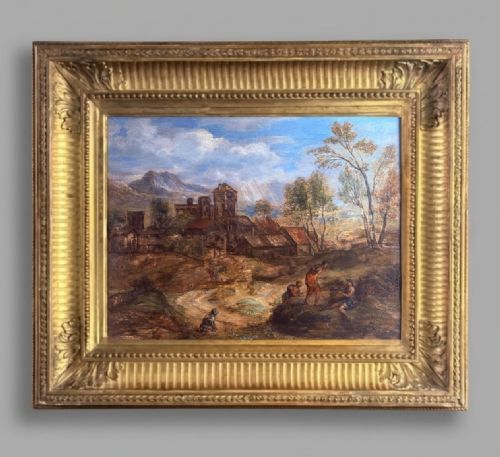
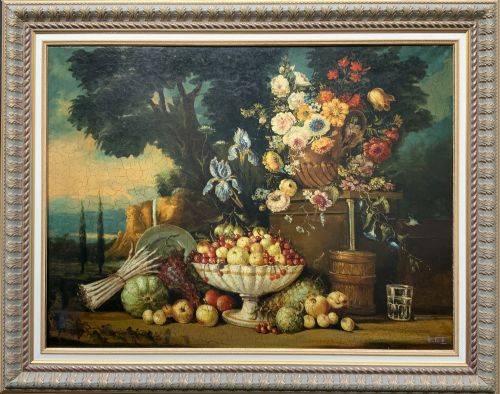
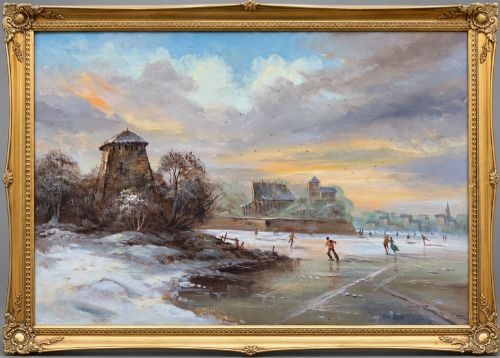
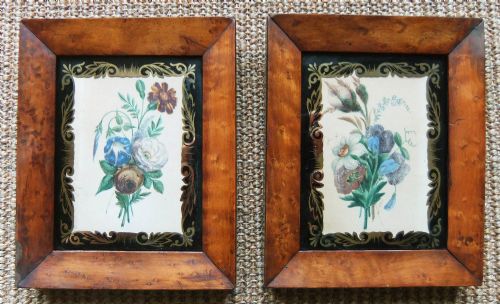
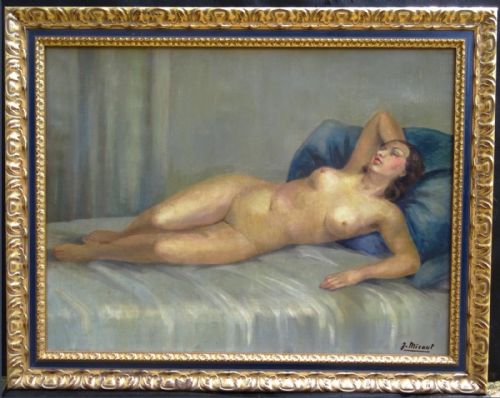
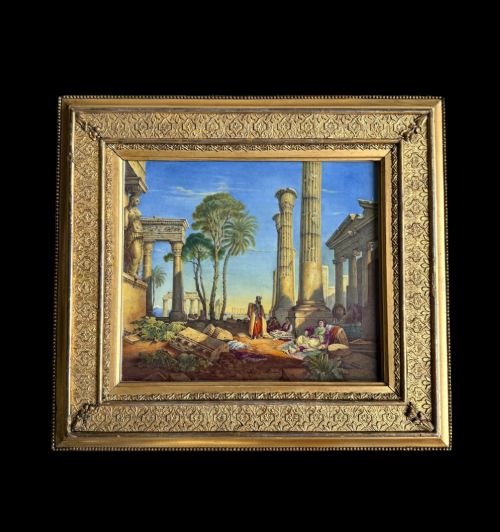
When browsing framed wall art frame options, buyers encounter an eclectic mix of historical paintings, engravings, and decorative mirrors spanning multiple centuries. The selection encompasses seventeenth-century portraits on canvas, eighteenth-century mezzotints, and nineteenth-century landscapes alongside textiles and mirrors.
The objects combine visual artwork with supportive housings, ranging from simple timber mouldings to ornate gilt wood borders. Pieces originate from diverse European schools as well as Asian workshops, reflecting traditional techniques of their respective periods.
Materials and construction methods
Makers utilised wood, glass, and paper extensively, mounting watercolours, gouache, and oil paintings onto canvas, panel, or pith paper. Frames frequently incorporate gold leaf and gilt wood finishes to complement the artwork contained within.
Engravings and prints utilise paper substrates printed from plates, while textile pieces involve detailed needlework and embroidery on fabric grounds. Structural elements rely on traditional joinery methods appropriate to periods from the seventeenth century onwards.
Listings feature works across multiple centuries, utilising oil on canvas, watercolour, and glass within traditional wooden surrounds.
Distinctions in quality and execution
Execution depends upon the skill of the original hand, whether in the brushwork of an oil portrait or the precision of a stipple engraving. Superior examples demonstrate refined draughtsmanship and confident handling of pigments.
The harmony between artwork and housing dictates overall success, where period-appropriate framing enhances the visual weight and preservation of the piece. Subtle details in carving, gilding separation, and material selection elevate finer works above standard production.
Henry Barraud·Theude Grönland·Sir Joshua Reynolds·Francesco Bartolozzi·John Boydell
The Framed Wall Art Frame Glossary
- Mezzotint
- A printmaking process of the intaglio family where the surface is roughened with a rocker to produce tonal gradations rather than strict lines. It allows for rich, velvety darks and subtle transitions.
- Gouache
- An opaque watercolour medium consisting of pigment mixed with a water-binding agent and a white filler. It produces a flat, matte colour surface.
- Gilt wood
- Timber that has been coated with a thin layer of gold leaf or gold powder over a prepared ground. It provides a luminous, reflective surface for decorative frames and mirrors.
- Pith paper
- A delicate material formed from the spongy interior of plant stems, used in Asian art for detailed painting. It absorbs pigments with a characteristic softness.
- Stipple engraving
- A printmaking technique using dots to create tonal shadows and forms instead of continuous lines. Artists achieved nuanced shading by varying the density of punctured dots.
Framed Wall Art Frame: Frequently Asked Questions
How do I identify the period of a frame?
Dating relies on observing wood types, assembly methods, and surface treatments such as gesso application and gilding styles. Earlier examples display hand-cut joinery and characteristic tool marks absent in later production.
Stylistic cues like carving motifs also align frames with specific eras, though replacement surrounds remain common in historical pieces.
Are original frames important?
Original housings preserve the historical context and aesthetic intent intended by the maker or subsequent owners. Matching a period artwork with a contemporary frame maintains stylistic harmony.
Many surviving pieces retain their initial surrounds, which contribute significantly to their character and integrity.
How should I hang heavy framed art?
Securing heavy pieces requires locating wall studs or employing appropriate masonry fixings matched to the weight of the wood and glass. Traditional brass wire or sturdy D-rings must be inspected for stability before mounting.
Professional hanging ensures the security of fragile canvases and older plaster mouldings.
What is the difference between an engraving and a painting?
Paintings involve direct application of liquid pigments like oil or watercolour onto a prepared surface such as canvas, panel, or paper. Each painted work is a unique creation by the artist's hand.
Engravings are printed impressions pulled from a metal plate that has been manually incised, allowing multiple copies of an image to be produced.