



Framed Victorian Canvas
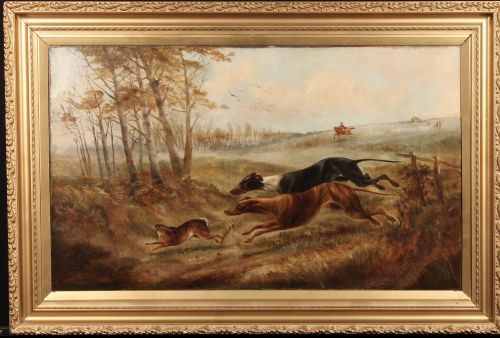
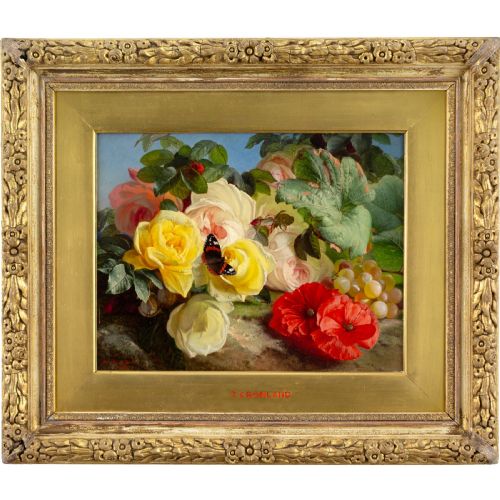
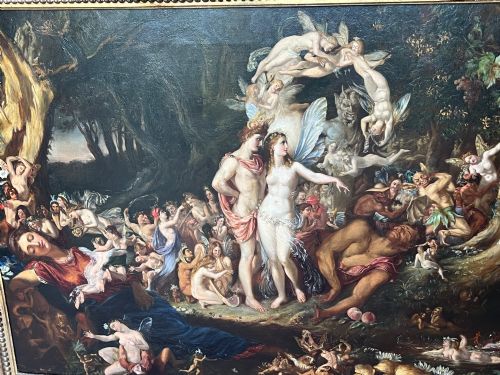
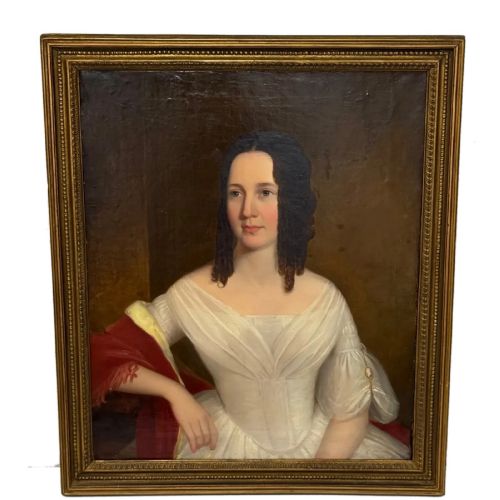
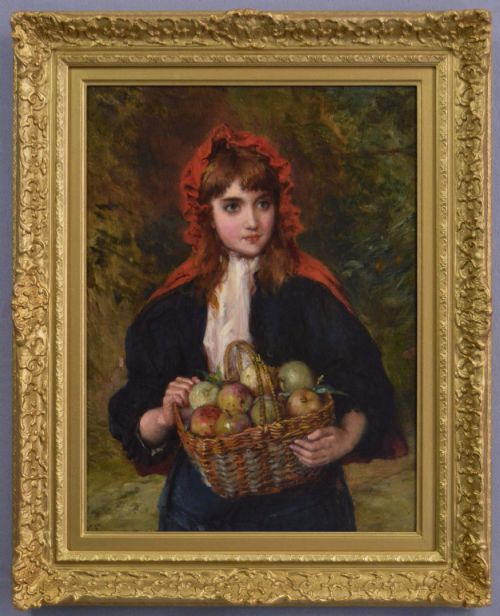
A framed victorian canvas brings nineteenth-century portraiture, landscape and genre painting straight into a room through surviving oil on canvas works.
Framed Victorian Canvas
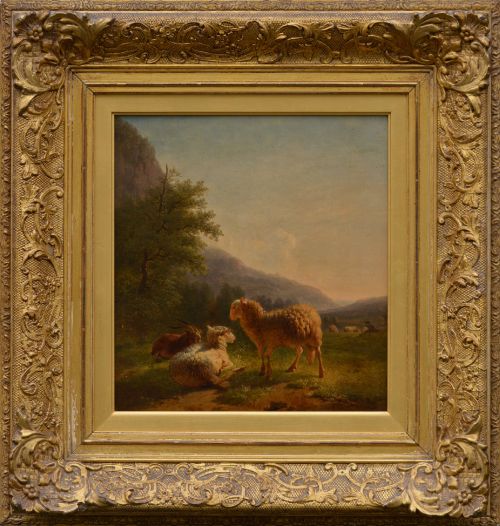
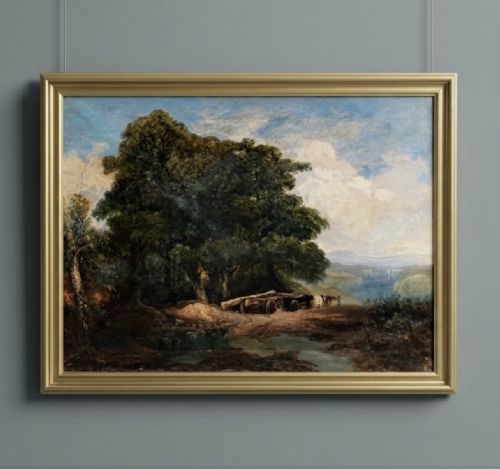
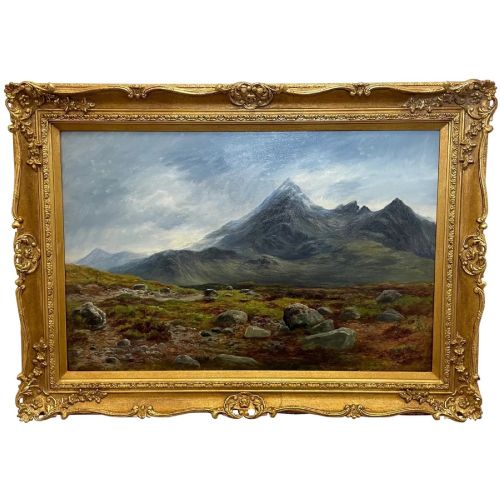
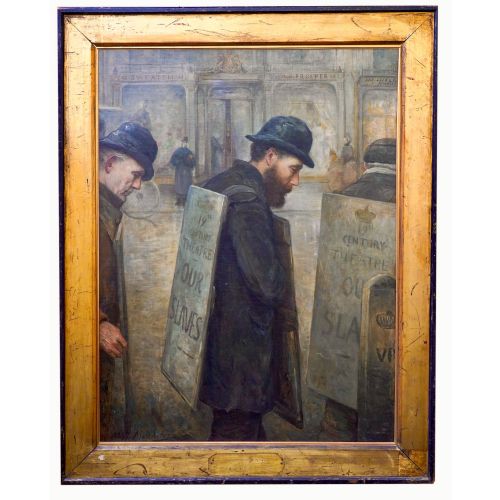
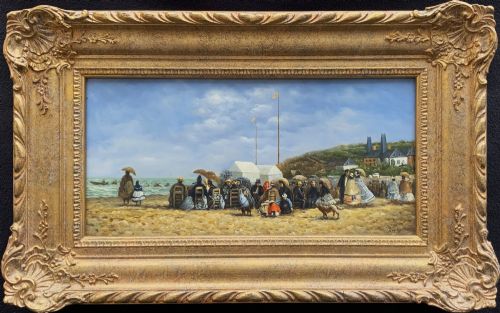
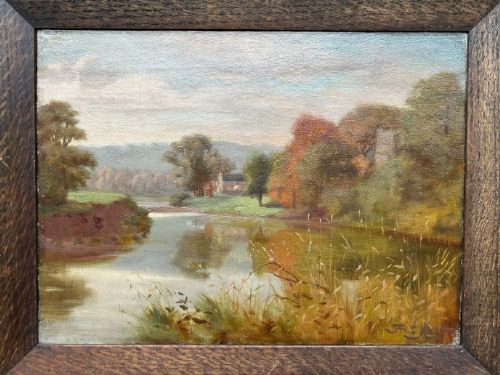
A framed victorian canvas encompasses nineteenth-century oil paintings mounted in period surrounds, spanning portraiture, landscape, maritime scenes and animal studies. These works record historical figures, domestic animals, rural views and social history through the eyes of British and continental painters working between eighteen-fifty and nineteen-hundred.
The subjects on this page range from intimate character studies and coastal shipping views to large-scale portraits of gentlemen, ladies and livestock. Many pieces originate from British and French schools, capturing the academic realism and romantic landscapes popular during the nineteenth century.
Buyers will encounter both signed works by known nineteenth-century artists and atmospheric pieces from regional schools. These paintings bridge historical documentation and interior decoration, preserved within their original or period-matched frames.
How they were made
Painters applied oil paint to stretched canvas, building texture and depth through layered brushwork. Canvases were secured to wooden stretcher frames and subsequently housed in decorative surrounds.
Frames utilise wood, gesso and gold leaf to create ornate giltwood mouldings that complement the artwork. The combination of oil paint on canvas within a substantial frame defines the physical construction of these pieces.
Several canvases record racing pigeons and prized shorthorn bulls, proving Victorians loved painting their champion animals just as much as their relatives.
What varies in quality
Quality rests in the handling of the subject, anatomical accuracy, and the depth of the oil pigments. Superior portraits and landscapes demonstrate confident brushwork and expressive detail, whereas lesser works lean toward formulaic execution.
The integrity and craftsmanship of the surrounding frame significantly influence the overall piece. Hand-carved gesso and intact gilding elevate a canvas, while compromised or mismatched framing alters the visual balance.
William Oliver·Eugène Verboeckhoven·Richard Sebastian Bond·William Beattie-Brown·Felix Stone Moscheles·Valentine T. Garland·John Maler Collier·Dumini Leopoldo·Frederick Marriott·Arthur Wardle·John Horace Hooper·William McAlpine·Alfred Fontville de Breanski Jr·Stephen Samuel Lewin·John Rose Miles·Vittorio Reggianini·Thomas W Lascelles·Mark William Langlois·David Bates·Thomas Smythe·Albert Clark·Alfred Lyndon Grace·W.R. Waters
The Framed Victorian Canvas Glossary
- Canvas
- A heavy woven fabric used as a surface for oil painting. It is typically stretched tightly across a wooden frame before work begins.
- Giltwood
- Wood carved and covered with a thin layer of gold leaf or gold paint. This material forms the ornate frames standard to the period.
- Gesso
- A plaster-like mixture applied to wooden frames as a base for moulding and gilding. It allows for intricate decorative reliefs around the painting.
- Genre Painting
- The pictorial representation of scenes from everyday life. These works depict ordinary people engaged in common activities.
- Realism
- An artistic movement focused on the truthful and objective depiction of contemporary life. It avoids idealized or romantic interpretations in favour of observable reality.
Framed Victorian Canvas: Frequently Asked Questions
How do I hang a heavy framed canvas?
Heavy nineteenth-century oil paintings require secure fixings anchored directly into wall studs or masonry. Utilise robust picture hooks rated well above the combined weight of the canvas and its gilt frame.
Position the piece at eye level to ensure proper viewing angles. Avoid hanging paintings in areas subject to direct sunlight or damp conditions.
Are these paintings signed by the artist?
Many nineteenth-century canvases feature the artist's signature or monogram, typically located in a lower corner. Attribution details often rely on historical records, exhibition labels or stylistic analysis.
Unsigned works frequently originate from regional schools or anonymous contemporary painters. Documentation accompanying the piece usually clarifies its known provenance.
What subjects were popular in Victorian art?
Victorian artists favoured portraiture, domestic genre scenes, rural landscapes and maritime disasters. Paintings often conveyed moral narratives, social history or romantic ideals.
Animal painting, particularly livestock and pets, also held significant popularity among collectors. These subjects reflect the tastes and domestic values of nineteenth-century society.