

Framed Victorian Animal Painting
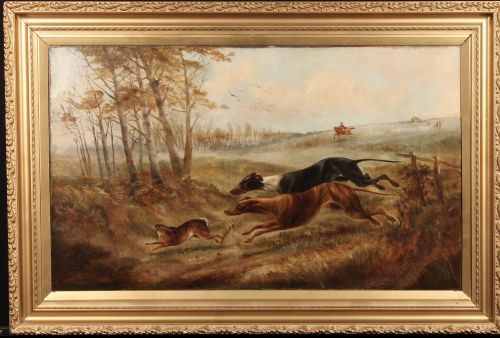
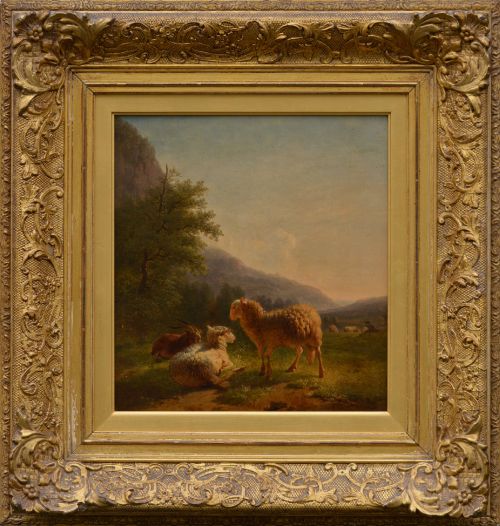
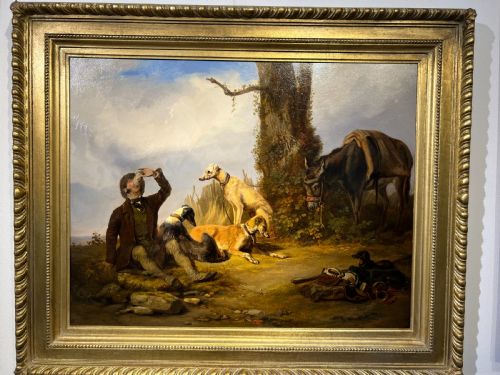
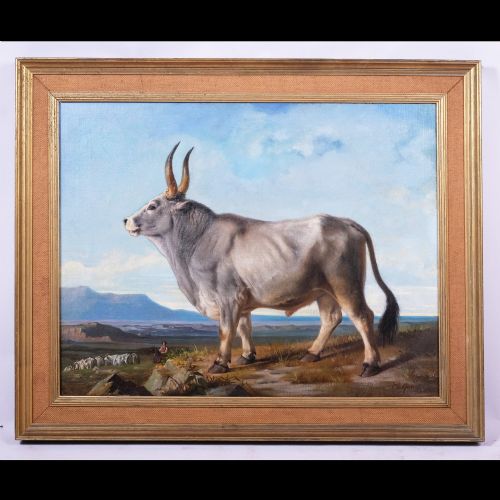
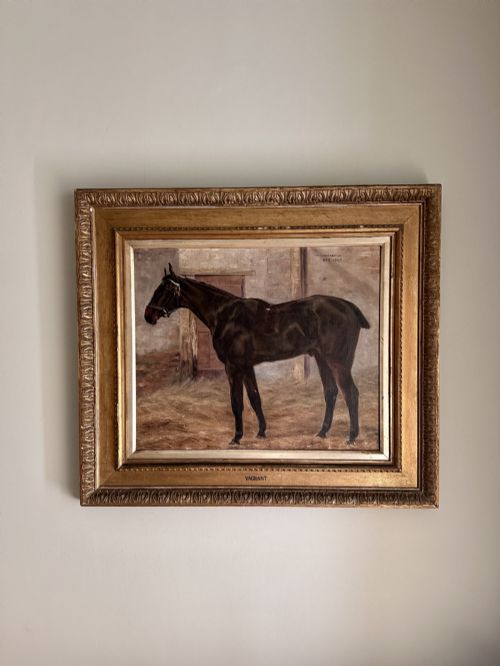
A framed victorian animal painting captures horses, hounds and farm stock in oil on canvas, offering a direct window into nineteenth-century rural life.
Framed Victorian Animal Painting
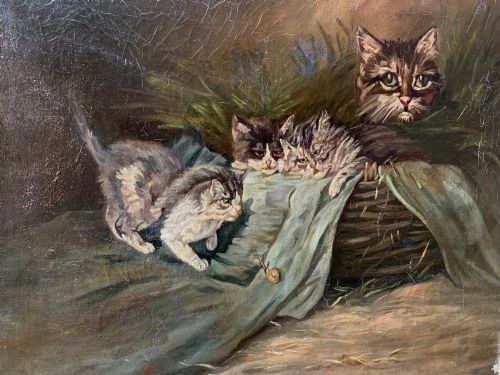
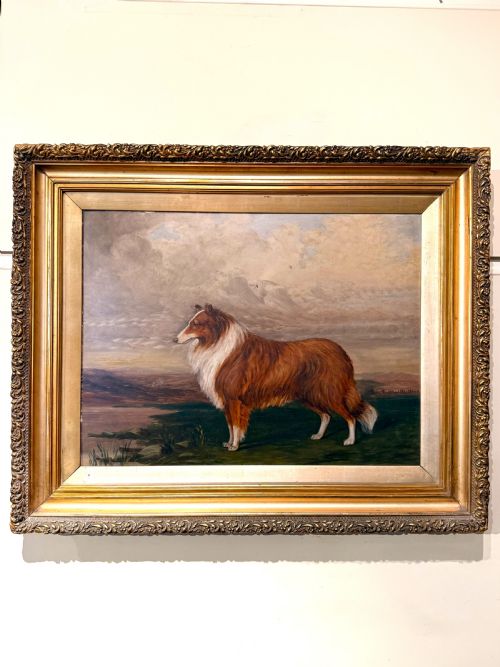
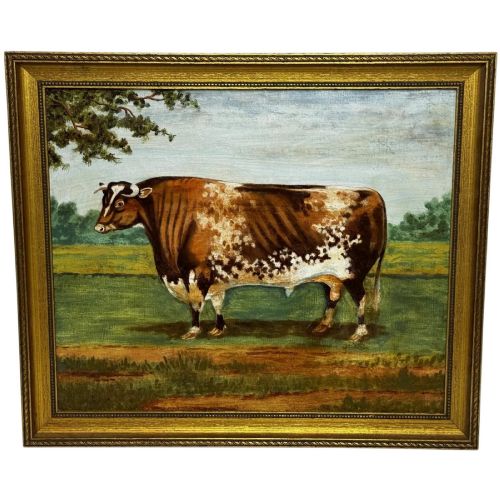
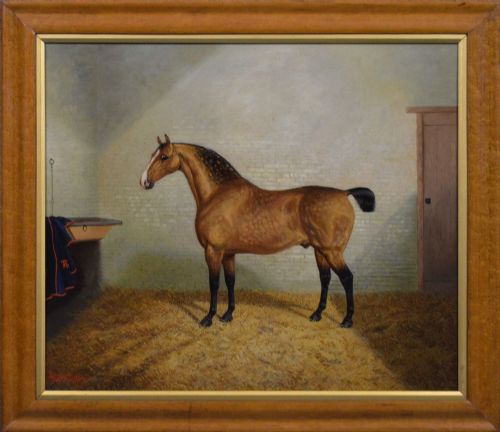
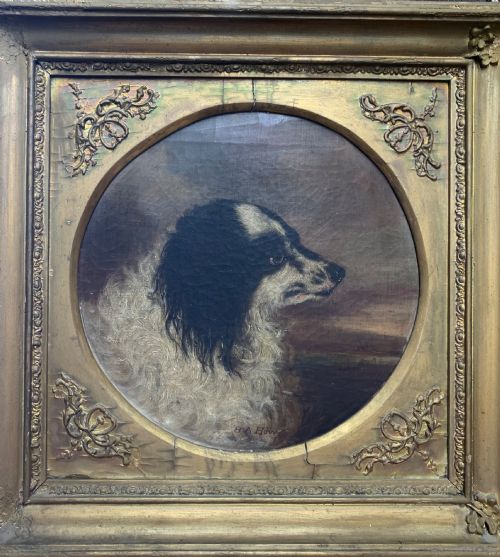
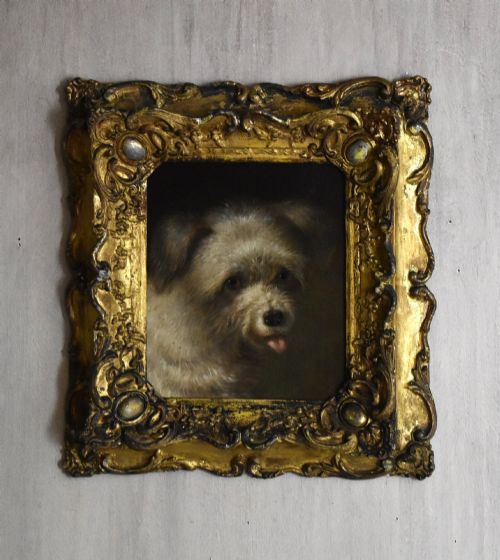
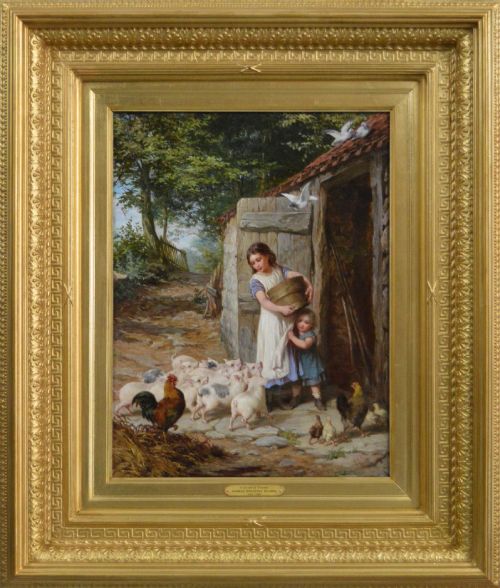
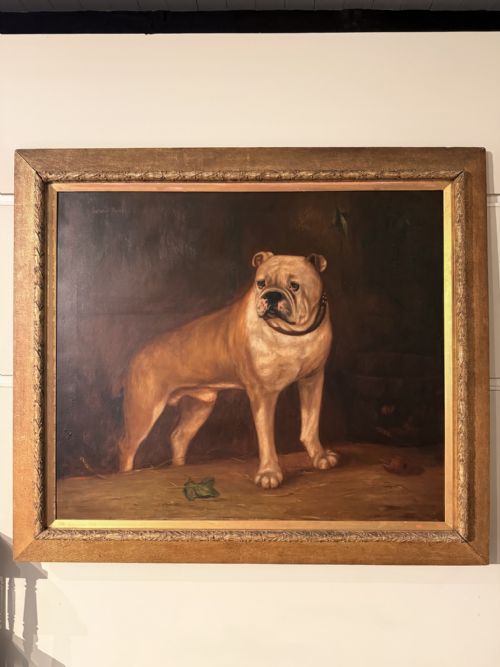
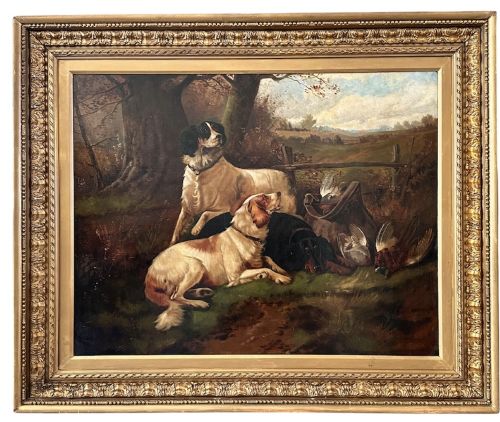
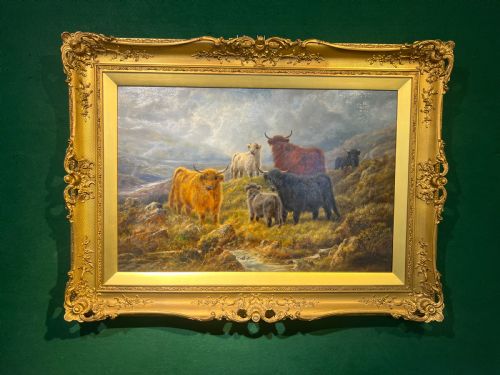
A framed victorian animal painting represents subjects ranging from prize bulls and working sheepdogs to hunting hounds and farmyard chickens. These works emerge from the nineteenth century, encompassing British and continental schools of realism and romanticism.
Most examples found here utilise oil paint on canvas or wood panels, housed within original or period-matched surrounds. Subjects frequently focus on individual portraits of valued livestock, sporting dogs in landscapes, or domestic animals at rest.
The compositions span intimate panel studies to large canvases, reflecting both domestic pastoral scenes and formal equine portraiture. Artists of this era documented rural economy and sporting pursuits with careful observation of anatomy and expression.
Materials and technique
Painters of the period applied oil paint to stretched canvas or prepared wooden boards, building up rich layers of colour to render animal coats and textures. Canvas supports predominated, often framed in moulded timber embellished with gesso and gold leaf.
Frames frequently utilised carved wood and composition ornament finished in gilt, which protected the edges of the canvas and provided a formal boundary for the artwork. The combination of oil medium and varnished surfaces ensured deep tonal variation across pastoral landscapes and dark interiors.
Listings feature nineteenth-century oil paintings on canvas and wood board, spanning periods from the Regency era through to the early twentieth century.
Variations in quality
Quality rests upon the artist's command of anatomical proportion, the expressive character of the animal, and the preservation of the paint surface. Master painters captured light across fur and muscle with precision, whereas lesser works rely on formulaic backgrounds and stiffer postures.
The integrity of the original canvas and the condition of the giltwood frame significantly influence the standing of a piece. Intact brushwork free from extensive overpaint distinguishes accomplished nineteenth-century schooling from routine studio production.
George Armfield·Eugène Verboeckhoven·Albert Clark·Martin Theodore Ward·George Augustus Holmes·John Sargent Noble·Robert Watson·Sir Edwin Henry Landseer·Fred Fitzpatrick·Edgar Hunt·William Watson Jnr·Henry Schouten·Claude Cardon·John Emms·Henry Robinson Hall·Arthur Wardle·William Henry Mander·Thomas Sidney Cooper·Franz van Severdonck·George Lance·John Frederick Herring Jnr·William Barraud·Samuel Joseph Clark·Colin Graeme Roe·Valentine Thomas Garland
The Framed Victorian Animal Painting Glossary
- Giltwood
- Wood carved and coated with gold leaf or metallic powder to create a bright, reflective surface. This material defined the primary framing style for nineteenth-century fine art.
- Gesso
- A plaster mixture applied to wooden frames as a smooth base before gilding. It allowed craftsmen to mould intricate relief patterns around the picture edge.
- Oil on Canvas
- Pigment mixed with drying oils applied to a woven fabric support stretched across a wooden frame. This technique offered artists flexibility in blending and layering tones.
- Realism
- An artistic movement focusing on everyday subjects without idealisation. In animal painting, this meant depicting livestock and working dogs with strict fidelity to nature.
- Provenance
- The documented history of ownership of an artwork tracing its origin. Records often connect specific portraits to landed estates and historical galleries.
Framed Victorian Animal Painting: Frequently Asked Questions
What subjects appear in these paintings?
The works depict horses, prize cattle, sheep, hunting hounds, and farmyard birds within rural or stable settings. Domestic pets such as spaniels and terriers also feature prominently.
Artists recorded these animals both as individual portraits commissioned by owners and as general pastoral scenes reflecting nineteenth-century agricultural life.
How do I date a framed animal painting?
Dating relies upon stylistic markers, artist signatures, and the construction methods of the accompanying wooden frame. Many pieces bear inscribed dates or records pointing to specific decades of the nineteenth century.
Examining the canvas preparation and stretcher frame construction provides further physical evidence of the period of creation.
Where should I hang an oil painting?
These works require stable indoor environments away from direct sunlight and damp conditions to protect the oil pigments and wooden stretcher frames. Maintaining moderate room temperature prevents canvas slackening.
Positioning the framed artwork at eye level in a principal room allows the fine details of the animal subjects and gilt frames to be clearly observed.
Are these paintings original works?
The selection comprises original nineteenth-century oil paintings on canvas or board, alongside period studies and documented copies after notable artists like Landseer. Each piece is hand-painted rather than mechanically reproduced.
Signatures, brushwork texture, and the age of the underlying support confirm the period origin of the artwork.