

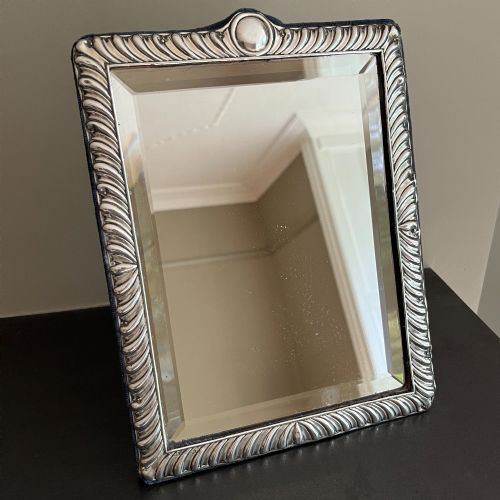

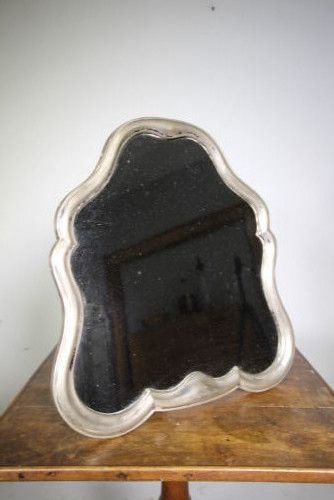
Framed Vanity Mirror
A framed vanity mirror sits upon a dressing surface or hangs on a wall, bringing reflected light and functional elegance to a room.
Framed Vanity Mirror
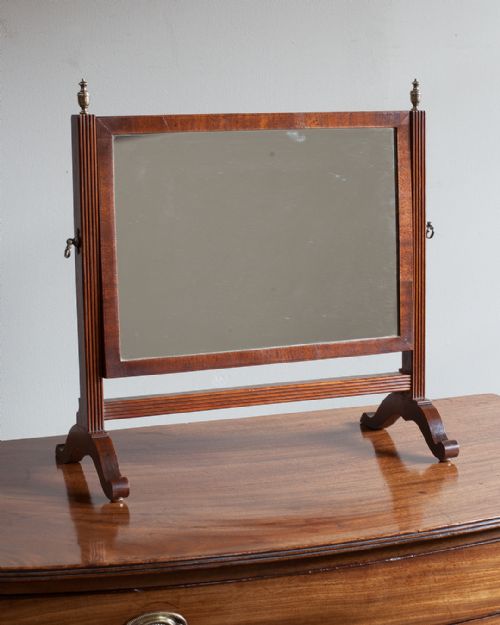
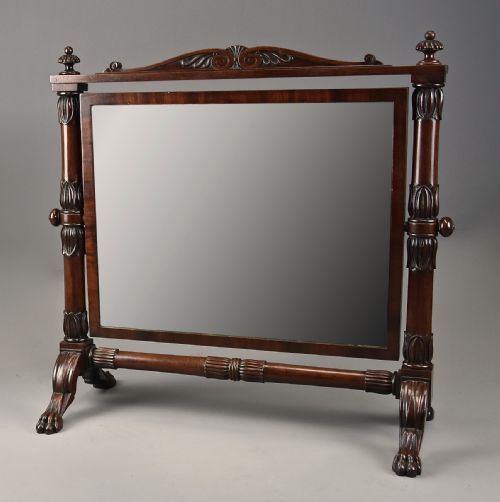
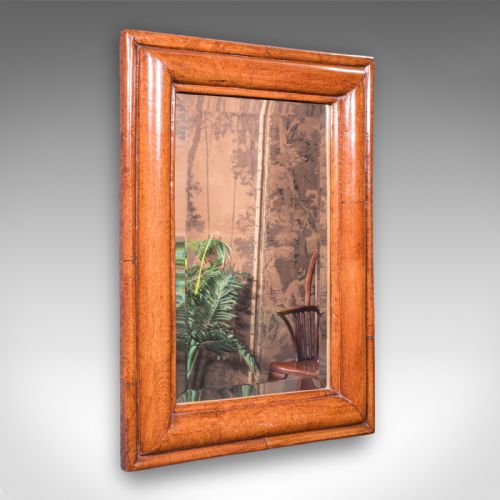
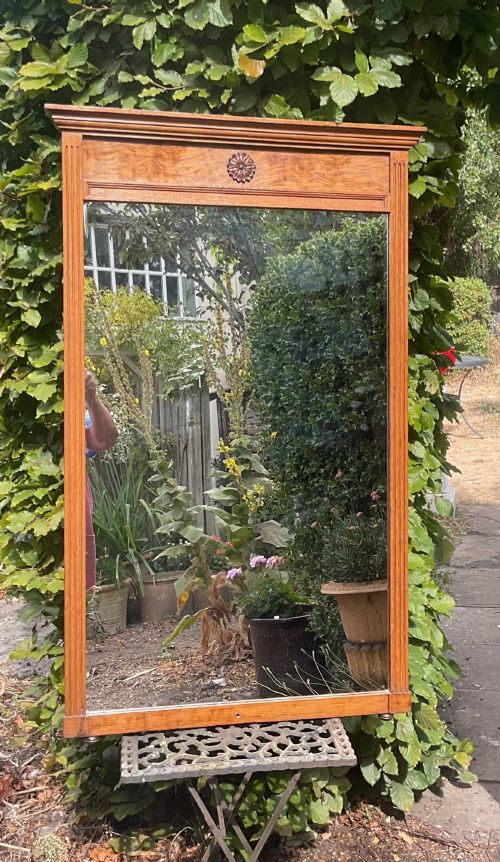
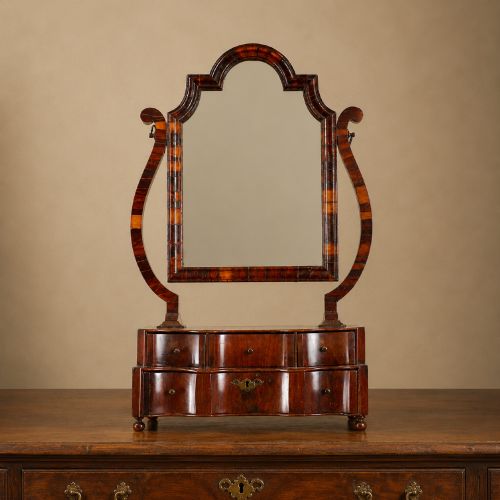
A framed vanity mirror is designed for personal grooming and reflection, appearing in forms such as dressing table mirrors, swing mirrors, and toilet mirrors. These pieces surface across periods ranging from the eighteenth century to the art deco era, reflecting changing domestic habits.
The materials span mahogany, walnut, and oak alongside giltwood, brass, silver, and copper. Buyers frequently encounter nineteenth century and Edwardian interpretations featuring bevelled glass and swing frames.
Object types include both wall-mounted and freestanding formats, with specialised vanity sets and mirrored trays also represented in the inventory. Each form provides a distinct way to incorporate reflective surfaces into a interior scheme.
Materials and construction methods
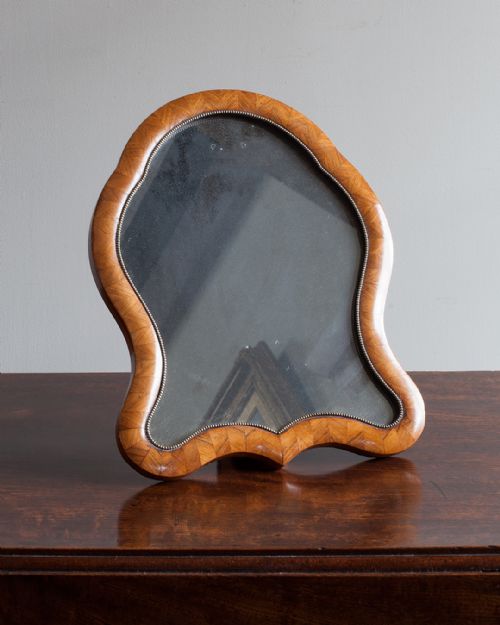
Cabinetmakers utilised dense hardwoods like mahogany and walnut for structural frames, frequently employing fine veneers such as burr walnut and kingwood. Timber frames often incorporated hand-carved details, fret-cutting, or turned supports.
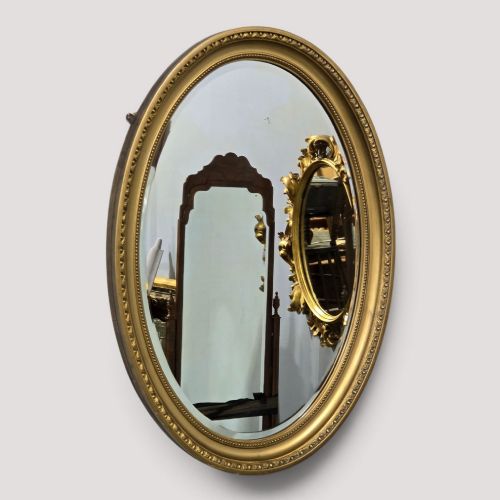
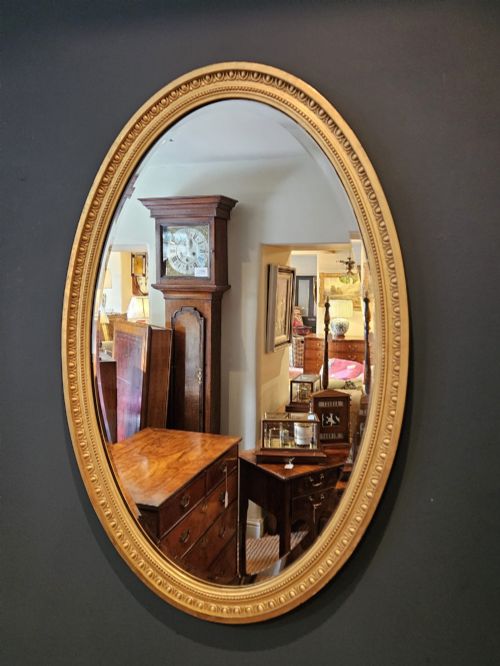
Metal-worked examples display cast brass, champleve bronze, pewter, and sterling silver, sometimes housing intricate repousse or pierced ornamentation. Giltwood and gesso pieces relied on skilled carving and application of gold leaf over prepared wooden bases.
A tiny Chinese hardwood mirror inlaid with mother-of-pearl and ivory finials proves good things come in miniature.
Assessing craftsmanship and condition
Quality rests in the crispness of the carving, the selection of timber veneers, and the integrity of the original mirror glass. Finer pieces demonstrate careful proportion, balanced joinery, and harmonious ornamentation appropriate to their period.
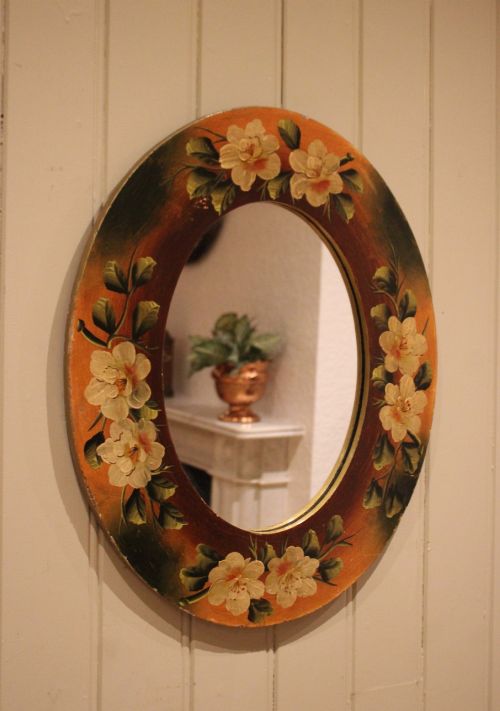
The treatment of secondary elements, from brass swing arms to hand-painted floral details or inlaid mother-of-pearl, distinguishes standard production from exceptional workshop output.
Louis Auguste Moreau·P & MA Nicholson
The Framed Vanity Mirror Glossary
- Swing mirror
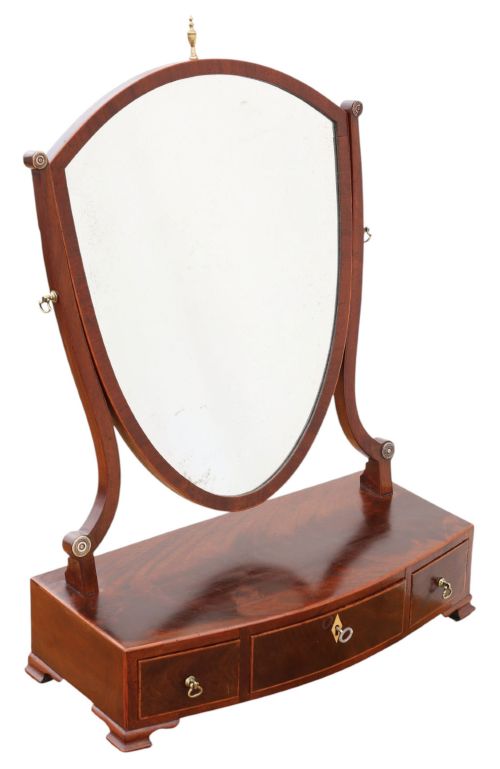
- A mirror plate mounted on pivots between upright supports, allowing the glass to tilt. This mechanism is common on dressing table and toilet mirrors.
- Toilet mirror
- A smaller freestanding mirror designed for a dressing chest or table, originating in the seventeenth and eighteenth centuries. These often incorporate small drawers in the base.
- Gesso
- A plaster-like material applied to wooden frames as a smooth base for gilding or painting. It allows for intricate relief moulding.
- Bevelled glass
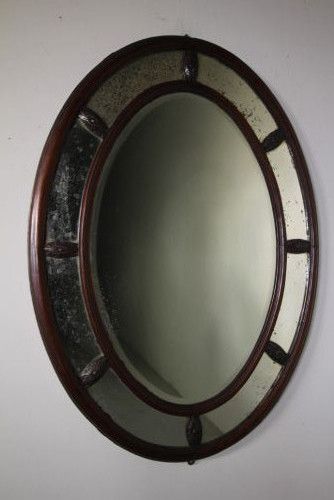
- Mirror glass with edges cut and polished at an angle. This technique creates a prismatic border that catches light.
- Fret-cut
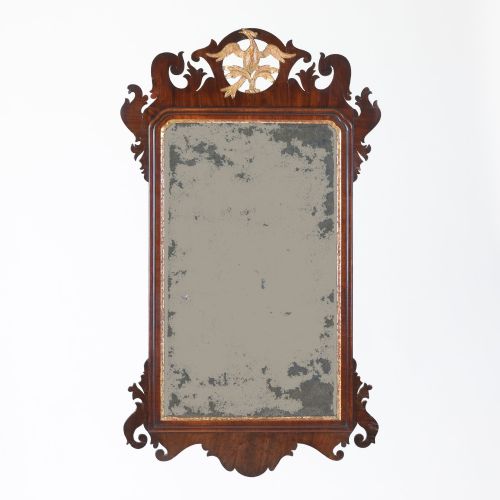
- Wood shaped using a fine-bladed saw to create openwork patterns. This technique defines many Georgian wall mirrors.
Framed Vanity Mirror: Frequently Asked Questions
How do I date an antique mirror?
Dating relies on examining the framing materials, construction techniques, and the characteristics of the glass plate itself. Hand-bevelled edges and secondary woods offer key clues.
Stylistic markers such as art nouveau floral motifs or georgian fret-cutting further help place a piece within its correct historical decade.
Where should I place a vanity mirror?
These mirrors suit dressing rooms, bedrooms, and reception hallways where they bounce natural light around the space. Freestanding versions sit easily on chests and dressing tables.
Wall-mounted variants function effectively above console tables or as decorative accents in smaller rooms.
Are these mirrors fragile?
While the combination of wood, metal, and glass requires careful handling, traditional construction ensures durability. Proper placement away from high-traffic zones protects the frame and glass.
Regular dusting with a dry cloth keeps the wood and metalwork in stable condition without risking moisture damage.