


Framed Stained Glass Window
A framed stained glass window brings shifting daylight and intense colour inside, transforming ordinary rooms with historical craftsmanship and pictorial scenes.
Framed Stained Glass Window
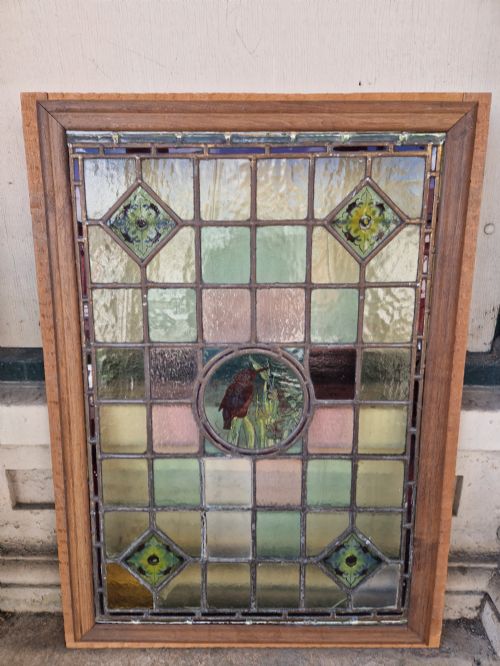
When you search for a framed stained glass window, you encounter architectural salvage and decorative panels dating from the nineteenth century through the 1930s. These pieces range from ecclesiastical arch top church windows with square or diamond panes to domestic panels featuring hand-painted countryside scenes, castles, knights in armour, birds, flowers, and ships.
The most common examples on this page span the Victorian and Edwardian periods, alongside pieces from 1900, 1910, 1920, and 1930. Stylistic influences include Gothic Revival, Art Nouveau, Arts and Crafts, Neo-Renaissance, and 1930s Dutch Folk Art.
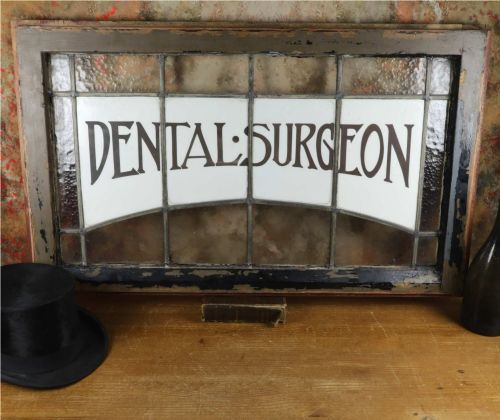
Many items incorporate specific imagery such as a Shakespeare emblem, dental surgeon signs, or religious motifs. They appear mounted in timber frames such as pine, or held by stone and iron architectural surrounds.
How they were made
These windows rely on pieces of coloured and clear glass joined together by lead cames to form intricate pictorial or geometric designs. Artisans frequently added hand-painted details, etching, and enamel work directly onto the glass surface before firing.
Specialist elements like amber bullseyes provide texture and catch the light differently from flat panes. The resulting leaded compositions sit within sturdy wooden frames made of timber or pine, or are supported by structural elements of stone and iron.
Listings feature items spanning the nineteenth century through the 1930s, utilising glass, lead, timber, pine, stone, and iron.
What varies in quality
Quality rests in the complexity of the artistic design and the fineness of the hand-painting, particularly in figurative works depicting knights, landscapes, or animals. The ambition of the composition, whether an ecclesiastical church window or a detailed domestic panel, defines the standard of the piece.
The integration of specialised glass elements, such as etched details and amber bullseyes, elevates the visual depth. Preservation of the original leadwork and the supporting timber frame also distinguishes finer examples.
The Framed Stained Glass Window Glossary
- Came
- A slender grooved strip of lead used to hold pieces of glass together in a window. These flexible strips form the structural grid of the design.
- Bullseye
- A circular patch of glass formed at the centre of a blown glass disk, showing a distinct thickening. They appear in panels to add rich texture and amber tones.
- Arch top
- A window design featuring a rounded or curved upper section. This form frequently appears in Victorian church windows.
- Architectural salvage
- Building elements rescued from structures slated for demolition or alteration. These components retain historical fabric for reuse in interior or exterior settings.
Framed Stained Glass Window: Frequently Asked Questions
How were framed stained glass windows originally used?
These windows served primarily in domestic homes, churches, and professional practices like dental surgeries. They provided privacy while allowing daylight to filter through decorative coloured and painted scenes.
Many examples functioned as interior transoms, exterior house windows, or feature church installations. Their pictorial designs often reflected the occupation, beliefs, or tastes of the original owners.
How do I hang a heavy framed window?
Given the weight of lead, glass, and timber frames, secure installation requires fixing directly into structural wall studs or masonry. Professional framing hooks and substantial chains distribute the load safely.
Positioning the panel in front of a light source, such as an interior wall opening or an existing window, ensures the glass receives proper illumination.
How do I tell Victorian from Edwardian windows?
Victorian windows often lean towards Gothic Revival or heavy ecclesiastical styles, including arch top church designs and formal religious or ship motifs. The craftsmanship emphasises structured layouts and deep colours.
Edwardian examples tend to embrace lighter aesthetic movements like Art Nouveau and Arts and Crafts. They frequently feature delicate natural motifs such as birds on branches and floral arrangements.
What is the difference between leaded and stained glass?
Stained glass refers broadly to glass that has been coloured during its manufacture by the addition of metallic oxides. It also encompasses glass panes painted with enamel and fired in a kiln.
Leaded glass specifically describes pieces of glass joined together by lead cames to form a pattern or picture. Many windows combine both techniques by using stained and painted glass assembled within a lead framework.