





Framed Silk Portrait
A framed silk portrait captures delicate textile artistry and likenesses across centuries, offering collectors subtle woven detail and historical depth.
Framed Silk Portrait
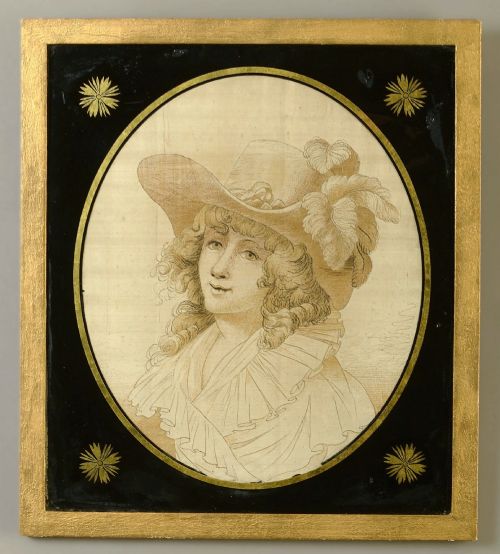
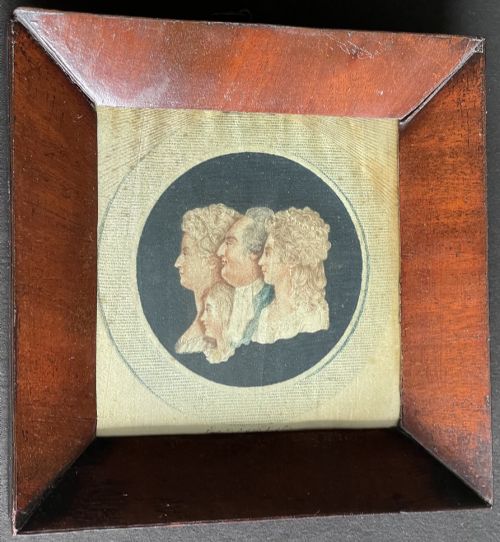
A framed silk portrait brings together fine textile work and portraiture, often depicting subjects in period dress from the eighteenth and nineteenth centuries. These pieces encompass woven silk depictions, embroidered silkwork pictures, and paintings directly on silk fabric.
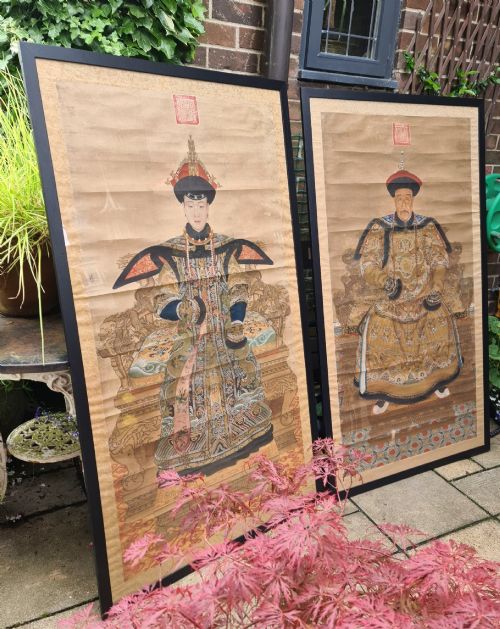
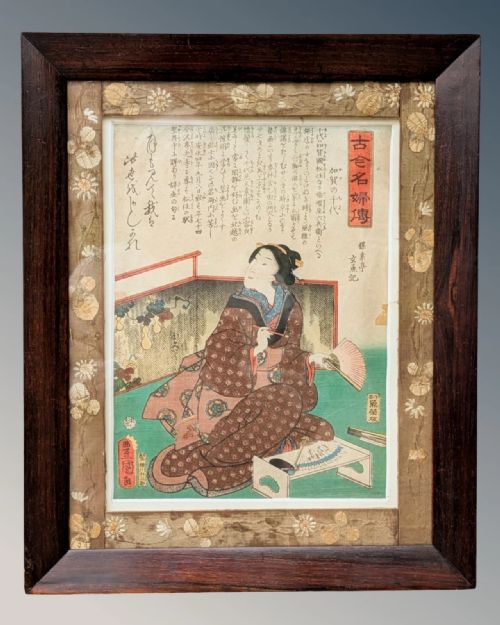
Buyers most frequently encounter eighteenth-century and nineteenth-century examples alongside Chinese ancestor paintings and Japanese works on silk. The grouping spans Georgian, Edwardian, and Regency eras, frequently preserved behind protective glass within wooden or gilded frames.
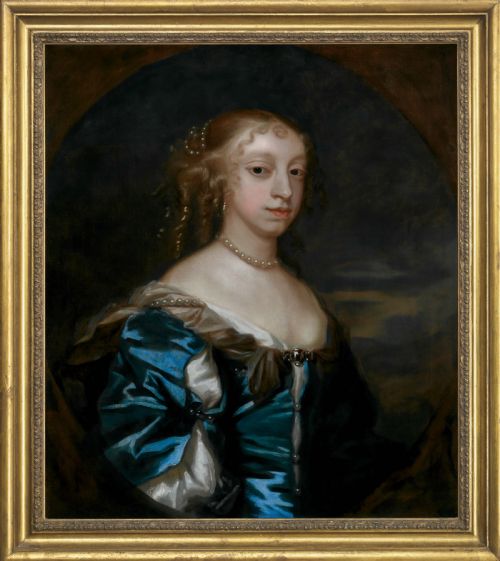
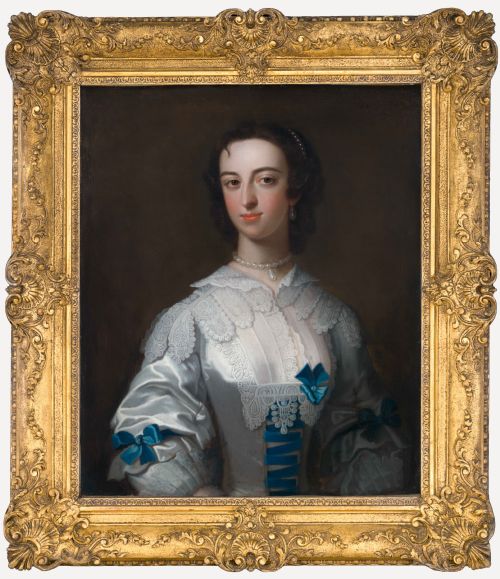
The subjects range from fashionable European ladies in detailed silk gowns to Asian ancestral figures and theatrical scenes. Each piece merges portraiture traditions with textile craftsmanship, housed in mounts that range from simple wood to ornate ormolu.
Materials and construction
Makers utilised silk as the primary ground or medium, combining pigment, ink, and thread to build the image. Woven panels, embroidered silkwork, and painted silk surfaces demonstrate the versatility of the material.
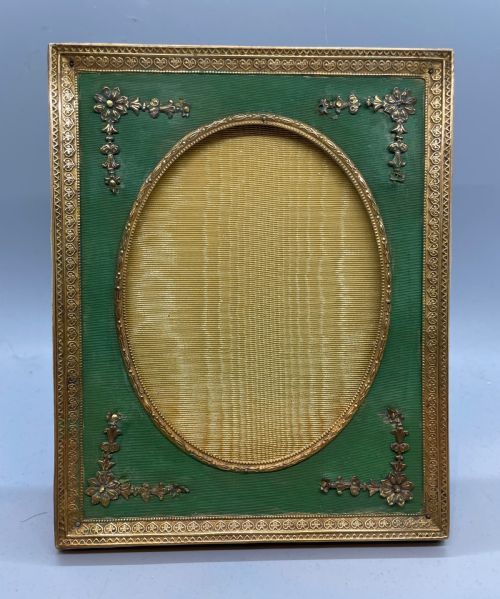
Framing materials include wood, giltwood, rosewood, and ormolu, often paired with glass and silk brocade mounts to protect the fragile textile beneath. Water-gilded oval frames and ornate metal surrounds provide structural support while enhancing the visual presentation.
Framed Silk Portrait Retail Price Guide 2026
Typical asking prices for framed silk portrait among the pieces listed under this phrase on Sellingantiques today, from the lower quarter to the upper quarter. They describe what is for sale here now, not the wider market.
Listings feature periods spanning from the seventeenth century through the Edwardian era, incorporating materials such as silk, ormolu, and giltwood.
Distinctions in quality
Quality rests upon the precision of the needlework or the finesse of the painted brushstrokes upon the silk ground. Finer examples display meticulous facial detailing and vibrant, well-preserved pigment or thread colour.
The integrity of the original frame and mount elevates a piece, particularly when employing materials like ormolu, rosewood, or water-gilded wood. Superior works retain their structural stability and protective glass, keeping the delicate textile undisturbed over centuries.
Henry Pickering·Charles Jervas·Thomas Murray·Sir Peter Lely·Hans Hysing
The Framed Silk Portrait Glossary
- Silkwork
- Embroidery or needlework executed in silk thread on a fabric ground. These pictures often employ various stitches to create texture and depth in costume and foliage.
- Ormolu
- Gilded bronze or brass used extensively for decorative photograph frames and mounts. It adds a heavy, lustrous metallic border to textile works.
- Giltwood
- Wood carved and coated with gold leaf or gilt composition. This finish is typical of traditional frames housing fine portraits.
- Brocade
- A class of richly decorative shuttle-woven fabrics, often featuring raised patterns. It frequently appears as a mounting material for Asian prints and paintings.
- Water-gilding
- A traditional gilding technique using water-based size to adhere gold leaf to a gesso ground. This method allows the gold to be burnished to a high shine.
Framed Silk Portrait: Frequently Asked Questions
How are silk portraits cleaned?
Cleaning fragile textiles requires specialist conservation rather than domestic intervention. Dust and debris behind the glass should generally be left untouched by amateurs to avoid tearing the fabric.
Professional conservators handle the removal of backing boards and glass when environmental contaminants threaten the integrity of the silk.
Why are some portraits on silk?
Silk provided a smooth, lustrous ground that lent a natural sheen to painted skin tones and elaborate garments. Artists utilised the fabric's unique texture to catch light differently than traditional canvas or paper.
In Asian traditions, silk served as a standard medium for ancestral and court painting due to its durability and absorbent qualities.
How do I date a framed silk portrait?
Dating relies heavily on the style of the subject's costume, the framing materials, and the mounting technique. Eighteenth-century pieces often feature distinct neoclassical or Georgian dress paired with matching period timber frames.
Later nineteenth-century and Edwardian examples introduce materials like ormolu and different framing profiles, alongside distinct shifts in artistic execution.
Where should I hang silk portraits?
These works demand placement away from direct sunlight and high humidity to prevent the silk from fading or degrading. Controlled indoor environments help preserve both the textile and the surrounding wooden or gilded frame.
Stable wall spaces without major temperature fluctuations ensure the portrait remains secure behind its protective glass.