




Framed Silk Needlepoint
Framed silk needlepoint brings together centuries of meticulous textile art, offering a window into domestic needlework, pastoral scenes and detailed map samplers.
Framed Silk Needlepoint
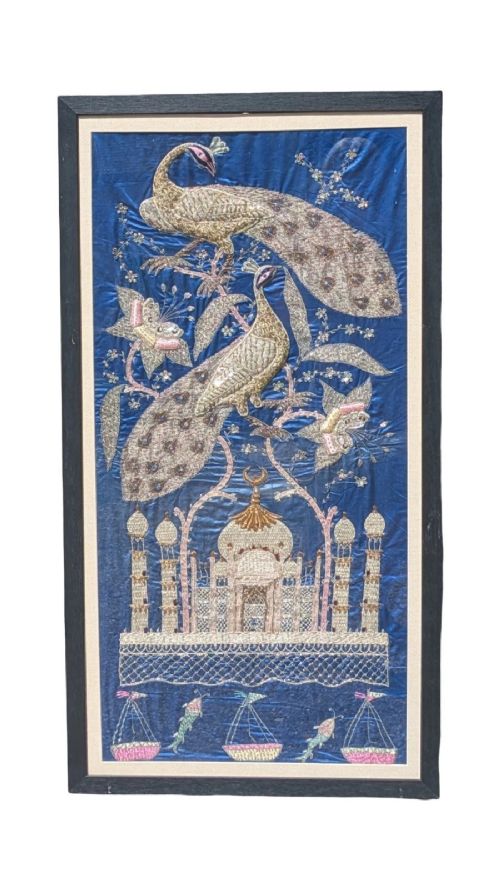
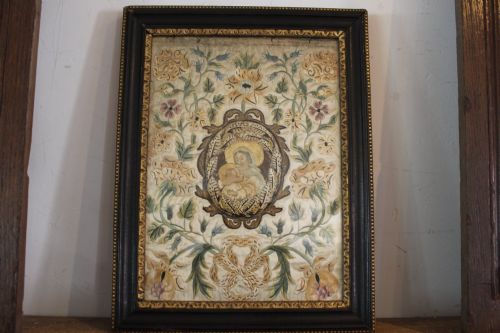
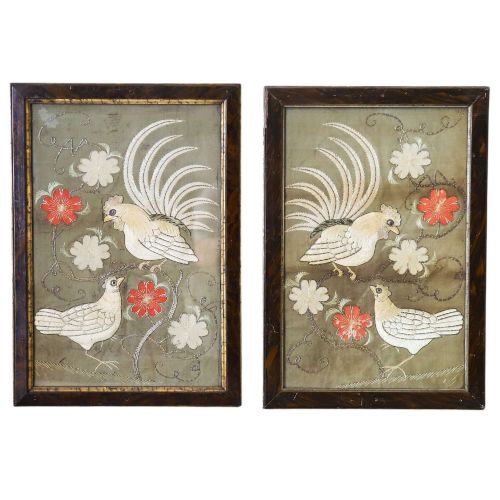
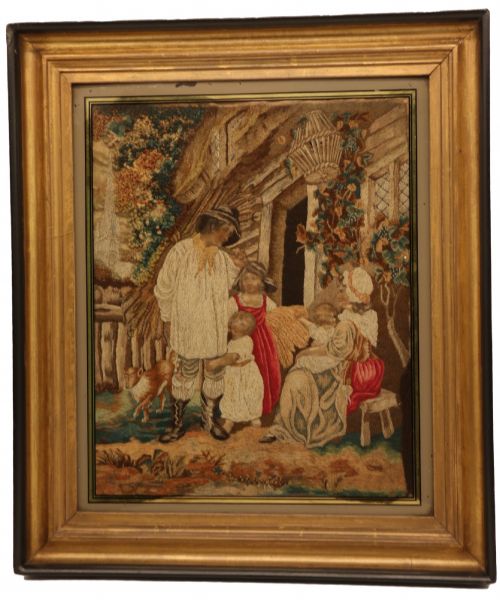
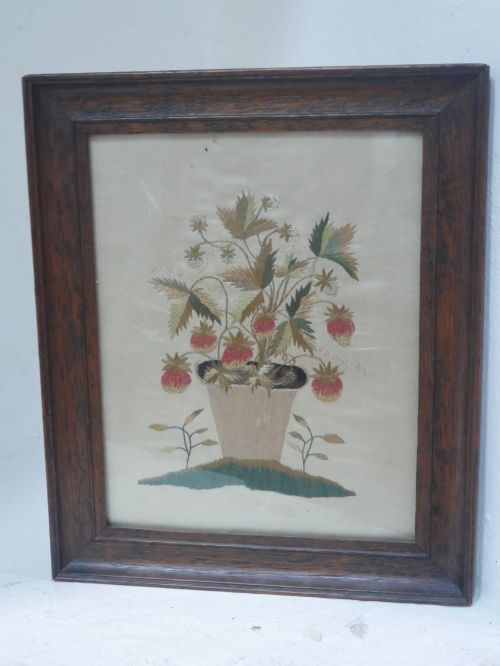
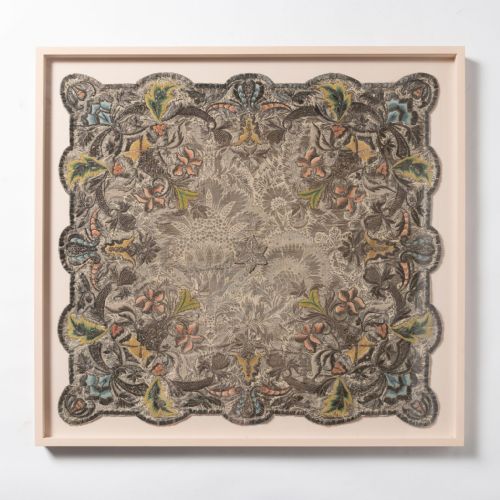
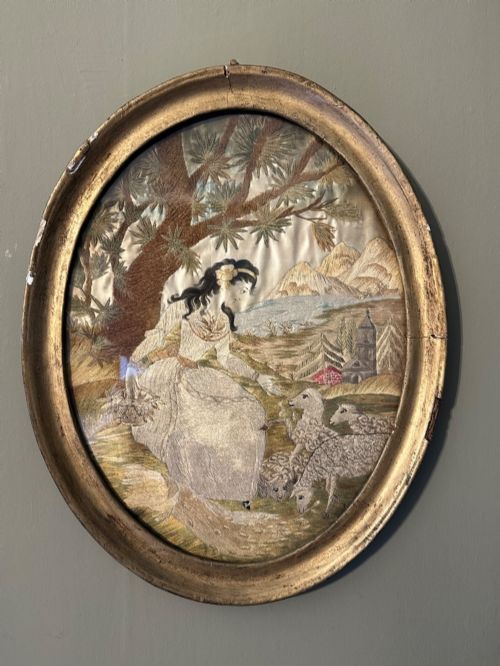
When searching for framed silk needlepoint, buyers encounter textile art spanning the seventeenth through the early twentieth centuries, encompassing diverse global origins from England and France to China and India. The selection includes needlework samplers, pictorial pastoral scenes, maps, and detailed depictions of birds, architecture, and horse racing tracks.
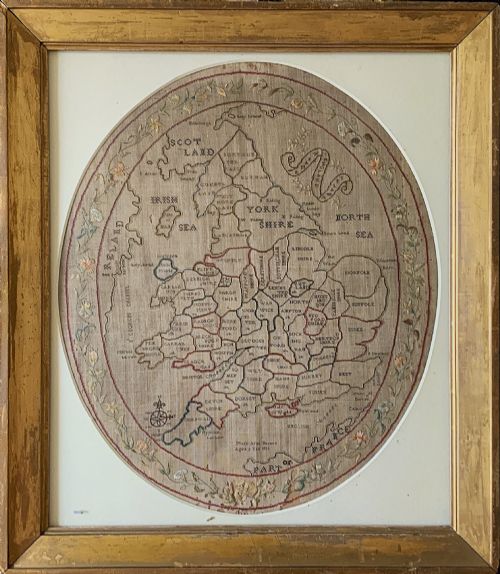
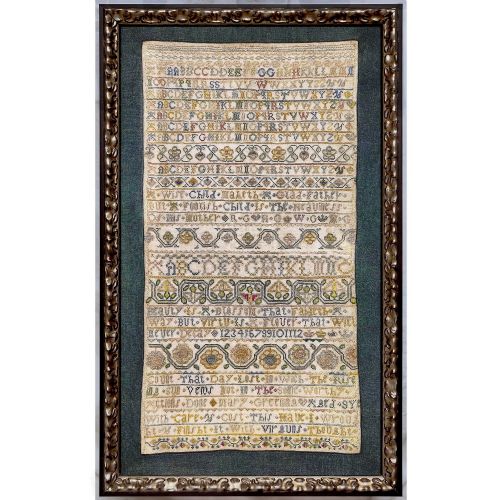
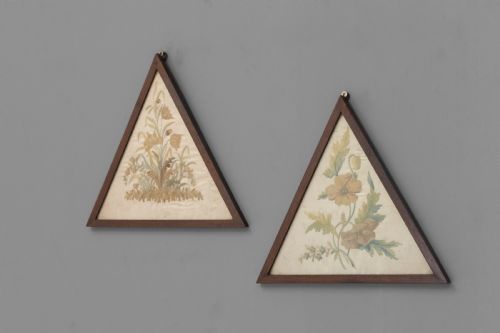
English and European examples from the Georgian and Regency periods frequently appear alongside seventeenth-century Stuart works and later Victorian panels. These pieces take various forms, from educational map samplers worked by young girls to sophisticated hand-painted silk pictures embellished with fine threadwork.
Materials and construction
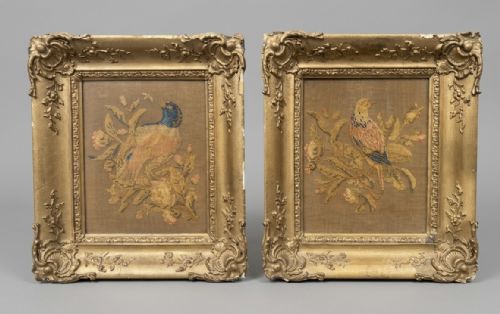
Makers utilised fine silk thread, wool, and metal thread stitched onto linen or silk grounds, often combining needlework with hand-painted watercolours. Silk floss provides the lustrous detail seen in pictorial panels, while crewel work and long stitch techniques define the texture of foliage, animals, and garments.
Original framing is integral to these pieces, utilising wood, giltwood, gold leaf, faux tortoiseshell, and specialised glass surrounds such as verre églomisé. The combination of delicate textiles and protective glass housing has ensured the survival of these intricate works across multiple centuries.
Listings feature examples spanning from the seventeenth century through to the 1930s, utilising silk, wool, linen, and metal thread.
Qualities that distinguish the range
The distinction between standard decorative panels and exceptional works rests on the complexity of the stitchwork, the precision of the design, and the survival of the original ground. Pictorial works depicting detailed narratives, architectural landmarks, or cartographic accuracy command attention for their technical ambition.
The preservation of the silk thread's lustre and the integrity of the original frame, whether giltwood or verre églomisé, significantly influence the character of each piece. Greater artistic expression in the rendering of subjects like birds, garden scenes, or pastoral farming elevates the standing of an individual textile.
Mary Banion·Mary Greening·Louiss Elkins·Elizabeth Horn·Mary Mason·Martha Hall
The Framed Silk Needlepoint Glossary
- Sampler
- A piece of needlework produced as a demonstration or test of skill in various stitches, often featuring alphabets, numerals, and motifs. Map samplers specifically incorporate geographical instruction.
- Verre églomisé
- A process of applying gold or silver leaf to glass combined with engraving and painting, frequently used for decorative borders on frames. This technique adds a reflective, dark perimeter that frames the textile artwork.
- Crewel work
- Embroidery executed using wool yarn on a heavy linen or cotton twill fabric. It allows for textured, tactile depictions of flora and fauna.
- Long stitch
- An embroidery technique where stitches are worked in parallel or varied lengths to fill a design area efficiently. It creates smooth gradations of colour in pictorial silk works.
- Metal thread
- Flat or twisted strips of gilt or silvered metal used alongside silk floss to add reflective highlights to ecclesiastical or decorative embroidery.
Framed Silk Needlepoint: Frequently Asked Questions
How do I date a framed silk needlepoint?
Dating relies heavily on stylistic markers, framing methods, and occasionally direct inscriptions left by the maker. Samplers frequently include the name and age of the maker alongside a specific year, providing a clear point of origin.
Broader stylistic clues, such as Georgian cartography styles, Regency framing techniques, or seventeenth-century Stuart motifs, help place unsigned panels into their correct historical context.
Were all needlepoint pieces made by children?
While schoolgirls produced many surviving samplers as part of their domestic education, professional and adult embroiderers created intricate pictorial panels. Map samplers and basic alphabet works were standard educational exercises for young girls.
In contrast, elaborate pastoral scenes, Chinese export embroideries, and large architectural or sporting pictures were the work of skilled adult artisans.
How should I care for antique silk needlework?
Antique silk textiles require protection from direct sunlight and high humidity to prevent the fragile silk threads from degrading and fading. Keeping pieces behind their protective glass glazing prevents dust accumulation and physical disturbance of the fibres.
Stable indoor environments with minimal temperature fluctuations ensure the preservation of both the textile ground and the historic wooden or gilt frames.
What is the difference between needlepoint and embroidery?
Needlepoint is a specific type of embroidery stitched through a stiff open-weave canvas grid, covering the entire background. General embroidery encompasses a wider variety of stitches applied to a taut fabric ground, such as linen or silk.
Many historic framed silk works combine flat silk stitches, long stitch, and painted elements rather than strict canvas needlepoint.