


Cream Silk Embroidered Panel
These cream silk embroidered panel examples bring needlework pictures, wall hangings and Suzanis together into rich, textured displays for your interior walls.
Cream Silk Embroidered Panel
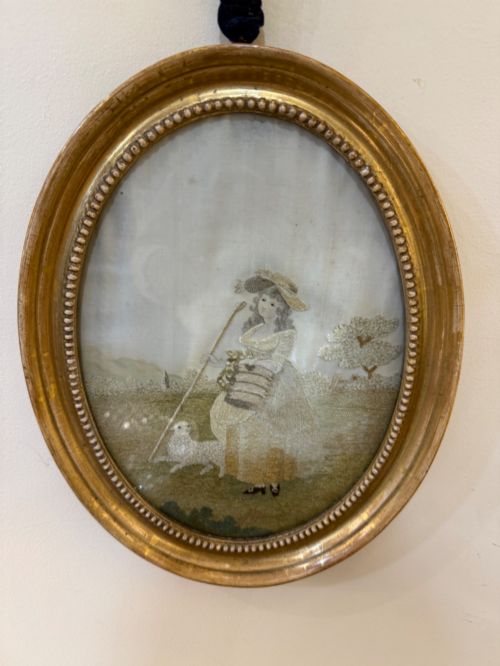
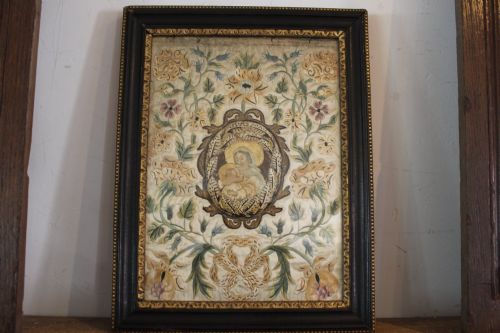
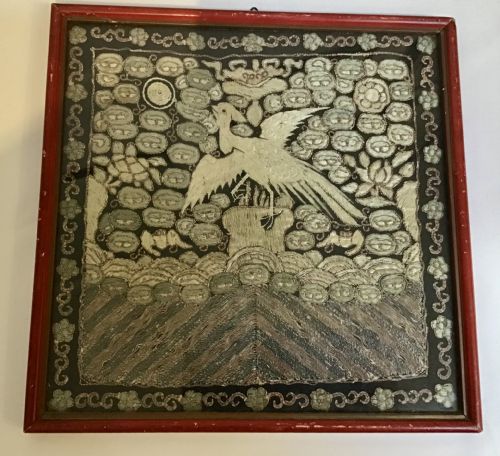
A cream silk embroidered panel brings together historic needlework pictures, framed wall art, and textile art spanning multiple centuries and regions. When you search for a cream silk embroidered panel, you encounter works ranging from Central Asian Suzanis and Ottoman textiles to English samplers and Chinese rank badges.
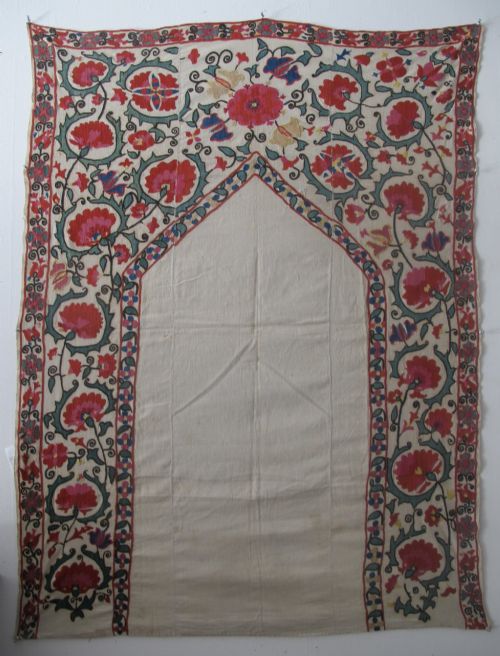
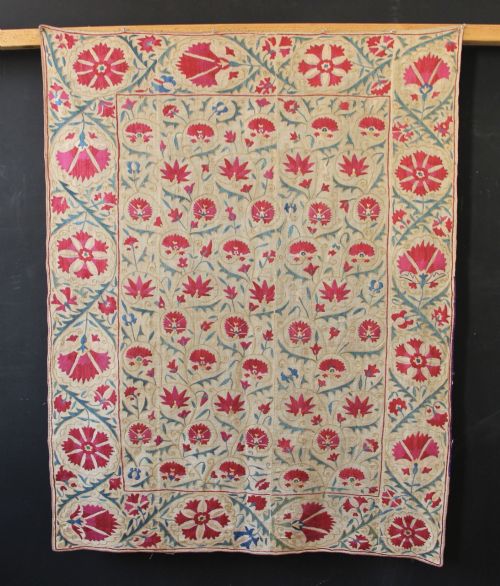
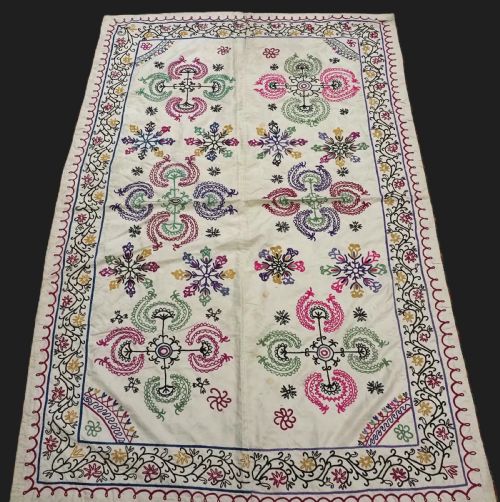
The most common version met on this page is the Central Asian Suzani originating from Uzbekistan, particularly regions such as Bokhara, Samarkand, and Nurata. These pieces frequently feature intricate needlework on silk or cotton grounds, often framed as wall hangings or textiles and tapestries.
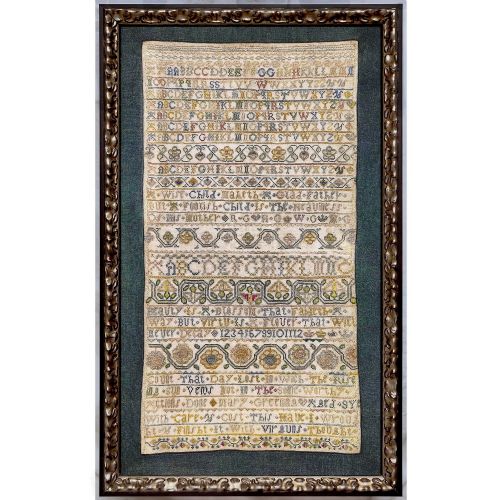
Other notable variations include Georgian needlework samplers, Greek Island embroidery from Skyros, Persian Zoroastrian embroidery, and Japanese silk textiles. Each type reflects the specific regional traditions and domestic needle arts of its period, from the seventeenth century through to the early twentieth century.
Materials and Construction
The foundation of these works relies upon natural textiles, predominantly silk and cotton grounds, occasionally supported by linen. Artisans stitched intricate designs directly onto these fabrics utilising specialised silk thread and metallic thread.
Many of these panels integrate additional visual elements, incorporating glass beads, wood mounts, and giltwood frames to present the textiles securely as wall art. The needlework itself ranges from fine count cross-stitch on samplers to flowing tambour and surface embroidery on large Central Asian wall hangings.
Listings feature periods spanning from the 17th century through Georgian and Qing Dynasty eras up to the early 20th century.
Distinctions in Quality
The distinction between standard examples and the finest pieces rests upon the density of the needlework and the complexity of the design. Master embroiderers executed intricate motifs with precise tension, creating uniform stitches that retain their structural integrity across large expanses of fabric.
Condition and preservation also determine the standing of a panel, particularly concerning the survival of fragile silk threads and the original ground fabric. Pieces retaining rich metallic elements and vibrant original dyes present greater visual depth than those with extensive fading or historic repairs.
Iida Takashimaya Company
The Cream Silk Embroidered Panel Glossary
- Suzani
- A large, embroidered tribal hanging from Central Asia, traditionally worked in silk on a cotton or linen foundation as part of a bride's dowry. These pieces frequently display bold floral and architectural motifs.
- Sampler
- A piece of needlework worked to demonstrate and practice various embroidery stitches, often including alphabets, numerals, and moral verses. Historic examples frequently bear the maker's name and a date.
- Rank Badge
- A square embroidered patch worn on the robes of Qing Dynasty officials to denote their civil or military rank. They are frequently mounted and framed as decorative textile art.
- Nim-Suzani
- A half-sized Suzani panel, typically smaller in dimension than standard bed or wall hangings while sharing the same traditional embroidery techniques and regional motifs.
- Tambour work
- A chain stitch embroidery technique executed by stretching fabric over a frame and using a fine hooked needle to feed the thread from beneath. This method allows for rapid and flowing curvilinear designs.
Cream Silk Embroidered Panel: Frequently Asked Questions
What is a Suzani?
A Suzani is a traditional embroidered wall hanging originating from Central Asia, particularly Uzbekistan. Artisans worked these pieces in silk thread on cotton or silk foundations.
Historically, families created them as part of a bride's dowry. They feature large-scale floral, trellis, and medallion designs.
How should I hang a textile panel?
Mounting a textile behind glass within a wooden or giltwood frame protects the delicate silk threads from dust and atmospheric damage. Professional framers use conservation-grade methods that avoid gluing or piercing the fabric directly.
Keep framed panels away from direct sunlight to prevent the natural silk dyes from fading over time.
How do I date an antique embroidery?
Dating relies on examining the materials, dyes, stitching techniques, and any inscribed dates or maker signatures. Early samplers often include the stitched name of the maker and the year of completion.
Comparing the stylistic motifs, such as Georgian needlework patterns or Qing Dynasty rank badge designs, against documented historical examples provides further chronological context.
Were these panels always used as wall art?
Many Central Asian Suzanis served functional roles in nomadic and sedentary households as wall hangings, bed covers, or wrapping cloths for household goods. Over time, their decorative qualities led collectors to mount and frame them specifically as wall art.
English samplers and Chinese rank badges, conversely, were created specifically as display pieces or marks of official status.