
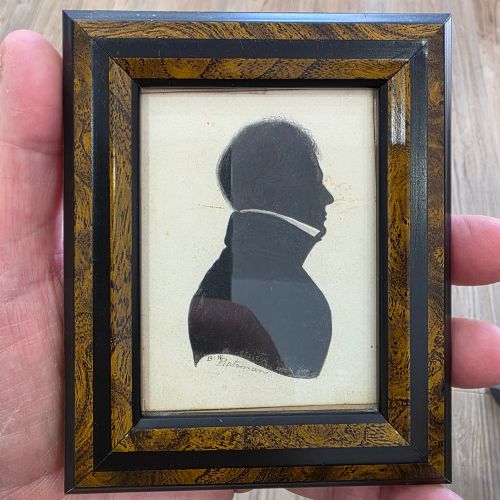
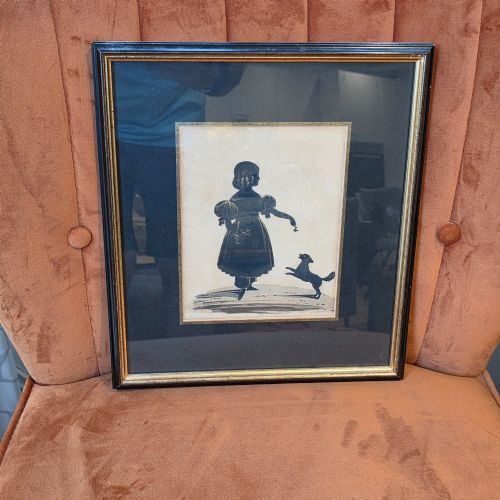
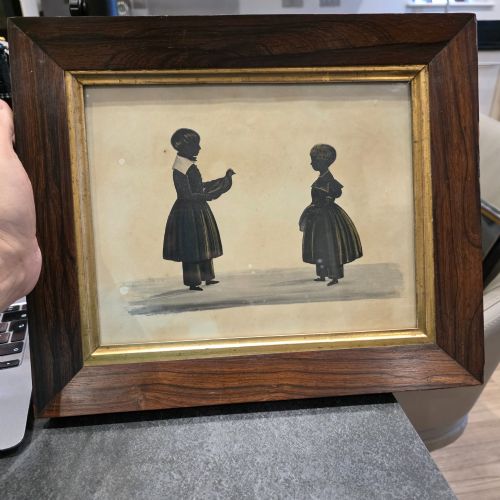
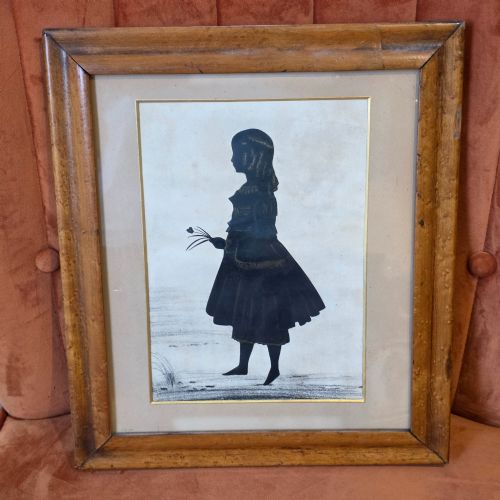

Framed Silhouette Art
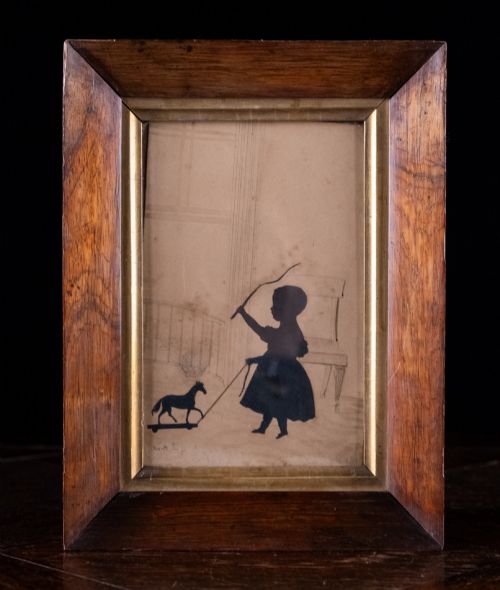
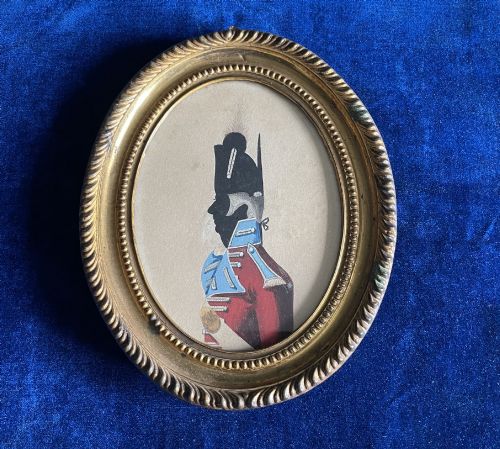
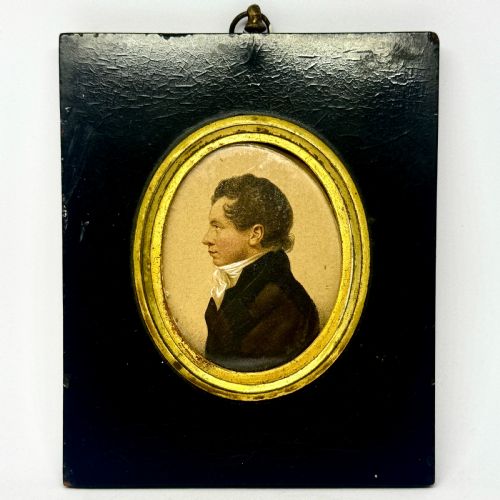
Framed silhouette art captures the sharp profile of an ancestor or notable figure, bringing intimate nineteenth-century character to a wall.
Framed Silhouette Art
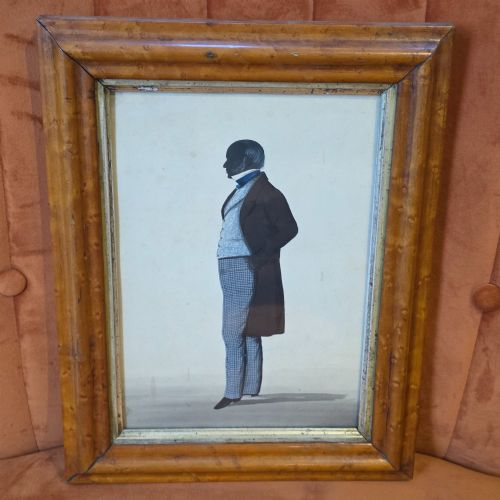
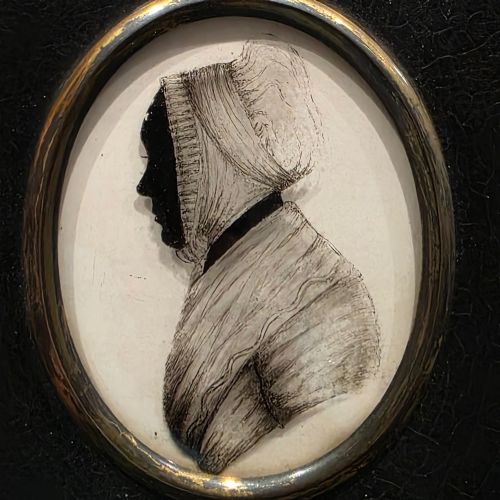
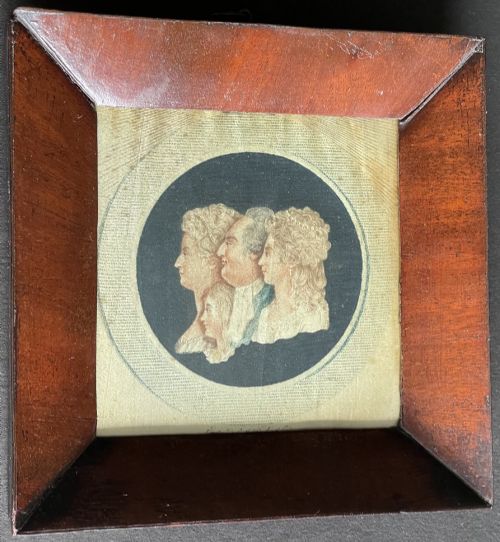
When you search for framed silhouette art, you encounter profile portraits created from cut paper, ink, or paint against contrasting backgrounds. The selection on this page centres heavily on nineteenth-century examples, spanning Georgian, Regency, and Victorian periods.
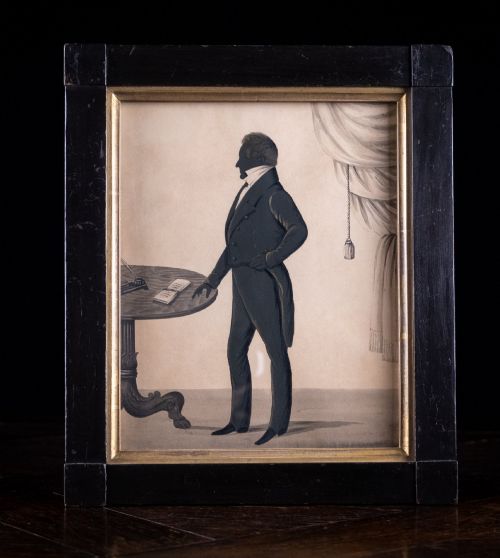
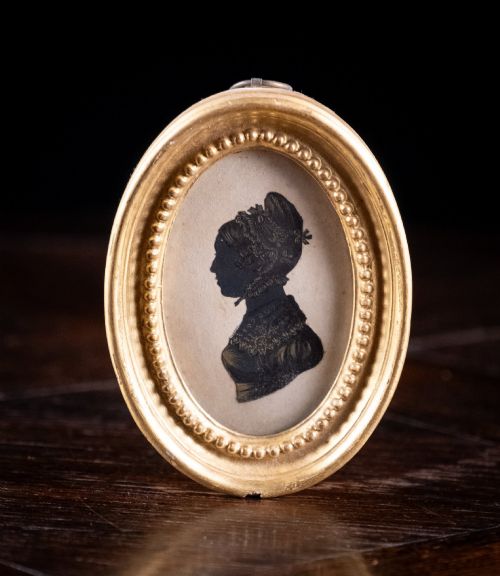
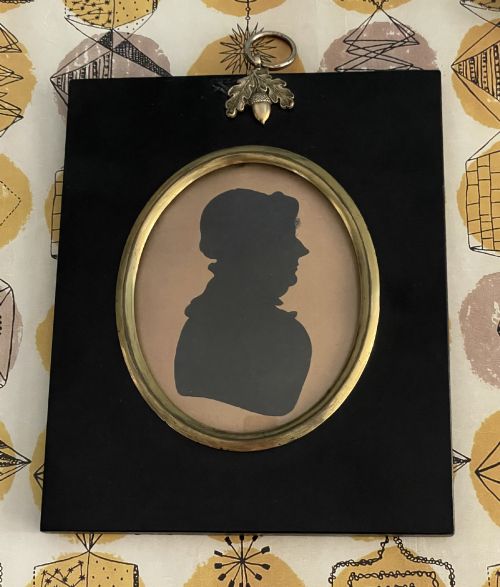
Most pieces take the form of wall art or miniature portraits, often presented in ebonised wood or rosewood frames. Subjects range from gentlemen in tailcoats and ladies in turban caps to children and animals.
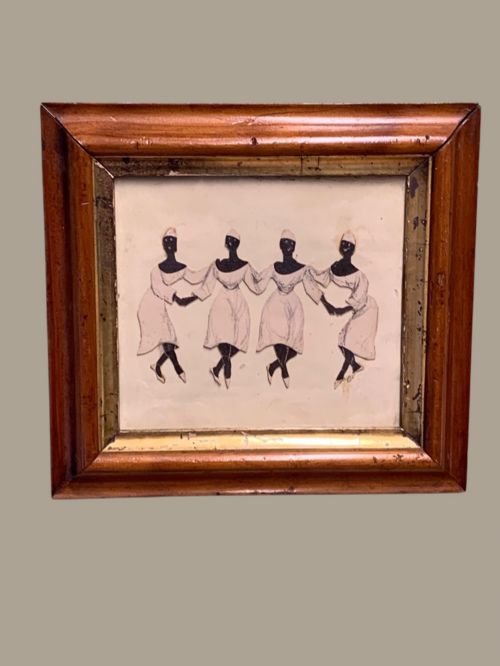
The assortment includes works attributed to prominent profile-cutters as well as unsigned studio pieces. You will find full-length figures, conversation pieces, and reverse-painted glass examples among the listings.
Materials and construction
Maker's workshops employed fine paper, black ink, and watercolour, often augmented with gold leaf highlights to define clothing details and jewellery. Some profile artists worked directly on plaster or glass.
Frames rely on dense timbers like ebonised wood, mahogany, and rosewood, sometimes fitted with brass bezels or hangers. Glass protects the delicate paper cuttings and painted surfaces from atmospheric moisture and dust.
Listings feature paper, glass, plaster, and watercolour mediums housed within ebonised wood, rosewood, and brass-mounted frames from the Georgian and Victorian eras.
Evaluating silhouette quality
Quality rests upon the precision of the cutting or brushwork, where master profileists captured likeness and posture with minimal lines. Finer examples display meticulous attention to lace, hair texture, and costume details enhanced by delicate bronzing.
The integrity of the original framing and the preservation of the paper or painted surface determine the standing of a piece. Signed works and those retaining period trade labels on the reverse command greater interest from collectors.
Bateman·William James Hubard·Frith·George Atkinson·Augustin Edouart·John Miers·John Smith of Edinburgh·J. Deacon
The Framed Silhouette Art Glossary
- Silhouette
- A portrait represented as a solid shape of a single colour, usually black, showing a profile view. The name derives from Étienne de Silhouette, an eighteenth-century French finance minister.
- Ebonised wood
- Timber stained or treated to resemble heavy, black ebony. This dark finish provides a stark, contrasting border that makes the pale background of a profile pop.
- Reverse painting on glass
- A technique where an image is applied directly to the back of a glass panel and viewed from the front. This method imparts a glossy, luminous depth to the finished portrait.
- Conversation piece
- An informal group portrait depicting subjects engaged in a common activity. In profile art, these multi-figure compositions record domestic scenes and social gatherings.
Framed Silhouette Art: Frequently Asked Questions
How do I date an antique silhouette?
Clothing styles, hairstyles, and headdresses offer the most reliable clues for dating. Gentlemen's high neckcloths and ladies' Regency turbans or Victorian bonnets anchor pieces to specific decades.
Frame construction and backing papers also provide chronological markers. Old trade labels pasted to the reverse can confirm a maker's active studio years.
Were silhouettes painted or cut?
Artists used both methods depending on their training and preference. Some profiles were hand-cut from black paper using scissors or small knives, then mounted on card.
Others were painted directly onto card, plaster, or the reverse of glass using black ink and watercolours. Gilded highlights were frequently added to painted and cut works alike.
How should I hang silhouette art?
Keep these pieces away from direct sunlight to prevent the paper backgrounds from fading and the dark pigments from degrading. Stable indoor humidity protects the delicate organic materials within the frame.
Group several smaller portraits together on a wall to recreate nineteenth-century display aesthetics. Ensure hanging wires and wall fixings match the weight of the dense wooden frames.
What is a hollow-cut silhouette?
A hollow-cut silhouette involves snipping the profile shape out of a piece of white paper, leaving a void. This cut sheet was then placed over a dark backing fabric so the subject appeared in pale relief.
This technique allowed artists to produce uniform profile portraits quickly. Signature details were sometimes written in ink beneath the cut-out window.