
Framed Sepia Print
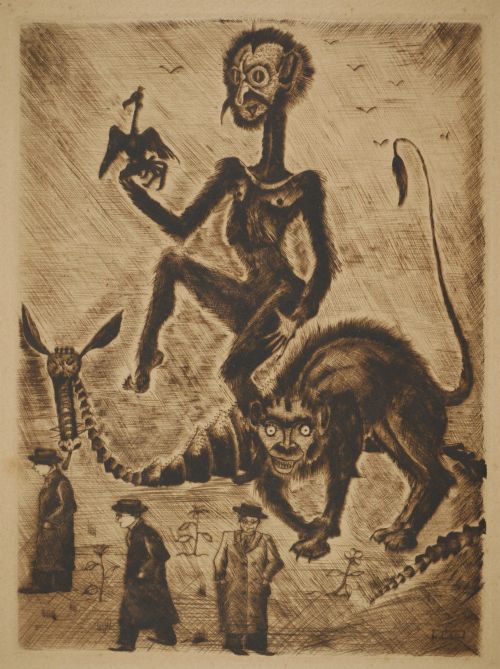
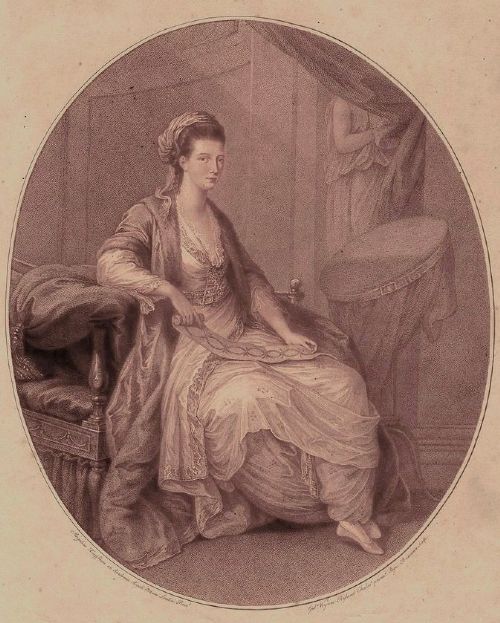
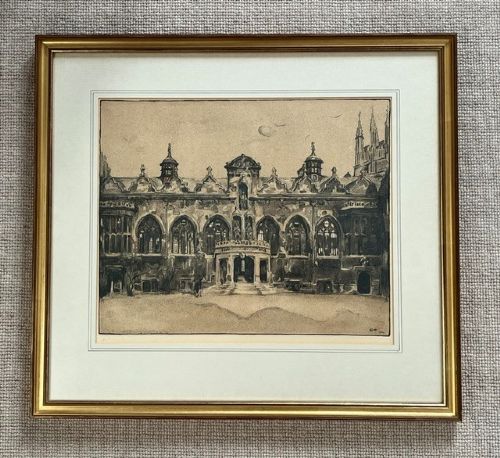
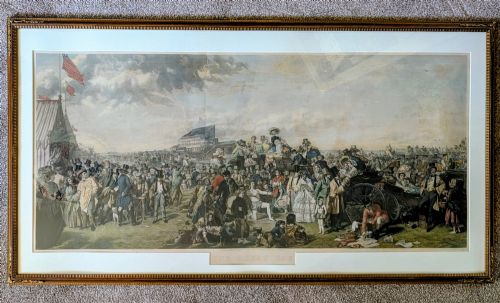
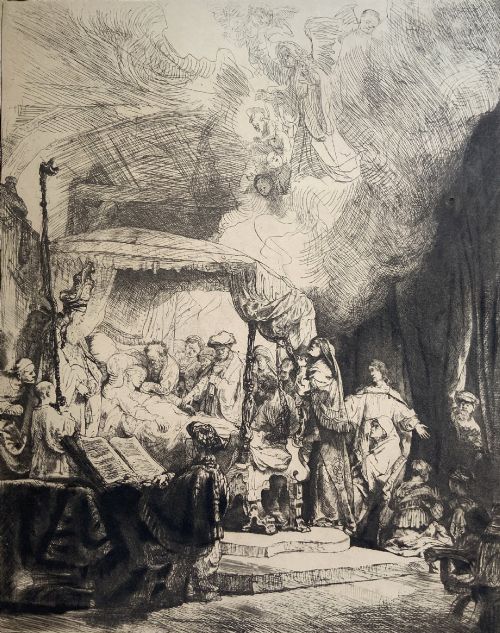
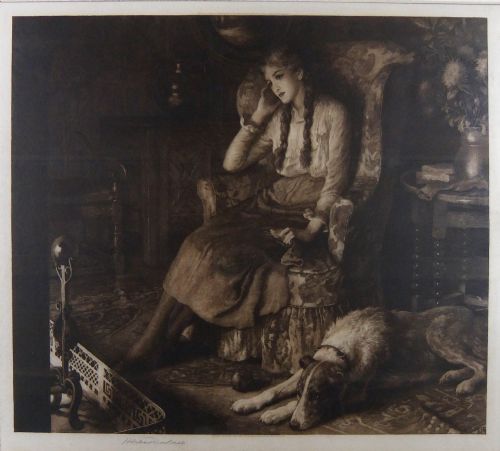
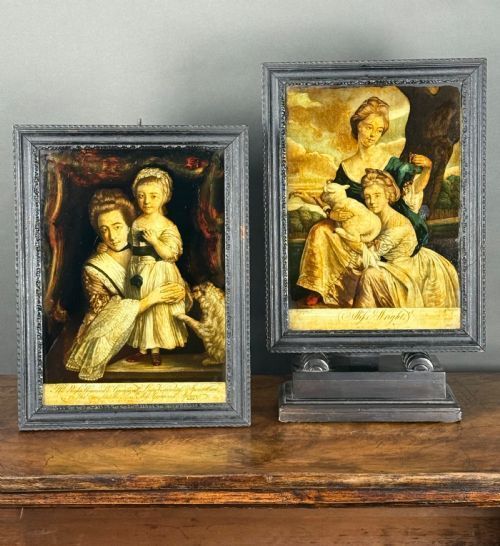
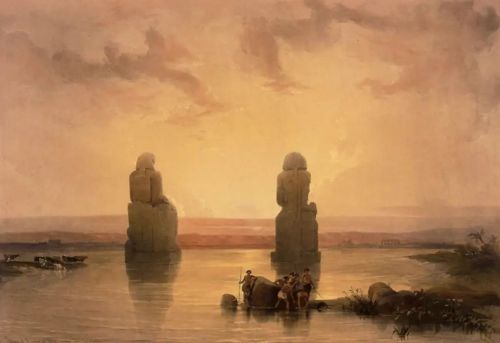
These framed sepia print examples bring monochrome depth and historical character to walls through works executed on paper.
Framed Sepia Print
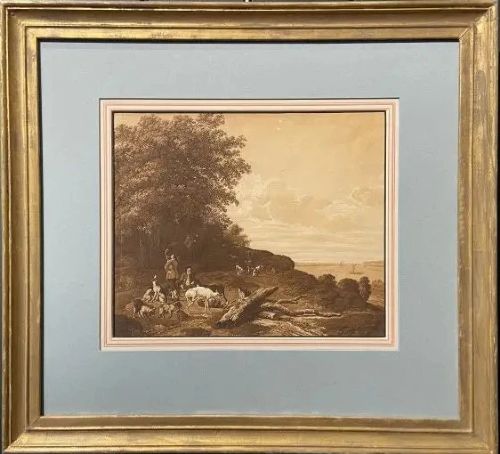
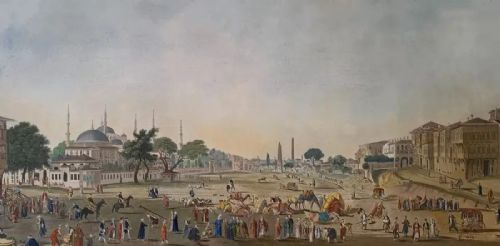
A framed sepia print encompasses historical works on paper captured in monochrome brown tones, including 18th century engravings, 19th century etchings, and early twentieth century photographs. Buyers searching for a framed sepia print will encounter subjects ranging from portraits and architectural plans to sporting scenes and topographical views.
The selections span periods from the Georgian era through Victorian and Edwardian times up to the 1930s, reflecting diverse techniques such as stipple engraving, mezzotint, and lithography. Most options present historical subjects enclosed in period wood or gilt frames protected by glass.
Materials and Technique
Works are executed on paper using ink and photographic media, capturing fine lines through etching, engraving, and lithographic processes. These are mounted behind glass within timber surrounds such as oak, giltwood, or frames finished with gold leaf.
An 18th century racehorse named Creeping Molly rubs shoulders here with a bull bitch named Lucy.
Quality and Execution
Quality rests upon the crispness of the impression transferred onto the paper and the fidelity of the tonal gradation across the monochrome palette. The alignment between the period of the artwork and its original housing elevates the integrity of the piece.
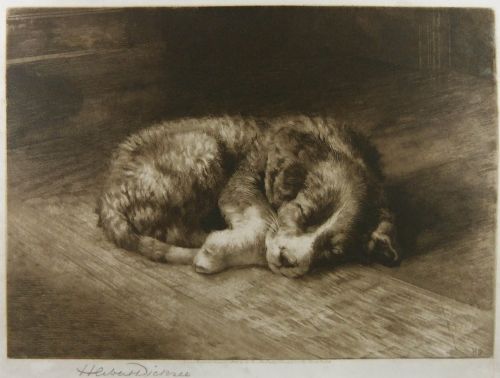
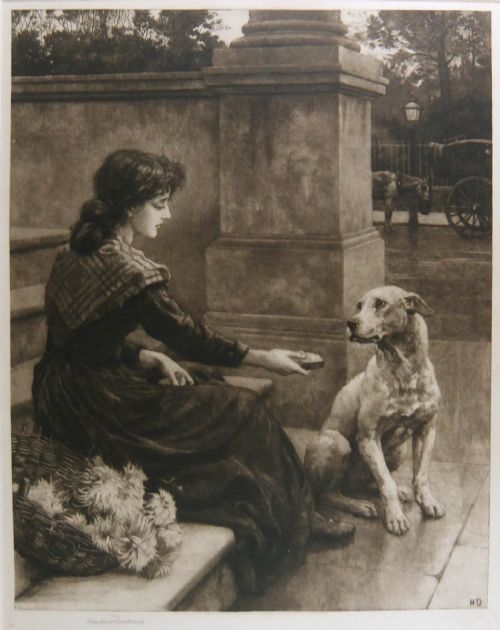
Herbert Dicksee·Sir William Nicholson·David Roberts·Louis Icart
The Framed Sepia Print Glossary
- Etching
- A printmaking technique where lines are incised into a metal plate with acid before ink is applied and transferred to paper. This method allows for fine, painterly detail.
- Engraving
- A process of cutting designs directly into a hard plate using a burin to hold ink for printing. It produces crisp, precise lines.
- Mezzotint
- A printmaking method in which the printing plate is roughened to achieve rich tonal variations and dark backgrounds. It is particularly suited to portraits.
- Lithography
- A planographic printing process based on the repulsion of oil and water on a flat stone or metal plate. It captures the fluid character of original drawings.
- Stipple engraving
- A technique using dots of varying density to create tonal gradients and subtle shading. It was frequently deployed for portraits.
Framed Sepia Print: Frequently Asked Questions
What periods do these pieces date from?
The pieces span the 18th, 19th, and early 20th centuries, covering Georgian, Victorian, and Edwardian eras.
Items range from 1750s engravings to 1930s photographic prints and etchings.
How should I hang them at home?
Keep works away from direct sunlight to protect the paper and ink from fading over time.
Ensure wall fixings suit the weight of the wood and glass frames.
Are the frames original to the pieces?
Many listings specify period frames such as original oak or giltwood structures matching the era of the artwork.
Matching frames preserve the historical context of the paper work inside.
What subjects are typically shown?
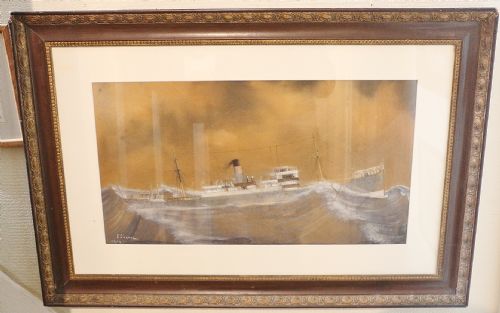
Subjects include historical portraits, naval scenes, architectural plans, topographical views, and animal studies.
Works record cultural interests from past centuries through diverse artistic media.