

Framed Portrait of Child
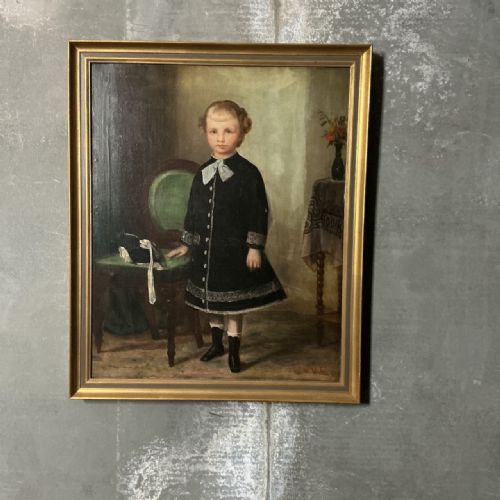
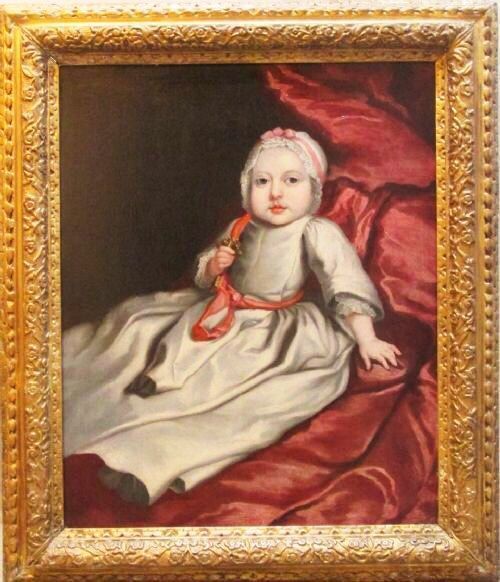
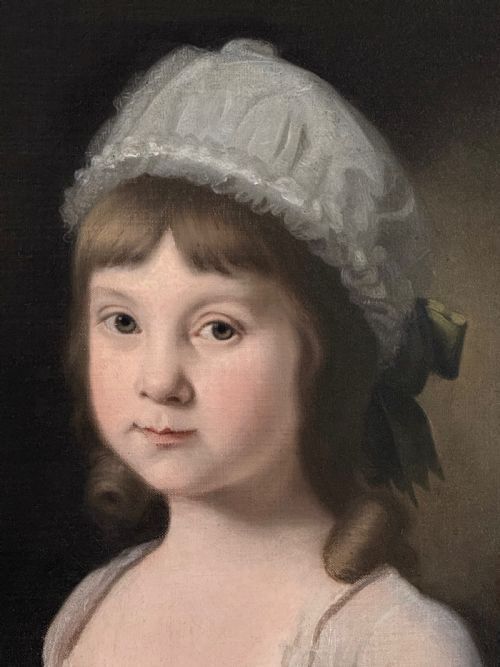
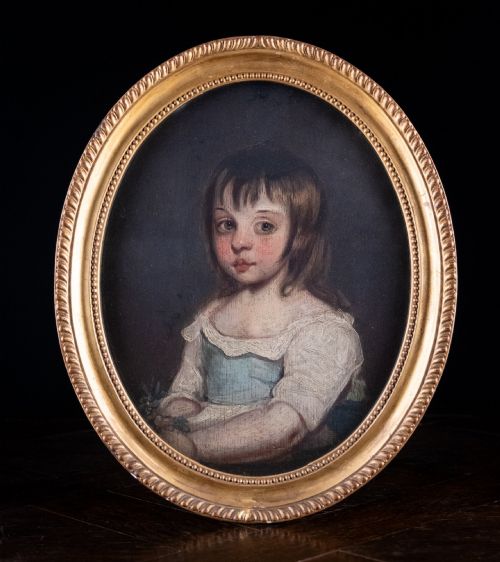
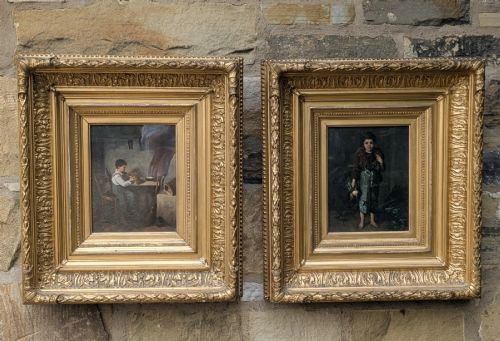
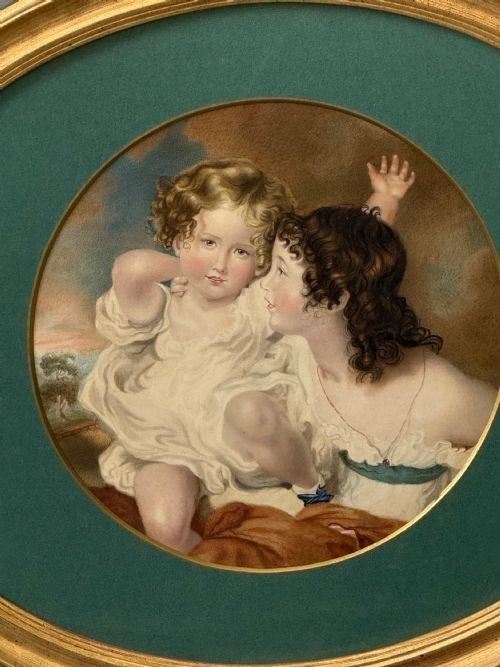
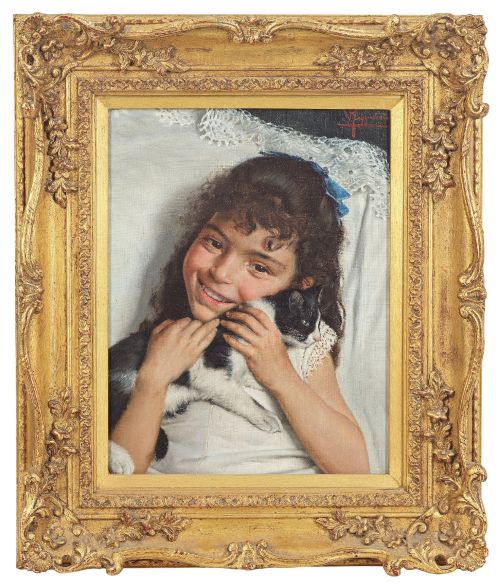
A framed portrait of child captures youthful innocence, featuring Victorian oils, Georgian watercolours and delicate silhouettes ready to hang.
Framed Portrait of Child
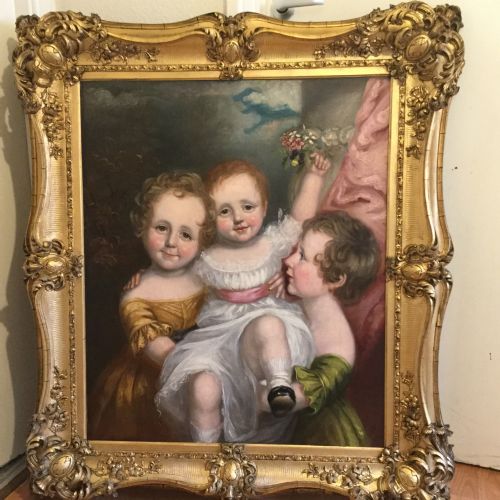
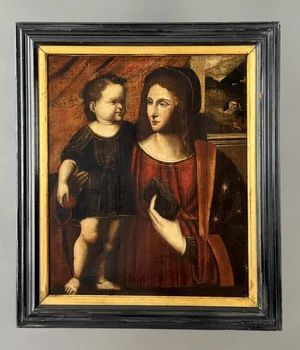
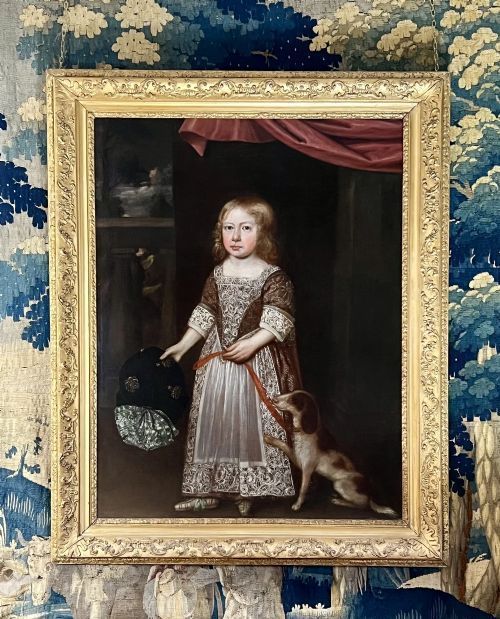
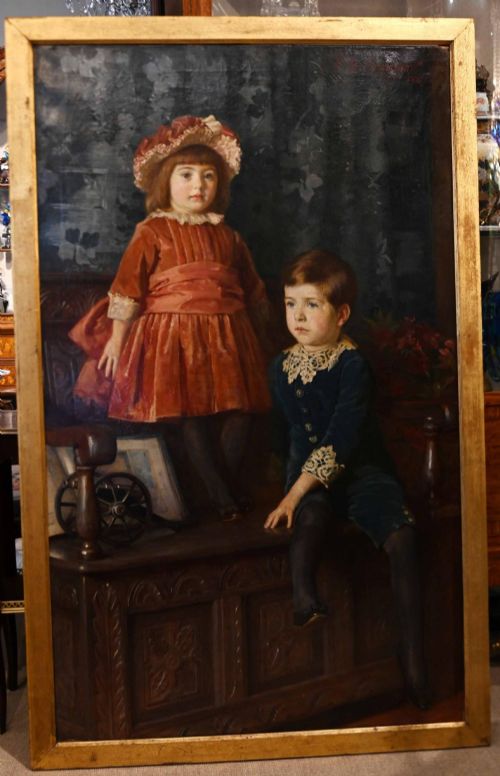
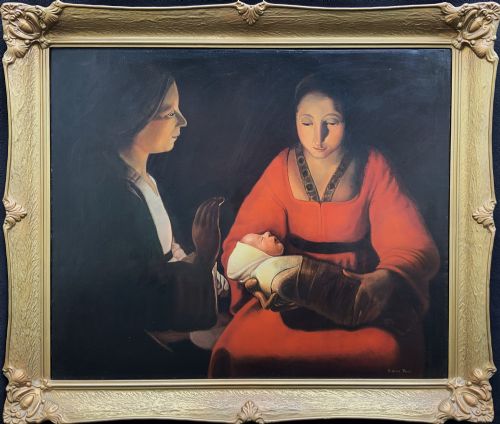
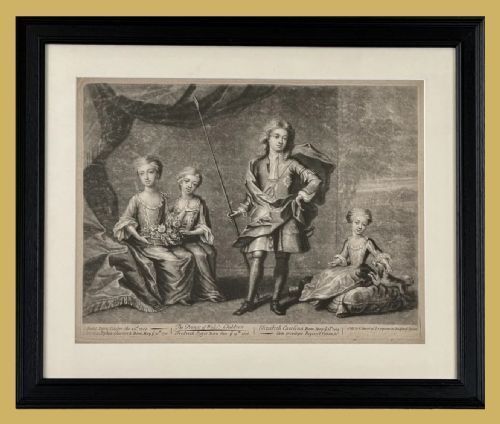
A framed portrait of child encompasses diverse historical depictions, ranging from grand 18th-century oils to intimate Victorian watercolours and early silhouettes. Buyers frequently encounter nineteenth-century works and Edwardian pastels on this page, alongside classical religious depictions of the Virgin and Child.
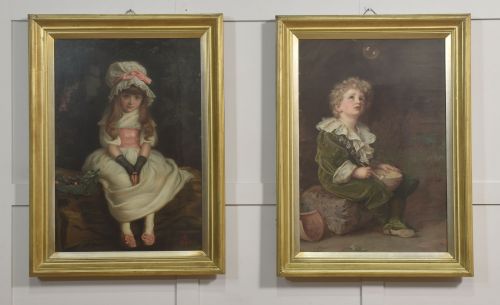
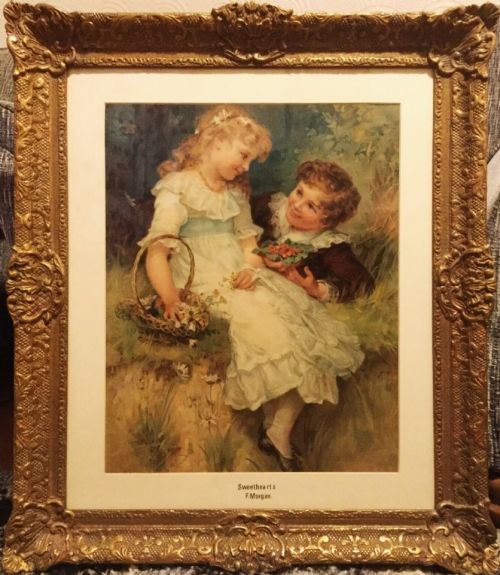
The subjects appear in varied formats, including single studies of boys and girls, sibling pairs, and advertising prints such as Pears soap issues. These depictions span Georgian elegance, Victorian folk art, and Renaissance revival styles executed across several centuries.
Materials and Techniques
Makers utilised oil on canvas, paper, and wood panels as the primary supports for these painted works, often applying gold leaf and giltwood to the accompanying frames. Pastels, watercolours, graphite, and gouache also appear frequently across the selection.
Framing forms an integral part of the piece, with period rosewood frames and gilt mouldings protecting works executed by both circle artists and named portraitists.
Listings incorporate works from the 16th century through to the 1950s, using oil, pastel, graphite, and watercolour.
Judging Quality and Execution
The integrity of the original framing, whether rosewood or giltwood, contributes significantly to the overall cohesion and preservation of the artwork.
Emily Eyres·Adam Buck·Charles D'Agar·Augustin Edouart·Vittorio Reggianini
The Framed Portrait of Child Glossary
- Silhouette
- A solid dark profile image cut from paper or painted, popular in the nineteenth century for capturing likenesses quickly.
- Mezzotint
- A printmaking process of the intaglio family, allowing smooth gradations of tone and rich dark areas.
- Giltwood
- Wood carved and covered with a thin layer of gold leaf or gilt, standard for period frames.
- Pastel
- A dry painting medium in the form of a stick, made of powdered pigment and a binder, favoured for soft portraits.
Framed Portrait of Child: Frequently Asked Questions
What periods do these child portraits span?
The pieces extend from sixteenth-century Renaissance works up through Georgian, Victorian, and Edwardian eras into the twentieth century. This broad timeline reflects changing artistic conventions in portraying youth.
Buyers encounter everything from classical religious interpretations to nineteenth-century folk art silhouettes and advertising prints.
How were these framed portraits originally displayed?
Historic portraits hung in domestic parlours, drawing rooms, and family galleries to commemorate lineage and childhood milestones. Wealthier households commissioned oil paintings, while others collected silhouettes or engravings.
The original frames, often fashioned from giltwood or rosewood, were selected to complement the interior decor of the period.
How do I care for antique paper and canvas portraits?
Protect works executed on paper, pastel, or canvas from direct sunlight to prevent fading of the pigments and discolouration of the support. Maintaining stable indoor humidity levels ensures the wood panels and canvases do not warp.
Keep framed pieces away from excessive moisture and heat sources to preserve the integrity of the original materials.
How can I distinguish between an oil painting and a print?
Examining the surface under magnification reveals the brushstrokes and raised texture characteristic of oil on canvas. Prints and advertising reproductions display dot patterns or smooth, flat ink applications beneath the glass.
Checking the backing and frame construction also helps determine whether the item is an original hand-executed work or a later reproduction.